A discreet guide to coordinating freight-elevator access for art deliveries at One Thousand Museum, with practical expectations around notice, insurance, access control, and white-glove timing.
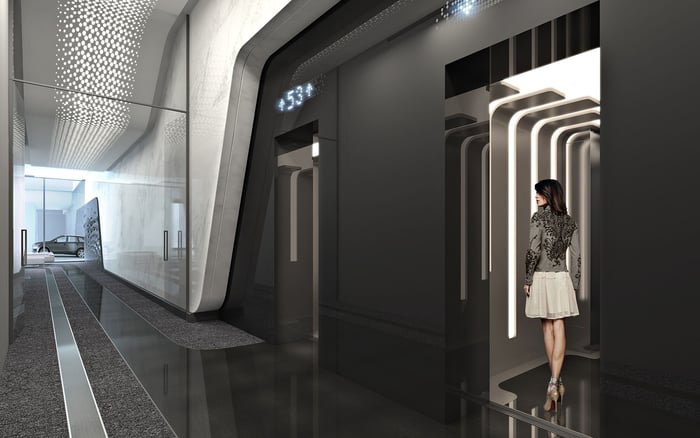
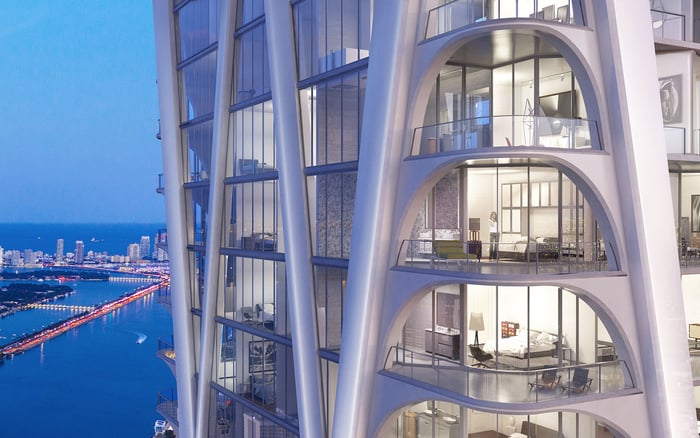
At One Thousand Museum, art delivery is not treated as a routine vendor stop. The 62-story Miami tower, designed by Herzog & de Meuron, is aligned with a level of residential life where major acquisitions, museum-grade handling, and carefully managed service circulation are entirely expected. In a building of this caliber, the freight elevator is part of a broader choreography that protects residents, finishes, schedules, and the work itself.
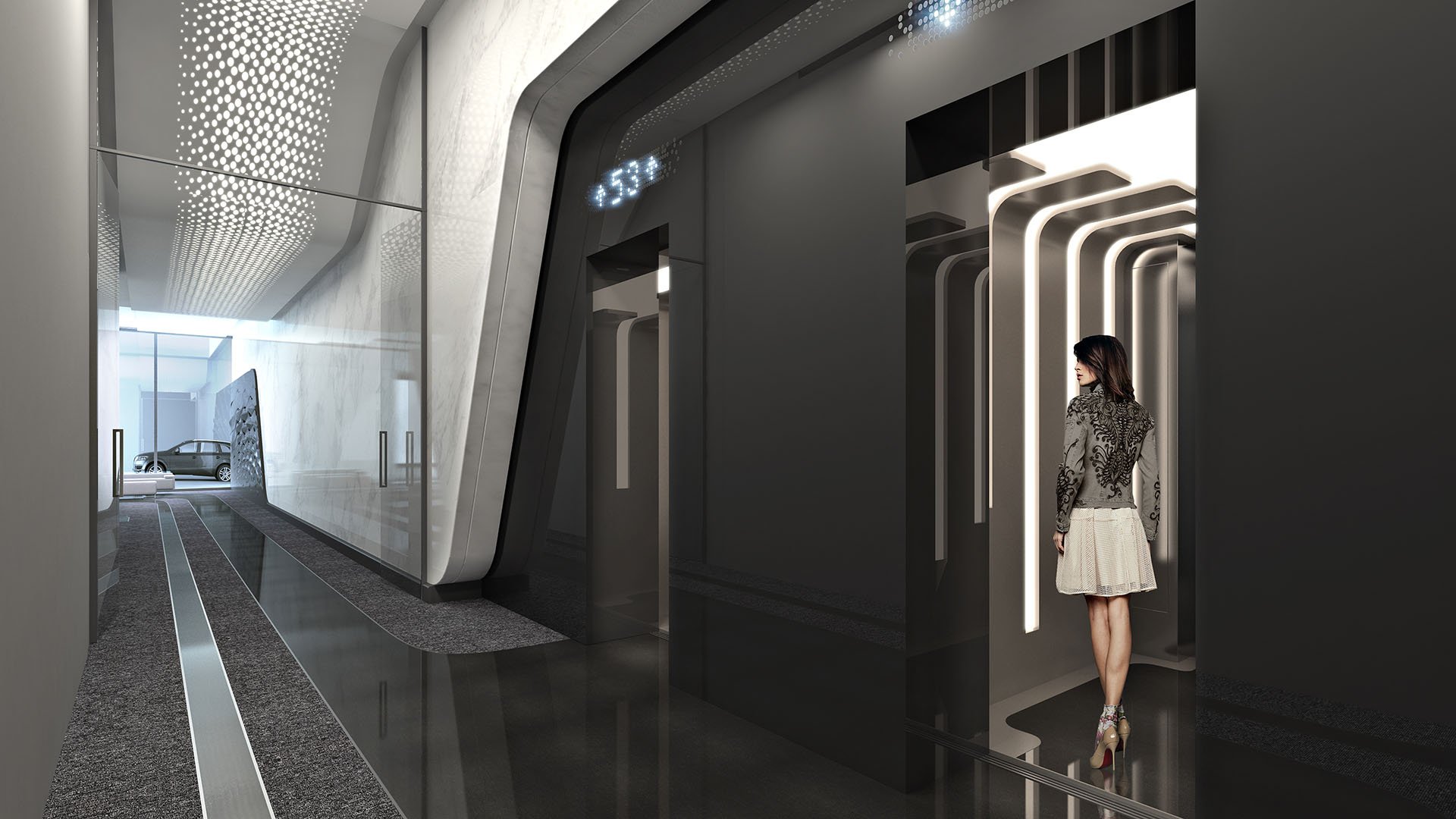
That is why reserving freight access for art should begin with building management, not with the truck’s arrival. The tower has dedicated service infrastructure and a loading or service area distinct from the primary resident arrival experience. For collectors, that separation matters. It preserves discretion, reduces unnecessary exposure, and creates a more controlled route for valuable works entering the property.
Within the broader Downtown conversation, this is one of the operational qualities that distinguishes premier buildings such as One Thousand Museum Downtown Miami, Aston Martin Residences Downtown Miami, and Waldorf Astoria Residences Downtown Miami: service planning is part of the luxury product, not an afterthought.
The most efficient freight-elevator reservation begins with complete logistics. In practical terms, management will want the proposed delivery date, the preferred time window, and the size of the artwork or crate being brought in. That may sound basic, but it is often where smooth deliveries are won or lost.
For a serious piece, the resident or advisor should confirm more than the framed dimensions alone. Exterior crate dimensions, total shipment weight, and any unusual handling requirements should be ready before the request is submitted. If the work is oversized, especially if it involves a large crate, multiple handlers, or rigging considerations, those details should be disclosed early so the route can be reviewed against elevator and service-area limitations.
A collector should also be prepared to share who is performing the delivery. In luxury towers, experienced art shippers are generally preferred, particularly teams accustomed to high-value residential work. The building’s concern is not simply whether the piece can fit. It is whether the delivery can be executed without damage to common areas, disruption to other residents, or avoidable security exposure.
Although current rules, fees, and approved delivery hours should always be confirmed directly with One Thousand Museum management, collectors should assume that advance notice is expected. In comparable luxury buildings, freight reservations are commonly arranged with at least a day or two of lead time, and often more when calendars are crowded.
This is because the freight elevator is rarely reserved in isolation. Management is balancing other moves, vendor appointments, building operations, and resident service activity. A white-glove art delivery may be high priority, but it still must be slotted into a service schedule that keeps the building running elegantly.
In practice, weekday windows are often easier to secure than weekends or holidays. If a resident has flexibility, that flexibility can materially improve the experience. It may also make it easier for management and concierge teams to coordinate access control, service routes, and elevator timing without compressing the delivery into a busy period.
This operational discipline is increasingly part of the conversation across South Florida’s top inventory, whether one is considering Casa Bella by B&B Italia Downtown Miami or comparing service cultures with collector-minded residences in other neighborhoods such as Arte Surfside.
One of the quiet realities of high-end residential logistics is that the elevator reservation is only one part of the approval chain. Before a delivery is cleared, residents and shipping teams may be asked to provide certificates of insurance or complete damage-responsibility documentation. For especially valuable works, this paperwork is less bureaucracy than risk management.
Management or concierge staff typically serve as the key coordinators between the resident and the art handler. They are usually the ones aligning arrival timing, access permissions, and building-side procedures. That coordination is particularly important in a tower where privacy and security are part of daily life.
Collectors should also understand the line between building access and in-residence installation. Freight access generally covers the controlled movement of the shipment through service areas and into the building. Unpacking, placement, hanging, lighting adjustment, and final installation inside the residence are typically handled by the resident’s own art installers. If there is a separate install team from the shipper, management should know that in advance.
For blue-chip works and bespoke commissions, the route matters almost as much as the reservation. A monitored interior service path reduces unnecessary handling variables and limits exposure to heat, humidity swings, and public visibility. In Miami, where climate and movement conditions are never trivial considerations, the advantage of controlled internal routing is significant.
At a property such as One Thousand Museum, that service-side separation supports a more discreet arrival for valuable pieces. It also helps preserve the residential atmosphere in the main lobby and common areas. For owners building significant collections, these details are not merely operational. They are part of how a residence supports connoisseurship.
This is one reason collector-oriented buyers often look beyond floor plans alone and evaluate how a building functions behind the scenes. The same lens appears when buyers assess full-service projects in other luxury markets, from The Ritz-Carlton Residences® Miami Beach to waterfront towers where service circulation is integral to daily living.
Well before delivery day, the resident should confirm six things: the piece’s crate dimensions, the total shipment weight, the identity of the shipper, the proposed arrival window, any required insurance documents, and whether the team entering the apartment is delivering only or also installing. That single preparation step often prevents last-minute rescheduling.
It is also wise to ask whether protective measures are required for common-area flooring, walls, and elevator interiors. Luxury buildings commonly manage such precautions carefully, especially when oversized crates or metal rigging equipment are involved. Even where the artwork itself is modest in scale, packing materials can change the logistics.
Most importantly, residents should not rely on assumptions from prior deliveries at other buildings. One Thousand Museum may share broad practices with elite towers across Downtown, Brickell, and Miami Beach, but its current procedures, approved hours, and any applicable fees are building-specific and should be verified directly each time a substantial work is scheduled.
For art-forward buyers, logistics signal something deeper than convenience. A building that can discreetly manage a significant delivery through dedicated service infrastructure is a building designed for ownership at a sophisticated level. It suggests thoughtfulness not only in architecture, but also in operations.
That is especially relevant in Downtown, where trophy residences increasingly compete on service as much as skyline presence. For a collector considering One Thousand Museum, the freight elevator is not a minor back-of-house detail. It is part of the framework that makes museum-quality living possible.
Tags that shape this conversation are visible across the market itself: One Thousand Museum Downtown Miami remains central to the Downtown luxury story, while art-driven demand often intersects with Art-basel season, High-floors preferences, and Ultra-modern design expectations in Miami. For many buyers, those priorities are inseparable from the practical reality of how a major work enters the home.
How far in advance should I reserve the freight elevator for art at One Thousand Museum? Advance coordination is the prudent approach, and weekday scheduling with some lead time is usually the smoothest path.
Can an art shipper simply arrive and request elevator access on site? That is not the advisable route. Freight use should be arranged with management before arrival.
What details should be included in the reservation request? Provide the proposed date, time window, shipment size, and, ideally, the crate dimensions and total weight.
Why does shipment weight matter if the artwork is not very large? Weight is reviewed against building limits, and crates or packing systems can add substantial load.
Are weekends a good time for art deliveries? They can be more difficult to secure than weekday windows in luxury residential settings.
Will the building coordinate directly with my art handler? Management or concierge staff commonly act as the coordination point for timing, access, and service routing.
Do I need insurance paperwork for an art delivery? Many luxury buildings require certificates of insurance or related responsibility forms before approval.
Does freight access include installation inside the residence? Usually not. Building access typically covers service-area transport, while in-home installation is handled by the resident’s team.
What if the piece is oversized or arrives in a large crate? Those details should be reviewed in advance so size limits and any special handling needs can be assessed.
Where should I confirm current rules, hours, and possible fees? Directly with One Thousand Museum management, since current procedures are building-specific.
For a tailored shortlist and next-step guidance, connect with MILLION Luxury.
If branded residences are on your mind — as a home or as an allocation — we would be glad to share what we are seeing, privately.
Begin a quiet conversation