A buyer-focused guide to evaluating 2000 Ocean in Hallandale Beach as a quieter oceanfront alternative between Miami Beach and Fort Lauderdale, with emphasis on views, privacy, service, amenities, resale context, and due diligence.
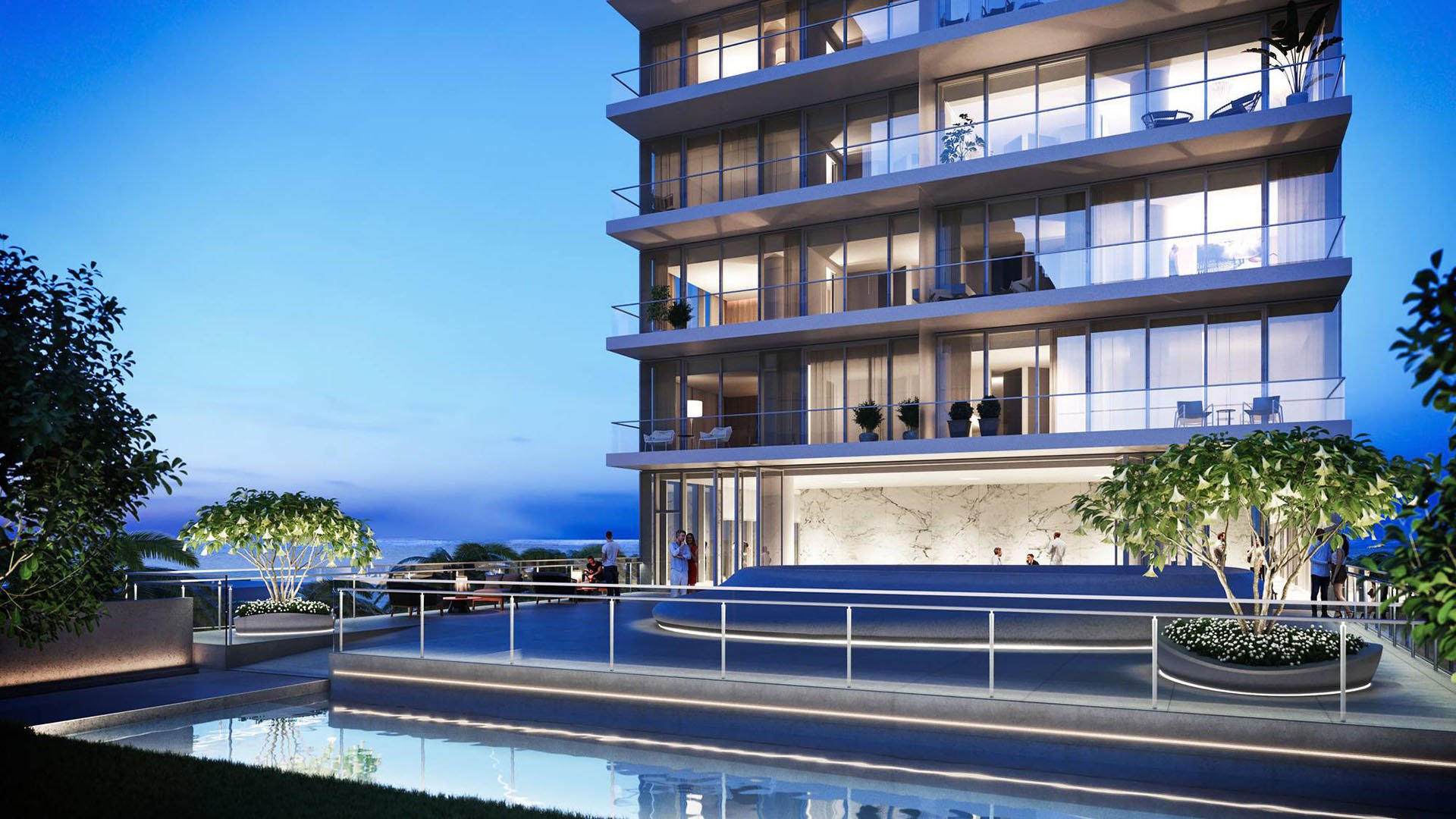
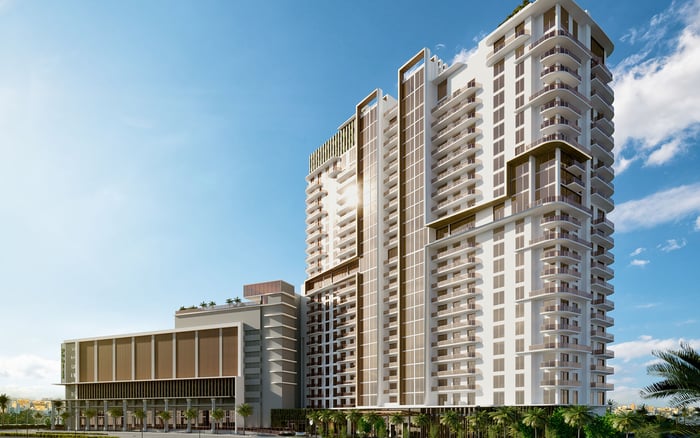
2000 Ocean Hallandale Beach is not simply a condominium decision. It is a lifestyle calibration. The buyer considering 2000 Ocean Hallandale Beach is often deciding whether quiet oceanfront living in Hallandale can deliver the refinement, privacy, and daily convenience needed to compete with higher-profile choices in Miami Beach and Fort Lauderdale.
That is the essential lens. Hallandale sits between two larger luxury narratives: the glamour and cultural density of the Miami area to the south, and the boating, beach, and residential ease associated with Fort Lauderdale to the north. For the right buyer, that middle position is the point. It can mean coastal access without committing to the pace, visibility, or constant destination traffic of a more famous address.
The evaluation should begin with fit, not spectacle. If a buyer wants a nightlife-driven building, a constant visitor scene, or the social signaling of a trophy district, this may not be the natural first choice. If the priority is oceanfront living, water-view orientation, privacy, full-service convenience, and a more residential coastal rhythm, 2000 Ocean deserves a serious look.
The first question is not whether the building is luxurious in the abstract. It is whether its coastal position creates the daily life the buyer actually wants. Direct oceanfront positioning is the principal differentiator versus inland Hallandale inventory. In South Florida, the difference between being near the water and living on the coast is not cosmetic. It affects views, light, breezes, sound, resale comparisons, and the emotional value of the residence.
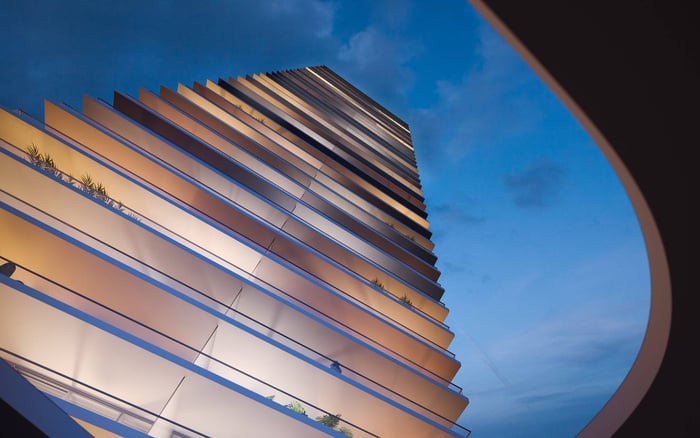
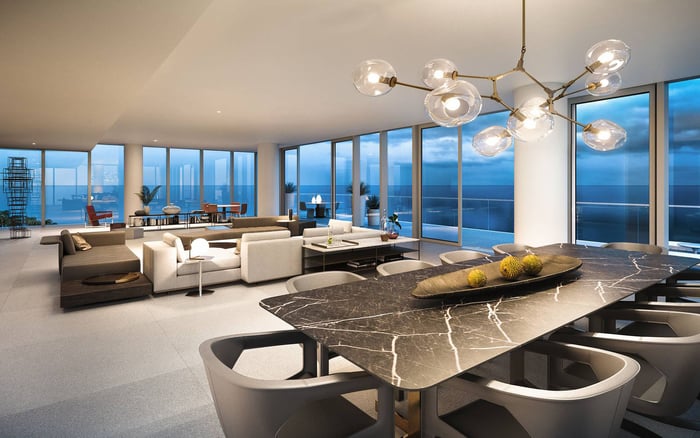
At 2000 Ocean, the design emphasis centers on ocean orientation, water views, and natural light. That places the buyer’s due diligence squarely inside the residence. View corridor matters. So do floor height, exposure, balcony or terrace usability, and the degree to which the plan allows the ocean to be present from the primary living spaces rather than only from a corner or secondary room.
For buyers comparing Miami Beach options such as 57 Ocean Miami Beach, the question is not which market carries the louder name. The more useful question is whether the Hallandale residence offers a calmer version of the coastal experience, with enough architectural and service quality to justify choosing discretion over fame.
Quiet can be a luxury, but it must be understood precisely. A quieter tower should not mean under-serviced, under-amenitized, or disconnected. It should mean a residential environment that feels private, composed, and less tourism-driven. Buyers should observe arrival patterns, lobby tone, elevator waits, pool atmosphere, and the relationship between residents, guests, staff, and common areas.
In a coastal building, quietness also depends on micro-positioning. A residence closer to pool decks, beach circulation, or active amenity areas may live differently from a similar plan with greater separation. Exposure matters as much as elevation. A higher floor may improve the view, while a lower floor may feel more connected to the sand and water. Neither is automatically superior. The right answer depends on how the owner expects to live.
Beach access should be assessed with the same care. It is not enough to know that the building is coastal. A buyer should understand the practical rhythm of getting from residence to beach, how service supports that transition, and whether the experience feels effortless or merely available.
2000 Ocean is positioned as a full-service luxury residential property with resort-style amenities. That makes service quality central to the purchase decision. The most elegant amenity program loses value if staffing, maintenance, and operations do not feel consistent.
A serious buyer should evaluate concierge responsiveness, arrival management, fitness facilities, spa-style offerings, pool areas, beach-related services where applicable, and the overall condition of shared spaces. The goal is not to count amenities. It is to determine whether the building supports a refined daily routine.
This is where Hallandale’s quieter profile can become attractive. A buyer comparing Fort Lauderdale choices such as Four Seasons Hotel & Private Residences Fort Lauderdale may want a different blend of service and privacy. Fort Lauderdale can offer a larger coastal identity. Hallandale can appeal to those who want a more discreet base with access in both directions.
Resale analysis should not be limited to Hallandale Beach alone. A thoughtful comparison should include other Hallandale oceanfront inventory, then extend outward to Miami Beach and Fort Lauderdale. The buyer pool for a tower like 2000 Ocean may include people who could afford and consider multiple coastal markets.
Against Miami Beach, the comparison often revolves around brand gravity, cultural access, restaurant density, and international recognition. Against Fort Lauderdale, the comparison may involve residential ease, marina culture, beach lifestyle, and a different sense of pace. Hallandale occupies the space between them, and that positioning should be measured as both an advantage and a constraint.
A buyer may also look at nearby Hallandale luxury alternatives such as Shell Bay by Auberge Hallandale when deciding whether the area itself has enough depth for long-term ownership. The point is not to rank buildings by noise or prestige. The point is to understand which address best aligns with privacy, amenities, mobility, and resale logic.
Investment analysis should be conservative. A luxury oceanfront residence can have meaningful lifestyle value, but lifestyle value is not the same as rental yield. Before assuming income, buyers should review rental rules, owner-use patterns, association policies, and any restrictions that may affect flexibility.
Due diligence should include HOA or condominium fees, reserves, insurance exposure, maintenance history, rental rules, and coastal-building obligations. In South Florida, oceanfront ownership carries privileges, but it also requires attention to building condition, insurance dynamics, and long-term capital planning.
For some buyers, the better comparison will be lifestyle utility rather than pure income. If the owner expects to use the residence frequently, host family, work remotely near the ocean, or maintain a calmer South Florida base, the value equation may be compelling even without aggressive rental assumptions. If the buyer is primarily yield-driven, the analysis must be stricter.
The best buyer for 2000 Ocean is likely someone who wants coastal luxury without unnecessary intensity. This may be a second-home owner who values privacy, a primary resident seeking ocean light and service, or a buyer who wants access to both Miami-area and Fort Lauderdale-area amenities without living inside either market’s busiest core.
It is also a building for buyers who are comfortable making a quieter decision. The prestige here is not necessarily about being in the loudest district. It is about the discipline of choosing the right daily life: oceanfront setting, residential composure, attentive service, and a location that lets the owner move north or south as needed.
That is why the most important showing is not only the residence itself. It is the arrival, the hallway, the amenity level, the beach connection, the staff interaction, the sound at different times of day, and the feeling of returning home. In a quieter coastal tower, the intangible may be the asset.
Is 2000 Ocean an oceanfront building? Yes. The property is positioned as a coastal, oceanfront residential tower in Hallandale Beach.
Why consider Hallandale instead of Miami Beach? Hallandale can offer a quieter coastal rhythm while preserving access to Miami-area amenities.
How should buyers compare it with Fort Lauderdale? Compare service, privacy, beach lifestyle, mobility, and resale context rather than market name alone.
What unit features matter most at 2000 Ocean? Focus on view corridor, exposure, floor height, terrace usability, natural light, and noise separation.
Are amenities important in the evaluation? Yes. Concierge operations, fitness, spa-style spaces, pools, and beach access should all be reviewed.
Is 2000 Ocean best for investors or end users? It may suit lifestyle-focused buyers, but investment assumptions should be tested separately from personal use.
What financial documents should a buyer review? Review fees, reserves, insurance exposure, maintenance history, rental rules, and coastal obligations.
Does quiet mean less luxury? Not necessarily. In this context, quiet can mean privacy, residential calm, and less tourism-driven energy.
Should resale comparisons stay within Hallandale? No. Buyers should compare Hallandale oceanfront inventory with Miami Beach and Fort Lauderdale alternatives.
Who is the ideal buyer for this tower? A buyer who values oceanfront living, privacy, service, and access to two larger luxury markets.
For a confidential assessment and a building-by-building shortlist, connect with MILLION.
If branded residences are on your mind — as a home or as an allocation — we would be glad to share what we are seeing, privately.
Begin a quiet conversation