One Thousand Museum vs ORA by Casa Tua: Exoskeleton Engineering vs Short-Term Rental Flexibility
A buyer-oriented comparison of two very different luxury propositions: One Thousand Museum’s iconic engineering-led identity versus ORA by Casa Tua’s hospitality-forward, flexible-use positioning in Brickell.

Faena Residences Miami River vs One Thousand Museum: District-Scale Glamour or Boutique Architectural Icon?
Two of Miami’s most discussed luxury residential propositions sit at opposite ends of the spectrum: a district-style, pre-construction riverfront vision from Faena, and a completed, low-density Zaha Hadid landmark at the city’s cultural core. For buyers weighing lifestyle, privacy, and long-term positioning, the contrast is unusually clear.

Downtown Miami’s Evolution: From Office Hub to Luxury Residential Hotspot
Downtown Miami is entering a new chapter where the skyline is no longer a backdrop, but a product. A surge of branded residential towers, district-scale mixed-use investment, and waterfront public-realm improvements is reshaping how affluent buyers evaluate value, lifestyle, and long-term resilience in the urban core. At the same time, softer pricing signals in the broader resale market and a “flight to quality” dynamic in offices point to a more selective moment: buyers are rewarding best-in-class buildings, locations, and execution. For MILLION Luxury clients, the opportunity is not simply to pick a view. It is to understand which parts of Downtown are becoming truly walkable, which corridors are layering culture and hospitality into daily life, and which projects signal the next three to five years of momentum.

Artful Living: How Miami’s Luxury Condos Integrate Museum-Worthy Art and Design
Miami’s most design-literate buyers increasingly treat their home as a private gallery, with architecture, light, and layout doing as much work as the art on the walls. This ranked guide highlights five art-forward condo environments, then explains what to look for when you want a residence that elevates a collection without turning daily living into a museum routine.

One Thousand Museum vs. Villa Miami: Starchitect Masterpiece or New Boutique Vision on Biscayne Bay?
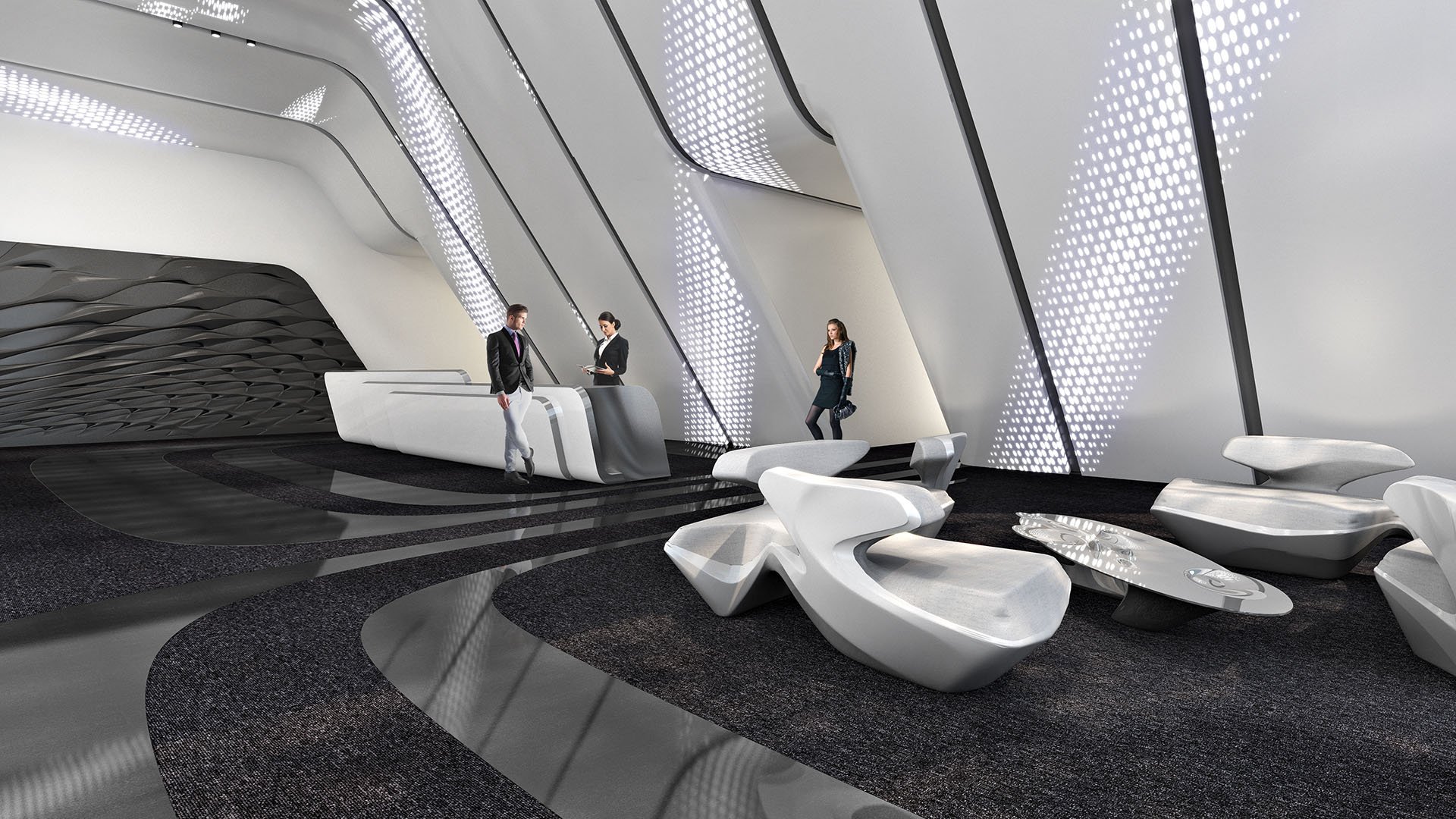
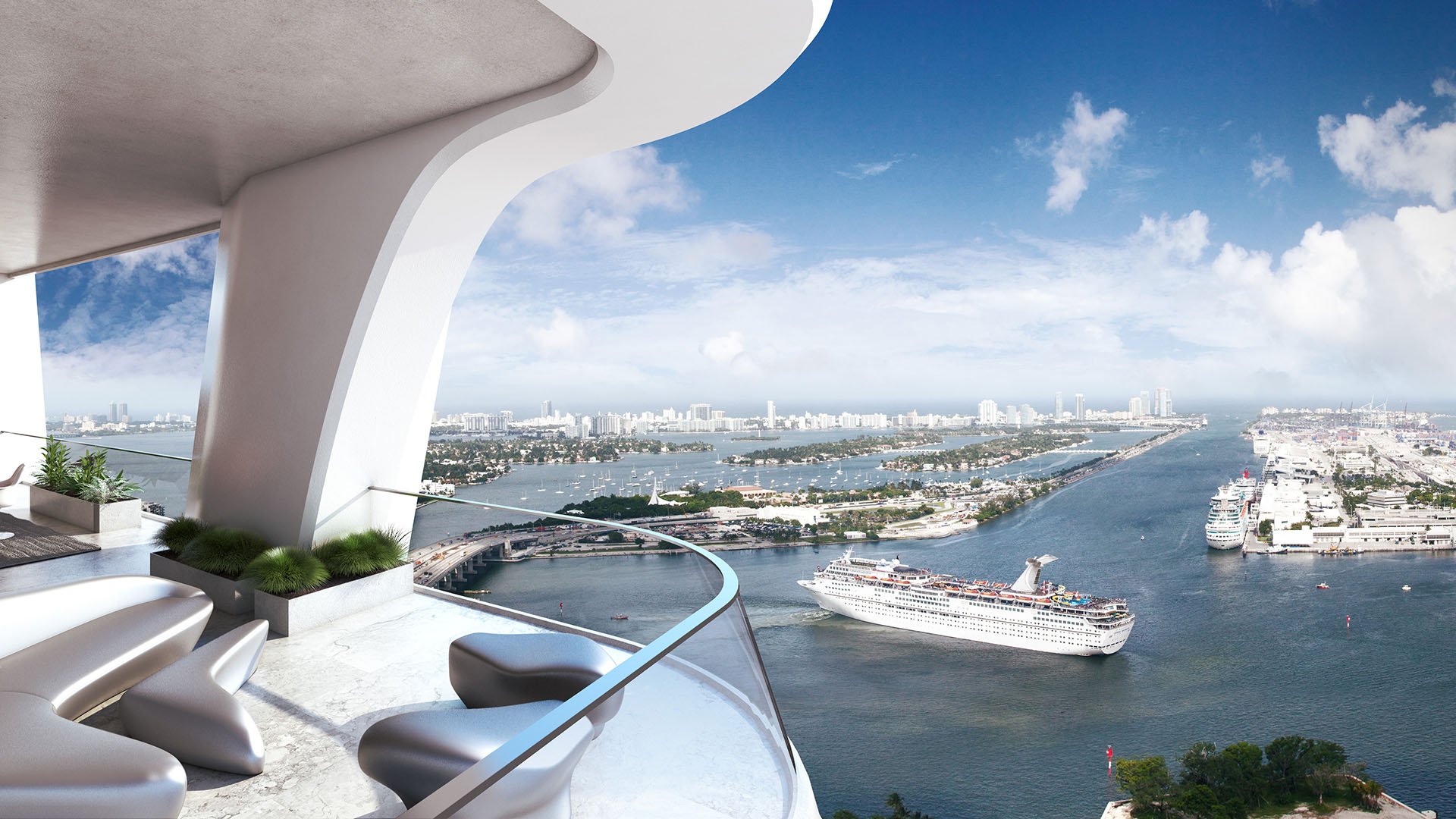
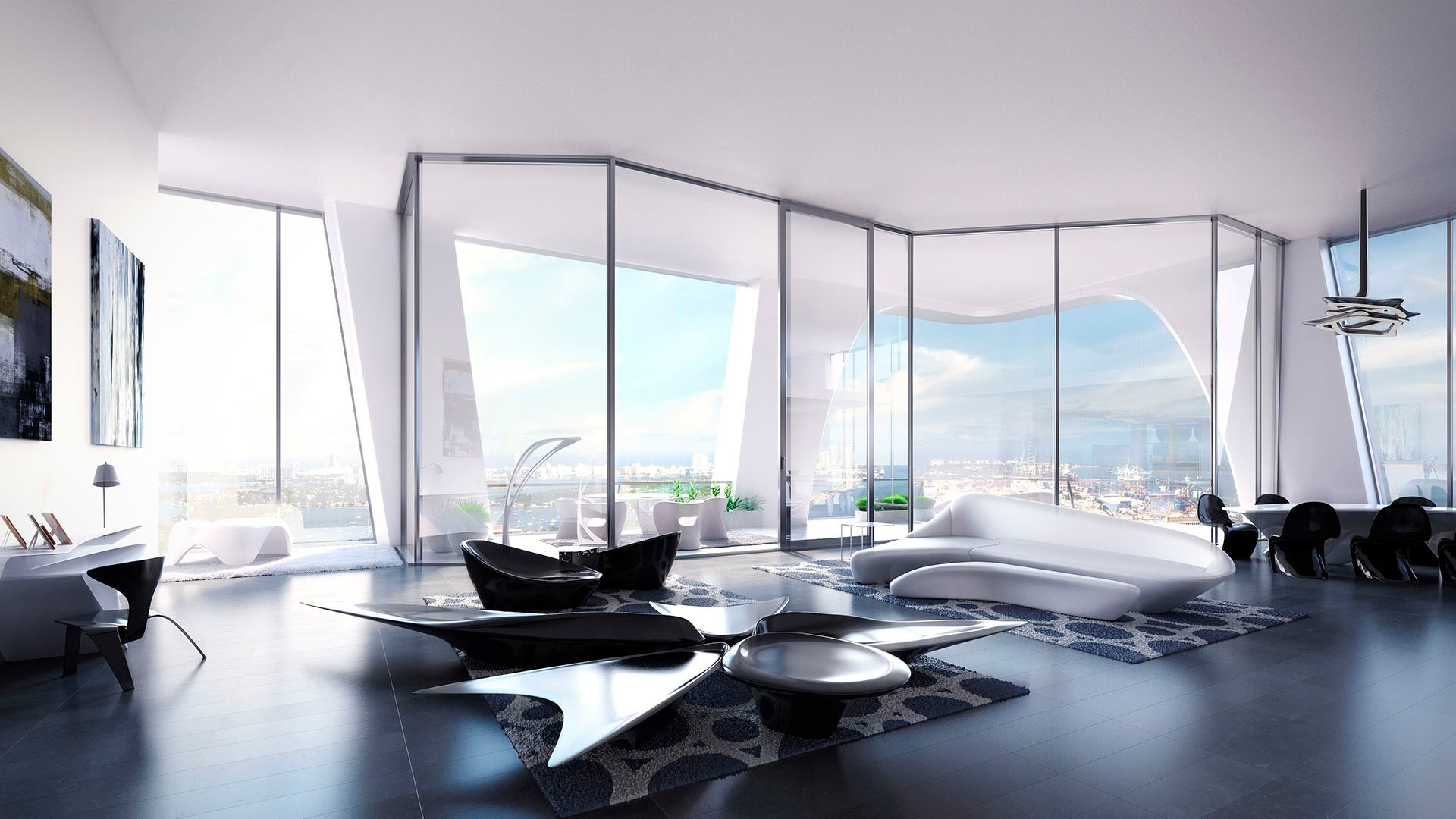
Miami’s most collectible residential addresses increasingly behave like design objects: singular forms that telegraph taste long before a doorman learns your name. In that conversation, One Thousand Museum Downtown Miami and Villa Miami represent two distinct chapters of sculptural luxury. One is a completed landmark: a 62-story tower designed by Zaha Hadid and finished in 2019, defined by a concrete exoskeleton and a limited collection of 84 residences. The other is a hospitality-driven proposition under development in Edgewater, conceived as a branded residential tower concept by Major Food Group in collaboration with Terra and One Thousand Group. For buyers who treat real estate as both lifestyle platform and long-term hold, the point is not which is “better.” It is which vision aligns with how you live: museum-adjacent architectural permanence and privacy-forward ownership, or a new-generation building where the amenity story is curated like a members club. Below, MILLION Luxury breaks down how these towers differ in design, services, scarcity, and neighborhood context, and how to compare them in today’s $2M-plus condo market.

Starchitect Towers: Does a Big Name Architect Guarantee a Better Investment?
In South Florida, a famous architect can elevate a building into a collectible: instantly legible in a skyline, scarce by design, and emotionally resonant for global buyers. But in a market where the $2M+ segment can swing toward buyers as inventory builds and marketing times extend, “starchitect” status is best understood as a value enhancer, not a value shield. This editorial looks at what the name on the brochure can, and cannot, do for pricing power and resale liquidity. Using widely recognized case studies like One Thousand Museum and Eighty Seven Park, plus branded design pairings such as the Surf Club Four Seasons, we map the components that tend to matter most: scarcity, service, layout efficiency, and operational simplicity.