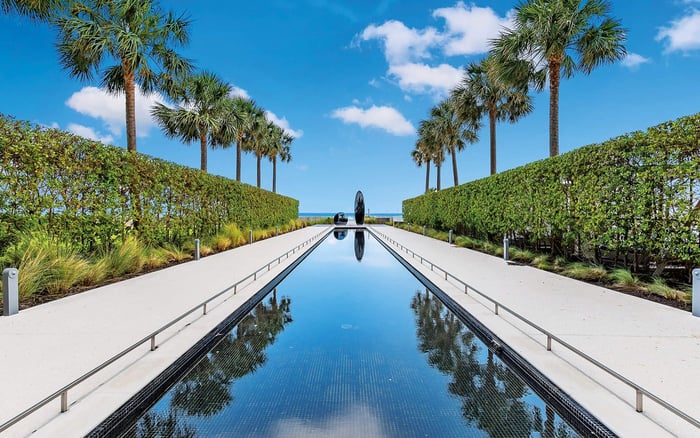
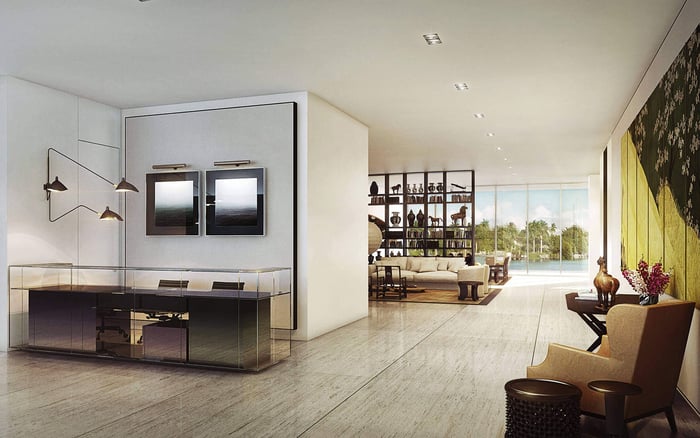
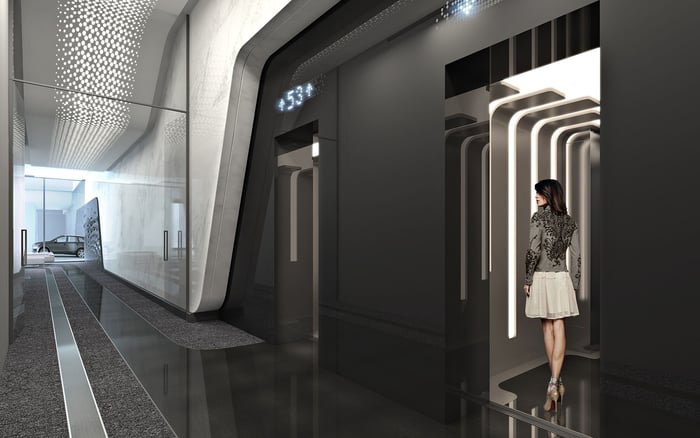
In South Florida’s ultra-prime market, architecture is no longer a backdrop to lifestyle. It is a value driver. From Art Basel’s influence to a wave of globally recognized designers shaping the skyline, this editorial looks at how signature buildings translate into daily living, long-term desirability, and buyer psychology across Miami-beach, Coconut-grove, Downtown, and Sunny-isles.
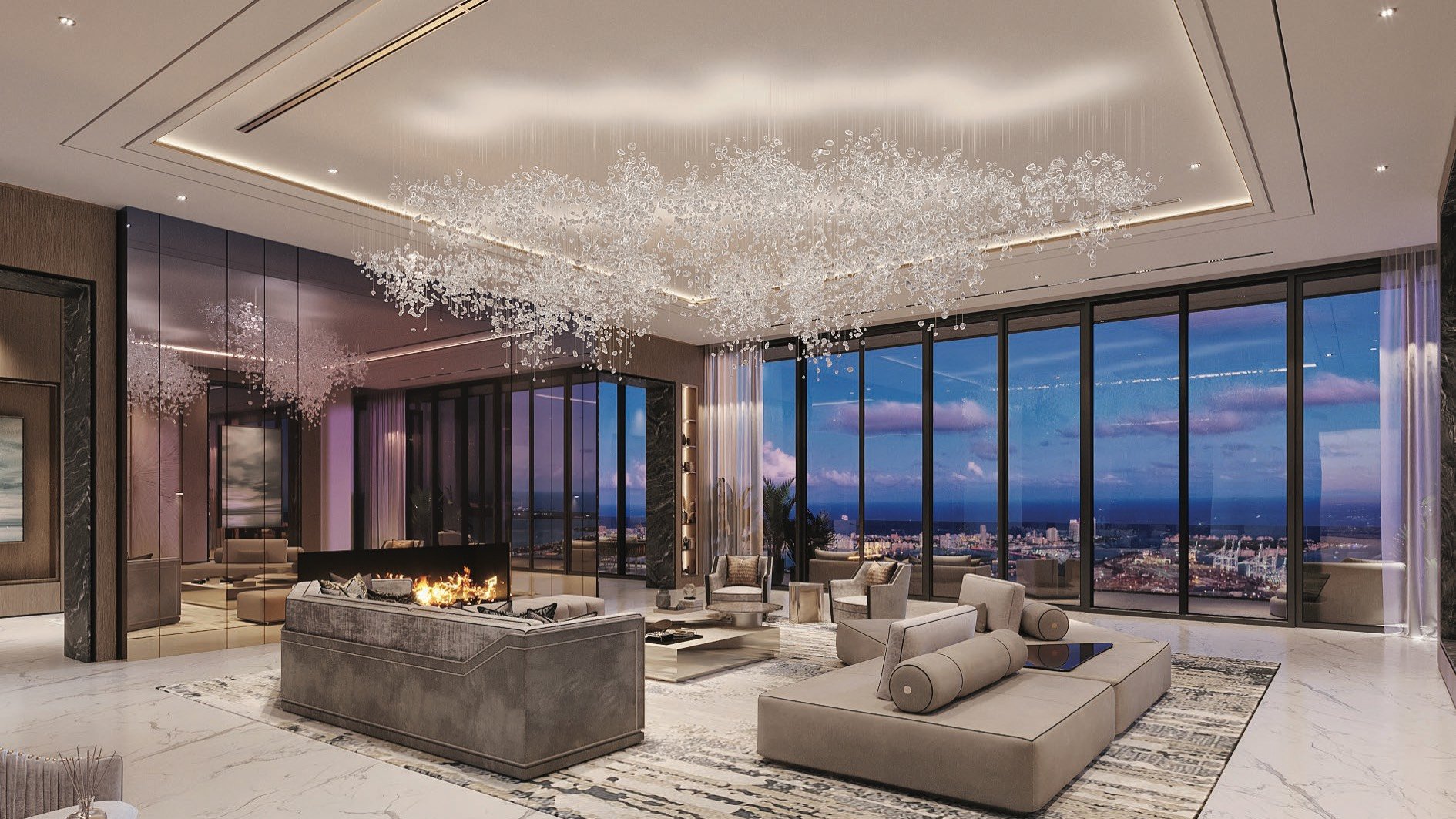
Luxury in South Florida has always revolved around light, water, and access. What has shifted over the last two decades is the role of design itself. In today’s ultra-prime condo market, a residence is evaluated not only by finishes and views, but by authorship: the architect’s credibility, the discipline of the concept, and how the building shapes everyday living.
That change tracks with Miami’s broader rise as a global design destination. Art-basel, launched in 2002 as Art Basel Miami Beach, accelerated international attention and helped formalize a clear feedback loop. Visibility attracts capital, capital supports more ambitious commissions, and those commissions further elevate the city’s profile. The result is now unmistakable on the skyline: high-profile residential work associated with firms such as Zaha Hadid Architects, OMA, Bjarke Ingels Group (BIG), and Herzog & de Meuron has become part of Miami’s modern identity.
For buyers, “starchitect” only matters if it performs after move-in. At the highest level, the best buildings translate design into outcomes you can feel: terraces that function as true living space, better privacy, stronger daylight, coherent floor plans, and amenities calibrated to a top-of-market audience.
In South Florida, the most valuable design decisions are often the least theatrical. They are the choices that remain relevant even as aesthetic preferences move on.
Outdoor living is first, and it works best when it is engineered as architecture, not appended as decoration. Many of the most closely watched towers prioritize deep terraces, meaningful overhangs, and balcony conditions that read like real rooms. In this climate, where indoor and outdoor living is a daily expectation, shade is not a perk. It is part of comfort.
Second is the way a building handles view corridors and exposure. Great architecture can frame water and skyline without making a residence feel like a glass aquarium. Projects that emphasize sun-shading strategies and carefully proportioned openings often feel calmer and more private, particularly at higher elevations where visibility can cut both ways.
Third is identity. In the ultra-premium segment, recognizability can support long-term desirability when it is tied to internationally known authorship. The objective is not novelty for novelty’s sake. The strongest buildings read intentional and timeless, even as new supply continues to arrive.
Downtown’s luxury narrative is shaped by visibility. Towers here occupy prominent urban sites, and they are experienced as part of a public skyline. That puts a premium on architectural clarity and a sense of purpose.
One Thousand Museum Downtown Miami illustrates how engineering can become the signature. The 62-story luxury condominium tower is designed by Zaha Hadid Architects and rises at 1000 Biscayne Boulevard in the Downtown and Arts & Entertainment District. Its structural exoskeleton is the defining feature, fabricated using glass fiber reinforced concrete (GFRC) as a key material and technology. In a market where many buildings compete on surface-level glamour, a structural identity like this reads as more deliberate and more collected.
Amenities also contribute to the building’s mythology. One Thousand Museum is noted for ultra-luxury offerings that include a rooftop helipad as part of the resident experience. Whether a buyer ever uses it or not, the presence of that amenity signals a peer set and an intentional, rarefied positioning.
Downtown’s broader evolution includes other high-rise statements, including Brickell Flatiron, delivered by CMC Group and published at 736 feet and 64 stories. For buyers weighing Downtown and the nearby Brickell corridor, the proposition is clear: height, density, and skyline presence are core to the appeal, and they come with their own tradeoffs.
Miami-beach remains the market where lifestyle and architecture are most tightly braided. The best buildings here are designed so that, from inside, the horizon feels uninterrupted, even if the tower is unmistakable from the street.
Renzo Piano Building Workshop’s Eighty Seven Park Surfside is often discussed in these terms. The 18-story condominium building at 8701 Collins Avenue is designed with a light, elevated form and extensive balconies and terraces to maximize coastal views and outdoor living. The emphasis is on air and ease, with an outdoor threshold that feels continuous rather than compromised.
In Miami-beach, many buyers gravitate to residences that feel hotel-grade in service culture while staying distinctly residential in privacy and control. In that context, buildings such as Setai Residences Miami Beach fit a broader preference for discretion, predictability, and operational standards that match design ambition.
The next wave of Miami-beach inventory also leans into design-forward identity, with projects such as Five Park Miami Beach often discussed for how new towers meet the neighborhood fabric. Along the oceanfront, 57 Ocean Miami Beach reflects the enduring draw of direct coastal living paired with a more contemporary residential proposition.
For buyers who want a brand-associated experience without losing an intimate, owner-first feel, The Ritz-Carlton Residences® Miami Beach sits naturally within the Miami-beach conversation. The addresses that perform best here tend to deliver the same core promise, regardless of style: a seamless day, from arrival to elevator to home.
Sunny-isles has become synonymous with vertical beachfront living, and with it, a clear buyer expectation: outdoor space should be generous, not symbolic.
Jade Signature Sunny Isles Beach is a widely referenced case study. It is a 57-story oceanfront residential tower in Sunny Isles Beach designed by Herzog & de Meuron and completed in 2018. Located at 16901 Collins Avenue, it is designed as a beachfront condominium building and is known for emphasizing large outdoor terraces alongside sun-shading strategies suited to South Florida’s climate.
That combination is not an abstract architectural talking point. Large terraces expand usable space in a way that feels natural rather than forced. Shading strategies help reduce glare and heat load, making outdoor living more comfortable and, in many cases, more frequently used. For owners, these details shape how the residence performs at 9 a.m., at sunset, and in the shoulder seasons.
Coconut-grove has long attracted buyers who want a more grounded pace than the beach or the high-rise core, but still expect design at the highest level. The strongest projects make a confident visual statement while remaining deeply residential in tone.
Grove at Grand Bay is a Bjarke Ingels Group (BIG) condominium project characterized by twisting tower forms. It is identified as being in Coconut-grove and is commonly listed at 2669 and 2675 South Bayshore Drive. Importantly for a sophisticated buyer, it achieved LEED Gold certification, positioning sustainability alongside sculptural identity.
OMA’s Park Grove Coconut Grove plan was publicized as a trio of “peanut-shaped” residential towers. The massing concept is not just a marketing phrase. It signals a sculptural approach to form and implies a deliberate relationship to views, spacing, and silhouette. Park Grove is positioned as an OMA-designed luxury condominium community with extensive resident amenities, reinforcing that in Coconut-grove, service and lifestyle matter as much as architecture.
In a neighborhood that rewards understated confidence, design that reads intentional rather than loud can support long-term desirability.
Starchitect architecture is not an automatic guarantee of comfort or liquidity. The best buyers treat it as a strong signal, then verify execution.
Start with the terrace and facade logic. Does the balcony depth feel genuinely usable, or merely performative? Are there sun-shading strategies that make outdoor space comfortable for more than a photo moment?
Next, evaluate how the building mediates privacy. Sawtooth and angular facade geometries, such as the approach widely described at Jean Nouvel’s Monad Terrace on Biscayne Bay, are often used to modulate reflections, privacy, and views. In practice, those moves can reduce direct sightlines and improve the lived experience.
Then study the arrival sequence. In ultra-luxury, the first five minutes set the tone: curb approach, lobby acoustics, elevator placement, and the sense that the building is controlled and calm.
Finally, ask what is truly rare. A rooftop helipad, a distinctive structural system, or an unmistakable silhouette can become part of the property’s long-term narrative. But rarity that is expensive to maintain, without improving daily life, can become friction. The strongest features are both distinctive and practical.
What does “starchitect” mean in Miami real estate? A globally recognized architect whose authorship becomes part of a property’s value and identity.
Why did Art-basel matter for luxury development? Art-basel helped draw international attention and investment, supporting more ambitious design commissions.
Are design-led towers only about aesthetics? No. At their best, they improve terraces, daylight, privacy, and the overall flow of daily living.
What makes One Thousand Museum Downtown Miami distinctive? Its Zaha Hadid Architects design, signature exoskeleton in GFRC, and ultra-luxury amenity profile.
What should buyers notice in oceanfront towers? Terrace usability and sun-shading strategies that make outdoor living comfortable, not just scenic.
What is notable about Jade Signature Sunny Isles Beach? It is a 57-story oceanfront tower by Herzog & de Meuron completed in 2018, known for large terraces.
Why do some facades use angled or sawtooth geometry? To help modulate reflections, privacy, and views, especially on waterfront sites.
Is Miami-beach still a top choice for second homes? Yes. Many buyers prioritize walkable lifestyle, coastal access, and high-service residential standards.
How does Coconut-grove differ from Downtown for condo buyers? Coconut-grove tends to feel quieter and more residential, while Downtown prioritizes skyline presence.
Does iconic architecture support resale value? It can, particularly when the design is timeless, well-executed, and paired with strong operations.
Explore South Florida’s most design-forward addresses with MILLION Luxury.
If branded residences are on your mind — as a home or as an allocation — we would be glad to share what we are seeing, privately.
Begin a quiet conversation