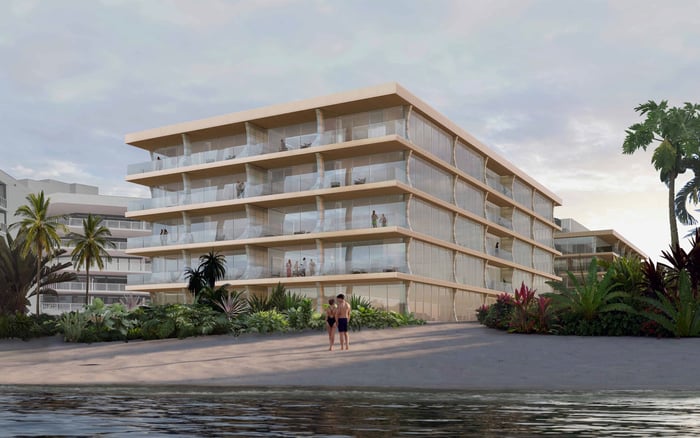
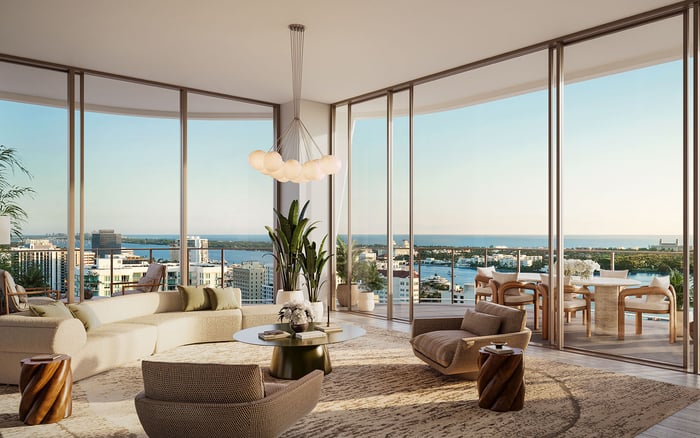
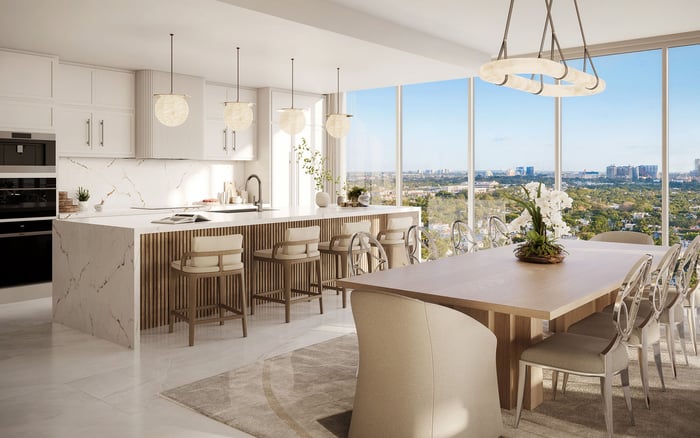
A discreet buyer due-diligence guide for understanding restaurant exhaust, odor control, fan placement, operating hours, maintenance duties, and document protections at The Berkeley Palm Beach.
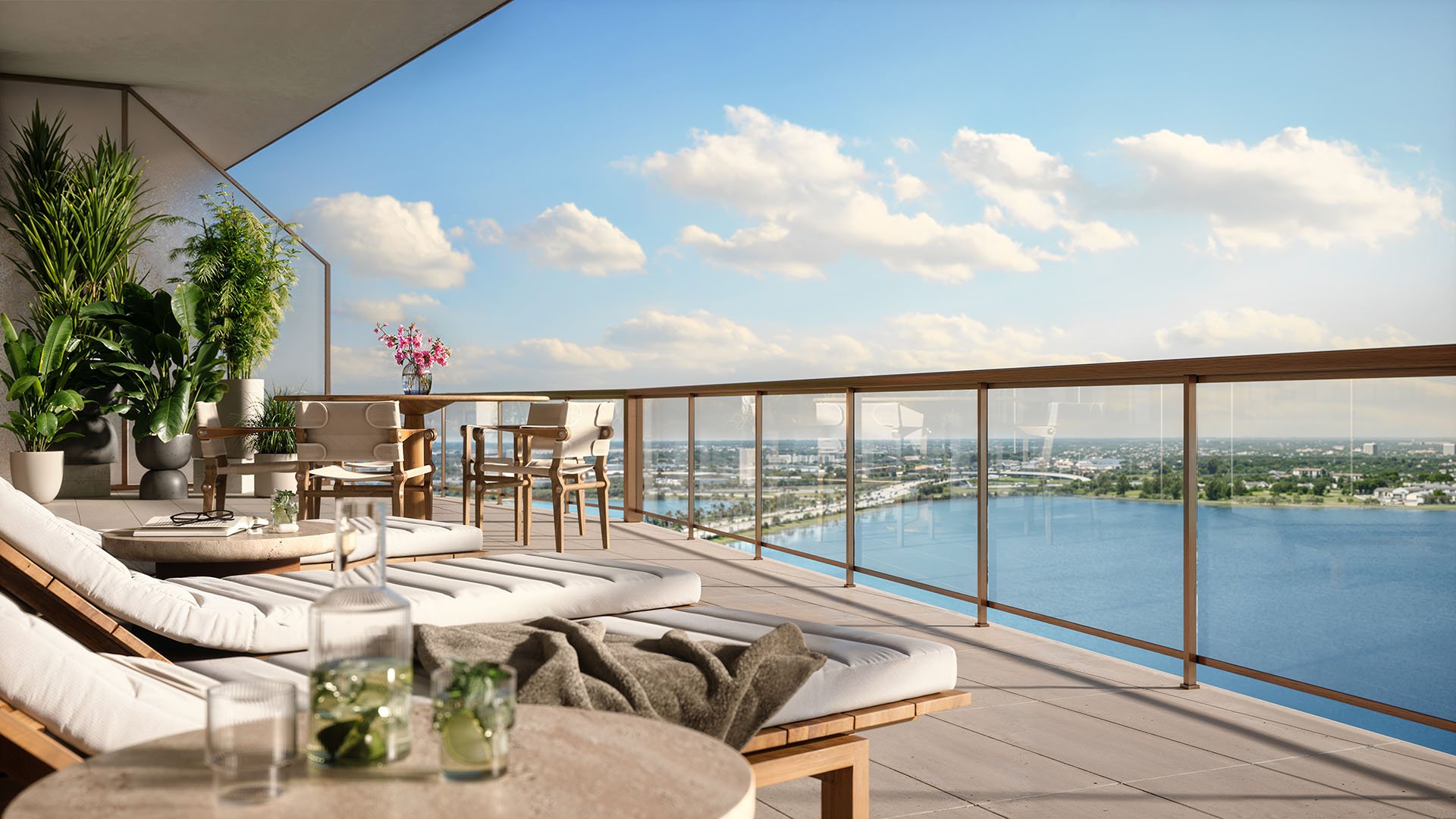
For a buyer considering The Berkeley Palm Beach, restaurant exhaust is not a sensational topic. It is a practical one. In a refined residential setting, daily life is shaped as much by invisible building systems as by finishes, ceiling heights, arrival sequences, and views.
The first point is restraint: the available project context does not establish public, project-specific technical details for The Berkeley Palm Beach’s restaurant exhaust routing, discharge location, filtration, fan placement, or maintenance obligations. Buyers should not assume there is an issue. They should also not assume there is no exposure. The disciplined approach is to verify whether any restaurant, café, bar, catering kitchen, commercial kitchen, or amenity kitchen is part of the building program, then obtain the documents that show how it is intended to function.
This is especially important in South Florida, where terraces, operable windows, pool decks, and rooftop amenities are not decorative extras. They are part of the value proposition. In the language of buyer filters, this is a West Palm Beach, Palm Beach, new-construction, pre-construction, terrace, and commercial question at once.
Before debating filters, fans, ducts, and wind, buyers should ask the most direct question: will the property include any food-and-beverage venue or kitchen that produces commercial cooking exhaust? That can include a formal restaurant, a residents-only café, a bar with food service, a catering kitchen serving private dining rooms, or an amenity kitchen used for events.
The answer should be documented, not merely described in a sales conversation. If the response is yes, buyers should ask where the kitchen is located, what type of cooking is contemplated, whether the venue is resident-only or open to outside guests, and whether the use can change after opening. A breakfast pantry and a high-grease cooking operation are very different building neighbors.
This same discipline applies across the West Palm Beach luxury corridor. Buyers comparing Alba West Palm Beach, Mr. C Residences West Palm Beach, or boutique waterfront offerings should treat food-service infrastructure as part of the residential experience, not as a back-of-house afterthought.
Once a food-and-beverage use is identified, the next request should be mechanical plans showing the exhaust path from hood to discharge point. Buyers should understand whether ducts travel through shafts, near residences, past corridors, beside terraces, or toward rooftop areas. The question is not only where the kitchen sits, but where its air, grease-laden vapors, vibration, and maintenance access are routed.
The discharge location matters. Exhaust that terminates near a roofline, amenity deck, penthouse zone, balcony stack, pool area, or operable window deserves careful review. Buyers should ask whether prevailing winds were considered and whether any dispersion study was commissioned. In a coastal market, wind is not an abstraction. It can determine whether odors move away from the building or drift toward the places residents expect to enjoy in quiet.
Odor control should be specific. Ask what systems are specified, such as grease filtration, electrostatic precipitators, carbon filtration, UV treatment, or other engineered mitigation. A polished amenity narrative is not a substitute for a system schedule, maintenance protocol, and performance expectation.
Rooftop equipment can be one of the most overlooked items in a luxury purchase review. Buyers should ask whether exhaust fans, make-up air units, or related kitchen HVAC equipment are near penthouses, upper-floor residences, rooftop amenities, meditation lawns, pool decks, or other quiet-use spaces.
The concern is not limited to odor. Sound and vibration can be just as consequential. Request expected decibel information for kitchen exhaust fans and related equipment, including vibration isolation and nighttime operating limits. The experience of a residence can change materially if a fan cycles during early morning preparation, late-night service, or event cleanup.
This is why buyers comparing vertical residences such as The Ritz-Carlton Residences® West Palm Beach should read rooftop and mechanical drawings with the same care they give to exposure, elevator access, and private outdoor space. Upper-floor prestige does not eliminate mechanical adjacency. Sometimes it makes the review more important.
The most elegant exhaust design is only as reliable as its maintenance structure. Buyers should ask who owns the restaurant exhaust system, who cleans it, who inspects it, who pays for it, and who has the right to compel performance. The answer may involve the commercial operator, condominium association, developer-controlled entity, or a shared-cost arrangement.
The condominium documents should give the association clear enforcement rights over odors, grease, noise, hours of operation, maintenance failures, and nuisance complaints. If a commercial operator has broad rights but residents have limited remedies, that imbalance should be understood before contract deadlines. Buyers should also ask whether access for cleaning requires entry through residential areas, service corridors, roofs, or shared amenity spaces.
Operating hours deserve their own line of inquiry. Breakfast-only service, all-day dining, late-night lounge use, and event-based catering create different patterns of fan operation, odor risk, noise, loading, and cleanup. A venue that seems benign during a morning presentation may feel different during a private event calendar.
A luxury buyer should ask not only what is planned today, but what could be permitted tomorrow. Could a light café become a more intensive cooking concept? Would a shift toward high-grease cooking require association approval, mechanical upgrades, resident notice, or additional filtration? Would the operator need to meet new standards before changing hours or cuisine?
These questions are not adversarial. They are governance questions. They help preserve the residential character of the building and reduce ambiguity when commercial uses evolve. For buyers also evaluating Shorecrest Flagler Drive West Palm Beach or other new residences, the larger lesson is consistent: the best time to clarify operating rights is before the purchase documents become binding.
If a food-and-beverage venue is part of the building program, buyers should consider having an independent mechanical engineer or building consultant review exhaust plans before closing. An attorney should review purchase documents for disclaimers, easements, commercial-use rights, nuisance provisions, and limitations on owner claims related to restaurant operations or building systems.
The request list is straightforward: planned food-service uses, kitchen location, exhaust routing, discharge location, filtration, fan placement, acoustic information, operating hours, maintenance duties, enforcement rights, and any wind, odor-dispersion, acoustic, or peer-review studies. A sophisticated buyer does not need every answer to be alarming. The point is to know which answers are documented, which are still conceptual, and which belong in writing before a deposit becomes harder to recover.
Does this mean The Berkeley Palm Beach has a restaurant exhaust problem? No. The prudent position is to treat restaurant exhaust as a due-diligence topic, not as evidence of a known issue.
What is the first question a buyer should ask? Ask whether any restaurant, café, bar, catering kitchen, commercial kitchen, or amenity kitchen is planned in the building.
Which documents are most useful for review? Mechanical plans, condominium documents, operating rules, maintenance provisions, and any relevant acoustic or dispersion studies are the key materials.
Why does the exhaust discharge point matter? It can influence whether odors or fan noise affect balconies, pool decks, rooftop areas, penthouses, or operable windows.
What odor-control systems should buyers ask about? Buyers can ask about grease filtration, electrostatic precipitators, carbon filtration, UV treatment, and other engineered mitigation.
Should upper-floor buyers be especially attentive? Yes. Rooftop fans, make-up air units, and kitchen HVAC equipment can be near upper residences or amenity areas.
Who should pay for cleaning and maintenance? Buyers should confirm whether responsibility belongs to the operator, association, developer-controlled entity, or a shared structure.
Can a future restaurant concept change create new impacts? It can. Buyers should ask whether more intensive cooking would require approvals, upgrades, or added resident protections.
Should an attorney review the documents? Yes. Counsel should examine disclaimers, easements, commercial-use rights, nuisance provisions, and claim limitations.
When should a mechanical consultant be involved? Before key contract or closing deadlines if a food-and-beverage venue is part of the building program.
To compare the best-fit options with clarity, connect with MILLION.
If branded residences are on your mind — as a home or as an allocation — we would be glad to share what we are seeing, privately.
Begin a quiet conversation