In Miami’s luxury condo market, the most discerning buyers are looking beyond the postcard view. Board discipline, financial transparency, maintenance habits, and a building’s governing culture can shape lifestyle, liquidity, and long-term confidence as much as any skyline or ocean panorama.
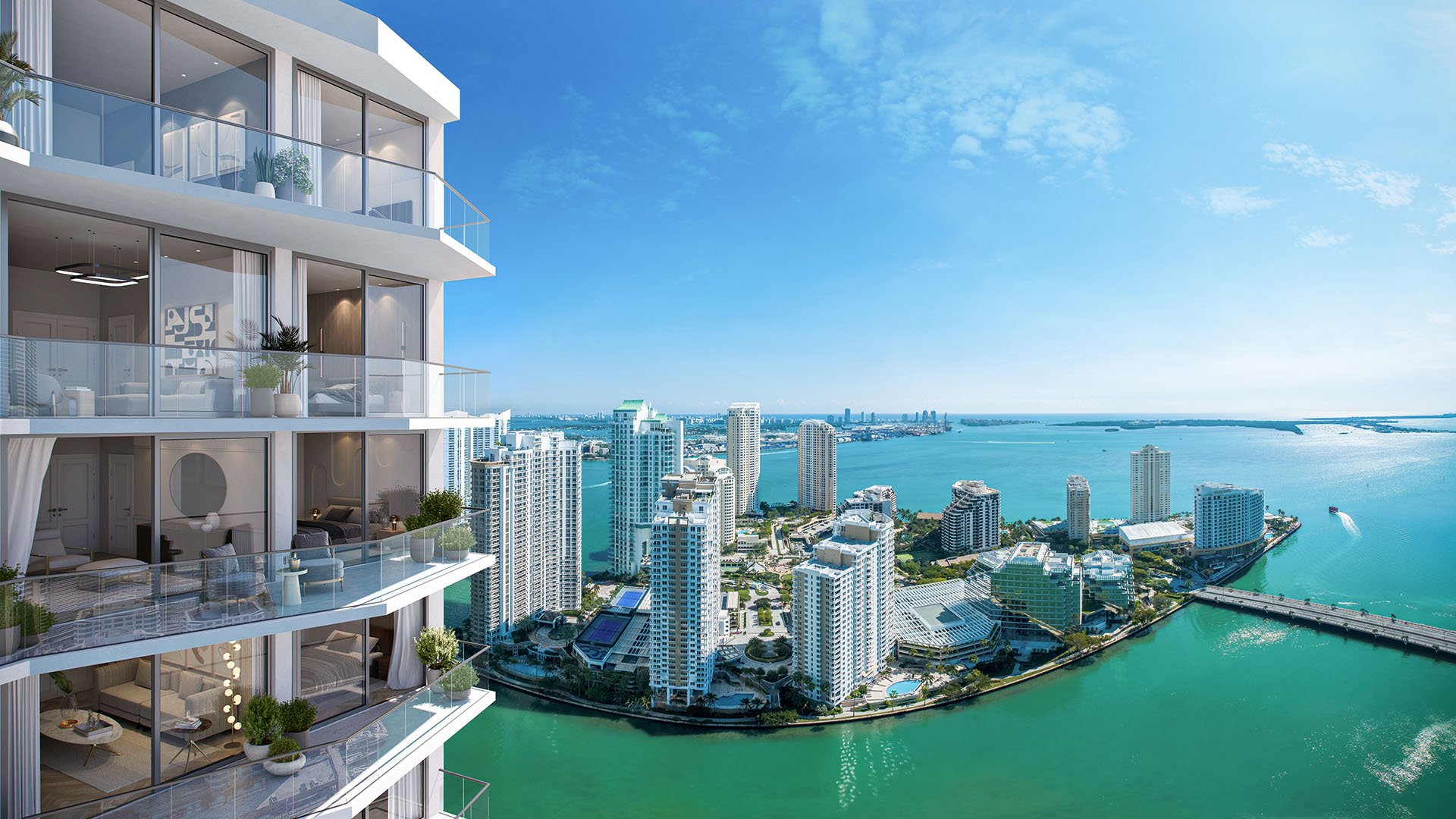
For years, the Miami condominium search followed a familiar hierarchy: water first, height second, exposure third. A direct ocean view, an open bay panorama, or the glitter of Brickell at night could quickly become the emotional center of a purchase. Those elements still matter. In South Florida, light, air, and horizon remain central to the luxury promise.
Yet sophisticated buyers are increasingly asking a quieter, more consequential question before they fall for the view: how is this building governed? In a market where ownership costs, maintenance expectations, and long-term stewardship face sharper scrutiny, governance culture has moved from background paperwork to front-line value.
A well-run condominium is not merely a legal structure. It is a living institution, with habits, memory, priorities, and discipline. The board’s tone, the association’s transparency, the quality of communication, and the willingness to maintain the property before issues become crises can influence daily life as directly as a private elevator or a sunrise terrace.
A remarkable view can create desire, but governance culture creates confidence. Buyers at the upper end of the market are not only purchasing a residence. They are buying into a shared financial and operational ecosystem. The common areas, mechanical systems, staff culture, rules, capital planning, and reserve philosophy all sit behind the private front door.
That is why the most polished apartment in a poorly managed building can feel less compelling than a slightly less theatrical residence in a disciplined association. A buyer may forgive a secondary exposure if the building communicates clearly, plans ahead, and treats owners with consistency. Conversely, a dazzling panorama can lose power when meeting minutes, budgets, or maintenance patterns suggest avoidable uncertainty.
In practical terms, governance culture shapes the lived experience. It influences how quickly repairs are handled, how rules are enforced, how owners are informed, and how future projects are anticipated. For global buyers, seasonal residents, and families managing multiple properties, that level of reliability is not administrative detail. It is part of the luxury product.
Good governance rarely announces itself with spectacle. It shows up in the details: clear records, organized financials, thoughtful meeting cadence, consistent rule enforcement, and a board that understands the difference between cost avoidance and prudent stewardship. Buyers and advisors notice whether management is responsive, whether residents feel informed, and whether the building’s physical condition aligns with the tone of its documents.
This is where the search becomes more architectural than transactional. A building has a personality. Some associations are proactive and measured. Others are reactive, opaque, or politically fractured. The difference can shape everything from renovation approvals to elevator projects to the social atmosphere in the lobby.
In Brickell, for example, the allure of the financial district skyline may bring a buyer into the conversation, but the building’s operating culture can determine whether that buyer proceeds. A residence at St. Regis® Residences Brickell may appeal to those seeking a branded urban lifestyle, yet even in the most recognizable settings, serious purchasers still study how the broader residential experience will be managed over time.
Luxury buyers often pay for discretion, access, and ease. Predictability belongs in that equation. A well-governed building gives owners a clearer sense of how decisions are made and how expenses are approached. It does not mean there will never be assessments, repairs, disagreements, or policy changes. It means the culture is less likely to surprise owners unnecessarily.
Predictability also matters for resale. The next buyer will ask many of the same questions. If a building has a reputation for disciplined oversight, transparent communication, and careful maintenance, that reputation can support confidence when a residence returns to market. If the association is perceived as disorganized, even a coveted floor plan can face hesitation.
This is especially relevant for resale buyers, who have the advantage of reading an existing building’s track record. Meeting records, budgets, owner sentiment, and visible maintenance conditions can reveal the difference between cosmetic glamour and durable stewardship. New-construction buyers face a different question: what culture is being designed from the beginning, and how will the transition from developer control to owner governance be handled?
Governance culture is not limited to one neighborhood. It matters in waterfront towers, boutique buildings, branded residences, and older established properties. The details vary by location, but the underlying question is consistent: will the association protect the asset with the same care an owner would expect inside the residence?
In Miami Beach, where architecture, lifestyle, and waterfront scarcity create powerful demand, governance can be the difference between effortless ownership and recurring friction. A buyer considering The Perigon Miami Beach may be drawn first to design and setting, but the ownership experience ultimately depends on the operating structure that supports it.
In Surfside, the conversation often carries an added seriousness because buyers tend to be particularly attentive to building condition, oversight, and long-term stewardship. At The Delmore Surfside, the appeal of a prestigious coastal address sits within a broader buyer mindset that values clarity and confidence.
In Sunny Isles, where height and oceanfront drama can dominate the first impression, governance questions help separate pure spectacle from sustainable luxury. A residence associated with The Ritz-Carlton Residences® Sunny Isles may enter the search through brand recognition and waterfront presence, but the buyer’s diligence should still include how the property is administered, maintained, and prepared for the future.
The strongest buyers do not abandon emotion. They sequence it correctly. They enjoy the terrace, study the light, and imagine the dinner parties. Then they ask the questions that protect the purchase.
How does the board communicate with owners? Are financial materials organized and understandable? Are capital needs anticipated or deferred? Does management respond promptly? Are rules applied evenly? Are major projects discussed with clarity? Does the building feel cared for beyond the model areas? Are staff members professional, stable, and empowered?
These questions are not designed to find perfection. Every condominium has trade-offs. The goal is to understand temperament. A calm, transparent building can handle complexity. A defensive or disorganized building can make even routine matters feel burdensome.
For buyers comparing waterfront privacy with urban convenience, the governance lens can also refine neighborhood decisions. A boutique Coconut Grove address such as Vita at Grove Isle may appeal for its island-like sensibility, while a vertical downtown residence may offer a different rhythm. In both cases, the question is not simply what the buyer sees from the glass. It is how the building will behave once the buyer owns within it.
The next evolution in Miami luxury may be the recognition that governance itself is an amenity. It is not as photogenic as a pool deck, nor as instantly legible as a marble lobby. But over a decade of ownership, it can be more valuable.
A strong governance culture protects serenity. It reduces avoidable confusion. It gives owners a sense that the building is being cared for in a manner consistent with the private residences inside it. It can also support a more harmonious community, where residents understand expectations and decisions feel measured rather than improvised.
This does not diminish the importance of beauty. Miami is, and will remain, a city of extraordinary views. But the most refined buyers understand that a view is a moment, while governance is a relationship. One is seen immediately. The other is felt over time.
Why would governance culture matter more than a view? A view creates emotional appeal, but governance shapes ownership quality, cost confidence, maintenance standards, and resale perception.
What is governance culture in a condo building? It is the board, management, communication style, financial discipline, rule enforcement, and long-term maintenance mindset of the association.
Should buyers still prioritize waterfront or skyline views? Yes, but the view should be evaluated alongside the building’s operating health and decision-making culture.
How can a buyer evaluate a building’s governance? Review association documents, financial materials, meeting records, maintenance history, rules, and the responsiveness of management.
Is governance more important in older buildings? It is important in every building, though established properties may offer more history for buyers to review.
Does governance affect resale value? It can influence buyer confidence, negotiation tone, and the perceived risk of owning in the building.
Are branded residences exempt from governance concerns? No. Brand, design, and service may enhance appeal, but buyers should still understand the residential association structure.
What red flags should luxury condo buyers notice? Poor communication, unclear records, deferred maintenance, inconsistent rule enforcement, and visible neglect deserve closer review.
Can a beautiful unit overcome weak governance? Sometimes, but sophisticated buyers often discount uncertainty, especially when ownership costs or building projects are unclear.
What is the ideal balance in a Miami condo search? The strongest purchase combines a compelling residence, a desirable setting, and a building culture built on transparency and care.
If you'd like a private walkthrough and a curated shortlist, connect with MILLION.
If branded residences are on your mind — as a home or as an allocation — we would be glad to share what we are seeing, privately.
Begin a quiet conversation
.jpg&width=700&height=438&fit=cover)