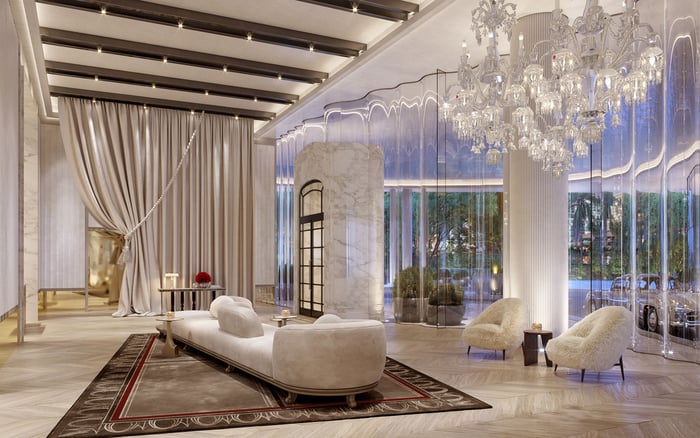
A practical editorial guide to planning art-wall lighting at Banyan Tree Residences West Palm Beach, written for owners who expect daily comfort, collection care, and polished evening atmosphere.
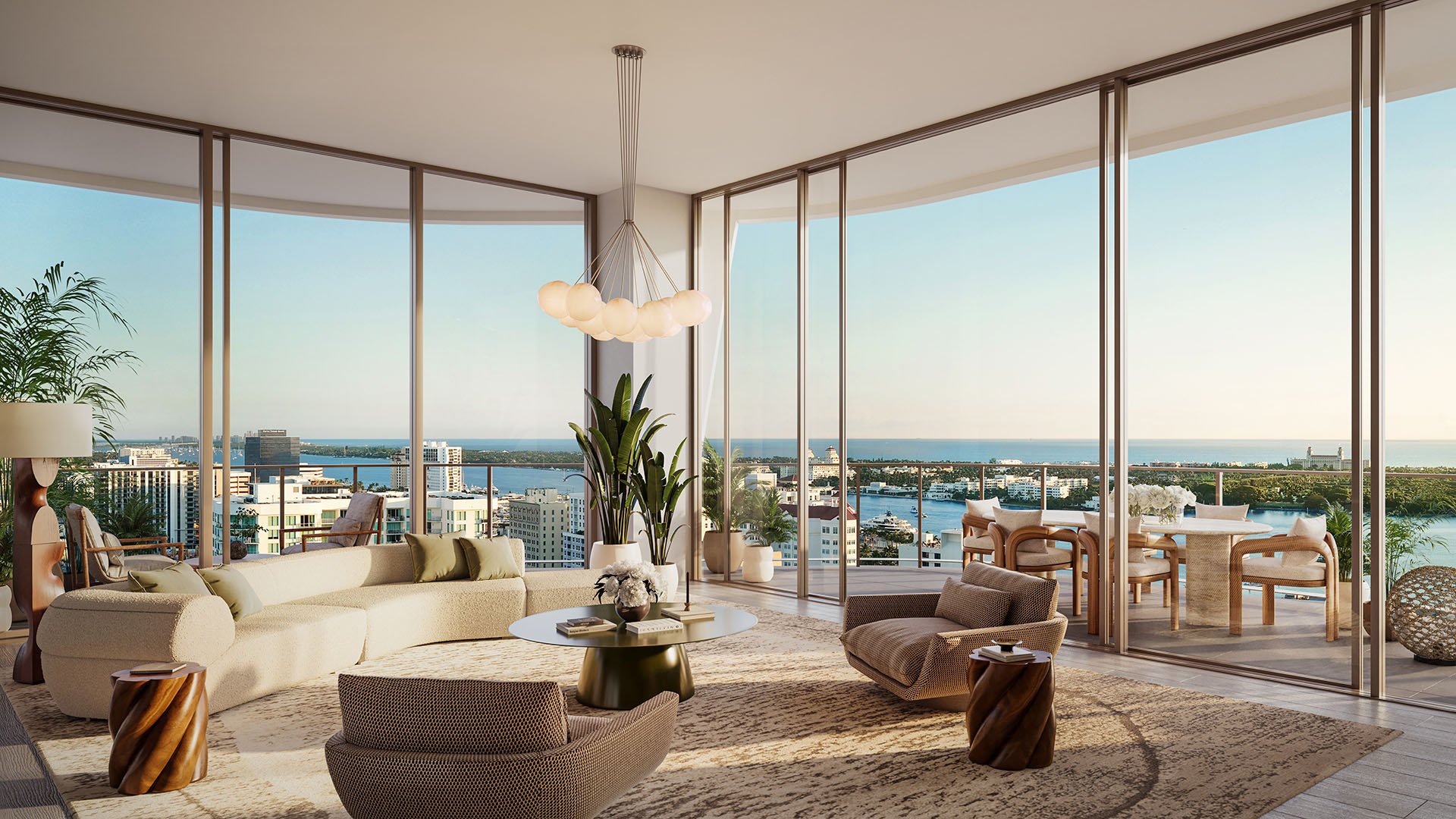
At Banyan Tree Residences West Palm Beach, the strongest interiors will not treat art-wall lighting as a finishing accessory. For full-time owners, lighting is part of the daily architecture of living: it shapes the breakfast room on a bright morning, softens a corridor after dinner, and allows a painting, sculpture, textile, or photography wall to read with quiet authority rather than theatrical glare.
The practical question is not simply whether a residence has attractive fixtures. It is whether the lighting plan supports real routines. A seasonal owner may focus on arrival impact. A full-time owner needs something more durable: consistency, adjustability, low visual noise, and a system that can evolve as art, furniture, and wall treatments change.
That is especially true in West Palm Beach, where a residence may balance strong daylight, reflective water or city views, evening entertaining, and a more relaxed private life. Buyers often define the brief in crisp terms: West Palm Beach convenience, Palm Beach polish, new-construction discipline, pre-construction flexibility, terrace evenings, and waterview calm. Art lighting sits directly inside that brief.
A refined lighting plan begins with the wall surface itself. Matte plaster, high-sheen lacquer, stone, Venetian finish, fabric panels, and standard painted drywall all respond differently to light. A fixture that flatters one finish may reveal unevenness, hot spots, or distracting shadows on another.
For owners considering Banyan Tree Residences West Palm Beach, the earliest useful exercise is to identify which walls are likely to carry permanent art and which should remain flexible. A principal salon wall may deserve integrated lighting logic from the start. A hallway gallery can benefit from careful spacing and dimming. A bedroom wall may need restraint, since art light that feels impressive at 7 p.m. can feel intrusive at 11 p.m.
Full-time living rewards restraint. The best systems do not announce themselves. They make the wall legible, reveal texture and depth, and then recede.
Art-wall lighting works best as part of a layered plan. Ambient light establishes the room’s base level. Accent light draws attention to art or architectural moments. Task light supports reading, dining, dressing, and work. When those layers are planned separately but controlled together, a residence can feel calm, precise, and highly tailored.
The most common mistake is asking accent light to solve every problem. Over-lit walls can flatten a room, create glare, and make a collection feel commercial. Under-lit walls, by contrast, can leave meaningful work feeling anonymous after sunset. The right balance often depends on where the owner stands, sits, and moves.
In a living room, consider how light appears from the main seating group and from the entry point. In a dining area, test whether art lighting competes with a chandelier or pendant. In a corridor, avoid aggressive contrast that makes the space feel like a showroom rather than a home. The objective is visual ease.
Fixtures attract attention, but controls determine whether the system is actually used. Full-time owners should think in scenes rather than switches. Morning, afternoon, dinner, late evening, entertaining, and away modes may each require a different balance of wall, ceiling, and lamp light.
Dimming should feel smooth and intuitive. If a system requires too many steps, residents and staff will default to a single setting, wasting the value of a carefully designed plan. The ideal interface is discreet, clearly labeled, and simple enough for guests to understand without explanation.
Pre-move-in coordination is critical. Lighting designers, interior designers, art advisors, electricians, and the owner’s representative should be aligned before walls are closed or specialty finishes are installed. Even when final artwork has not been selected, the likely scale and placement of future pieces can inform junction boxes, blocking, fixture apertures, and control zones.
West Palm Beach interiors often contend with intense natural brightness during the day and a more nuanced ambience at night. That transition matters. A wall that looks perfect in daylight may disappear after dusk, while a dramatic evening setting may feel excessive in the morning.
Owners comparing nearby residences such as Alba West Palm Beach, Forté on Flagler West Palm Beach, and Mr. C Residences West Palm Beach often look beyond floor plans and views to the feeling of daily use. Lighting is central to that feeling. It can make a residence read as composed rather than merely furnished.
Window treatments should be part of the same conversation. Solar shades, drapery, and privacy layers affect how art is perceived throughout the day. They also reduce the need to overcompensate with artificial light after sunset. The most elegant rooms allow daylight, shade, and electric light to share responsibility.
Many owners do not think of themselves as collectors, yet they live with meaningful works: paintings purchased over decades, family photography, works on paper, ceramics, textiles, or commissioned pieces. These objects deserve lighting that is flattering but not punishing.
Practical protection begins with selection and placement. Avoid unnecessary heat, excessive intensity, and harsh angles. Ask the design team to consider the medium of each work, the distance from the fixture, and the amount of daily exposure. If pieces are likely to rotate, plan a flexible system that can adapt without repeated construction.
A full-time residence should not feel like a conservation lab. The point is quiet competence. Proper lamp selection, dimming discipline, and thoughtful placement can support both beauty and longevity while preserving the ease of home life.
Not every wall needs museum-level treatment. In fact, the most sophisticated interiors often distinguish between primary and secondary moments. Spend on the walls that define arrival, main entertaining, principal circulation, and the owner’s most important works. Simplify in closets, secondary corridors, casual rooms, and areas where art is likely to change frequently.
The same principle applies to fixture visibility. Trimless or highly discreet solutions can be worthwhile in formal rooms, but they require exact planning. More flexible track or adjustable ceiling solutions may be appropriate where art will rotate. Decorative picture lights can add character, but they should be chosen carefully so they do not overpower the art or conflict with the architecture.
For buyers also studying The Ritz-Carlton Residences® West Palm Beach, the broader lesson is consistent: a premium residence is not defined only by branded finishes or amenity language. It is defined by how well the private rooms perform after the first impression fades.
A practical owner should ask where art walls are expected, whether ceiling conditions allow the desired fixtures, how dimming will be zoned, and whether the lighting plan accounts for both daylight and evening use. It is also worth asking how maintenance will be handled. Bulb access, driver locations, fixture compatibility, and control updates are not glamorous, but they matter over years of full-time occupancy.
If art is still being acquired, the lighting plan should allow some elasticity. If a collection is already established, document scale, medium, frame depth, and preferred placement early. The best results come when lighting is not isolated from furniture, wall finishes, window treatments, or the way people actually move through the residence.
For the ultra-premium buyer, art-wall lighting is a small subject with outsized consequences. It affects mood, resale presentation, collection care, and the daily pleasure of returning home. At Banyan Tree Residences West Palm Beach, the prudent approach is neither maximal nor minimal. It is exacting, flexible, and personal.
The right lighting plan should make a residence feel settled from the first month and adaptable for the next decade. That is the quiet mark of luxury: not a room that looks impressive once, but a home that continues to feel right.
When should an owner begin planning art-wall lighting? Begin before final wall finishes and ceiling work are set, so fixture locations, controls, and blocking can be coordinated cleanly.
Is art lighting only necessary for major collections? No. Even a small group of meaningful works benefits from controlled, flattering light that supports daily living.
Should every artwork have its own dedicated light? Not always. Some rooms work better with flexible accent lighting that can support several pieces without visual clutter.
What is the biggest lighting mistake in a full-time residence? Over-lighting is common. It can create glare, flatten the room, and make a private home feel too commercial.
Do window treatments affect art-wall lighting? Yes. Shades and drapery influence daylight, glare, privacy, and the amount of electric light needed after sunset.
Are dimmers essential for art walls? Yes. Dimming lets owners shift from daytime clarity to evening softness without changing fixtures or artwork.
Can lighting be adjusted after move-in? Some adjustments are possible, but ceiling conditions, wiring, and wall finishes are far easier to address before occupancy.
Should picture lights be used in a modern residence? They can work when chosen with restraint, but they should complement the art and architecture rather than dominate them.
How should owners think about corridors? Corridors often make excellent gallery moments, but lighting should be calm, even, and comfortable for daily circulation.
What should buyers ask their design team first? Ask which walls are primary art walls, how they will be controlled, and how the plan will adapt if the collection changes.
For a discreet conversation and a curated building-by-building shortlist, connect with MILLION.
If branded residences are on your mind — as a home or as an allocation — we would be glad to share what we are seeing, privately.
Begin a quiet conversation