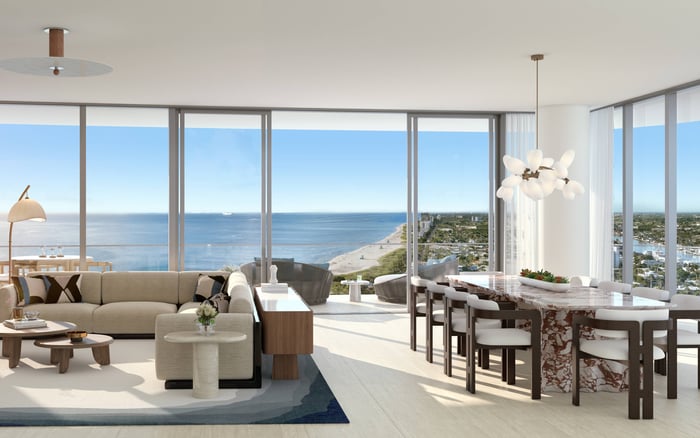
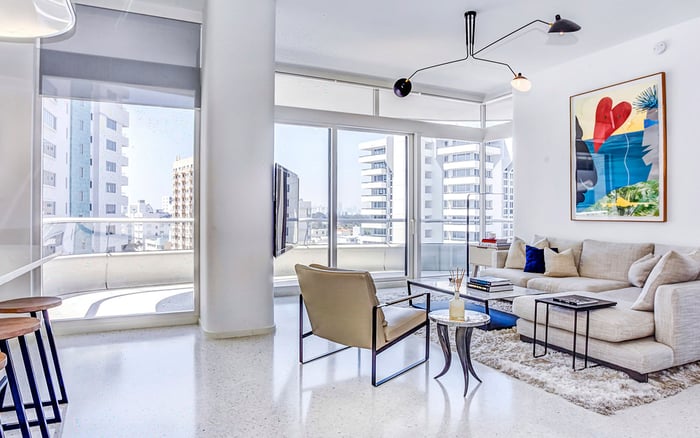
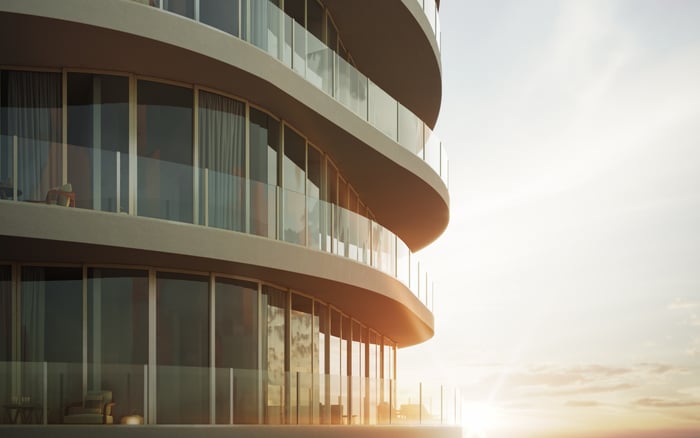
A refined buyer’s guide to evaluating balcony shade in Pompano Beach, from orientation and overhangs to floor height, glare, privacy, and long-term outdoor comfort.
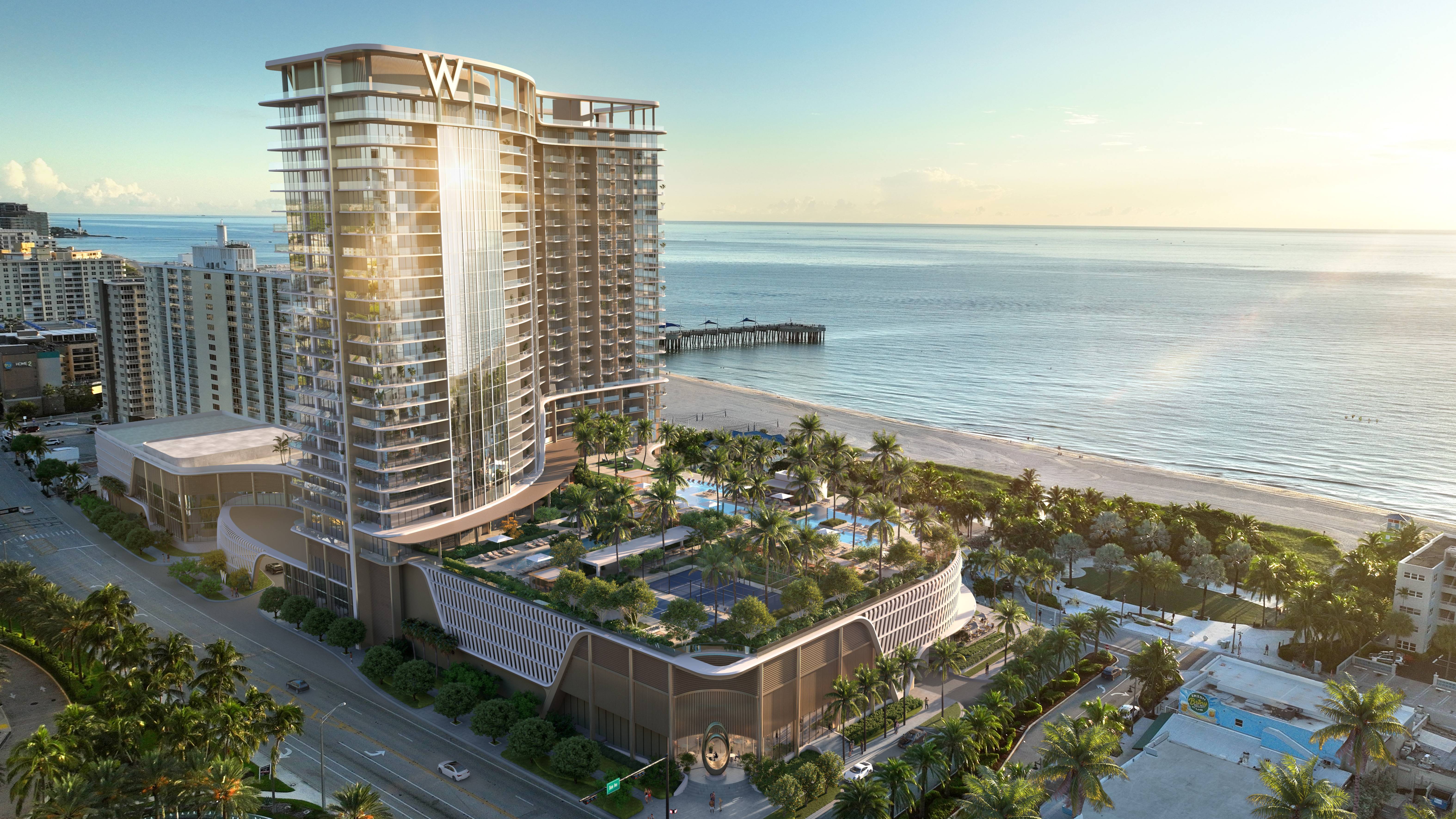
In Pompano Beach, a balcony can be the most seductive room in the residence. It frames the Atlantic, extends the living room, and turns morning coffee or evening drinks into a daily ritual. Yet for luxury buyers, the question is not merely whether the balcony is expansive, private, or scenic. The more revealing question is whether it feels comfortable at the hours you intend to use it.
Balcony shade affects heat, glare, furniture selection, planting, entertaining, and even how often the doors stay open. A beautifully proportioned terrace that is punishing at breakfast or unusable in late afternoon may become more visual than functional. Conversely, a modest balcony with thoughtful shade, softened light, and a calm exposure can feel like a private outdoor salon.
This is especially important for an oceanfront buyer, where the emotional pull of direct water views can sometimes obscure the practical reality of sun exposure. A disciplined Pompano Beach search should treat shade as part of the floor plan, not as an afterthought.
Compass direction is the first layer, not the full answer. East-facing outdoor spaces often receive brighter morning light, while western exposures can become more intense later in the day. Southern and northern exposures may vary depending on the season, the shape of the tower, and the way neighboring buildings interrupt the sun.
That is why buyers should not rely on orientation alone. The same line in two different buildings can feel entirely different because of slab depth, balcony ceiling height, tower curvature, rail material, and the distance between adjacent structures. A balcony set beneath a deeper overhang may deliver a gentler experience than one that projects outward without architectural protection.
When comparing residences such as The Ritz-Carlton Residences® Pompano Beach and Armani Casa Residences Pompano Beach, the conversation should move beyond view corridor and interior finish. Ask how the outdoor space behaves in the morning, at midday, and in the late afternoon. The most elegant residence is the one whose exterior room performs with the same intelligence as its interior.
A balcony is a small piece of a much larger facade. The tower’s profile, balcony stacking, setbacks, vertical fins, and neighboring wings all influence how light reaches the space. Deep terraces can create natural shade, but depth alone is not a guarantee. A narrow, long balcony may shade the glass doors well while leaving seating exposed. A corner balcony may deliver more drama, but it may also receive light from multiple directions.
Look at the ceiling above the balcony. A substantial overhead plane often creates a more controlled outdoor room. Study the side walls as well. Side returns can block angled sun and add privacy, while fully open edges may feel brighter and more exposed. Glass railings preserve views, but they can also produce glare depending on angle and reflection. Metal, stone, and pale flooring may amplify brightness, while warmer, matte surfaces can soften the experience.
For buyers considering Ocean 580 Pompano Beach, the same principle applies as it would anywhere along the coast: do not judge the balcony from the living room only. Step outside, sit where the dining table or chaise would go, and notice where the light actually lands.
A balcony that feels serene during a scheduled afternoon tour may behave differently at breakfast, sunset, or after a rain shower. If outdoor living is central to the purchase, request more than one viewing when possible. The goal is not simply to admire the view, but to understand the daily rhythm of the space.
Bring the exercise down to specific habits. If you imagine reading outside in the morning, test the morning light. If you host cocktails at sunset, evaluate the late-day glare. If you plan to dine outdoors, consider whether guests will be seated in shade or whether the table will need to shift through the day. The most valuable observation is often physical: do you naturally want to stay outside, or do you find yourself retreating indoors after a few minutes?
High floors may offer broader views and more open sky, but they can also feel more exposed to sun and wind. Lower floors may benefit from neighboring shade or landscaping, yet they may have different privacy considerations. Neither is inherently superior. The right answer depends on how the buyer intends to live.
Luxury buyers often assume shade can be solved later with furnishings, umbrellas, drapery, or exterior screens. Sometimes that is true, and sometimes building rules limit what may be placed on a balcony. Before signing, ask direct questions about permitted furniture, umbrella types, planters, outdoor curtains, retractable shades, lighting, and any exterior modifications.
The most refined outdoor spaces are usually planned, not improvised. If a building does not allow certain shade devices, the architecture itself becomes even more important. If planters are permitted, confirm weight, drainage, and placement rules. If umbrellas are allowed, ask whether they must be removed during high winds or storms. Practical details can shape how luxurious the balcony feels over time.
In hospitality-influenced residences such as W Pompano Beach Hotel & Residences, buyers may be especially focused on outdoor ambiance. That makes it even more important to understand the boundary between personal styling and building standards.
Shade should never be evaluated in isolation. A balcony can be perfectly shaded but too visible from an adjacent line. Another may have extraordinary sun control yet sit within a livelier acoustic environment. The ideal outdoor room balances four things: view, comfort, privacy, and usability.
Consider the relationship between shade and interior light. A deeper balcony may make the outdoor area more comfortable, but it may also reduce brightness inside the living room. For some buyers, this creates a calm, gallery-like interior. For others, it may feel less vibrant. The answer depends on taste, art placement, interior palette, and how much daylight the residence receives from other exposures.
Also consider furniture. A balcony with partial shade may be ideal if the seating zone is protected and the view edge remains open. A balcony with full afternoon exposure may still work for a buyer who mainly uses it in the morning. The point is to align the space with actual life, not with a generic checklist.
Before making an offer, stand on the balcony and answer a few practical questions. Where is the sun now, and where will it likely move? Is the seating area shaded or only the doorway? Does the railing create glare? Are there side walls or overhangs? Can the outdoor dining zone remain comfortable? Is the view better from standing height than seated height? Can you talk easily, or are you competing with wind and sound?
Then compare those answers across properties, not as abstractions but as lived scenarios. The right balcony may be the one where you can linger after a swim, take a call without squinting, and host a quiet dinner without rearranging furniture around the sun. In the Pompano Beach market, that kind of comfort is not incidental. It is part of the residence’s real luxury.
What is the first thing to check when comparing balcony shade? Start with orientation, then confirm the actual experience by standing or sitting on the balcony at the time of day you expect to use it.
Is an east-facing balcony always better in Pompano Beach? Not always. Morning light can be appealing, but overhangs, railings, tower shape, and neighboring buildings can matter just as much.
Do deeper balconies always provide better shade? They often help, but depth is only one factor. Ceiling height, side walls, exposure, and the seating layout also affect comfort.
Should I tour the same residence more than once? If balcony use is important, yes. A second visit at a different hour can reveal glare, heat, wind, and privacy conditions.
Can I add umbrellas or outdoor shades after closing? Possibly, but building rules may restrict exterior additions. Confirm what is allowed before assuming you can modify the balcony.
How does floor height affect balcony shade? Higher floors may feel more open and exposed, while lower floors may receive shade from nearby structures or landscaping.
What role do glass railings play? Glass railings preserve views, but they can also create glare. Sit down and evaluate the view and brightness from actual seating height.
Is shade more important than the view? Neither should dominate completely. The strongest balcony balances view, comfort, privacy, and daily usability.
How should I compare two similar residences? Use the same time-of-day test for each one. Compare where the sun falls, where furniture would sit, and how long you want to remain outside.
What is the best sign that a balcony will live well? You should feel comfortable lingering without immediately searching for shade, moving furniture, or retreating indoors.
If you'd like a private walkthrough and a curated shortlist, connect with MILLION.
If branded residences are on your mind — as a home or as an allocation — we would be glad to share what we are seeing, privately.
Begin a quiet conversation