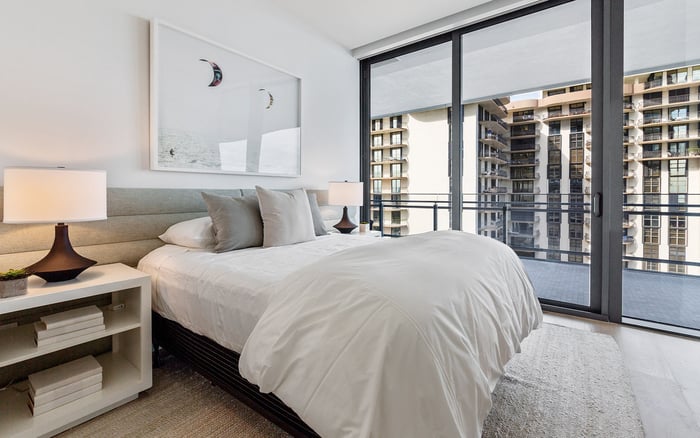
A discreet buyer guide to seasonal-use management at Eighty Seven Park, focused on absentee ownership, oceanfront maintenance, terrace care, and pre-closing diligence.
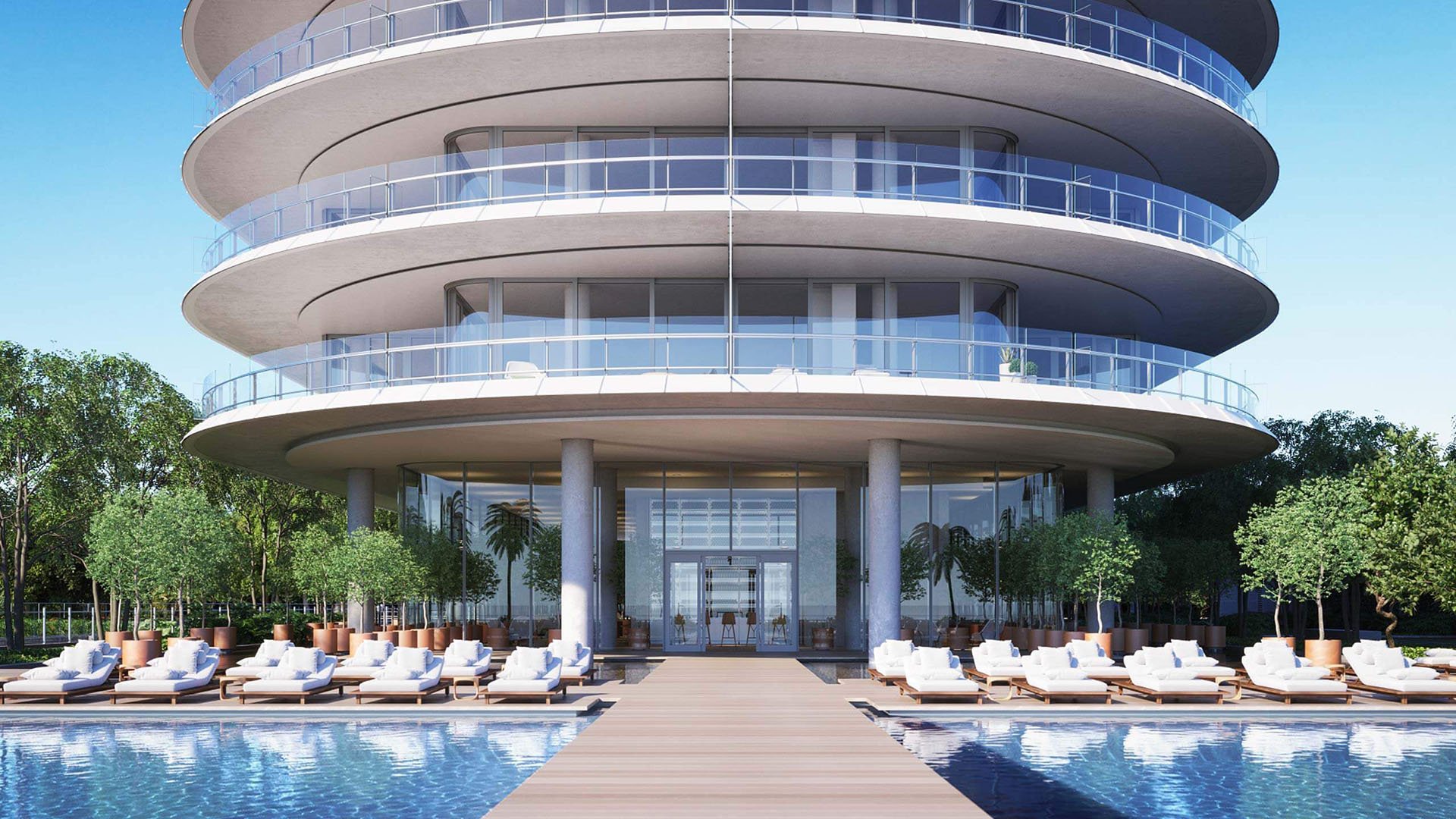
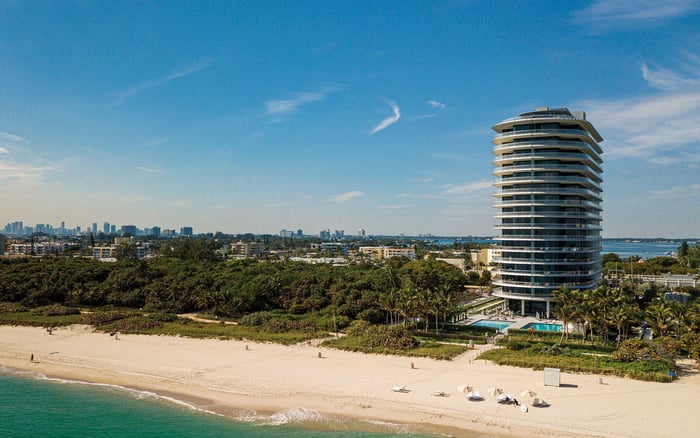
Seasonal ownership in South Florida is rarely just about selecting the right residence. It is about creating the right operating rhythm for the months when the home is not in use. At Eighty Seven Park Surfside, that discipline matters because the condominium occupies an oceanfront position at 8701 Collins Avenue in Miami Beach, near Surfside, with direct beach access and a setting beside North Shore Open Space Park.
The building’s appeal is deliberately quiet: a luxury oceanfront condominium associated with Renzo Piano Building Workshop, positioned closer to a low-density private residential experience than a high-density resort-hotel product. For seasonal buyers, that distinction is important. A residence designed for expansive indoor-outdoor living can feel effortless in January, yet require precise management in August, September, and every week in between.
This is where the purchase decision becomes operational. The best seasonal owners treat absentee-use planning as part of acquisition diligence, not as a loose item to arrange after closing. HVAC schedules, terrace furniture, humidity control, storm preparation, vendor access, deliveries, and guest protocols all shape the ownership experience as much as the view.
Eighty Seven Park sits at the northern end of Miami Beach, between the more active districts to the south and the quieter Surfside and Bal Harbour luxury corridor to the north. Its adjacency to North Shore Open Space Park gives it a rare park-and-beach character, especially among beachfront towers. That setting is central to its lifestyle proposition, but it also reinforces the need for thoughtful stewardship.
Oceanfront homes live in a different climate. Salt air, high humidity, direct sun, wind, and seasonal storms place demands on exterior doors, terrace surfaces, furnishings, glazing, mechanical systems, and fine interior finishes. In a primary home, owners often notice small changes quickly. In a seasonal home, those details can remain unseen unless inspections and maintenance routines are scheduled in advance.
Buyers comparing the corridor may see a similar emphasis on privacy and design at Arte Surfside or a heritage-inflected beachfront experience at The Surf Club Four Seasons Surfside. Eighty Seven Park’s differentiator is its immediate relationship to both beach and parkland, which appeals to owners seeking a quieter seasonal base without giving up access to Miami Beach, Surfside, and Bal Harbour amenities.
Before closing, a seasonal buyer should review the condominium’s governing documents and management procedures with the same seriousness given to floor plan, exposure, and finishes. The key questions are practical: how vendors are approved, how deliveries are handled, what rules govern guest access, and what must be done before hurricane season or an extended vacancy.
Rental policy deserves particular attention. Some owners may have no intention of renting, but rules around leases, minimum stays, application procedures, and guest occupancy can still affect flexibility. The issue is not only income potential. It is control, privacy, security, and the ability to accommodate family or trusted guests when the owner is abroad or at another residence.
In-unit maintenance should also be clarified. Seasonal buyers need to understand who may enter the residence, how access is documented, whether building procedures require advance notice, and how emergency situations are handled. A luxury condominium can provide a refined living framework, but each owner remains responsible for establishing the systems that protect the home during absence.
Oceanfront seasonal ownership begins with climate control. Air-conditioning should not be treated as an on-off convenience. It is part of the preservation strategy for flooring, cabinetry, art, upholstery, millwork, closets, and appliances. Humidity can affect even the most beautiful residence when a home is closed for long periods.
Owners should establish a written plan for temperature settings, humidity targets, filter changes, system checks, and post-storm inspections. This plan should be coordinated with any building requirements and with a trusted representative who can enter the residence when appropriate. The goal is not complexity. The goal is consistency.
For buyers also considering Miami Beach oceanfront alternatives such as 57 Ocean Miami Beach or The Perigon Miami Beach, the same principle applies: beachfront ownership rewards beauty, but it also rewards vigilance. The more terrace-oriented and finish-driven the home, the more important routine care becomes.
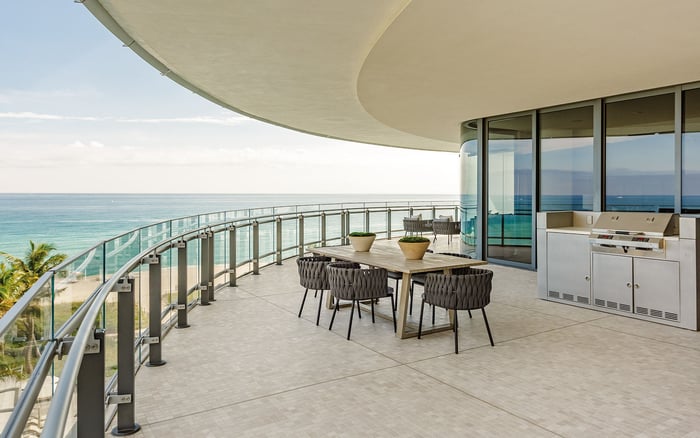
Terrace living is one of the defining pleasures of Eighty Seven Park. The condominium emphasizes expansive residences and outdoor living, including large terrace-oriented layouts. For a seasonal owner, however, the terrace is not simply an entertaining area. It is an exterior room exposed to the full rhythm of the coast.
Furniture, planters, outdoor fabrics, drainage, lighting, sliding-door tracks, and glass railings should be incorporated into the maintenance calendar. Before storm season, owners should understand what must be secured, what may remain outside, and what the condominium requires of residents who are away. After long absences, terrace inspections should be completed before guests arrive.
The most elegant seasonal homes are often the ones with the least visible effort. Cushions are dry, doors operate smoothly, drains are clear, finishes are protected, and the first evening back feels composed rather than administrative. That result is planned well before the season begins.
Seasonal-use management also requires calendar awareness. In prime beachfront Miami Beach locations, occupancy patterns, staffing needs, vendor availability, and service demand can fluctuate between peak winter months and quieter periods. The owner who waits until arrival week to schedule inspections, deep cleaning, repairs, or deliveries may find that the best vendors are already committed.
A practical annual rhythm helps. Pre-arrival checks should occur before the owner lands. Mid-absence inspections should continue during the off-season. Pre-storm protocols should be confirmed before tropical weather becomes urgent. Post-departure procedures should include security, climate settings, terrace review, refrigerator and pantry decisions, and confirmation of who holds keys or access credentials.
This level of planning has investment and resale implications. Buyers in the ultra-luxury segment notice homes that have been preserved with discipline. A well-maintained seasonal residence typically shows better, operates more confidently, and avoids the subtle wear that can accumulate when an oceanfront home is left unattended.
The most valuable questions are direct. What are the rental and guest rules? How are vendors cleared? What is the hurricane preparation protocol? How are deliveries handled when the owner is away? What in-unit maintenance is permitted, and under what notice requirements? How does the building communicate with absentee owners during peak season or storm events?
A buyer should also ask how the residence itself will be managed. Who will perform regular walk-throughs? How often will HVAC performance be checked? What happens after heavy rain or high winds? Who confirms that terrace drains are clear and exterior items are secure? Who documents the condition of the home after each visit?
Eighty Seven Park’s quiet luxury lies in its balance: beach, park, design pedigree, and proximity to Surfside and Bal Harbour. Seasonal ownership preserves that balance by turning a second home into a managed asset, a private retreat, and a residence ready to receive its owner without friction.
Is Eighty Seven Park located in Surfside? It is located at 8701 Collins Avenue in Miami Beach, near Surfside, and is commonly discussed within the northern Miami Beach and Surfside luxury corridor.
Why is seasonal-use management important at Eighty Seven Park? Oceanfront exposure, luxury finishes, HVAC systems, and large outdoor areas require oversight when a residence is vacant for extended periods.
What should buyers verify before closing? Buyers should verify rules for rentals, guest access, vendors, deliveries, hurricane preparation, and in-unit maintenance.
Does the building’s park-adjacent setting matter for seasonal buyers? Yes. The adjacency to North Shore Open Space Park adds quiet and openness, while still requiring the same coastal maintenance discipline as other beachfront homes.
How should owners think about humidity? Humidity should be managed through consistent HVAC settings, inspections, and maintenance routines, especially when the home is closed for weeks or months.
Are terraces a major maintenance consideration? Yes. Terrace furniture, drainage, surfaces, door tracks, and storm preparation should be part of the owner’s seasonal plan.
Should a buyer assume short-term rentals are allowed? No. Rental rules should be reviewed in the condominium documents before purchase, including any limits on lease terms or guest occupancy.
What makes the location appealing for seasonal use? The setting offers direct beach access, public parkland nearby, and proximity to Surfside, Bal Harbour, and broader Miami Beach amenities.
Can seasonal ownership affect resale value? It can affect presentation and buyer confidence, especially when the residence has been carefully maintained during periods of vacancy.
What is the first step for a seasonal buyer? Start by pairing residence selection with an absentee-owner management plan that addresses access, inspections, climate control, and storm readiness.
If you'd like a private walkthrough and a curated shortlist, connect with MILLION.
If branded residences are on your mind — as a home or as an allocation — we would be glad to share what we are seeing, privately.
Begin a quiet conversation