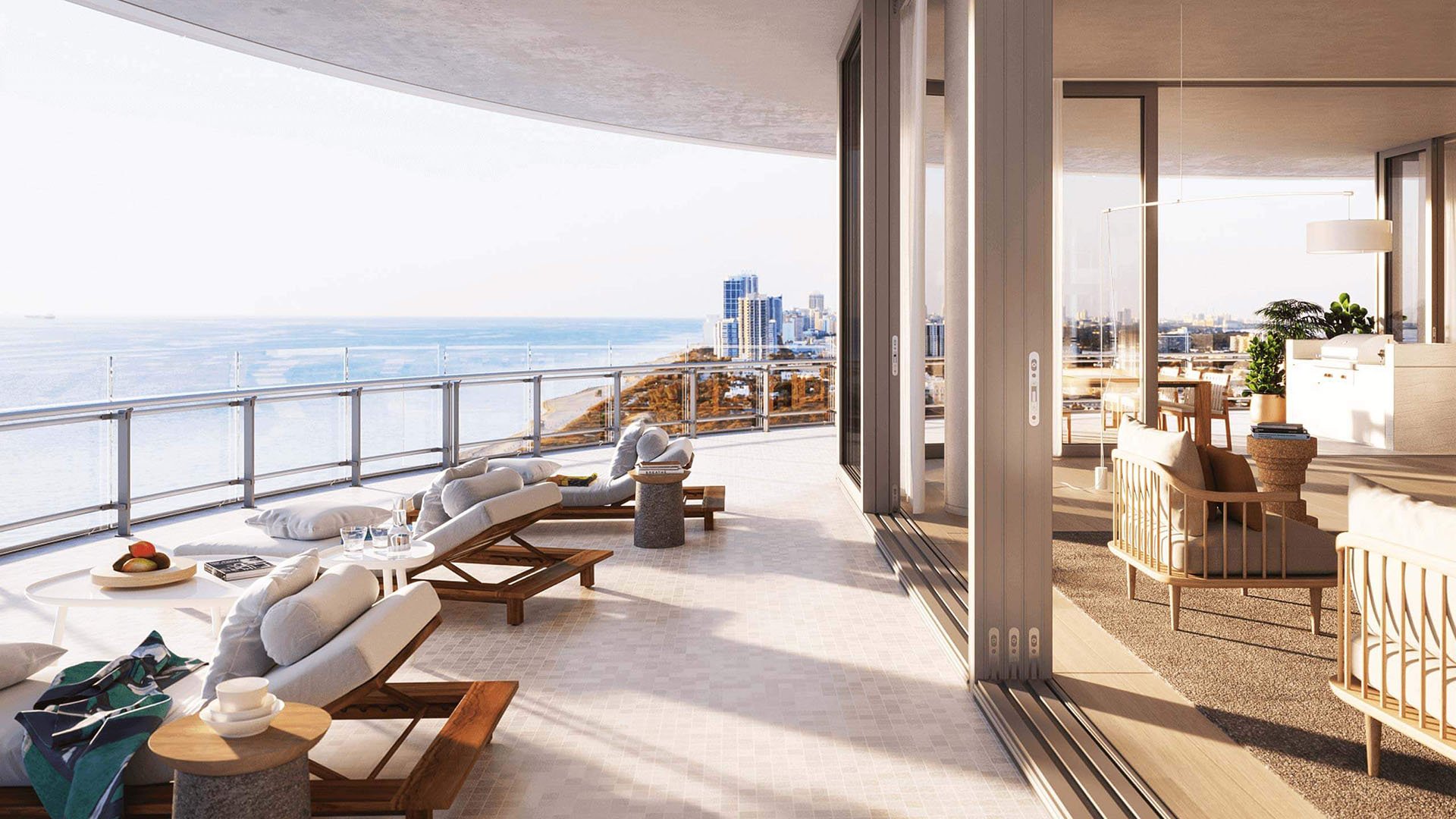
The Delmore Surfside vs Eighty Seven Park Surfside: Choosing Between Penthouse Scale, Roof Rights, and Wind-Protected Outdoor Rooms Without Being Distracted by Branding
A discreet buyer’s framework for comparing The Delmore Surfside and Eighty Seven Park Surfside through penthouse scale, roof rights, terrace usability, and the practical value of wind-protected outdoor rooms.
The Penthouse Buyer's Checklist for Shaded Dining Terraces in South Florida
A practical, design-led checklist for evaluating shaded dining terraces in South Florida penthouses, with attention to orientation, comfort, privacy, service flow, finishes, and long-term livability.
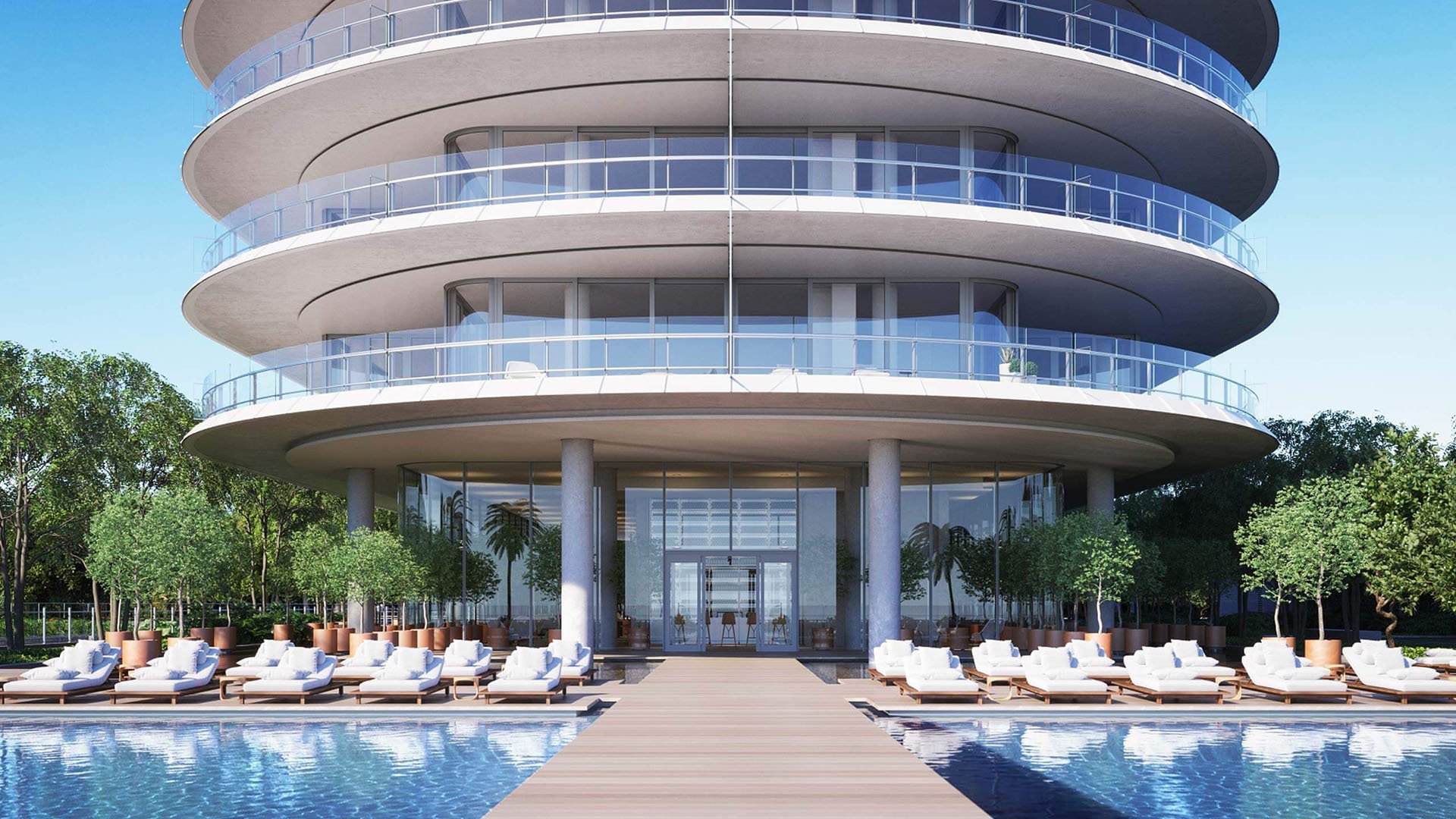
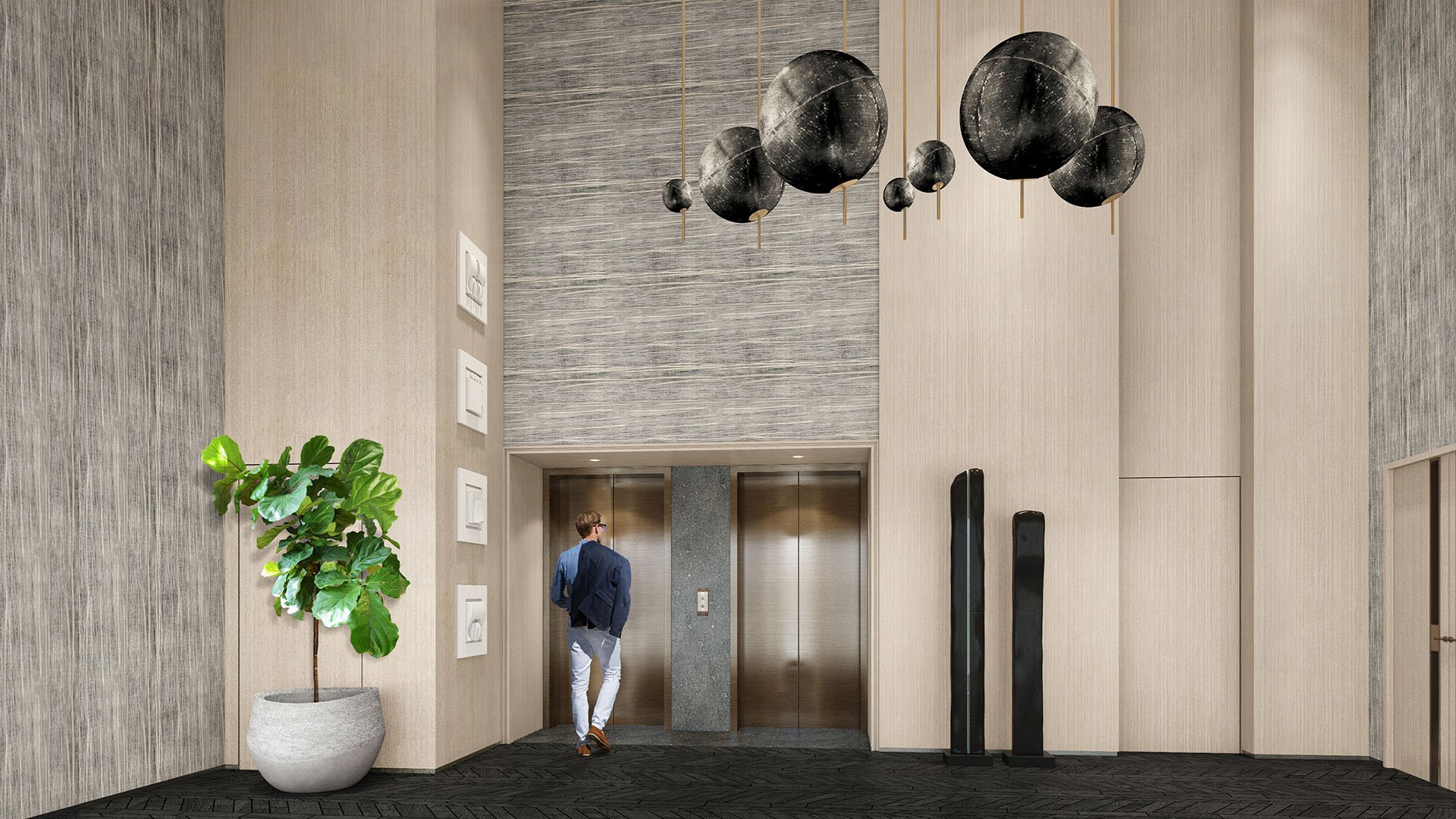
Eighty Seven Park Surfside: How to Evaluate Arrival Privacy for Privacy, Service, and Resale
A buyer-focused guide to evaluating arrival privacy at Eighty Seven Park Surfside through discretion, service choreography, and long-term resale appeal.
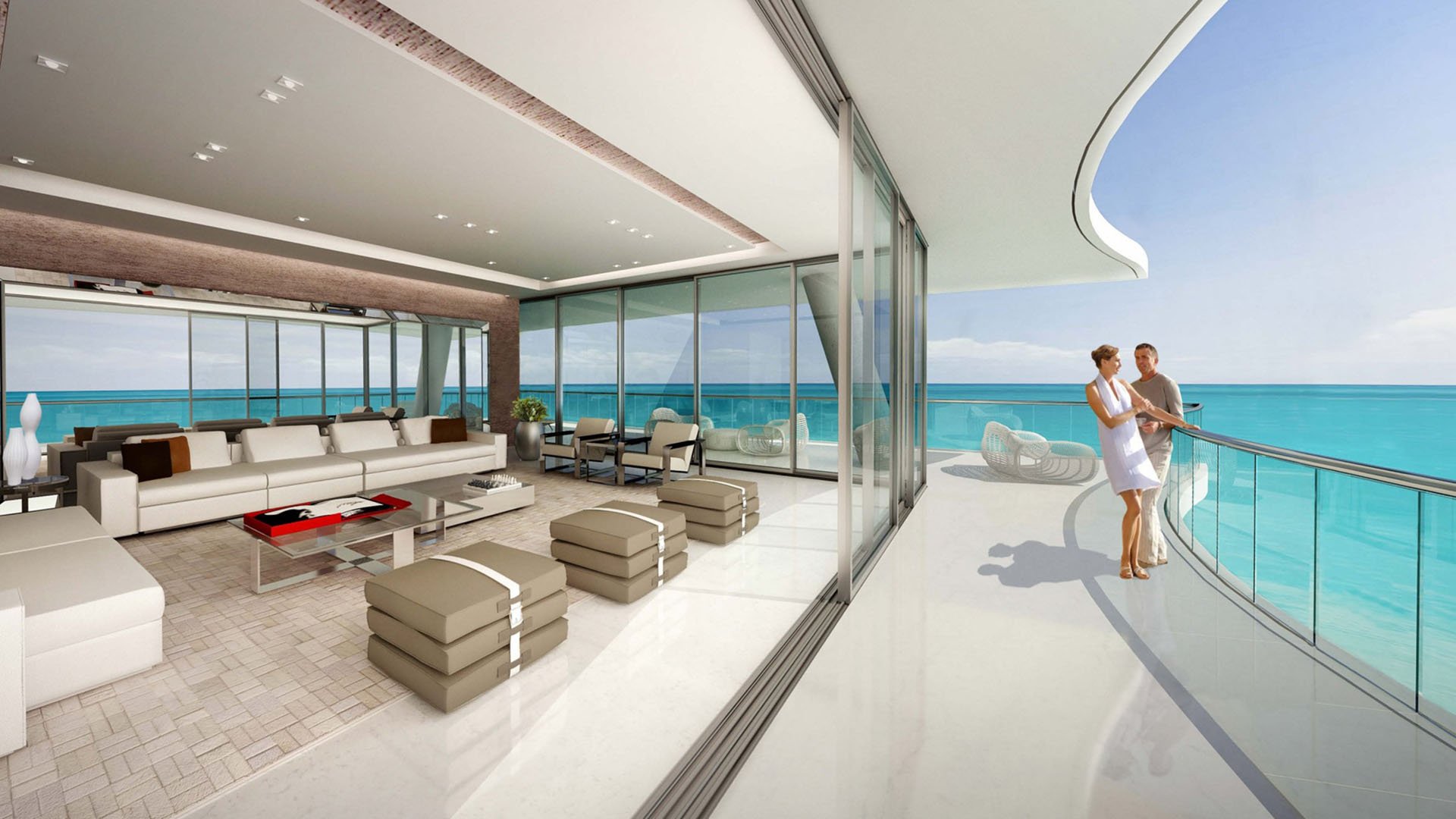
Why Surfside Appeals to Buyers Who Need Technology That Disappears into the Architecture
Surfside speaks to a specific kind of luxury buyer: one who wants intelligent living without visible complication. In this market, the best technology is felt through silence, comfort, security and ease, while the architecture remains the main event.
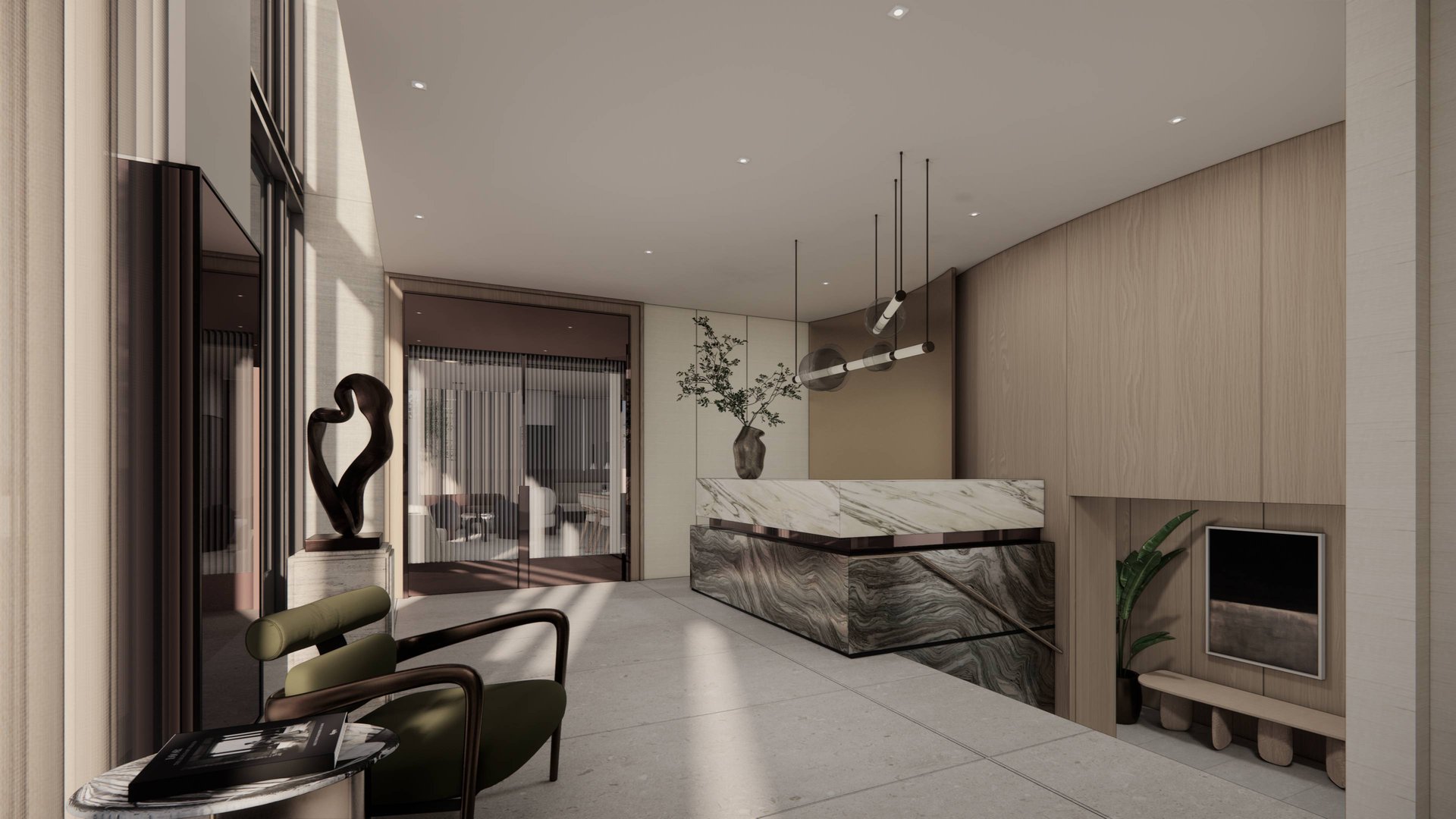
Alana Bay Harbor Islands vs Auberge Beach Residences & Spa Fort Lauderdale: Comparing Club Access, Private Amenities, and Everyday Neighborhood Rhythm Before the Sales Gallery Wins
A buyer-focused comparison of Alana Bay Harbor Islands and Auberge Beach Residences & Spa Fort Lauderdale, centered on the real-life difference between quiet island convenience and branded oceanfront resort living.
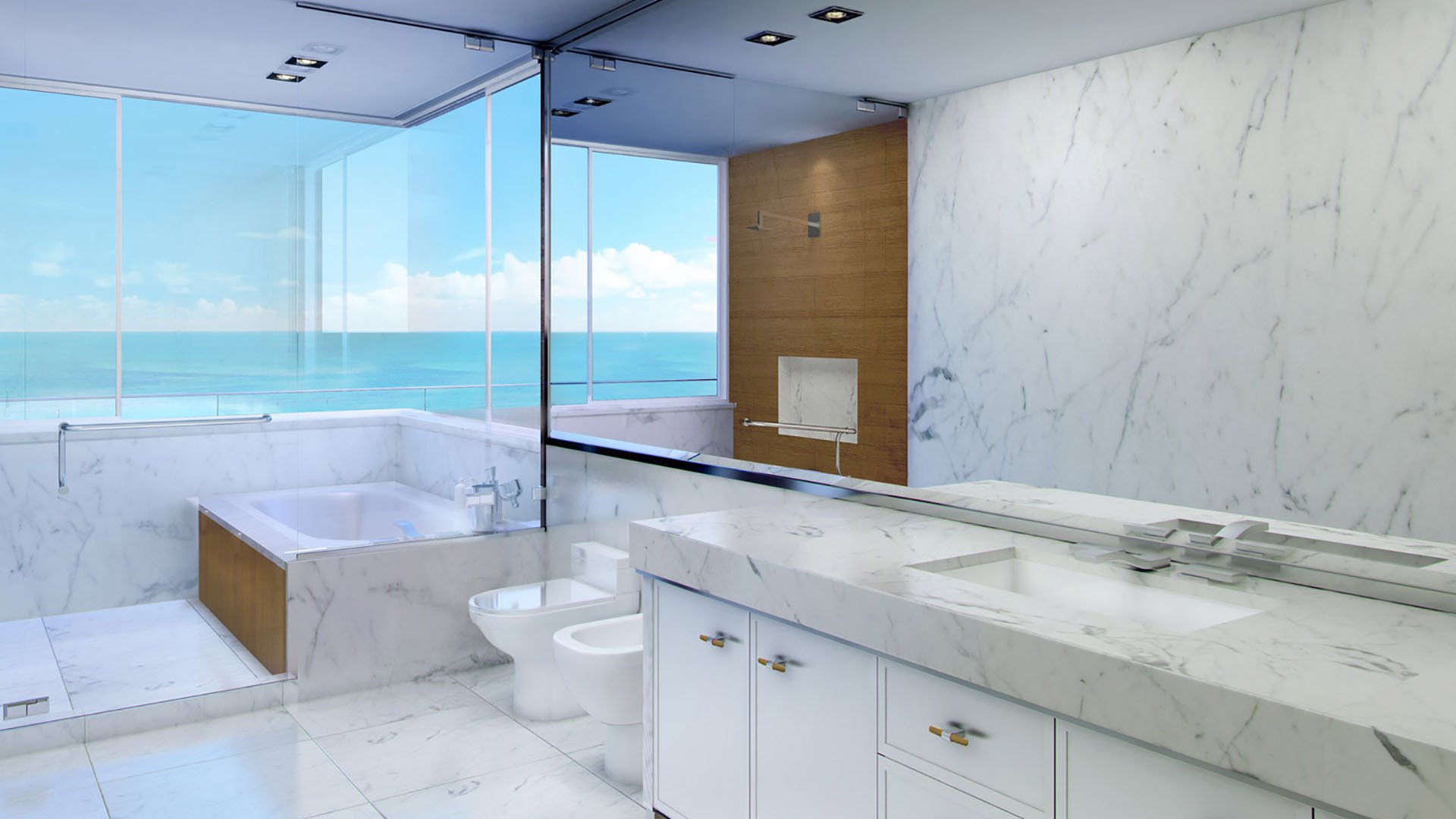
Fendi Château Residences Surfside: What to Verify Beyond the Rendering When It Comes to Utility-Room Depth
A discreet buyer’s guide to evaluating utility-room depth at Fendi Château Residences Surfside, with a focus on clear usable depth, systems, appliances, storage, door swings, and the practical luxury of back-of-house planning.