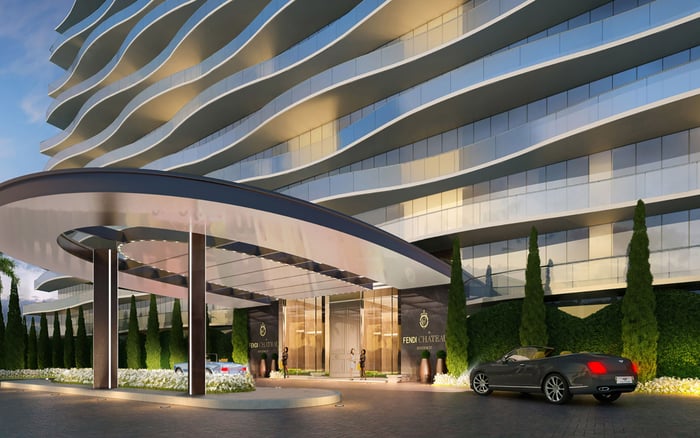
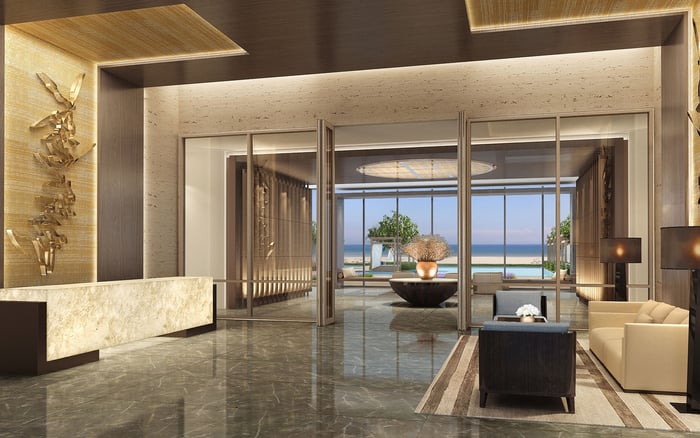
Surfside speaks to a specific kind of luxury buyer: one who wants intelligent living without visible complication. In this market, the best technology is felt through silence, comfort, security and ease, while the architecture remains the main event.
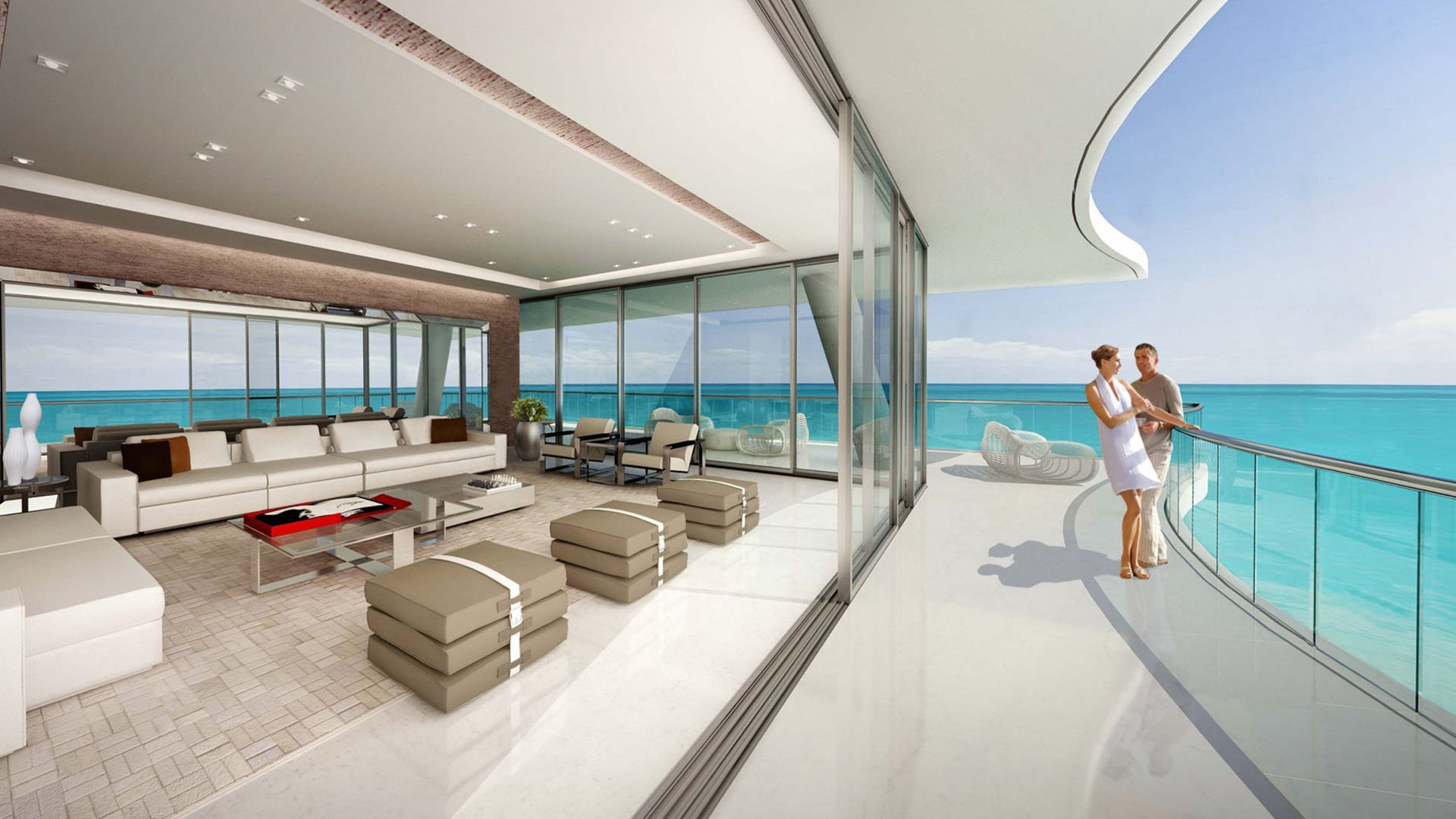
For a certain Surfside buyer, technology is not the spectacle. It is the composure. The most desirable residence does not announce its systems with glowing panels, visible devices and competing controls. It lets the architecture lead, then supports daily life so smoothly that comfort feels almost ambient.
That preference is especially relevant in Surfside, where luxury is often read through proportion, privacy, materials and restraint. The buyer drawn here is rarely looking for a home that behaves like a showroom for gadgets. They want lighting, climate, security, acoustics, access and shading to work together without disturbing the visual calm of the room.
This is why Surfside has become such a compelling lens for a broader shift in high-end residential expectations. The conversation is no longer simply about whether a home is smart. It is about whether its intelligence has been absorbed into the walls, ceilings, glazing, millwork and circulation of the residence.
Visible technology can age quickly. Architecture, when handled well, does not. Buyers at the upper end of the market understand that a residence’s value depends in part on how gracefully it can adapt without looking temporary. A home filled with conspicuous hardware may feel current for a season, then dated when tastes or platforms change.
Discreet technology solves a different problem. It allows a home to remain elegant while its systems support modern routines. A room can shift from morning brightness to evening warmth. Mechanical systems can create comfort without drawing attention. Entry sequences can feel secure without feeling institutional. Entertainment can be present without turning the main living area into an equipment display.
That is the luxury of omission. The buyer does not want to see every decision. They want to feel that the residence has anticipated them.
The most refined smart residence begins with an architectural hierarchy. Sightlines, ceiling heights, window walls, terraces, cabinetry and art walls should define the experience of the home. Technology should then be integrated into that plan, rather than layered over it after the fact.
In Surfside, this matters because buyers often respond to the softness of the coastal setting and the intimacy of the built environment. A carelessly placed control screen can disrupt a wall of stone or wood. A visible speaker can weaken a minimalist ceiling plane. A poorly positioned sensor can make a serene corridor feel like a utility zone.
That is why the best integrations are nearly invisible. Keypads are simplified. Lighting scenes are programmed around real habits, not novelty. Shade pockets are coordinated with ceiling details. Network infrastructure is planned so the home works reliably without requiring equipment to intrude into daily spaces.
Projects such as Arte Surfside sit naturally within this buyer conversation because their appeal is connected to architecture as an experience, not merely to a checklist of features. For the discreet buyer, the question is not whether technology exists. It is whether it respects the design.
For high-net-worth buyers, privacy is not a single amenity. It is a layered condition. It includes how one arrives, how one moves through the building, how visible the residence feels from neighboring spaces, how sound is managed and how digital systems are controlled.
This is where invisible technology becomes more than an aesthetic preference. It becomes part of personal security and domestic ease. A residence that can manage access, lighting, climate and monitoring without making the owner feel watched by their own home has a different emotional quality. It feels protected, not performed.
Surfside appeals to buyers who want that distinction. The goal is not to live inside a command center. The goal is to have confidence that the property is responsive, private and orderly while remaining warm and residential.
The same buyer may compare the mood of Eighty Seven Park Surfside with the tailored language of other Surfside residences, looking less for visible technology and more for the feeling that systems, services and spaces have been choreographed with restraint.
Oceanfront living places a premium on comfort. Light, glare, temperature, humidity, outdoor exposure and interior finishes all influence how a residence feels throughout the day. The most sophisticated homes respond to those conditions without asking the owner to constantly intervene.
In an oceanfront residence, disappearing technology can mean motorized shading that protects calm interiors, lighting that flatters materials after sunset, climate systems that maintain comfort without noise, and entertainment that appears only when invited. The point is not automation for its own sake. It is continuity.
The buyer who prefers Surfside often wants the sea, the terrace and the interior to feel connected rather than technologically mediated. Glass should feel like architecture, not a boundary requiring constant management. Terraces should support a relaxed ritual, not a complicated operating sequence. Rooms should transition from family use to hosting with minimal visible adjustment.
Residences such as Fendi Château Residences Surfside are part of the local vocabulary of highly designed coastal living, where the luxury buyer expects finishes, furnishings and systems to feel visually aligned rather than assembled from unrelated parts.
Ultra-modern once suggested a visible language of control: screens, chrome, glass, theatrical lighting and the drama of novelty. Today, the most informed buyer often asks for the opposite. They want performance without the aesthetic noise.
That shift is important in Surfside because the market rewards nuance. A residence can be technologically advanced and still feel soft, quiet and deeply livable. In fact, that may be the more sophisticated version of modernity. The home knows what to do, but it does not insist on being praised for doing it.
This has changed how buyers evaluate floor plans and finishes. They look for places where technology can be concealed inside architectural elements. They ask whether primary suites can remain restful. They notice whether kitchen lighting can support both preparation and evening atmosphere. They care whether media, sound and connectivity are integrated without compromising the main design gestures.
At The Delmore Surfside, as in other high-profile Surfside discussions, the strongest appeal for this buyer is the possibility of living with contemporary performance while preserving an atmosphere of composure.
A buyer who wants technology to disappear should evaluate a residence differently. The tour should not be limited to views, finishes and amenity spaces. It should also consider the invisible logic of the home.
Notice how many controls are required to use the residence comfortably. Look at whether keypads, outlets, vents, speakers and access points have been located with care. Consider whether lighting scenes feel natural or overly theatrical. Ask whether the home can be easily updated as systems evolve. Pay attention to mechanical sound, equipment locations and how the home behaves at different times of day.
The ideal answer is not a residence with no visible controls at all. It is a residence where the controls that remain are intuitive, minimal and consistent with the architecture. A beautifully detailed wall should not be interrupted by technical clutter. A primary suite should not require a manual to feel restful. A terrace should not need a sequence of commands to become usable.
For many Surfside buyers, this is the difference between a home that is merely expensive and one that is genuinely resolved.
Surfside appeals because it supports a quieter idea of luxury. The buyer is often seeking refinement rather than display, a residence that can host gracefully, retreat completely and operate with precision in the background.
That is why invisible technology feels so aligned with the area. It allows the home to be contemporary without becoming cold, secure without becoming severe, and convenient without becoming visually busy. In the best residences, the owner experiences the benefit of intelligence through atmosphere: the room is comfortable, the light is right, the entry is smooth, the terrace is ready, and nothing demands attention unless it is needed.
This is the standard that increasingly defines the upper edge of the market. Technology has not become less important. It has become more disciplined.
Why do Surfside buyers care about invisible technology? They often value calm, privacy and architectural refinement, so technology is most desirable when it improves daily life without dominating the space.
Does invisible technology mean fewer smart-home features? No. It usually means the systems are better integrated, with simplified controls and less visual clutter.
What systems should feel discreet in a luxury residence? Lighting, climate, shading, security, audio, access and connectivity should all support the home without interrupting the design.
Is this preference only about aesthetics? No. It also relates to privacy, ease of use, long-term adaptability and the emotional comfort of the residence.
What should buyers inspect during a showing? They should look at keypad placement, ceiling details, equipment visibility, lighting quality, mechanical sound and overall ease of operation.
Can an older residence be upgraded this way? Sometimes, but the most seamless results usually come when technology and architecture are planned together from the beginning.
Why is lighting so important in this conversation? Lighting shapes mood, materiality and daily rhythm, making it one of the most noticeable forms of invisible technology.
How does privacy connect to smart-home design? Good systems manage access and comfort without making the residence feel monitored, exposed or overly controlled.
Is Ultra-modern design still appealing in Surfside? Yes, especially when it is subtle, warm and integrated rather than visually dominated by devices and screens.
What defines the best technology in a Surfside residence? The best technology is reliable, quiet and intuitive, allowing the architecture and lifestyle to remain the focus.
To compare the best-fit options with clarity, connect with MILLION.
If branded residences are on your mind — as a home or as an allocation — we would be glad to share what we are seeing, privately.
Begin a quiet conversation