Assessing the Footprint of Primary Suite Wellness Sanctuaries at The Perigon Miami Beach
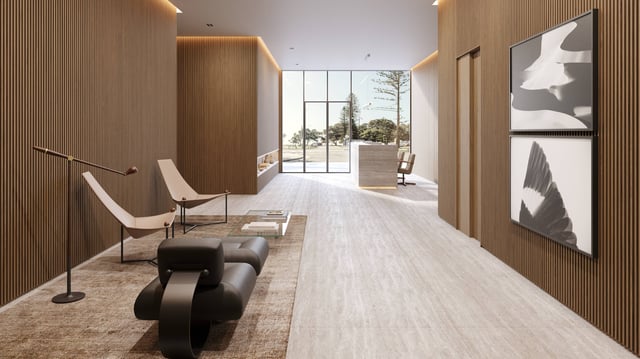
At Miami Beach’s highest end, wellness is no longer confined to the spa. It is increasingly designed into the private realm, with the primary suite evolving into a quiet, performance-oriented sanctuary. This editorial examines what that shift means for buyers evaluating The Perigon Miami Beach, and how to pressure-test “wellness” as livable value rather than marketing language.

Evaluating the Efficiency of Hurricane-Impact Sliding Glass Doors at The Delmore Surfside
In Surfside, the sliding glass door is not a decorative afterthought. It is a primary building-envelope decision that determines comfort, durability, insurance posture, and day-to-day livability. This editorial examines what “efficiency” really means for hurricane-impact sliding glass doors in a luxury coastal residence and how a buyer can evaluate performance without relying on marketing shorthand. Rather than assume a single metric, we break efficiency into four buyer-relevant categories: storm resilience, air and water management, acoustic calm, and operational longevity. We also outline practical questions to ask during a purchase process and what to look for in drawings, specifications, and mockups when available.

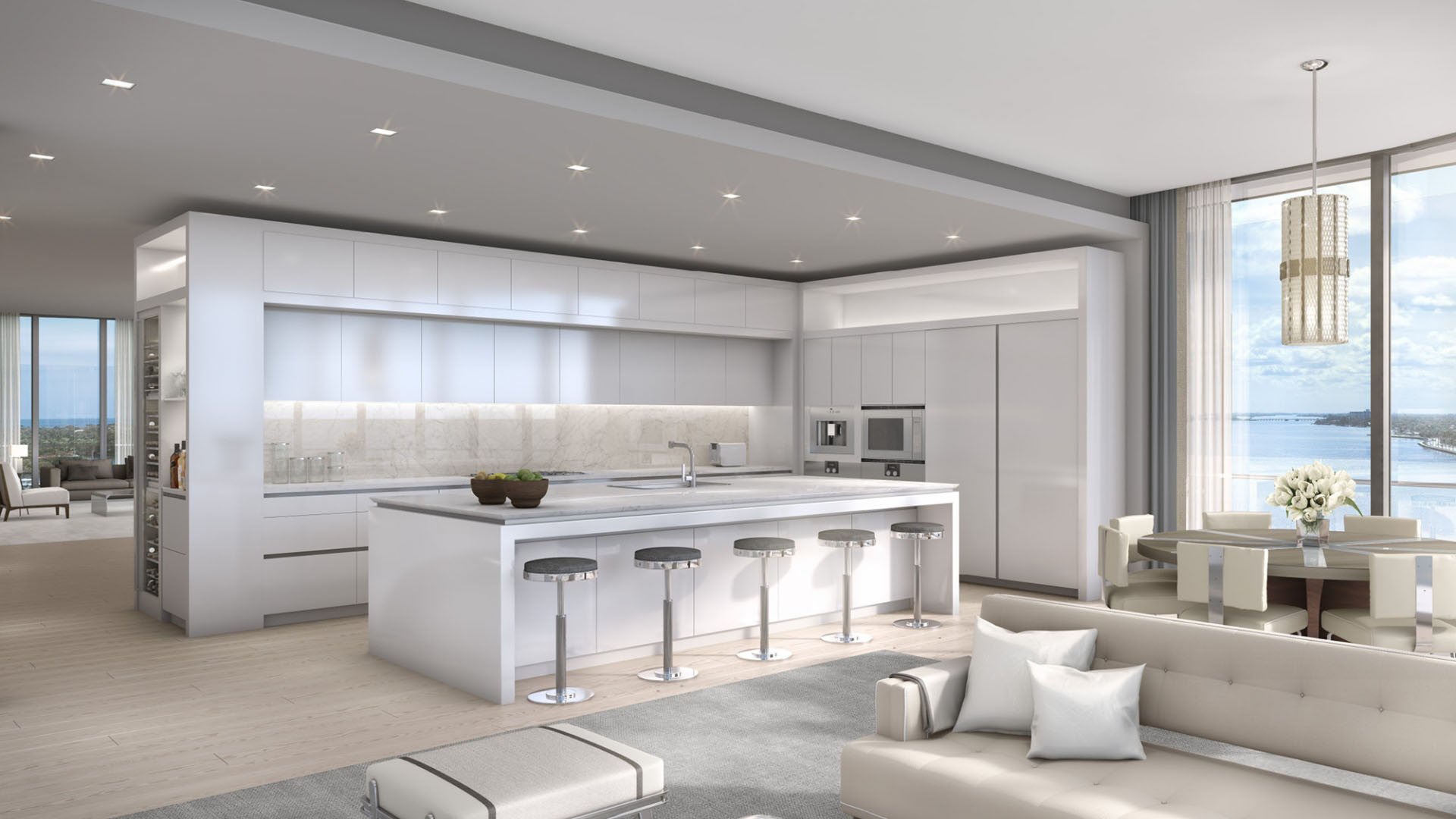
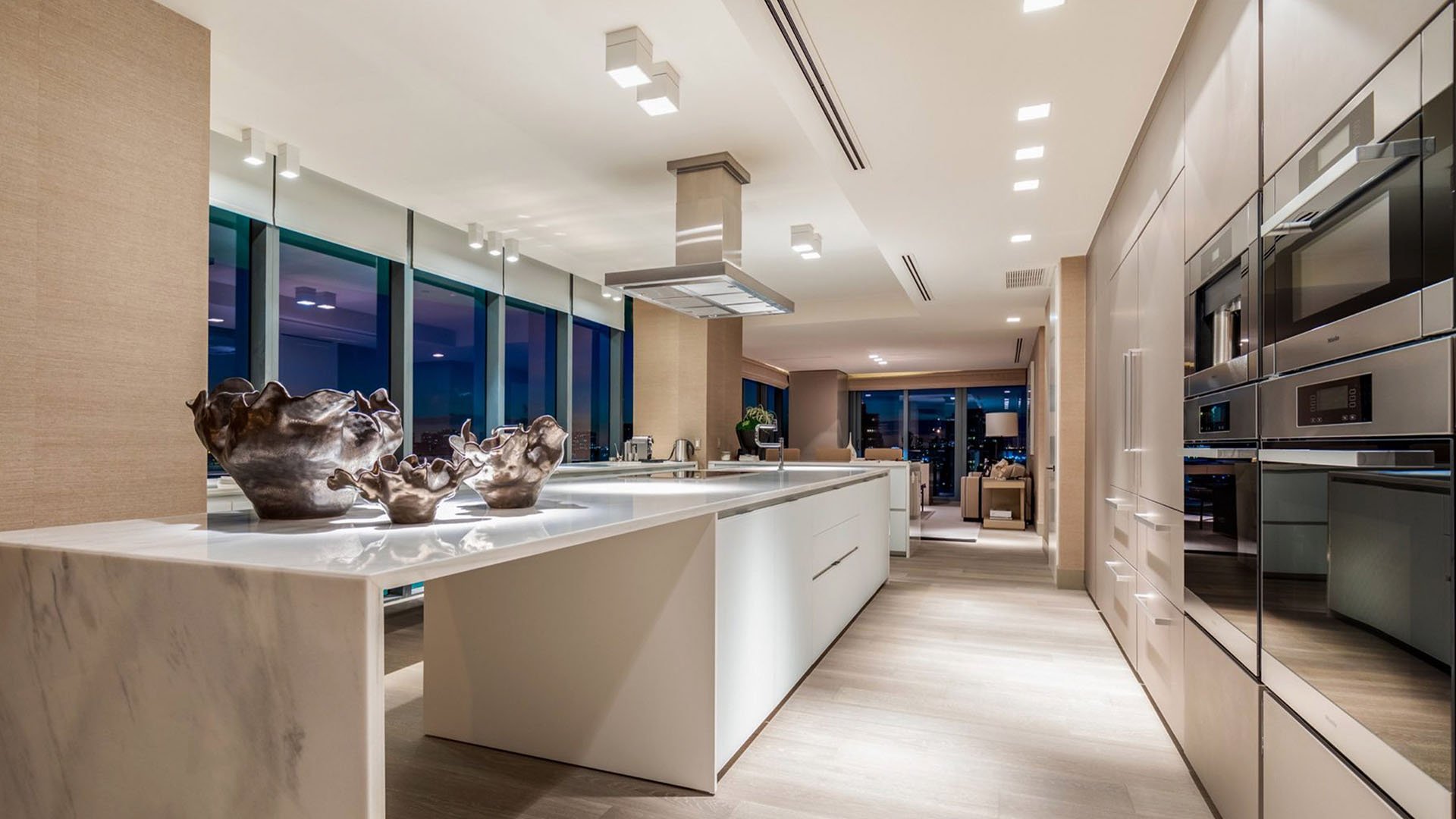
Assessing the Footprint of Secondary Scullery Kitchens at The Surf Club Four Seasons Surfside
In Surfside, the secondary scullery kitchen has evolved from a discreet luxury to a practical piece of residential infrastructure, especially in service-driven, oceanfront living. This editorial examines what that “second kitchen” really does for day-to-day function and resale positioning at The Surf Club Four Seasons Surfside, and how to evaluate its footprint without overbuilding or underutilizing square footage.

Balcony Depth and Wind Mitigation for Alfresco Dining: 57 Ocean Miami Beach vs. Ocean House Surfside
For serious waterfront buyers, a balcony is not a checkbox amenity. It is an outdoor room that must perform, especially on the Atlantic edge where wind, salt, and afternoon squalls can turn “al fresco” into “unused.” This MILLION Luxury guide compares how balcony depth and wind conditions shape day to day dining comfort, using 57 Ocean Miami Beach and Ocean House Surfside as two highly sought-after reference points, while outlining what to verify on any oceanfront purchase.

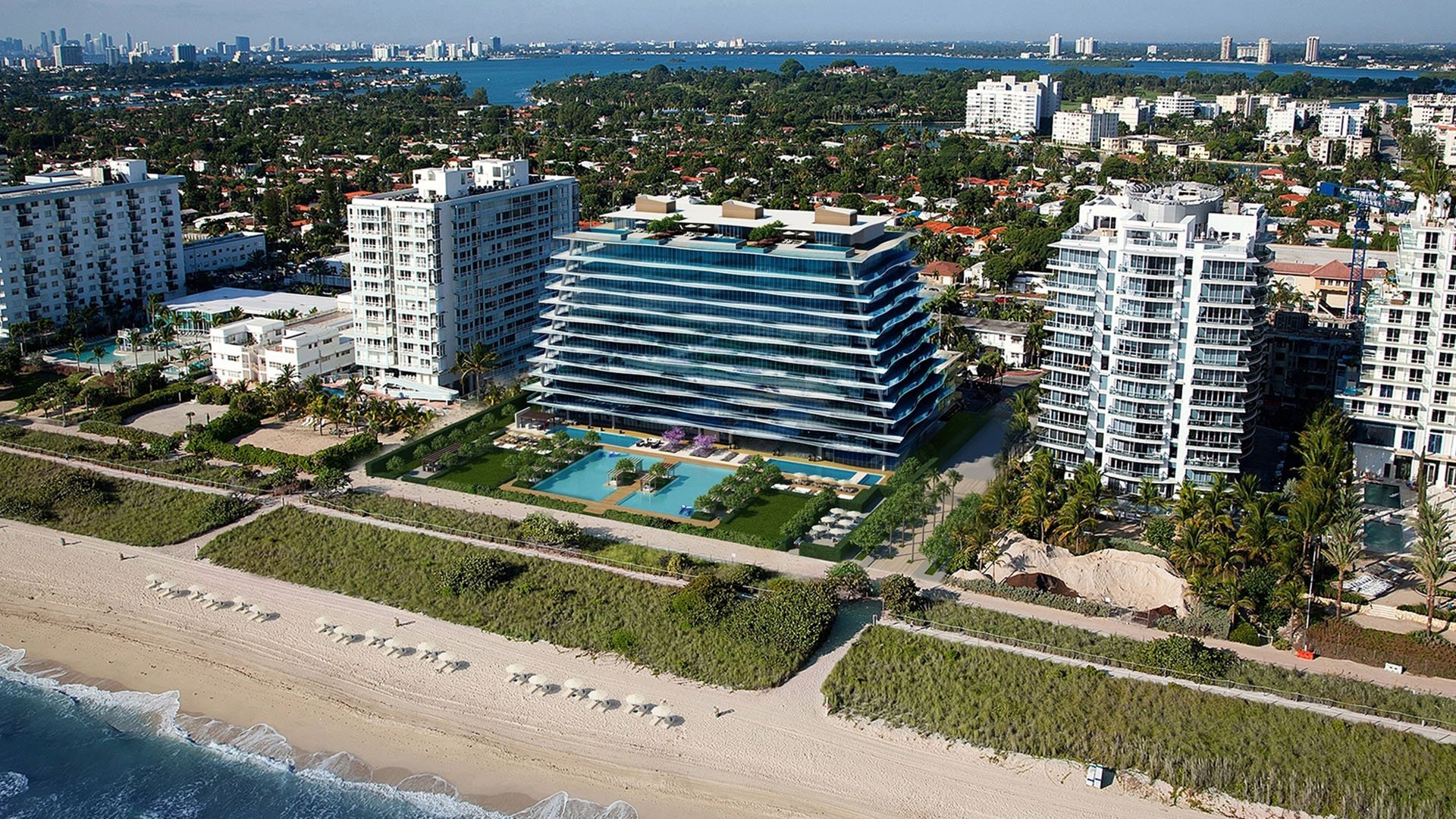
Coastal Setbacks and Dune Privacy Dynamics: The Perigon Miami Beach vs. Rivage Bal Harbour
In South Florida, the most consequential luxuries are often invisible: the distance between a building and the water, the height and health of the dune, and the quiet choreography between public beach access and private arrival. These coastal conditions influence how a residence feels day to day, how it photographs from the shoreline, and how its outdoor spaces perform over time. This editorial looks at coastal setbacks and dune privacy dynamics as a buyer’s lens, using two ultra-premium references: The Perigon Miami Beach and Rivage Bal Harbour. Without leaning on project-specific claims, we focus on the physics and governance of the coast, and on the practical questions sophisticated buyers ask before committing to an oceanfront lifestyle.

Living in Surfside vs Bal Harbour: Low-Density Privacy vs Retail Grandeur
Surfside and Bal Harbour sit side by side on Miami Beach’s northern edge, yet they deliver two distinct versions of oceanfront luxury. Surfside favors quiet residential streets, an intimate shoreline, and a small-town cadence that appeals to buyers who prize discretion over spectacle. Bal Harbour, by contrast, layers beachfront living with a polished, international retail and hospitality atmosphere, where arriving home can feel like stepping into a curated resort district. For high-net-worth buyers, the decision is rarely about distance, but about daily texture: how often you want to be recognized, how quickly you want to disappear, and whether your neighborhood’s center of gravity is a tranquil beach walk or a high-design shopping promenade. This MILLION Luxury comparison outlines the lifestyle differences that matter most, from density and privacy to walkability, service expectations, and the long-term “feel” of each market.