A buyer-focused comparison of Alana Bay Harbor Islands and Auberge Beach Residences & Spa Fort Lauderdale, centered on the real-life difference between quiet island convenience and branded oceanfront resort living.
Sales galleries are built to compress desire. A model kitchen, a sunset rendering, a scent in the lobby, and suddenly two very different residential lives can seem to belong in the same decision set. With Alana Bay Harbor Islands and Auberge Beach Residences & Spa Fort Lauderdale, the more useful question is not which one feels more luxurious in presentation. It is which one will serve the buyer’s daily life with less friction.
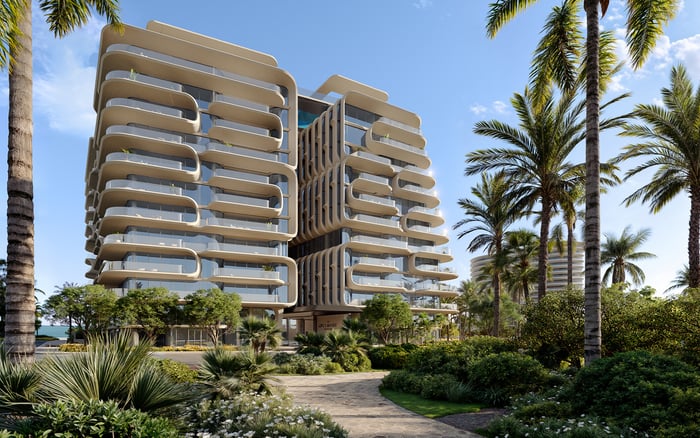
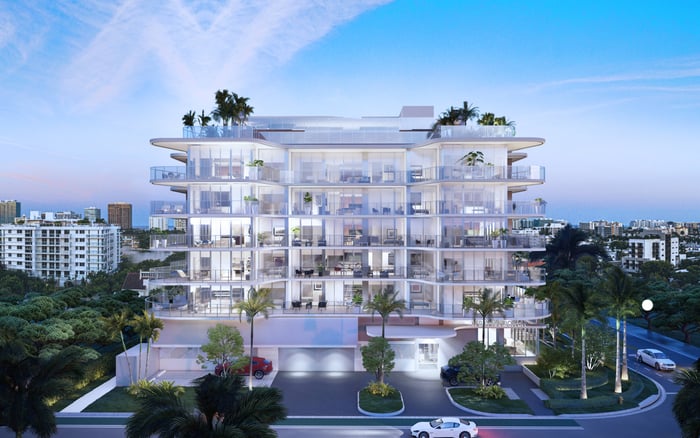
Alana Bay Harbor Islands is framed as a boutique, low-key island condominium in Bay Harbor Islands, rather than a large beachfront resort tower. Its proposition leans into discretion, residential calm, contemporary design, and proximity to Bal Harbour, Surfside, shopping, dining, schools, and religious institutions. Auberge Beach Residences & Spa Fort Lauderdale, by contrast, is positioned as an oceanfront branded resort-residence on Fort Lauderdale Beach, with a hospitality-oriented ecosystem built around spa, beach, food and beverage, concierge, and service.
That distinction matters. This is not a comparison of boutique versus boutique. It is a neighborhood island residence versus a branded oceanfront resort residence.
The phrase “club access” can mislead buyers when used too casually. At Alana, the lifestyle profile appears more neighborhood-based than vertically integrated. The building’s appeal comes from living in a quieter island setting with nearby access to the broader Bal Harbour and Surfside lifestyle network. That is different from saying the building itself functions as a fully programmed private club.
For a buyer who already belongs to clubs, prefers familiar restaurants, has school or religious routines, or wants to move through the day without entering a resort setting, that diffuse access can be an advantage. Alana’s strength is not that every function is housed within the property. It is that the surrounding neighborhood makes everyday life feel intimate and manageable.
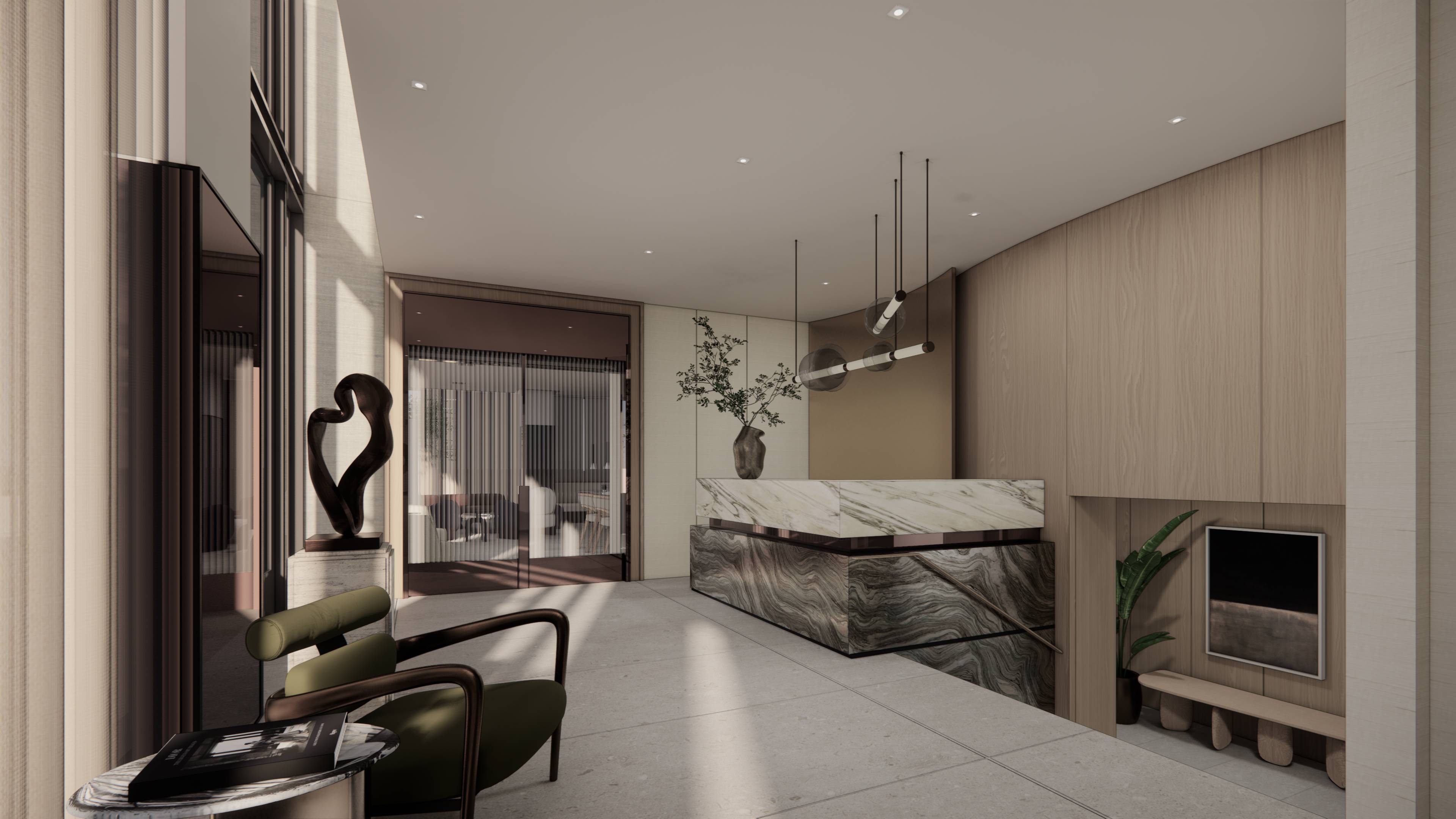
Auberge offers the more consolidated club experience. Its resort-scale model gathers wellness, beach, hospitality, dining, and concierge functions into the property environment. For an owner who wants fewer decisions, more service touchpoints, and a sense of arrival every time they come home, that integrated platform is the core appeal.
This is where buyers should be precise. Alana is not weaker because it is less resort-like. Auberge is not automatically stronger because more is centralized. The better choice depends on whether privacy and neighborhood continuity matter more than having a branded service environment at the center of daily life.
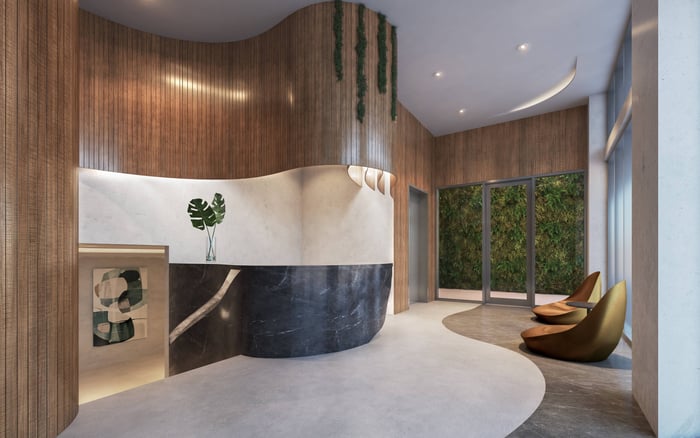
Private amenities at Alana read as more residential and intimate. The building is positioned for buyers who want contemporary design and access to luxury coastal amenities without living inside a tourist-heavy beachfront corridor. That makes sense for full-time residents, local downsizers, and second-home owners who want their Florida residence to feel like a private address rather than a hotel-adjacent stage.
Auberge’s private amenity proposition is broader and more programmed. The property’s identity is tied to resort service: spa, beach, food and beverage, and concierge working together within a branded oceanfront setting. For buyers who actually use these services often, this can be highly efficient. For buyers who imagine using them but rarely do, it can become an expensive aesthetic rather than a lifestyle fit.
The best private amenity is the one a buyer uses on an ordinary Tuesday. At Alana, that may mean a quieter return home after errands in Bay Harbor Islands, Bal Harbour, or Surfside. At Auberge, it may mean stepping directly into a beach, spa, or service environment without leaving the property. Neither rhythm is theoretical. Each changes how the day is organized.
Bay Harbor Islands carries a residential island rhythm. The draw is proximity without constant exposure: close to Bal Harbour and Surfside, yet removed from the daily intensity of a beachfront tourist corridor. For buyers comparing nearby addresses such as The Well Bay Harbor Islands, the common thread is not spectacle. It is convenience, wellness, discretion, and a sense of local routine.
That routine may include school schedules, walkable meals, religious institutions, shopping, and quick access to the luxury retail and coastal culture around Bal Harbour. The value is cumulative. Alana’s neighborhood does a meaningful portion of the lifestyle work.
Fort Lauderdale Beach has a different tempo. Auberge’s setting is livelier, with more beachfront activity, restaurants, hotels, second-home movement, and visitor energy. That can be invigorating for buyers who want the beach to be the central organizing principle of the residence. It can also feel busy for someone seeking quiet continuity.
A buyer considering Auberge may also look at branded or service-forward Fort Lauderdale alternatives such as Four Seasons Hotel & Private Residences Fort Lauderdale, not because they are identical, but because they sit within the same broader question: do you want Fort Lauderdale Beach as a resort-inflected daily stage?
The smartest comparison happens outside the presentation room. At Alana, a buyer should test the surrounding network: morning traffic patterns, errands, dining routines, proximity to Bal Harbour and Surfside, school or religious needs, and how the island feels after dark. The building’s promise depends heavily on the strength of the neighborhood around it.
At Auberge, the buyer should test the property ecosystem. How much value is created by the spa, beach, food and beverage, concierge, and hospitality programming? Is the service culture essential to the owner’s daily comfort, or simply impressive during a tour? The value proposition depends heavily on execution inside the branded platform.
This is why the decision should not be reduced to finishes or views. A buyer who wants direct beach energy, service density, and resort-style programming may find Auberge the natural fit. A buyer who wants a calmer address, residential privacy, and easy access to nearby coastal amenities may feel more at home at Alana.
For some buyers, the answer may even clarify a broader geographic preference. If Bal Harbour proximity is central, projects such as Rivage Bal Harbour can enter the mental map. If Fort Lauderdale’s beach lifestyle is the anchor, Auberge remains the more direct expression of that desire.
Choose Alana Bay Harbor Islands if the priority is privacy, daily convenience, a residential island atmosphere, and proximity to Bal Harbour and Surfside without living in a tourist-heavy beachfront corridor. Its luxury is quieter: less about spectacle, more about control, location, and the discipline of an address that supports everyday life.
Choose Auberge Beach Residences & Spa Fort Lauderdale if the priority is beach, spa, resort service, branded hospitality, and the convenience of having many lifestyle functions organized within the property. Its luxury is more extroverted, designed for owners who value the feeling of a resort ecosystem and want that service layer close at hand.
The wrong move is to buy the more seductive room. The right move is to buy the lifestyle that still feels right after the appointment, after the valet greeting, after the rendering, and after the first ordinary week of ownership.
Is Alana Bay Harbor Islands a resort-style beachfront tower? No. It is framed as a boutique, low-key island condominium in Bay Harbor Islands rather than a large beachfront resort tower.
Is Auberge Beach Residences & Spa Fort Lauderdale oceanfront? Yes. Auberge is positioned as an oceanfront branded resort-residence on Fort Lauderdale Beach.
Which property has the more centralized club-like lifestyle? Auberge has the more consolidated model because many wellness, beach, dining, and service functions are organized within the property.
Does Alana rely more on the surrounding neighborhood? Yes. Alana’s appeal is tied to nearby Bal Harbour, Surfside, shopping, dining, schools, and religious institutions.
Which is better for a quieter residential rhythm? Alana is the stronger fit for buyers prioritizing privacy, daily convenience, and a calmer island atmosphere.
Which is better for resort service? Auberge is the stronger fit for buyers who want beach, spa, concierge, food and beverage, and branded hospitality in one place.
Is Fort Lauderdale Beach livelier than Bay Harbor Islands? Yes. Fort Lauderdale Beach carries more tourist, restaurant, hotel, beachfront, and second-home activity.
Should buyers treat nearby lifestyle access as formal club access? No. Nearby lifestyle access is different from a formal, vertically integrated club or resort platform.
What is the core lifestyle difference between the two? Alana offers diffuse neighborhood convenience, while Auberge offers centralized resort service.
What should buyers do before choosing? They should test the weekday rhythm, not just the sales presentation, because daily use determines long-term fit.
For a tailored shortlist and next-step guidance, connect with MILLION.
If branded residences are on your mind — as a home or as an allocation — we would be glad to share what we are seeing, privately.
Begin a quiet conversation