A buyer-focused guide to evaluating arrival privacy at Eighty Seven Park Surfside through discretion, service choreography, and long-term resale appeal.
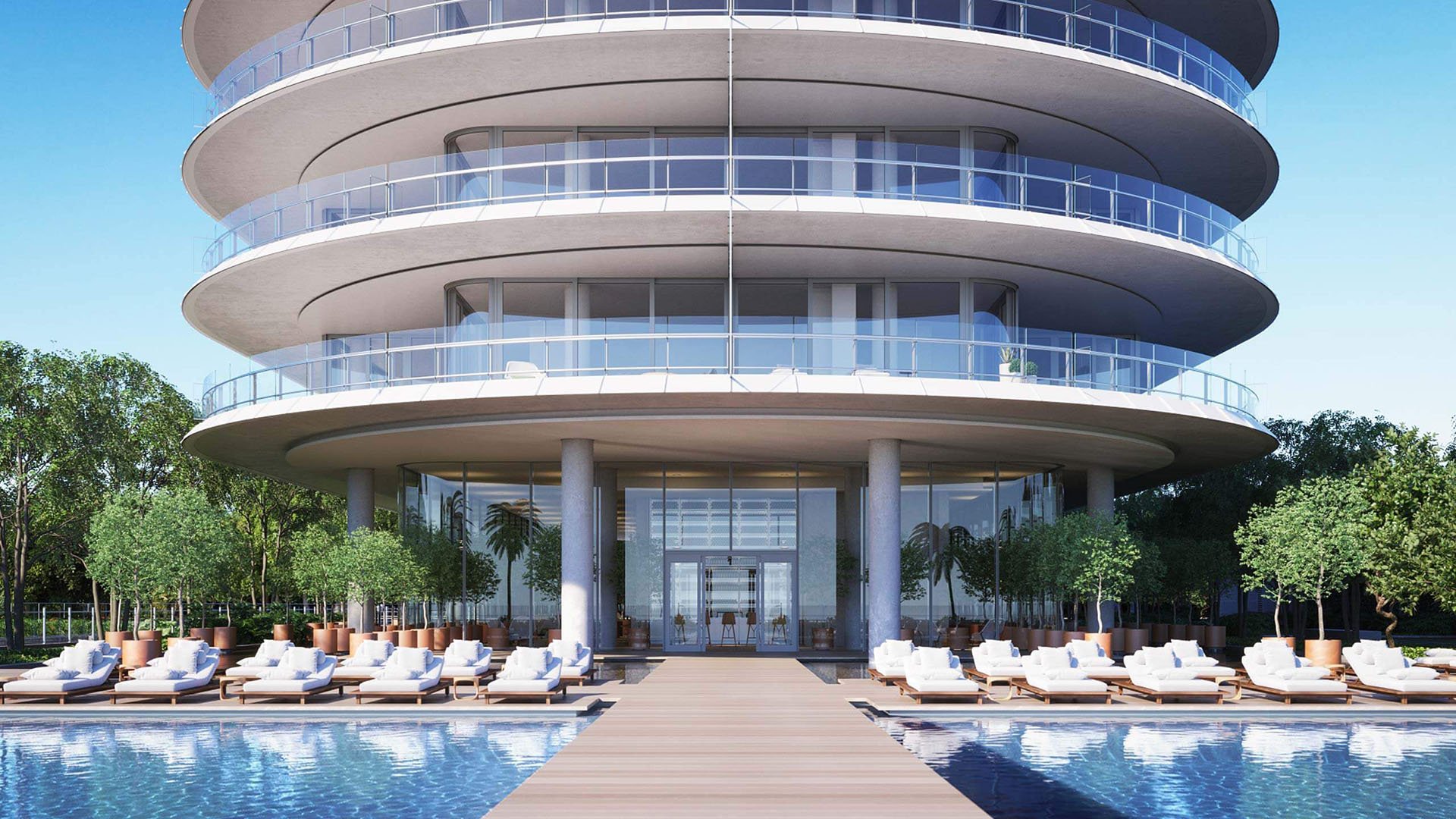
At Eighty Seven Park Surfside, arrival privacy should be evaluated as a core element of the residential experience, not as a decorative gesture at the front door. In the ultra-premium condominium market, the first sequence of entry is where architecture, staffing, access control, and discretion converge. A buyer may first respond to views, finish quality, or the beachfront setting, but the daily test begins with how one arrives, who observes that arrival, and how seamlessly the building absorbs the movement of residents, guests, service providers, valet activity, deliveries, and staff.
That is why Eighty Seven Park Surfside deserves to be read through three lenses: privacy, service, and resale. The arrival experience is a functional luxury value proposition. It shapes how protected a resident feels, how polished the building’s hospitality culture appears, and how future buyers may judge the property when comparing it with other refined addresses across Surfside and Miami Beach.
In MILLION shorthand, this is an Eighty Seven Park Surfside discussion shaped by Surfside, Oceanfront, Beach-access, Exclusive-area, and Resale priorities. Those words matter because the buyer profile is rarely seeking spectacle alone. The strongest arrival experience feels calm, controlled, and nearly invisible.
The most important evaluation begins before a buyer reaches the interior common spaces. Arrival privacy is about sequence. A polished building can still feel exposed if the transition from street to reception is too public, too compressed, or too dependent on staff improvisation. Conversely, a carefully managed arrival can establish composure before a resident ever steps inside.
A serious buyer should ask practical questions. Is the point of entry discreet or visually exposed? Does the arrival path separate residents from public-facing activity? Are guests welcomed in a way that protects resident identity and movement? Can staff coordinate valet, packages, service providers, and visitor flow without turning the entry area into a waiting room? These are not minor details. They shape the daily rhythm of ownership.
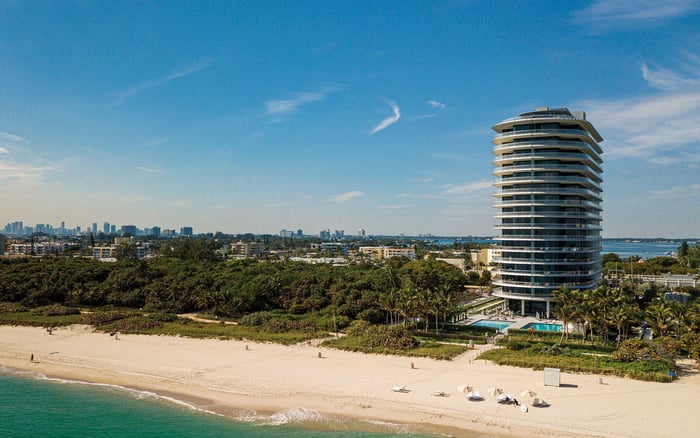
This is especially relevant in a beachfront condominium context, where the setting itself attracts attention. The most desirable arrival experience does not fight the coastal environment. It filters it. The result should be a transition from public world to private residence that feels intuitive, quiet, and consistent.
Privacy at this level is not merely about hiding from view. It is about controlling exposure. A successful arrival sequence allows the resident to enter without unnecessary visibility, delays, or social friction. It supports different forms of arrival: the owner returning from dinner, guests arriving for an evening, a driver pulling in, staff coordinating service, or a delivery being managed without disrupting the residential atmosphere.
For privacy-focused buyers, the distinction is important. Seclusion can feel remote. Privacy, when handled well, feels effortless. The building should maintain the openness appropriate to a luxury beachfront address while limiting the moments in which a resident is seen, delayed, or forced into avoidable interaction.
When comparing Surfside properties, buyers may look at The Delmore Surfside and The Surf Club Four Seasons Surfside to refine their expectations around discretion, brand tone, and resident arrival culture. The comparison is less about declaring a winner and more about understanding what level of privacy feels natural for one’s lifestyle.
Service is often described in broad language, but the arrival experience makes it visible. The entry point is where a building proves whether it can coordinate people gracefully. Residents, guests, valet personnel, delivery activity, and building staff all converge there. If the choreography is strong, the resident experiences calm. If it is weak, even an impressive building can feel operationally strained.
The right question is not simply whether service exists. It is whether service protects privacy. Does staff communication reduce exposure or create more attention? Are guests handled with discretion? Are deliveries routed in a way that preserves the residential tone? Does the building appear to anticipate movement, or does every arrival feel improvised?
At Eighty Seven Park, the buyer’s evaluation should focus on how the arrival sequence supports resident experience. A truly refined building does not make its service feel busy. It makes complexity disappear. That quiet competence is part of the premium.
Resale value in the luxury condominium market is shaped by more than finishes and view corridors. It is also shaped by how future buyers imagine living in the building. Privacy-focused buyers tend to remember the arrival experience because it is immediate. Before they evaluate floor plans or interiors, they have already felt whether the building protects them.
A discreet arrival can strengthen long-term desirability because it supports a type of ownership that remains consistently valuable: low-friction, high-privacy living in a recognized coastal setting. The more seamless the arrival experience, the easier it is for a future buyer to understand the property’s functional luxury.
This does not mean arrival privacy alone determines value. It means arrival privacy contributes to buyer confidence. In a market where ultra-premium purchasers compare details carefully, the first five minutes can influence perception. For a privacy-oriented audience, the entry sequence is part of the asset.
The strongest comparison set should remain lifestyle-based rather than purely aesthetic. A buyer evaluating Eighty Seven Park can compare the privacy tone of its arrival sequence with other refined coastal and near-coastal buildings such as Arte Surfside and Fendi Château Residences Surfside. The goal is to identify how each property manages visibility, access, staff interaction, and the boundary between public approach and private residence.
Look for consistency. A beautiful arrival that works only when the building is quiet is less persuasive than one that feels composed during normal daily activity. Watch how staff handles simultaneous demands. Notice whether guests appear clearly directed. Observe whether the resident path feels distinct from operational movement. Luxury buyers should not need to ask whether the building is organized. The organization should be felt.
In Surfside, the arrival experience also carries emotional weight. The setting suggests ease, light, and coastal calm. The entry sequence should reinforce that feeling rather than interrupt it. When the public-facing edge of the property is handled discreetly, the entire residence experience becomes more convincing.
Begin with visibility. Ask how exposed the resident is during drop-off, entry, and transition to private areas. Then study access control. The question is not whether there is control in a generic sense, but whether the control feels layered, intuitive, and respectful of the resident experience.
Next, evaluate service interaction. The best staff presence is attentive without being theatrical. If service feels too visible, it can undermine privacy. If it feels absent, it can weaken confidence. The balance should be polished, quiet, and anticipatory.
Finally, consider future marketability. Would a privacy-focused buyer understand the building’s value within minutes of arrival? Would the entry sequence support the narrative of a calm, high-service beachfront residence? If the answer is yes, arrival privacy is doing its work.
For Eighty Seven Park Surfside, arrival privacy should be treated as a decisive part of due diligence. It is not a secondary design conversation. It is where private life begins, where service either elevates or distracts, and where a future buyer’s perception starts to form.
The most compelling luxury condominiums understand that arrival is a threshold, not a doorway. It is the moment a resident leaves the public realm and enters a more controlled world. When that moment is discreet, efficient, and calm, it supports the entire value proposition of ownership.
Why is arrival privacy important at Eighty Seven Park Surfside? It helps define the daily resident experience by controlling exposure, access, and the transition from public setting to private residence.
Is arrival privacy only an architectural issue? No. It is also a service and operations issue involving residents, guests, valet, deliveries, and building staff.
How should a buyer evaluate the entry sequence? A buyer should observe visibility, access control, staff coordination, guest handling, and whether movement feels calm or congested.
Does a discreet arrival improve service quality? It can. The best service protects privacy while making logistics feel seamless rather than busy.
Why does arrival privacy matter for Resale? Future privacy-focused buyers may view a discreet, well-managed arrival as part of the property’s long-term desirability.
Should buyers compare Eighty Seven Park with other Surfside properties? Yes. Comparing arrival tone across nearby luxury buildings can clarify what level of discretion feels appropriate.
Is privacy the same as being hidden? No. In luxury real estate, privacy is more about controlled exposure than isolation.
What role do deliveries play in arrival privacy? Delivery handling matters because operational traffic can affect the calm and discretion of the entry experience.
Can a beautiful lobby compensate for a weak arrival sequence? Not fully. The buyer’s perception begins before the lobby, so the approach and entry sequence remain essential.
What is the most important takeaway for buyers? Treat arrival privacy as a functional luxury feature that influences comfort, service confidence, and future buyer appeal.
For a confidential assessment and a building-by-building shortlist, connect with MILLION.
If branded residences are on your mind — as a home or as an allocation — we would be glad to share what we are seeing, privately.
Begin a quiet conversation