Luxury Pet Amenities: ACRE Fort Lauderdale and The Bristol Hallandale Beach
A buyer-oriented look at luxury pet amenities through the lens of ACRE Fort Lauderdale and The Bristol Hallandale Beach, with guidance on evaluating building policies, wellness features, service standards, and long-term livability for pet-owning South Florida residents.

Shell Bay by Auberge Hallandale and The Estates at Acqualina Sunny Isles: Waterfront Views, Amenities, and Buyer Tradeoffs
A refined comparison of Shell Bay by Auberge Hallandale and The Estates at Acqualina Sunny Isles, focused on waterfront view quality, amenity expectations, privacy, lifestyle cadence, and the tradeoffs luxury buyers should weigh before choosing between the two South Florida settings.
Pet Hair Management Systems: ACRE Fort Lauderdale and The Bristol Hallandale Beach
A discreet buyer’s guide to evaluating pet hair management, filtration, finishes, and service routines at ACRE Fort Lauderdale, The Bristol Hallandale Beach, and comparable South Florida luxury residences.
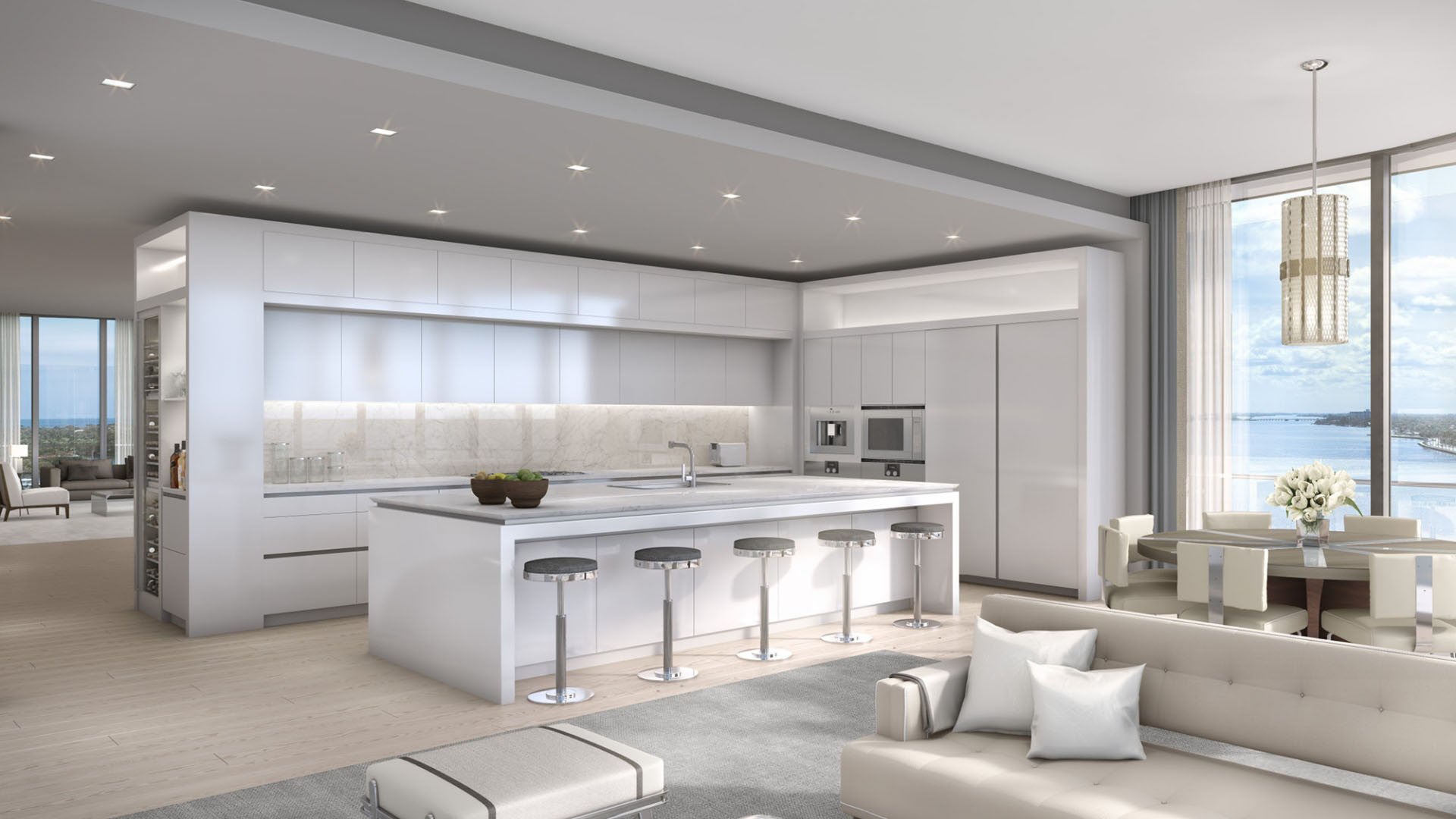
Pet-Friendly Flooring: ACRE Fort Lauderdale vs The Bristol Hallandale Beach Materials
A buyer-focused guide to comparing pet-friendly flooring considerations at ACRE Fort Lauderdale and The Bristol Hallandale Beach, with emphasis on traction, maintenance, acoustics, and long-term livability.
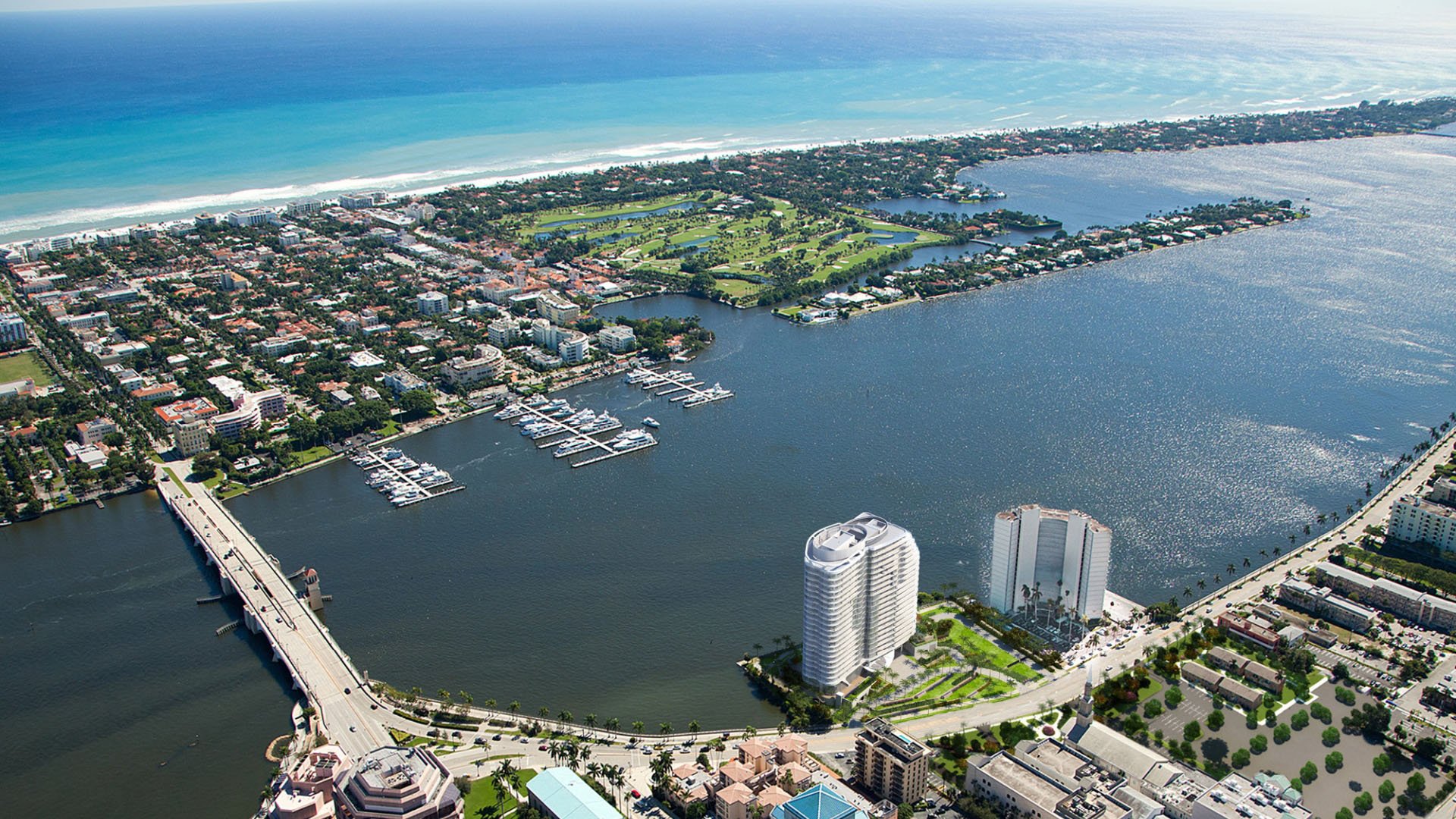
Pet Exercise Facilities: ACRE Fort Lauderdale vs The Bristol Hallandale Beach Exercise Zones
A discreet buyer’s guide to evaluating pet exercise facilities at ACRE Fort Lauderdale and The Bristol Hallandale Beach, with emphasis on daily convenience, building culture, and practical due diligence.
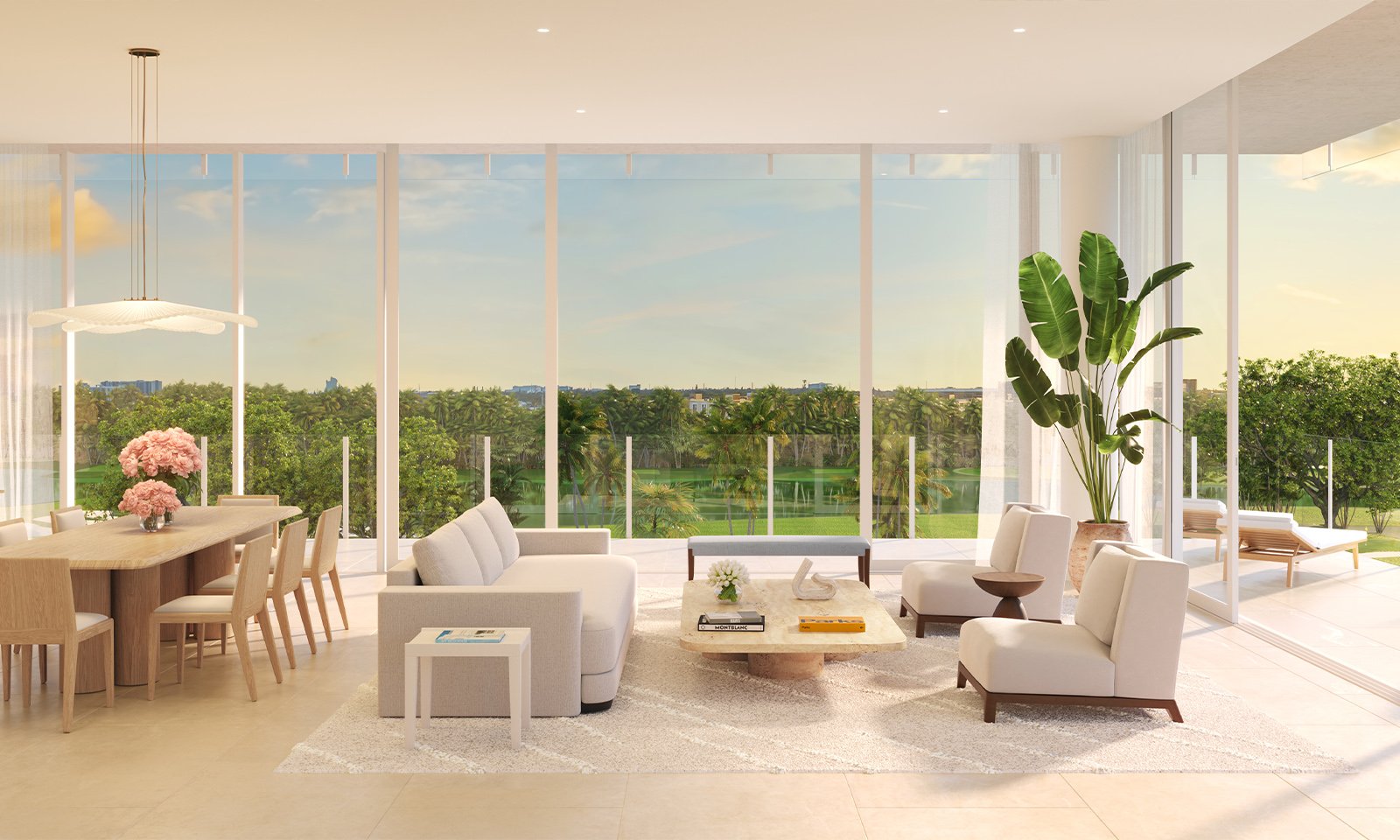
Shell Bay by Auberge Hallandale: How Households Should Think About Turnover Timing
A practical framework for Shell Bay owners evaluating when to hold, sell, or wait for deeper resale clarity in Hallandale Beach.