A discerning framework for South Florida buyers and sellers: how to separate true architectural pedigree from marketing, and how that pedigree can translate into resale resilience.

In South Florida’s ultra-premium tier, the architect’s name often enters the conversation before square footage. In resale, that name can function like a second address-signaling taste, scarcity, and a buyer profile that tends to be less price-elastic when the product feels genuinely irreplaceable.
But “starchitect” is not a blanket value-add. In practice, pedigree moves pricing only when it remains legible in day-to-day living-and defensible years later. A building can photograph beautifully at launch and still trade like a commodity if usability, maintenance, and governance fail to meet the promise.
The most dependable way to think about pedigree is as a set of attributes that either compound over time or decay. Your job, as a buyer or seller, is to determine which category the building belongs to before underwriting a premium.
A famous name is often the product of collaboration, and resale buyers can sense the difference between true authorship and a licensed association. To evaluate pedigree, use a straightforward stack.
First is authorship: who actually shaped the massing, proportions, fenestration, lobby sequence, and arrival experience? Second is execution: were the details delivered with enough discipline that the concept holds up to daily wear? Third is endurance: does the architecture still read as current once trends shift and nearby inventory refreshes?
When this stack holds, pedigree becomes a practical hedge. When it doesn’t, the “name” behaves like a short-lived marketing amplifier-loud at launch, quieter with every new debut.
Resale buyers pay for what they can feel in the first five minutes. Pedigree is most evident in elements that cannot be swapped out with a renovation.
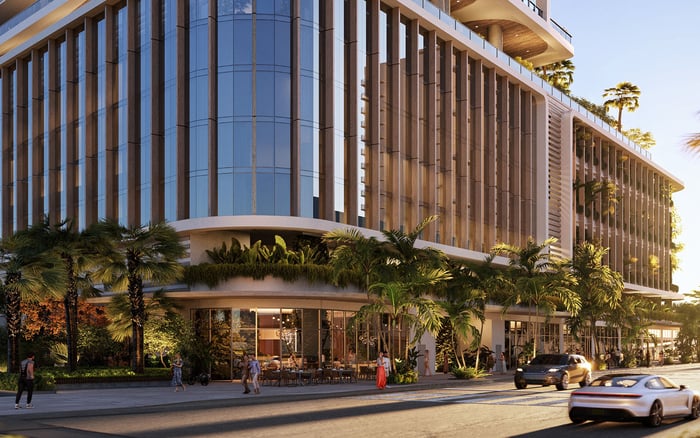
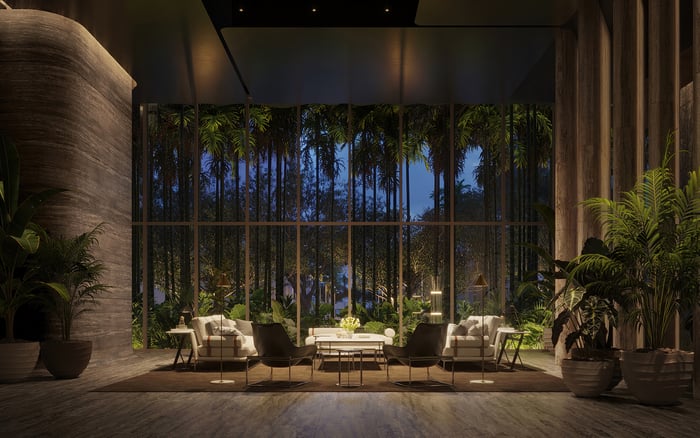
Start with the arrival sequence: does it deliver privacy, compression, and release, or does it read like a standard hotel corridor scaled up? Study how the tower meets the street and whether the porte-cochère absorbs traffic without friction. Then assess the public spaces-ceiling heights, daylight, materials that age well, and acoustic comfort. These are costly to replicate and, in most cases, effectively permanent.
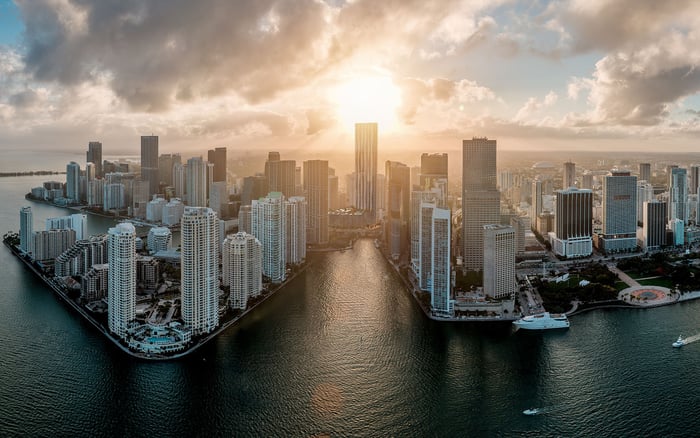
In districts where experience is central to the value proposition, architectural intent tends to translate more directly into pricing power. In Brickell, for example, buyers who prioritize a composed, design-forward lifestyle often compare a tight shortlist where narrative and execution are part of the purchase logic, such as 2200 Brickell.
A common resale error is paying a “design premium” twice: once for the architecture and again for an interior look that is visibly time-stamped.
Architecture is structure, light, proportion, and the building’s relationship to views and privacy. Interiors are finishes, kitchens, and decorative systems that can be refreshed. Branding is a third layer; it can be powerful, but it is also the most exposed to shifting tastes.
A disciplined way to underwrite a premium is to ask: if the interior package were neutral, would the building still feel exceptional? If yes, you’re likely looking at durable pedigree. If no, the value is coming primarily from styling-and styling ages.
That does not mean branded residences cannot hold value. It means resale buyers will test whether the brand promise is reinforced by the building’s underlying bones and its service culture.
Starchitect pedigree becomes economically meaningful when it produces plans that are difficult to find elsewhere. In resale, you’re competing not only with other resales, but also with a buyer’s option to wait for the next launch.
Prioritize layouts that feel inevitable: efficient circulation, a natural separation between public and private zones, and bedrooms that don’t borrow light. Consider how the kitchen sits within the home. Showpiece open kitchens can sell at launch, but on resale many buyers want the option to conceal mess without sacrificing social flow.
Pay close attention to thresholds and storage. True luxury is not only the view; it’s the ease of living-coat closets where you need them, service entries that keep staff movement discreet, and mechanical placements that don’t compromise ceiling lines.
In Miami Beach, buyers often respond strongly when the lived experience matches the promise of calm, coastal privacy. When an oceanfront project presents a coherent blend of arrival, amenities, and residence flow, it tends to stay relevant through cycles, as seen in offerings like 57 Ocean Miami Beach.
Execution is where many pedigrees break. The most revealing indicators are not exotic materials, but consistency and restraint.
Walk the common areas and look for corners: transitions between stone and wood, aligned reveals, consistent door hardware, and lighting that feels integrated rather than applied. Then listen for building noise. A quiet residence-especially in high-density corridors-isn’t merely an aesthetic preference; it is a value driver that resale buyers will pay for.
Next, move from design to operations. Even exceptional architecture is vulnerable to weak stewardship. Ask how the building approaches preventive maintenance, capital planning, and rule enforcement. A buyer paying for pedigree expects the property to look and feel the part years after delivery.
In South Florida, the same architectural cachet can price differently depending on buyer motivations.
In Miami Beach, scarcity and lifestyle often make design-forward buildings feel more “collectible.” In Brickell and Downtown, pedigree can still matter, but competition from new product can compress premiums unless the building’s identity is singular.
In Surfside and Bal Harbour-adjacent markets, privacy, discretion, and a sense of retreat often amplify the value of thoughtful design-especially when scale is controlled.
In Hallandale and Sunny Isles, the global buyer pool is deep, but resale is often more comparative. Buyers cross-shop view corridors, amenity sets, and carrying costs with a sharper pencil. In those markets, pedigree must be unmistakable in the in-unit experience to hold a premium.
A project like 2000 Ocean Hallandale Beach is a useful mental model: when an oceanfront building’s identity is strong and its lifestyle is coherent, the “name” becomes easier for a future buyer to grasp quickly-supporting pricing confidence.
Pedigree is most valuable when it aligns with scarcity that cannot be manufactured.
Scarcity can be physical: limited waterfront frontage, protected views, or a boutique unit count that creates privacy. Scarcity can be experiential: a sense of seclusion despite proximity to nightlife, or an arrival that feels residential-more private home than resort.
Scarcity can also be regulatory: approvals, height limits, and setbacks that make future competition less likely. You don’t need to master every zoning detail to apply the principle. If a building’s positioning feels genuinely difficult to replicate, the architect’s name becomes a multiplier rather than a decoration.
At the ultra-high end, resale pricing isn’t purely a function of recent closings. It’s also a story a buyer can repeat-to themselves and to their advisor.
Keep the narrative simple: why this building, why this line, why now. Pedigree helps when it supports a clean explanation such as, “this is the most composed, private, ocean-oriented product in its set.” If you can’t articulate the building’s signature in one sentence, the market will default to the easiest metric: price per square foot.
On the spreadsheet side, anchor pricing to building-level evidence first, then adjust for line quality, view height, renovations, and condition. Avoid overfitting to a single outlier sale. In pedigree buildings, a rare layout or superior exposure can justify separation-but only when explained as a functional difference, not a vague design compliment.
South Florida’s development velocity creates a specific resale risk: pedigree leakage. A launch can temporarily concentrate attention on a designer name, pulling demand away from earlier buildings that lack a clear differentiator.
To guard against leakage, prioritize buildings where the concept isn’t trend-dependent. Strong proportions, generous glazing with controlled heat gain, and timeless public spaces tend to retain their appeal.
Also evaluate whether the lifestyle is complete. If residents still have to leave the property for basic conveniences that newer projects integrate, the premium can erode.
For buyers drawn to branded, design-heavy towers, the best defense is to ensure the experience is not merely aesthetic. When operations, amenities, and the daily rhythm match the positioning, pedigree can remain sticky across resale cycles-which is part of the logic behind projects such as 888 Brickell by Dolce & Gabbana.
Use this as a quiet, repeatable test when you tour-or when you prepare a residence for market.
Can you describe the building’s signature in one sentence that is not the architect’s name?
Does the unit plan feel calm and inevitable, or compromised for spectacle?
Is privacy protected at the elevator, in the foyer, and on the terrace?
Do materials and details look better up close than they do in photos?
Does the building feel quiet and well-managed?
Is the premium you are paying for architecture, interiors, or branding? Be precise.
Is the building’s scarcity structural (site, scale, views), or simply newness?
When these answers are strong, pedigree can justify a premium and speed-to-contract. When they’re weak, the safest move is to price and negotiate as if the name were not on the door.
What does “starchitect pedigree” actually mean in resale terms? It means the design authorship is real, well-executed, and still desirable years later.
Is a famous architect always worth paying more for? No. The premium holds best when the building’s livability and execution match the name.
How can I tell if the architect’s role was substantive? Look for a coherent building signature across arrival, public spaces, and residence plans.
Does pedigree matter more in Miami Beach than Brickell? Often, yes, because scarcity and lifestyle can make design feel more collectible.
Are branded residences automatically stronger on resale? Not automatically; branding helps most when service quality and building “bones” are elite.
What features tend to outlast design trends? Light, proportion, privacy, quiet, and a plan that separates public and private spaces.
How should sellers talk about pedigree without sounding like marketing copy? Lead with functional benefits, then reference design as the reason those benefits exist.
Can I renovate my way into a pedigree premium? You can close the gap on finishes, but you cannot change massing, arrival, or core layout.
What is the biggest pricing mistake with pedigree buildings? Overpricing based on the name alone instead of building-level comps and line quality.
What should I ask during due diligence to protect resale value? Ask about maintenance discipline, reserve posture, rules enforcement, and noise control.
When you're ready to tour or underwrite the options, connect with MILLION Luxury.
If branded residences are on your mind — as a home or as an allocation — we would be glad to share what we are seeing, privately.
Begin a quiet conversation