A buyer-focused look at how Aventura luxury residences distinguish themselves through arrival control, staff discipline, guest flow, vertical privacy, and discreet daily operations rather than amenities alone.
In Aventura’s luxury condominium market, the security conversation has moved well beyond a checklist of cameras, gates, and reception desks. Sophisticated buyers are asking a quieter, more revealing question: how does the building protect daily life without making that protection feel visible?
That distinction matters. An amenity can impress during a tour, but privacy is experienced every day. It is felt when a resident arrives without friction, when an expected guest is handled without unnecessary exposure, when a delivery never interrupts the residential lobby, and when staff understand the difference between service and attention. The strongest buildings do not merely secure a perimeter. They choreograph movement.
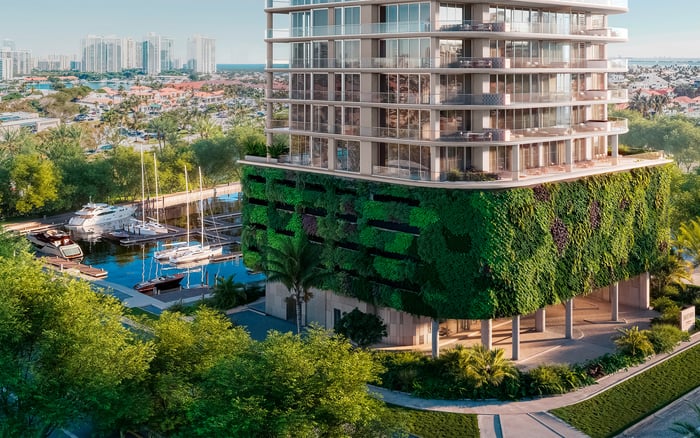
For buyers considering Avenia Aventura or comparing Aventura with nearby coastal addresses, the more useful lens is not lifestyle alone. It is operational intelligence. In a new-construction conversation, security should be evaluated as architecture, staffing, technology, and discretion working together.
The first test of a private building begins before the lobby. A luxury arrival should separate residents, invited guests, vendors, and service providers with calm precision. If every person enters through the same highly visible point, the property may feel polished, but not truly private.
A well-considered arrival sequence creates layers. The street edge should feel composed. The porte cochere, garage access, lobby approach, and elevator path should all reinforce control without producing a fortress-like experience. Buyers should observe whether the doorman is positioned to greet, screen, and anticipate, or simply stationed as decoration.
In Aventura, where residents may maintain primary homes, seasonal routines, or family-driven schedules, the best buildings make repetition effortless. Returning home should not require explanation. At the same time, a guest should be recognized as a guest, not permitted to drift into private circulation without purpose. Privacy begins in these small transitions.
Technology is important, but the most elegant security system is only as strong as the people operating it. Luxury buildings differ sharply in staff training, communication discipline, and the tone of resident interaction. A front desk team can protect privacy, or quietly erode it through overfamiliarity, inconsistent procedures, or loose guest handling.
Discretion is a professional culture. It includes how staff speak about residents, how they manage contractors, how they confirm visitors, and how they respond when a request is unusual. It also requires restraint. A building that constantly announces its own security can feel less private than one that quietly anticipates risk.
Buyers should ask how the building handles repeat vendors, private drivers, household staff, deliveries, and after-hours arrivals. The answers do not need to be theatrical. In fact, the more disciplined the building, the more ordinary the answers may sound. The goal is consistency, not drama.
Floor plans sell residences, but circulation plans protect them. Elevators, corridors, parking access, service rooms, package areas, and amenity approaches shape the privacy of daily life. A building can have beautiful interiors and still expose residents to unnecessary cross-traffic.
The most desirable residential environments reduce collisions between public, semi-private, and private zones. Residents should not feel that every trip to the gym, spa, pool, or garage becomes a social performance. Visitors should move through defined paths. Staff should be able to work without appearing constantly in resident spaces.
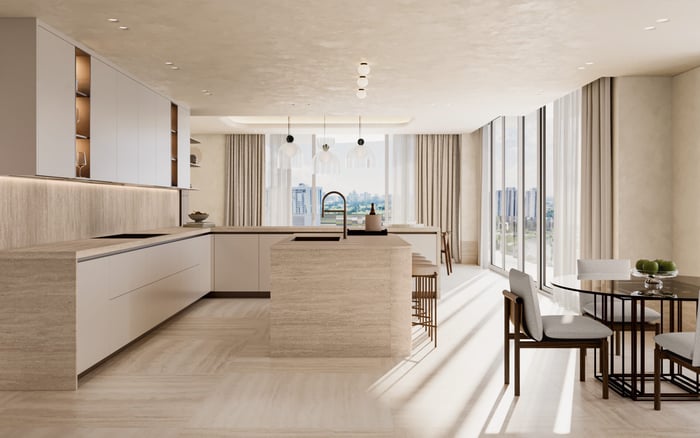
This is where Aventura buyers should look beyond renderings. A waterfront view or dramatic lobby can be compelling, but the deeper value lies in how the building manages movement. For some buyers, the vocabulary is simple: gated-community, exclusive-area, waterview, and new-construction. The real test is whether those ideas translate into daily composure.
Aventura appeals to buyers who want a polished residential base with access to the broader South Florida lifestyle, but privacy expectations vary from market to market. A buyer comparing Aventura with Sunny Isles, Bal Harbour, or Miami Beach may discover that security is expressed differently in each setting.
In Sunny Isles, for example, the vertical beachfront tower experience often places heavy emphasis on controlled entries, private elevator experiences, and highly managed resort-style service. Buildings such as Turnberry Ocean Club Sunny Isles are often associated with high-touch residential living, while The Ritz-Carlton Residences® Sunny Isles reflects the branded-residence expectation of polished service and resident recognition.
Bal Harbour and Surfside tend to frame privacy through a quieter coastal lens, where scale, access, and discretion are central to the appeal. A buyer looking at Oceana Bal Harbour may be thinking differently from a buyer who wants the energy of a larger mixed-use urban setting. The point is not that one model is superior. The point is that privacy has a geography, and Aventura sits within that wider map.
Security and seclusion are often confused. Security is control. Seclusion is distance. A building can be secure without feeling isolated, and secluded without being operationally disciplined. The most successful luxury residences combine measured access with a sense of ease.
For families, that may mean predictable guest screening and protected amenity areas. For executives, it may mean a low-friction arrival after travel and minimal exposure to lobby activity. For public-facing owners, it may mean staff who understand confidentiality as part of the property’s value. For seasonal residents, it may mean confidence that the residence remains carefully managed when they are away.
Aventura’s strongest buildings are not necessarily the loudest about privacy. The better signal is how calmly the property behaves under pressure: a busy holiday weekend, multiple deliveries, a private event, visiting relatives, or a contractor schedule. Luxury is not the absence of complexity. It is the ability to manage complexity without transferring stress to the resident.
A private showing should include more than the residence. Buyers should pay attention to the route from the street to the parking area, the distance from parking to elevators, the visibility of guest waiting areas, and the relationship between service spaces and residential spaces. If possible, visit at different times of day. A building that feels serene at noon may operate differently in the evening.
Ask practical questions. How are guests announced? How are vendors approved? Are deliveries staged away from the main lobby? How is access handled for household staff? What happens when a resident hosts multiple guests? How are amenity reservations controlled? How does the building respond when privacy preferences differ from one household to another?
These questions are not signs of distrust. They are part of serious due diligence. A luxury building is a living system, and its value depends on how well that system performs after the purchase. Amenities may attract attention, but operational privacy helps sustain long-term satisfaction.
The next evolution of luxury in Aventura is not simply larger wellness spaces, more dramatic pools, or more cinematic lounges. It is the quiet premium attached to buildings that make residents feel known but not watched, served but not exposed, connected but not crowded.
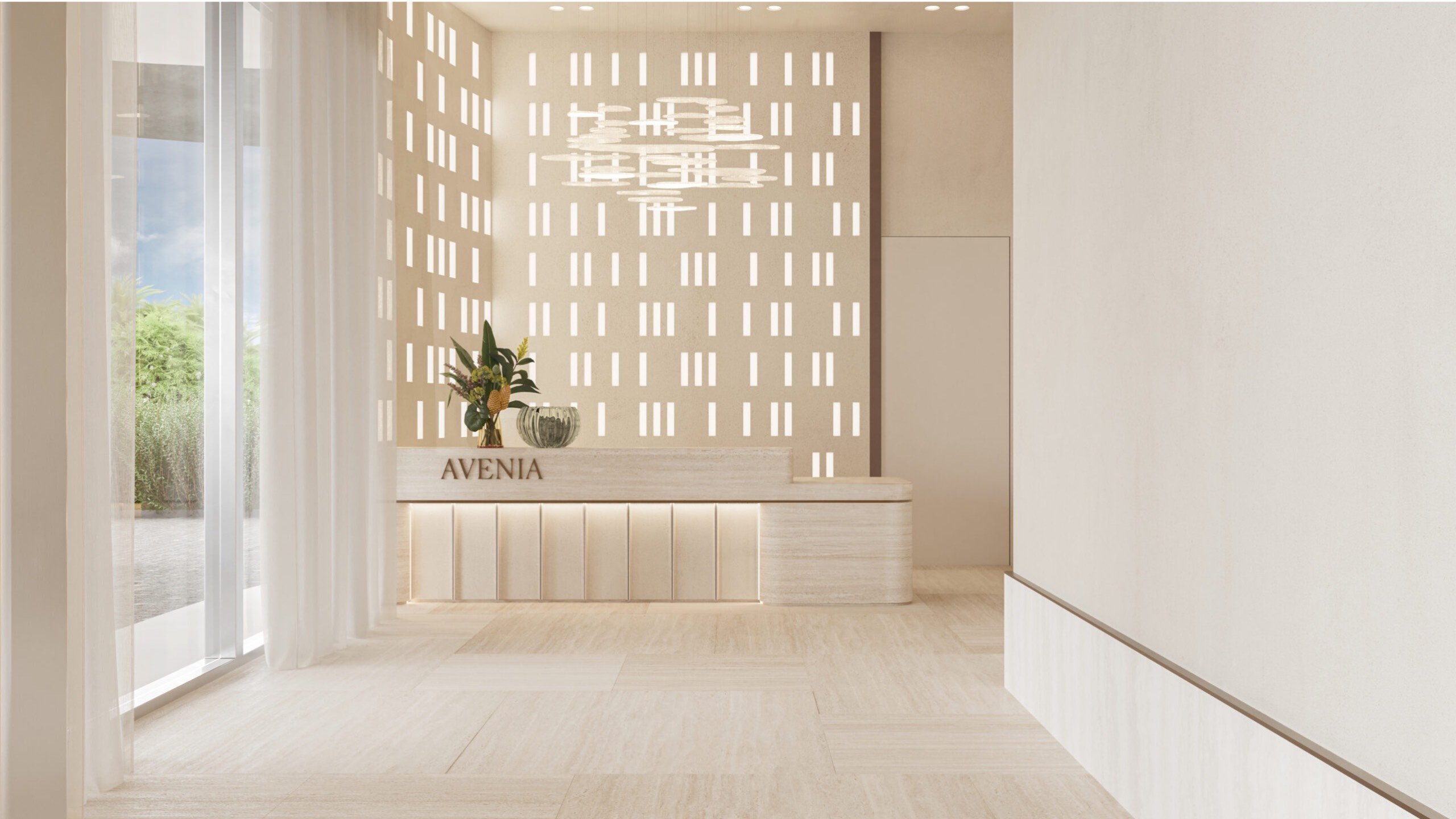
That premium is subtle. It may not appear in a brochure headline. It may reveal itself in a calm lobby, a discreet staff exchange, a private elevator sequence, or a guest process that feels gracious rather than invasive. Buyers who understand this layer often make better decisions because they are evaluating how a building lives, not just how it photographs.
Beyond amenities, security and privacy are the architecture of ease. In Aventura, that architecture is becoming one of the clearest marks of true luxury.
What should Aventura buyers prioritize when evaluating building security? Start with arrival control, guest procedures, staff discipline, parking access, and elevator circulation. These shape daily privacy more than visible hardware alone.
Is a gated entrance enough for a luxury condominium? No. A gate can be useful, but privacy also depends on staffing, service routes, visitor handling, and how residents move through the building.
How can I judge staff discretion during a showing? Observe tone, consistency, and how confidently staff manage access without oversharing. The best service feels calm, precise, and unobtrusive.
Do amenities reduce privacy in luxury buildings? They can if circulation is poorly planned. Well-designed buildings separate resident, guest, service, and amenity flows so shared spaces do not feel exposed.
Why does parking design matter for privacy? Parking is often the first and last point of daily contact. Direct, controlled access can make a residence feel more secure and more effortless.
Are branded residences automatically more private? Not automatically. Branding may signal service expectations, but buyers should still inspect access protocols, staffing culture, and circulation design.
What questions should I ask about guests? Ask how guests are approved, announced, escorted, and directed. The process should feel gracious while still protecting resident-only areas.
How does privacy differ between Aventura and beachfront markets? Each market expresses privacy differently through scale, arrival design, service style, and resident flow. The right choice depends on how you live.
Should seasonal owners evaluate security differently? Yes. Seasonal owners should focus on residence monitoring, vendor access, delivery handling, and communication when they are away.
What is the biggest sign of a truly private luxury building? The strongest sign is ease. Residents feel protected without feeling processed, watched, or interrupted.
For a tailored shortlist and next-step guidance, connect with MILLION.
If branded residences are on your mind — as a home or as an allocation — we would be glad to share what we are seeing, privately.
Begin a quiet conversation