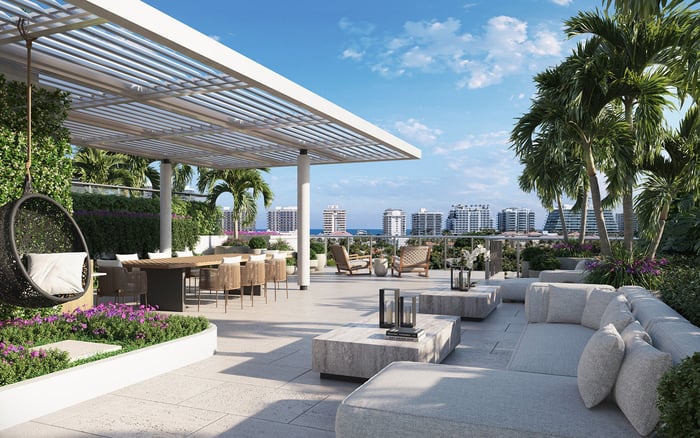
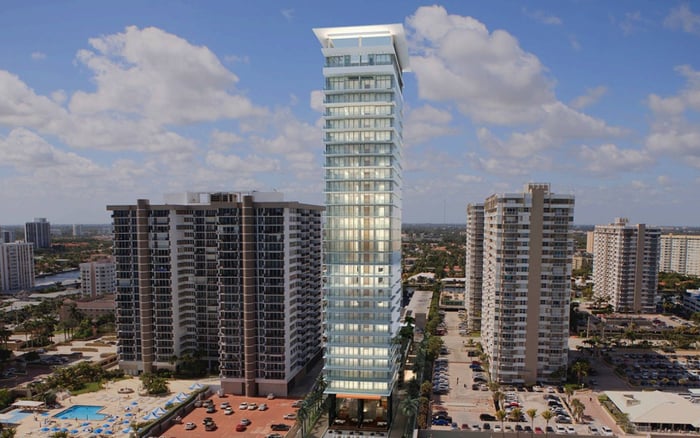
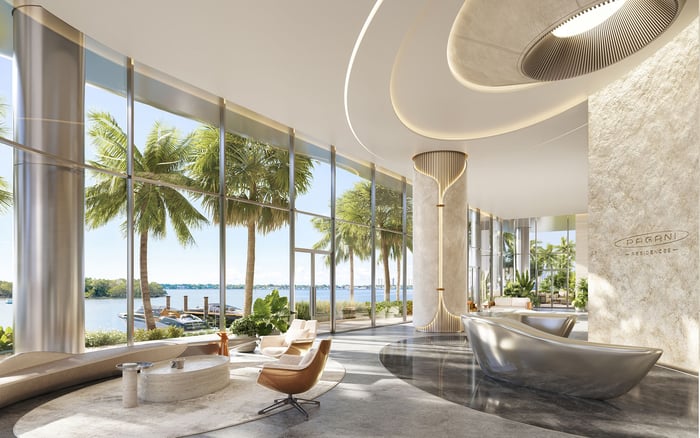
Walkability is no longer a lifestyle footnote in South Florida; for many buyers it is a proxy for how a neighborhood will age, densify, and hold its premium. But “Walk Score” style metrics can be misunderstood at the luxury tier, where discretion, privacy, and a curated daily loop often matter more than sheer retail density. The right approach is to treat walkability as a risk filter and a value amplifier, then verify it on the ground: shade, crossings, noise, and the quality of the walkable destinations.
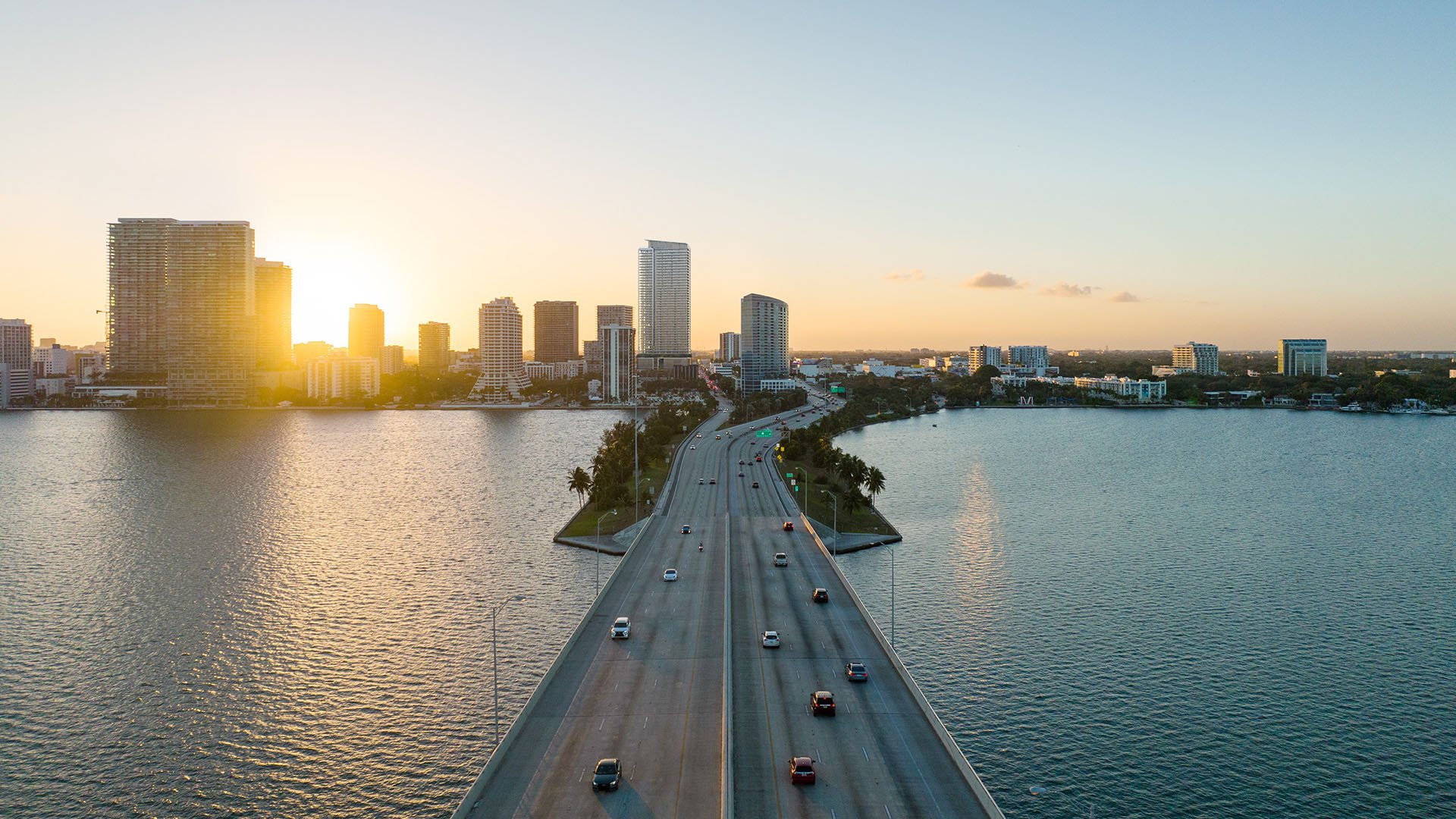
In ultra-prime real estate, long-term value is rarely anchored to a single amenity. It is about resilience: the ability of a location to stay effortless as tastes evolve, traffic patterns shift, and a new generation of buyers redefines “convenience.” Used correctly, neighborhood walk scores can be a disciplined way to gauge that resilience.
A strong walk score generally signals that daily life can be handled with fewer short car trips. Over a decade, that can translate into broader buyer appeal-especially for part-time residents, downsizers, and international owners who want a predictable routine without relying on a full-time driver. In practice, walkability can also reduce the friction of South Florida’s seasonality: when winter brings crowds, a walkable pocket can keep life enjoyable even as road congestion rises.
For long-term value, the sharper point is liquidity. Walkable neighborhoods often generate deeper resale demand because they sell an experience, not just a set of finishes. The view may be the headline, but the walk is the habit.
A walk score can overstate what matters at the top of the market. Luxury buyers do not simply ask, “Can I walk to something?” They ask, “Is the walk itself pleasant, safe, shaded, and private enough to repeat?”
A high score may reflect dense retail and frequent intersections, yet still feel punishing due to heat exposure, narrow sidewalks, poor crossings, or constant curb cuts. Conversely, a lower score can conceal a quietly exceptional lifestyle-particularly in waterfront areas where the route is scenic, the destinations are curated, and the sense of arrival is strong.
The evaluation, therefore, is not about chasing a number. It is about understanding what the number suggests about urban form, then confirming whether that form matches the buyer you are underwriting for: a full-time resident, a second-home owner, or an investor focused on long-term rentability.
Walk scores often compress multiple realities into a single figure. For value analysis, separate walkability into three buyer-relevant categories.
This is the ability to walk to essentials: groceries, pharmacy, coffee, fitness, and basic services. Daily-need walkability can strengthen long-term retention because it reduces dependence on traffic and makes a property feel genuinely livable beyond weekends.
In Brickell, for example, many owners prize a short, predictable routine to wellness and dining rather than a drive that turns into a negotiation. Within that context, residences such as 2200 Brickell tend to be assessed not only on architecture and interiors, but on how seamlessly the neighborhood supports day-to-day life.
This is proximity to the places that define a neighborhood’s identity: signature dining, galleries, parks, waterfront promenades, and cultural nodes. Lifestyle walkability often anchors pricing power because it is difficult to replicate quickly-and because it creates real emotional attachment.
In Miami Beach, the ideal is a walk that feels curated: ocean air, a few favorite rooms, and a return home without logistical effort. A building like 57 Ocean Miami Beach illustrates why: the luxury buyer’s “walk map” often prioritizes the experience of the route and the quality of the destination over the sheer count of nearby businesses.
South Florida’s most durable premiums frequently attach to open space: beach access, parks, and water views that remain protected or functionally scarce. Walkability to open space can matter as much as walkability to retail-especially as buyers emphasize health, outdoor time, and privacy.
In Hallandale, projects like 2000 Ocean Hallandale Beach are often considered through this lens. Even when daily errands still require a vehicle, the ability to walk to the shoreline and return home quickly can become a persistent, value-supporting advantage.
To judge long-term value, the most important walkability variables are often invisible to a standardized score. Sophisticated buyers and their advisors should verify the following at street level.
Shade and heat exposure: A route that is tolerable at 8 a.m. can be unusable at midday. Long-term desirability follows the comfort of repeatable routines.
Crossings and curb geometry: Wide turns, fast traffic, and long signal cycles can make a short distance functionally “unwalkable.”
Sidewalk continuity and aesthetics: Gaps, driveway interruptions, or construction staging can fracture the experience and erode the sense of ease.
Noise and service patterns: A lively street can be appealing, but late-night activity, deliveries, and idling vehicles can change the perceived luxury of the walk.
Perceived safety and privacy: Lighting, sightlines, and the presence of active frontages matter. Buyers pay for places where walking feels discreet.
These details determine whether a neighborhood’s walkability becomes a true value driver-or merely a marketing statistic.
Walkability can widen the buyer pool, but it can also change the mix. For a long-hold owner, this matters because different segments behave differently in down cycles.
Full-time residents often pay for daily-need convenience and may compromise on unit size if the neighborhood reduces friction.
Second-home buyers often value lifestyle walkability, especially when time is compressed and they want to avoid car logistics.
Investors typically prefer locations that support consistent tenant demand, where renters can live comfortably with minimal dependence on a vehicle.
However, some ultra-high-net-worth buyers prioritize privacy and controlled access above all else. In those cases, extreme walkability can read as exposure: more pedestrians, more noise, more unpredictability. The strongest long-term value often sits at the balance point-walkable enough to feel effortless, discreet enough to feel protected.
A walk score does not adjust for climate. In South Florida, the most compelling “walkable” neighborhoods are those that remain usable across seasons. Heat, humidity, storm events, and temporary flooding can all affect the quality of the walking environment and, by extension, long-term desirability.
Seasonality matters, too. Areas that feel charming in a quiet month can feel congested during peak season. Buyers should test the neighborhood’s walk pattern at multiple times-early morning, late afternoon, and evening-and on both weekdays and weekends.
Finally, consider construction cycles. A neighborhood can be improving, but multi-year streetscape disruption can temporarily undermine walkability and resident satisfaction. Long-term value analysis should separate a transient inconvenience from a structural limitation.
For MILLION Luxury clients, the best use of walk scores is as an underwriting framework.
Use the score as a screen, not a verdict. Start by filtering for neighborhoods that plausibly support the lifestyle you want.
Map your personal “walk loop.” Identify the two or three destinations you would genuinely use weekly-then walk that exact loop.
Evaluate the return path. Many routes feel pleasant in one direction and harsh in the other due to sun angle, traffic, or wind.
Price the difference between proximity and nuisance. Being near energy is valuable; being next to late-night energy can be expensive.
Cross-check with building design. A highly walkable neighborhood performs best when paired with residential design that buffers street activity: thoughtful lobby placement, acoustic performance, and a sense of arrival.
In Brickell, the new generation of branded and design-forward towers has sharpened the interplay between neighborhood convenience and residential sanctuary. Consider how a project like 888 Brickell by Dolce & Gabbana fits a specific buyer profile: one that values a strong urban cadence, but still expects a fully serviced, private residential experience once the front door closes.
The walkability that supports long-term value is the walkability you will actually use. Repeatable walking has three traits:
It is comfortable: shade, breeze, and a sense the route is designed for people.
It is efficient: crossings and sidewalks that do not turn a short distance into a chore.
It is rewarding: a destination worth reaching, whether that is a café, a park, or open water.
When these elements align, walkability becomes part of the property’s identity. That identity tends to hold up through design trends, remodel cycles, and market shifts.
Do higher walk scores always mean higher property values? Not always. In luxury markets, the quality of the walk and the neighborhood’s discretion can matter more than the number.
What is the biggest mistake buyers make when using walk scores? Treating the score as a substitute for walking the area. Micro-block conditions can completely change the lived experience.
How should second-home buyers think about walkability? Prioritize lifestyle walkability: a pleasant route to dining, wellness, and open space that makes short stays effortless.
Is walkability more important in Brickell than in beachfront areas? Often, yes for daily needs. Beachfront buyers may value open-space walkability more than retail density.
Can a low walk score still be a good long-term hold? Yes, if the location offers scarce advantages like waterfront access, privacy, or a signature neighborhood identity.
Does walkability affect long-term rental demand? Typically it can, since tenants often value easier daily routines and less reliance on a car.
What should I test on a walk that the score will not show? Shade, crossings, sidewalk continuity, noise, and whether the route feels safe and comfortable at night.
How does seasonality affect walkability in South Florida? Peak-season crowding and traffic can change the walking experience, so it is worth visiting at different times.
Can new development improve walkability over time? It can, especially when streetscapes and mixed-use nodes mature, but construction periods may temporarily reduce comfort.
What is the best single indicator of “luxury walkability”? Repeatability: if you would gladly walk the same loop several times a week, it is likely value-supportive.
When you're ready to tour or underwrite the options, connect with MILLION Luxury.
If branded residences are on your mind — as a home or as an allocation — we would be glad to share what we are seeing, privately.
Begin a quiet conversation