Miami luxury condo ownership requires a deeper read than the monthly HOA line. Buyers should underwrite reserves, insurance, recertification, SIRS compliance, and special assessment exposure before treating a building as fully comparable.

In Miami luxury real estate, a high monthly condominium fee can be easy to understand. Full-service lobbies, staffed amenities, resort pools, valet operations, private dining rooms, wellness suites, and waterfront maintenance all carry visible costs. The more sophisticated question is what sits behind the fee: reserves, insurance, inspection obligations, deferred maintenance, and the possibility of a special assessment.
For a buyer comparing Brickell, Miami Beach, Surfside, Sunny Isles, and other waterfront addresses, the monthly HOA line is only the opening chapter. Florida condominium associations adopt annual budgets that include estimated revenues, expenses, and reserve accounts for capital expenditures and deferred maintenance. Dues may therefore reflect more than day-to-day service. They may also account for roof replacement, building painting, pavement resurfacing, and other capital work that must be funded over time.
The luxury buyer’s advantage is not finding the lowest fee. It is understanding whether the fee is honest, current, and aligned with the building’s true obligations.
A polished amenity deck can distract from the association budget, but the budget is where ownership cost becomes legible. Buyers should look for regular operating expenses, reserve contributions, insurance costs, and any line items that suggest capital catch-up. A lower fee can be attractive, but it may mean less if reserves are thin or major repairs are approaching.
In newer urban buildings such as The Residences at 1428 Brickell, buyers often expect substantial amenity programming and a service-forward budget. In established resale buildings, the more revealing question may be whether prior boards kept pace with structural, mechanical, waterproofing, and exterior obligations. The fee is not simply a lifestyle charge. It is an expression of governance.
A careful buyer should ask for the current budget, recent financial statements, reserve schedules, board minutes, pending litigation materials, insurance declarations, deductible schedules, engineer materials, bids, inspection records, and any documents that reference approved or discussed assessments. These are not ceremonial requests. They are essential to understanding what ownership may cost after closing.
Florida’s post-Surfside environment has made reserves more prominent and less discretionary for many high-rise condominium buildings. The collapse of Champlain Towers South in Surfside, where 98 people died, remains the policy backdrop for stricter inspection and reserve rules. The result is a market where buyers must treat structural funding as part of the purchase analysis, not a back-office association detail.
Certain condominium and cooperative associations in buildings three stories or higher must complete a Structural Integrity Reserve Study, commonly called a SIRS. This study is designed to evaluate major building components, including roofs, load-bearing walls, floors, foundations, fire protection, plumbing, electrical systems, waterproofing, exterior painting, windows, and exterior doors. For SIRS-covered items, associations face restrictions on waiving or underfunding reserves.
That shift matters. A building that once kept monthly dues low by delaying reserve contributions may now face a more direct funding requirement. For luxury buyers, this can reshape the economics of both acquisition and hold period. Investment decisions should account for whether today’s fee reflects a mature reserve plan or merely the beginning of a larger correction.
Florida created milestone inspection requirements for condominium and cooperative buildings that are three stories or higher. These inspections are intended to determine whether a building shows substantial structural deterioration and whether additional inspection or repair work is needed. Separately, Miami-Dade County has a building recertification program requiring qualifying buildings to be recertified at 30 years and every 10 years afterward.
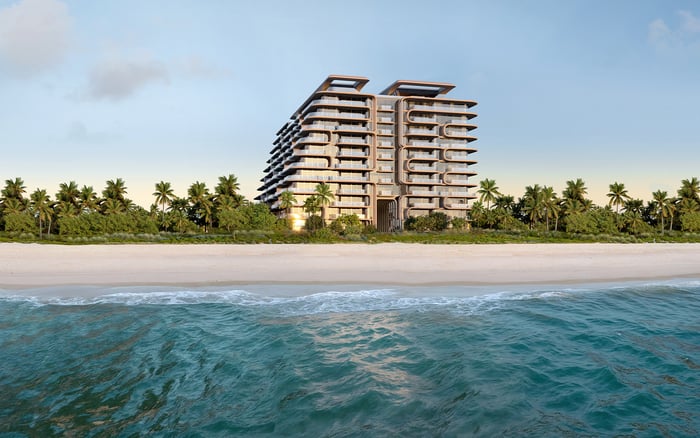
This is especially important in oceanfront and coastal markets, where salt, wind, water intrusion, and age can intersect with premium pricing. A trophy view does not exempt a building from structural reality. Buyers comparing boutique coastal residences, including The Delmore Surfside, with older nearby towers should separate lifestyle desirability from building-specific capital exposure.
The due diligence question is simple: has the building completed its required inspection or recertification work, and if so, what repairs were identified? If work remains pending, the buyer should ask how it will be funded, whether bids exist, whether reserves are sufficient, and whether a special assessment has been approved, discussed, or disclosed.
Florida condominium associations must carry adequate property insurance based on replacement cost, with replacement cost determined by an independent insurance appraisal or update at least every 36 months. For Miami luxury buyers, this requirement is not merely technical. Replacement-cost assumptions can influence association premiums, deductibles, and the broader cost structure of ownership.
The association’s master policy generally does not cover many owner-level items, including personal property, floor coverings, wall coverings, ceiling coverings, appliances, water heaters, water filters, built-in cabinets, countertops, window treatments, and certain electrical fixtures. Buyers should therefore evaluate their own unit-owner insurance separately, including loss-assessment exposure and possible deductible allocations.
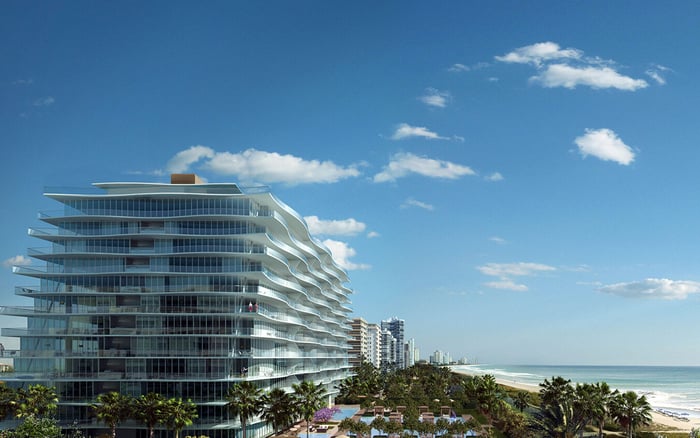
Flood exposure is another distinct issue for waterfront and low-lying properties. Federal flood insurance pricing considers flood risk, property characteristics, and coverage choices. A buyer looking at a waterfront home in Miami Beach, such as The Perigon Miami Beach, should not assume the master policy, unit policy, and flood exposure all answer the same question. They are related, but they are not interchangeable.
Special assessment risk is material because condominium associations can levy assessments, and buyers should review whether pending or approved assessments appear in association documents and estoppel disclosures. Florida law also requires special-assessment meeting notices to disclose that assessments will be considered and to describe their nature.
For buyers, the danger is not only an assessment that has already passed. It is the assessment visible in the records before it becomes formal. Board minutes, engineering discussions, reserve shortfalls, insurance deductible changes, recertification repairs, and contractor bids can all signal future cost. A well-advised buyer reads the pattern, not just the headline.
Financing can also be affected. Condo projects with major deferred maintenance, unsafe conditions, inadequate insurance, or problematic special assessments may face eligibility concerns for certain condominium loans. Cash buyers may feel insulated from lending rules, but resale liquidity often depends on whether future purchasers can finance.
New-construction does not mean inexpensive monthly ownership. In many luxury towers, fees reflect staffing, amenities, insurance, management, reserves, and the complexity of a highly serviced residential environment. Buildings such as St. Regis® Residences Sunny Isles may appeal to buyers who prefer a contemporary ownership platform, but the correct question remains the same: what is included, what is reserved, and what remains the owner’s responsibility?
Older coastal towers can present a different profile. They may have irreplaceable locations and generous layouts, but they can also carry more exposure to recertification work, reserve catch-up, insurance repricing, concrete restoration, waterproofing, and special assessments. The right answer is not automatically new or old. The right answer is the building whose documents align with the buyer’s risk tolerance.
For the ultra-premium buyer, discretion and discipline matter. The most elegant purchase is not merely the unit with the best view. It is the unit in a building whose financial architecture is as carefully considered as its physical architecture.
Are high HOA fees always a warning sign? Not necessarily. A higher fee may reflect real staffing, amenities, insurance, and reserve funding, while a low fee may indicate deferred costs.
What documents should a Miami condo buyer request first? Start with the budget, reserve schedule, SIRS if applicable, inspection or recertification materials, insurance declarations, board minutes, and assessment disclosures.
What is a Structural Integrity Reserve Study? A SIRS evaluates major structural and building systems in certain three-story-or-higher condominium and cooperative buildings.
Can a condo association waive reserves? For SIRS-covered items, Florida law restricts waiving or underfunding reserves, making reserve planning more important for many buildings.
Why does Miami-Dade recertification matter? Qualifying buildings must be recertified at 30 years and every 10 years afterward, which can reveal repair needs and funding requirements.
Does the master insurance policy cover my interiors? Often not fully. Many unit-owner items, including personal property, floor coverings, appliances, cabinetry, and window treatments, may require separate coverage.
Should waterfront buyers think separately about flood insurance? Yes. Flood risk is a separate underwriting concern, especially for waterfront and low-lying Miami properties.
How can a special assessment affect resale value? It can alter carrying costs, buyer confidence, and financing availability, especially if tied to major deferred maintenance or insurance concerns.
Is a new luxury condo always lower risk than an older building? No. Newer buildings may have modern systems but higher service costs, while older buildings require deeper review of reserves, repairs, and inspections.
What is the best way to compare two Miami condo buildings? Compare not only price and amenities, but also reserves, insurance, inspection status, assessments, governance, and future capital obligations.
For a discreet conversation and a curated building-by-building shortlist, connect with MILLION.
If branded residences are on your mind — as a home or as an allocation — we would be glad to share what we are seeing, privately.
Begin a quiet conversation