How to choose between a beach address and a bayfront address when both look equally luxurious
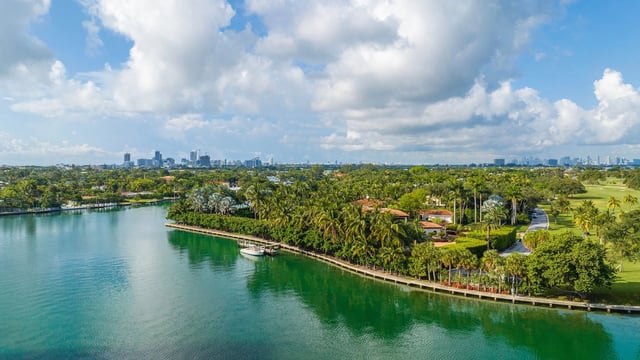
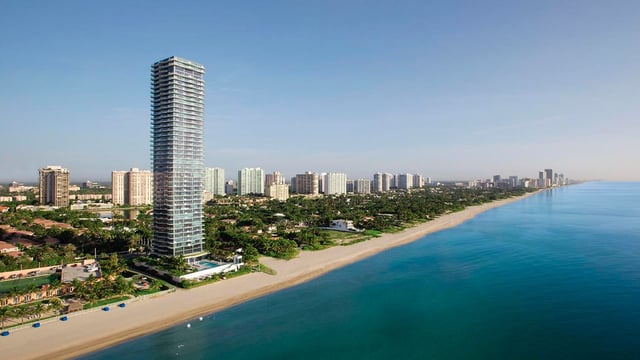
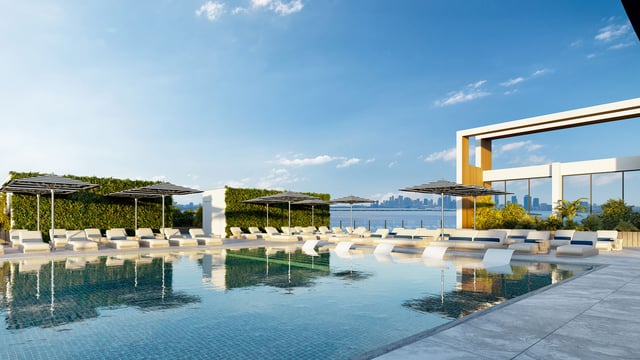
A beach address and a bayfront address can appear equally polished on first viewing, but they deliver very different ownership experiences in South Florida. For luxury buyers, the distinction is less about aesthetics and more about how you intend to live: beach generally favors direct sand access, hospitality energy, and strong rental appeal, while bayfront tends to reward boating utility, privacy, and private dockage. The decisive comparison is practical. Buyers should evaluate flood designation, elevation, insurance exposure, shoreline or seawall obligations, zoning limits, view protection, and the daily rhythm of each setting before choosing the waterfront lifestyle that truly fits.
Why some buyers choose intra-coastal frontage over direct oceanfront even at the highest price points
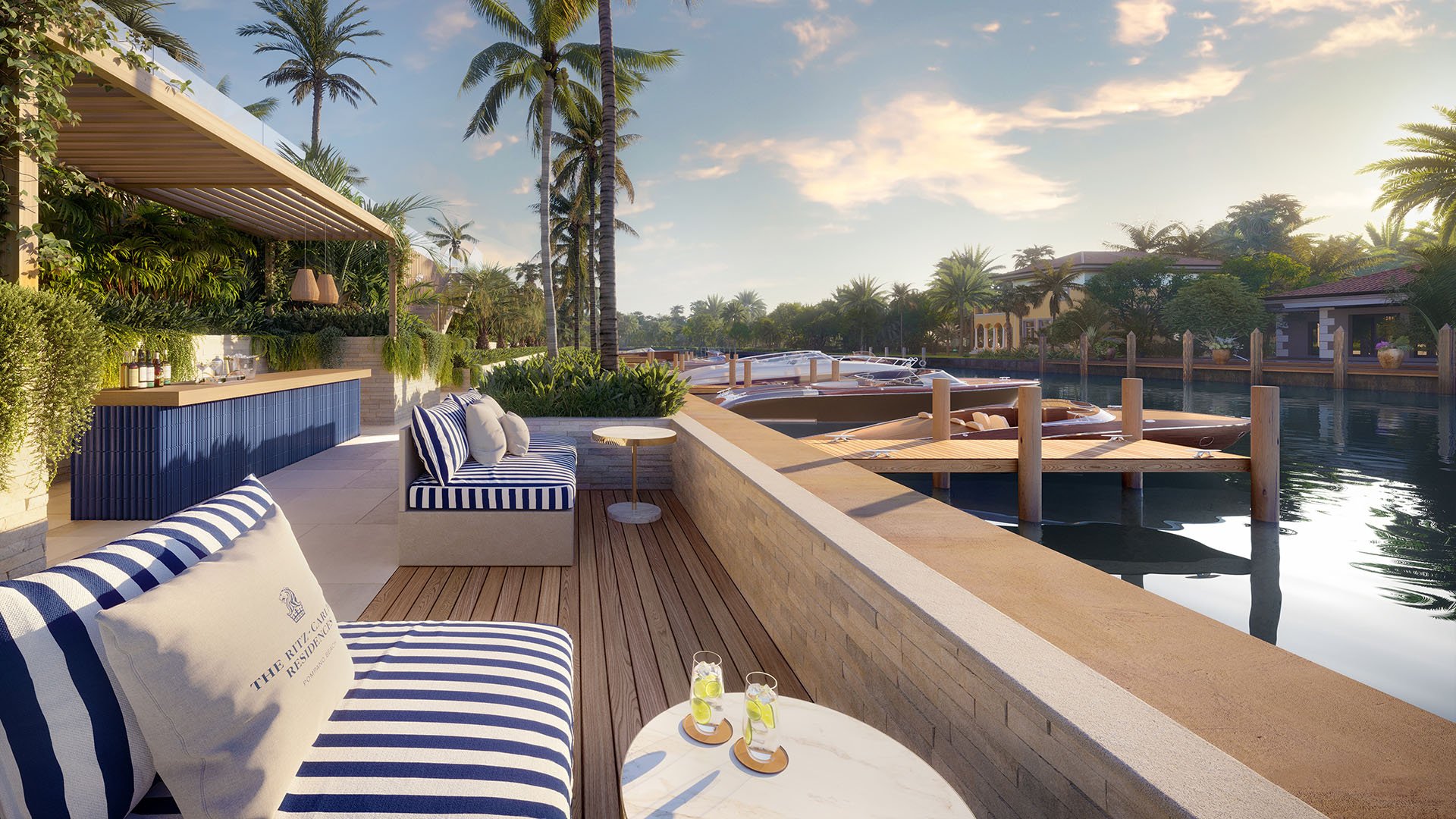
For a certain tier of South Florida buyer, the most expensive address is not automatically the most suitable one. Intracoastal and bayfront homes can offer a more nuanced luxury equation than direct oceanfront property, combining privacy, practical dockage, moderated exposure, and a stronger fit for year-round living. At the highest price points, the decision is often less about prestige and more about how the residence performs every day.

Fisher Island with different kinds of seclusion: Palazzo della Luna vs The Links Estates at Fisher Island
On Fisher-island, privacy is a shared baseline, but the expression of seclusion changes dramatically between Palazzo della Luna Fisher Island and The Links Estates at Fisher Island. One delivers a boutique waterfront condominium with private elevator arrival, restrained resident count, and a highly serviced atmosphere. The other offers detached single-family-homes along the golf landscape, where privacy comes from physical spacing, private grounds, and a more horizontal relationship to the island. For buyers evaluating Golf, Marina access, and the subtle differences between Boutique condominium living and estate ownership, the real question is not which address is more secluded, but which kind of seclusion feels more natural to daily life.

How to judge whether a marina is actually useful to your boating life
A beautiful dock is not necessarily a practical one. For South Florida boat owners, the right marina is defined less by optics than by fit: depth at low tide, slip dimensions, storm planning, service access, contract terms, and the simple efficiency of getting from residence to open water without friction.
Palm Beach lakefront or oceanfront: which daily rhythm actually suits a full-time luxury buyer?
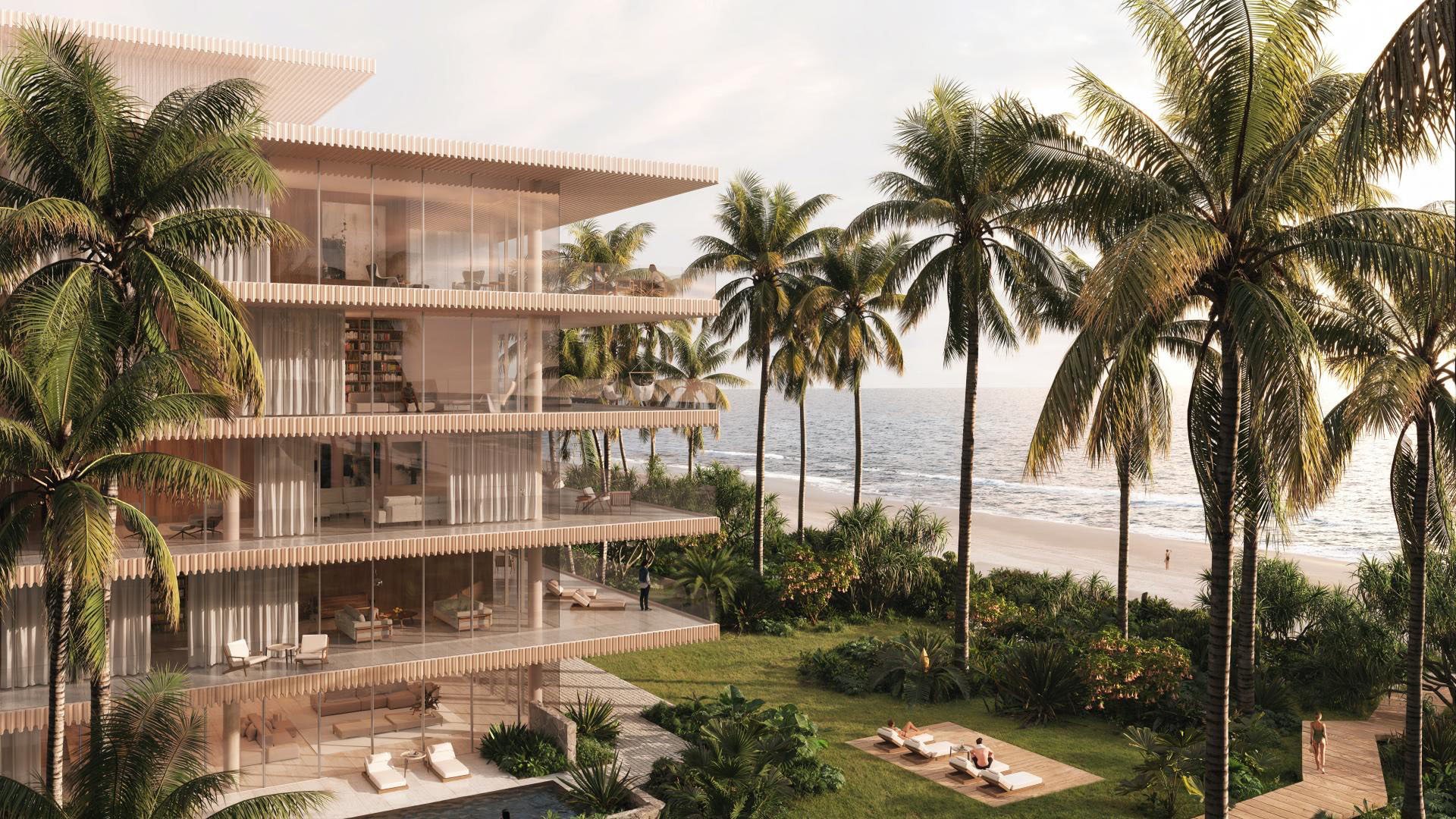
For Palm Beach full-time luxury buyers, the decisive difference between oceanfront and lakefront is not prestige but daily cadence. Oceanfront living is beach-first, public-edge, tide-aware, and more exposed to erosion and storm conditions. Lakefront in this market usually means Lake Worth Lagoon or Intracoastal frontage: calmer, dock-oriented, and more consistent for boating, but more dependent on water quality, dock upkeep, and navigability. The right choice comes down to whether a buyer wants mornings shaped by surf and shoreline or evenings organized around a boat slip, protected water, and a quieter edge.
How to compare noise exposure from rooftop amenities, marinas, and nearby nightlife before closing
For luxury buyers in South Florida, noise due diligence should be as disciplined as title, reserves, and view analysis. The smartest comparison blends timed site visits, zoning review, complaint-history checks, glazing scrutiny, and, when warranted, formal acoustic testing before contingencies expire.