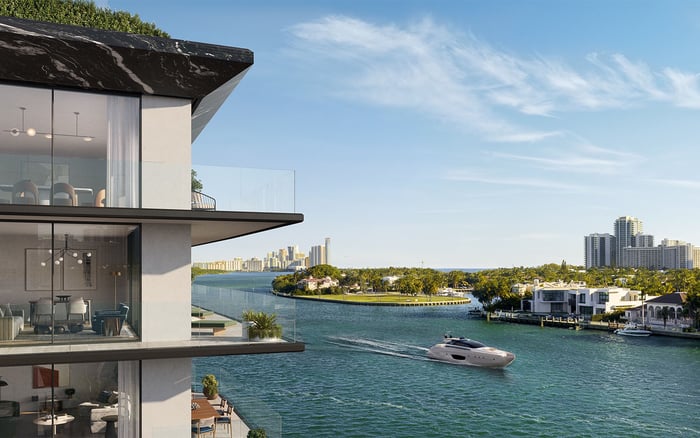
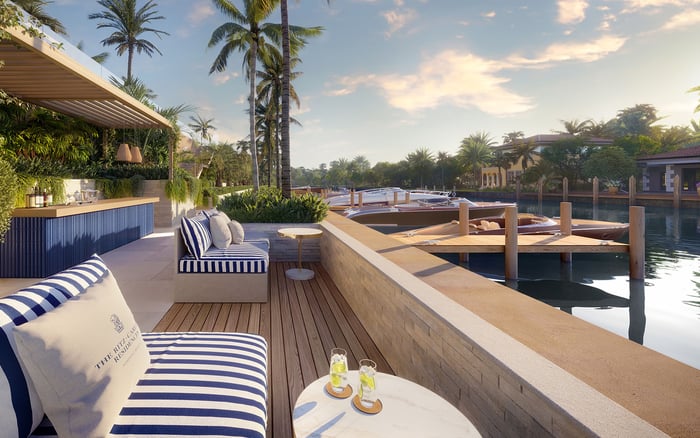
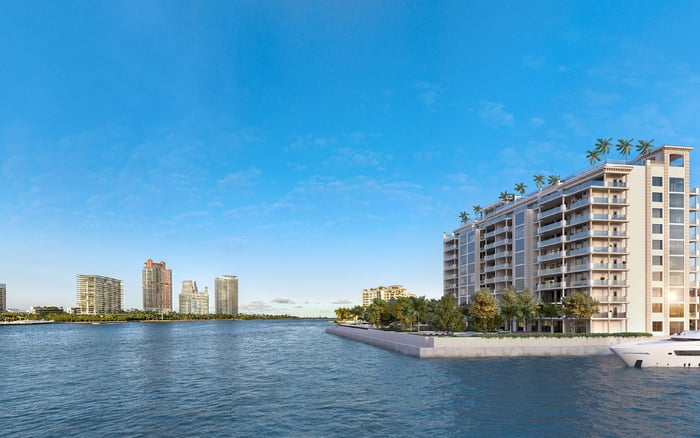
A beach address and a bayfront address can appear equally polished on first viewing, but they deliver very different ownership experiences in South Florida. For luxury buyers, the distinction is less about aesthetics and more about how you intend to live: beach generally favors direct sand access, hospitality energy, and strong rental appeal, while bayfront tends to reward boating utility, privacy, and private dockage. The decisive comparison is practical. Buyers should evaluate flood designation, elevation, insurance exposure, shoreline or seawall obligations, zoning limits, view protection, and the daily rhythm of each setting before choosing the waterfront lifestyle that truly fits.
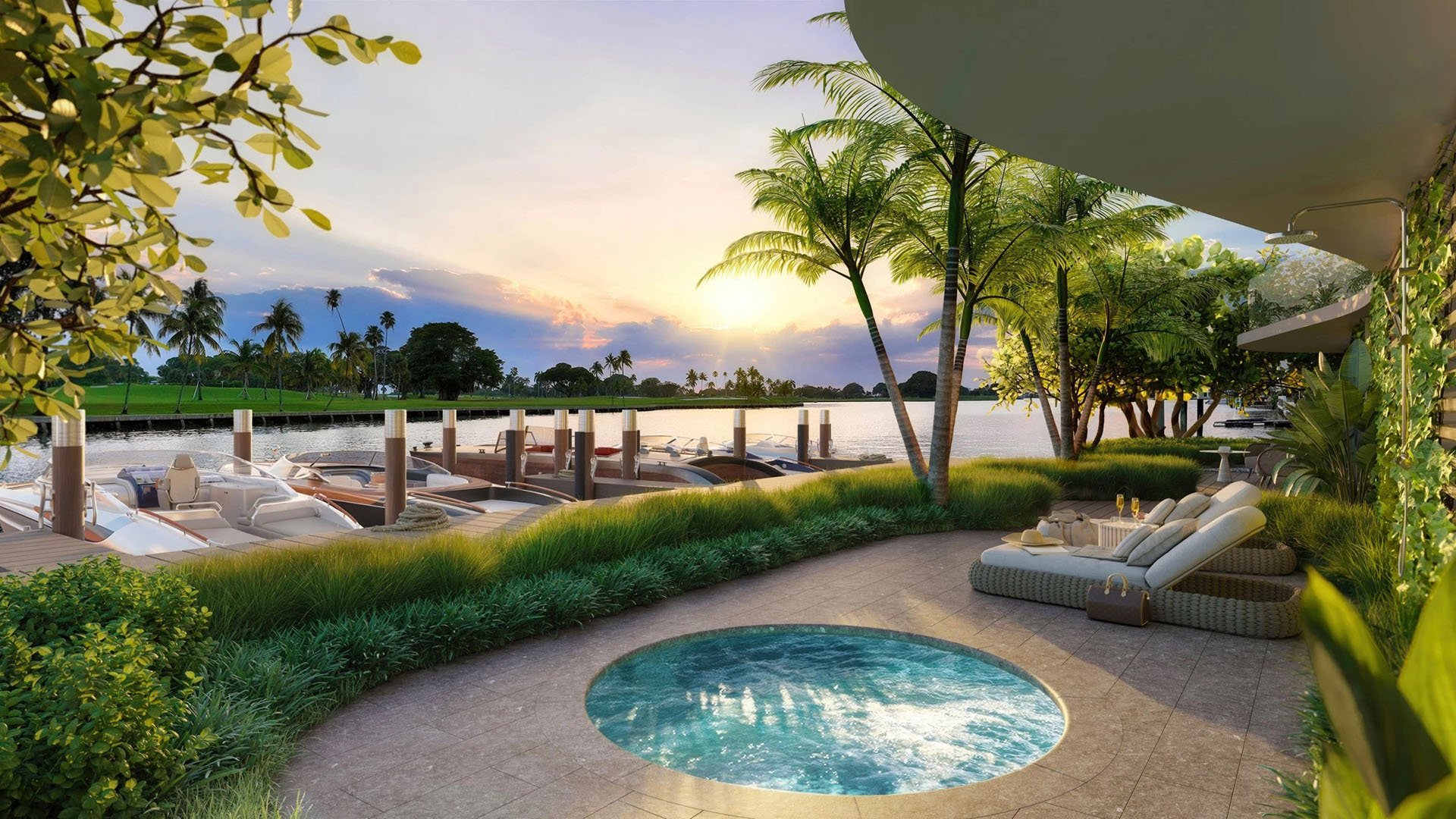
In South Florida, the hardest luxury decisions are often the most visually seductive. A flawless oceanfront residence and a polished bayfront home can present the same signals of prestige: expansive terraces, water views, private amenities, and impeccable design. Yet beach and bay represent two distinct ownership models.
Beach addresses usually trade at a premium because true direct ocean frontage and deeded beach access are scarcer than bayfront inventory. That premium can be justified for buyers who want the certainty of an ocean horizon, immediate sand access, and the social prestige that comes with an oceanfront setting. Properties such as The Perigon Miami Beach embody that appeal: the water is not simply a view, but the center of daily life.
Bayfront, by contrast, tends to be a more operational kind of luxury. It is often the better choice for owners who want private dockage, quick boating access, and a quieter relationship to the waterfront. At projects such as Onda Bay Harbor and The Ritz-Carlton Residences® Miami Beach, the value proposition is less about public beachfront symbolism and more about control, privacy, and nautical function.
The right decision begins with one question: do you want to live with the beach, or do you want to use the water?
A beach address delivers a particular kind of ease. Step outside and the experience is already defined by geography: open horizon, direct access to sand, sunrise light, and a sense of resort-like continuity that is difficult to replicate inland or along the bay. For second-home buyers and those who entertain often, that immediate glamour can feel effortlessly complete.
It can also be commercially attractive. Oceanfront locations generally enjoy stronger short-term traveler demand because beach access is simple to understand and easy to market. For buyers balancing personal use with investment considerations, that matters. The appeal is intuitive, which tends to support broader demand.
But beach prestige is also more public-facing. The most coveted sand-adjacent areas can bring tourism, pedestrian activity, service traffic, and ambient energy that some owners enjoy and others ultimately resist. A refined tower such as Rivage Bal Harbour may deliver privacy within its walls, but the surrounding environment of a beach address is rarely as secluded as buyers first imagine.
There is also the question of shoreline management. Beach ownership is tied to a broader coastal system, including erosion response and nourishment work that extend far beyond a single parcel. In practical terms, the shoreline outside a residence is not entirely a private asset in the way many buyers assume.
For buyers who keep a vessel, entertain by water, or prefer a more residential rhythm, bayfront often wins decisively. Deep-water dockage, private slips, and easier access to Biscayne Bay or the Intracoastal create a level of convenience that a beach address typically cannot match.
This is why boating-focused buyers are often drawn to bayfront product. The appeal is not just visual. It is functional. A calm arrival by boat, immediate departure without marina transfers, and the possibility of larger-vessel accommodation can make bayfront ownership feel more bespoke than beach living.
The trade-off is that bayfront luxury comes with more direct responsibility. Seawalls, docks, pilings, and constant marine exposure are not aesthetic footnotes. They are substantial maintenance lines. In addition, seawall standards have evolved, so a buyer should confirm whether an existing seawall meets current or future resilience expectations before closing. The same caution applies to dock expansions, dredging, and shoreline work, all of which can be more regulated than purchasers expect.
That quieter, more private feel is real, especially in protected residential stretches and Bay Harbor settings. Yet it comes with fewer built-in resort cues. If your ideal morning starts with a walk on the sand and your ideal afternoon depends on spontaneous beachfront dining, the bay may feel elegant but slightly removed.
No luxury waterfront purchase in South Florida should be decided on atmosphere alone. Flood risk is determined by mapped flood zones and elevation, not by the simplistic idea that beach is riskier or bay is safer. Each property has to be evaluated individually.
That means reviewing the flood designation, elevation certificate, finished-floor height, and any history of nuisance flooding. In many high-risk coastal zones, mortgaged homes may require flood insurance, and the cost implications can be material even at the highest end of the market.
Sea-level rise and high-tide flooding also make everyday resilience part of the ownership conversation. Buyers should inspect infrastructure as carefully as interiors, especially in older coastal areas where stormwater, wastewater, drainage capacity, and local resilience upgrades can shape long-term carrying costs. This is as relevant in Miami Beach environments as it is along more sheltered Bay Harbor and marina-oriented addresses.
Luxury buyers often assume any waterfront view is equally durable. It is not.
A beach address frequently offers greater certainty of horizon. The ocean is a permanent foreground, and while neighboring development still matters, the core view corridor is difficult to replicate or obstruct. Bayfront views can be softer, greener, and more intimate, but they may also be more vulnerable to future construction across the water, depending on zoning, setbacks, and the treatment of nearby parcels.
That does not make bay views inferior. In many cases they are more nuanced and more livable, particularly at dusk when skyline reflections and boat traffic animate the water. It simply means buyers should evaluate not only the current panorama, but the planning framework around it.
If you define luxury as daily beach access, a resort atmosphere, broad social recognition, and strong appeal for guests or renters, a beach address usually has the clearer edge. It excels at immediate gratification.
If you define luxury as privacy, private dockage, boating convenience, and a quieter residential tempo, bayfront tends to be the stronger fit. It excels at utility concealed within elegance.
For many buyers, the smartest way to decide is to score each property against five questions: How often will you actually use a boat? How important is walkable sand access? How much maintenance responsibility do you want to internalize? How sensitive are you to public activity and noise? How defensible is the view over the next decade?
The answer is rarely about which address looks richer in photographs. It is about which one feels more natural on an ordinary Tuesday.
Before making a final decision between beach and bay, ask your advisors to verify the items that most directly affect ownership quality:
Flood zone and elevation, including finished-floor height
Current and projected flood insurance implications
Seawall condition, compliance, and possible future upgrades
Dock permits, pilings, and any limitations on marine improvements
Zoning rules affecting setbacks, shoreline work, and view vulnerability
Drainage, stormwater, and resilience infrastructure in the immediate area
These details may not photograph well, but they often determine whether a waterfront purchase remains effortless or becomes unexpectedly managerial.
Is a beach address always more expensive than a bayfront address? Beach homes often command a premium because direct ocean frontage and deeded beach access are scarcer, but pricing still depends on the specific property, condition, and location.
Which setting is usually better for boating? Bayfront usually wins if boating is central to your lifestyle because private dockage and easier access to Biscayne Bay or the Intracoastal are major advantages.
Which location tends to feel more private? Bayfront homes on quieter residential stretches often feel more private, while beach addresses tend to be more public-facing and active.
Is beach or bay automatically safer from flooding? Neither is automatically safer. The more useful comparison is each property’s flood zone, elevation, and resilience profile.
Does bayfront ownership usually require more maintenance? Often yes. Seawalls, docks, pilings, and marine exposure can create maintenance obligations that many beach-condo owners do not face in the same way.
Is a beach address generally better for rental appeal? In many cases, yes. Direct beach access is an easy luxury amenity to market and tends to have broad traveler appeal.
Can a bayfront view change over time? Yes. Bayfront views can be affected by future development across the water, so zoning and surrounding parcels should be reviewed carefully.
What should buyers review before purchasing bayfront? Focus on seawall condition, dock permits, pilings, shoreline regulations, and whether any waterfront improvements would need approvals.
What should buyers review before purchasing beachfront? Review flood designation, elevation, insurance exposure, building resilience, and the practical implications of shoreline management in that area.
What is the simplest way to choose between beach and bay? Choose beach if you want direct sand access and a resort feel. Choose bay if you want dockage, boating utility, and a quieter style of luxury.
To compare the best-fit options with clarity, connect with MILLION.
If branded residences are on your mind — as a home or as an allocation — we would be glad to share what we are seeing, privately.
Begin a quiet conversation