For luxury buyers in South Florida, noise due diligence should be as disciplined as title, reserves, and view analysis. The smartest comparison blends timed site visits, zoning review, complaint-history checks, glazing scrutiny, and, when warranted, formal acoustic testing before contingencies expire.
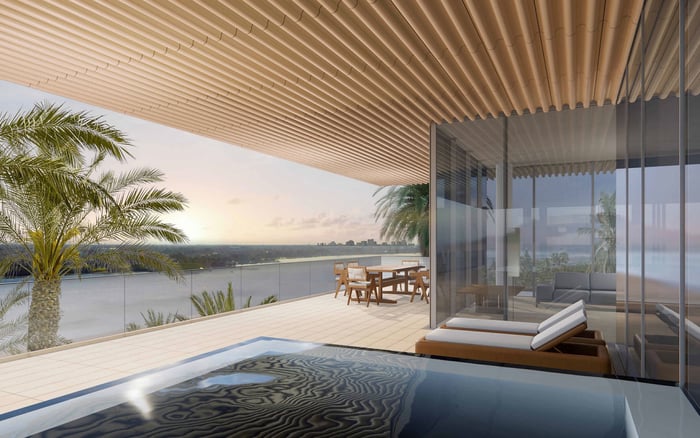
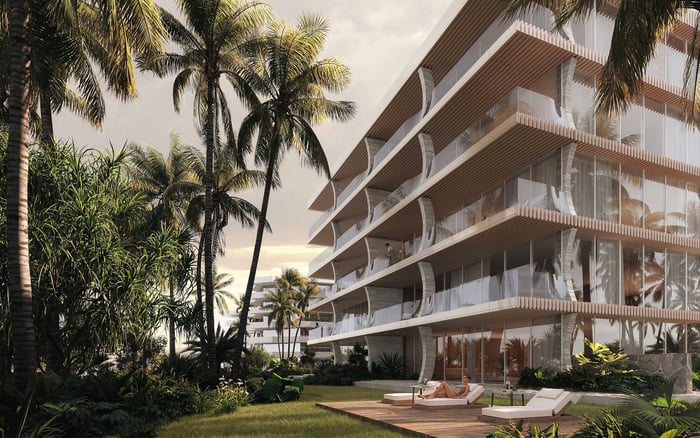
In South Florida, the same features that create an exceptional lifestyle can also shape a property’s sound profile. A dramatic rooftop pool deck, a slip-lined waterfront, or a residence a block from coveted dining and late-night venues may read as amenities on paper. In practice, each can introduce recurring sound patterns that affect sleep, privacy, and long-term enjoyment.
For discerning buyers, the right question is not whether an address is lively, but whether the sound reaching the residence is acceptable at the hours that matter most. A refined tower in Brickell, a marina-oriented home in Fort Lauderdale, and an oceanfront property near entertainment corridors in Miami Beach all call for different evaluation methods. This is especially true when comparing projects such as Una Residences Brickell, St. Regis® Residences Bahia Mar Fort Lauderdale, or The Ritz-Carlton Residences® South Beach, where waterfront access, social amenities, and neighborhood context can all influence the acoustic experience.
A useful baseline is simple. Normal conversation sits around 60 dB, while sound at or below roughly 70 dBA is generally considered safe over time. Buyers do not need to become acousticians overnight, but they should understand that repeated exposure above comfortable levels, particularly late at night or early in the morning, is not a design detail. It is a livability issue.
Before touring, separate the possible exposure into three categories.
Rooftop amenity noise is usually episodic. Think music, voices, moving furniture, private events, or frequent use of terraces and pool decks above or adjacent to the unit. The issue is often not constant loudness, but recurrence and timing.
Marina noise is usually operational. Engine startup, vessel departures, repair activity, dock carts, fueling, and service functions may begin earlier than many buyers expect. This profile can feel modest in the afternoon and materially different at first light.
Nightlife noise is usually neighborhood-driven. Music bleed, valet activity, street traffic, and crowd dispersal can continue well after venues close. In mixed-use and commercial corridors, what matters is not merely the nearest bar today, but what surrounding parcels are entitled to become.
Treating these as separate exposures helps buyers avoid a common mistake: assuming a beautiful afternoon showing reflects the property’s true sound conditions.
A single showing is almost never enough. The most useful comparison starts with at least two timed visits.
For nightlife and rooftop activity, visit on a Friday or Saturday night when entertainment uses are most active. Stay long enough to experience arrival patterns, peak activity, and the period when guests begin to leave. If the residence sits near a commercial corridor in Brickell or a hospitality-rich pocket of Miami Beach, the difference between 3 p.m. and 11 p.m. can be decisive.
For marina-adjacent property, schedule a weekday early-morning visit. That is when departures, dock operations, and service routines are most likely to reveal themselves. A waterfront address such as Riva Residenze Fort Lauderdale may offer an elegant yachting context, but buyers should still ask about the operational rhythm at the nearby docks.
If you are comparing two residences, do the same visits in both locations and take simple notes: where the sound originates, how long it lasts, whether it penetrates closed interiors, and whether bedrooms feel materially different from living areas or terraces.
Luxury buyers often describe a building as quiet, active, or energetic. Those impressions matter, but they should not be the only framework.
In Miami-Dade, maximum sound levels depend in part on zoning district and time period. That means a residence near a mixed-use rooftop venue or a commercial corridor should be evaluated differently from a property in a lower-intensity residential setting. In Broward, buyers should confirm the precise jurisdiction and enforcement path rather than assuming one countywide standard answers the question.
This is where planning review becomes practical. Look at nearby zoning and land-use designations. Entertainment, mixed-use, commercial, and marina-supportive parcels can sustain a louder operating environment than purely residential blocks. For buyers considering ORA by Casa Tua Brickell or a nearby Brickell tower, that review can be as important as the current tenant mix on the street.
In short, do not just ask, “Was it loud when I toured?” Ask, “What is this neighborhood allowed to do over time?”
Two residences in the same tower can perform very differently acoustically. Window assemblies, glazing quality, seals, orientation, floor level, and bedroom placement all influence how exterior sound is perceived indoors.
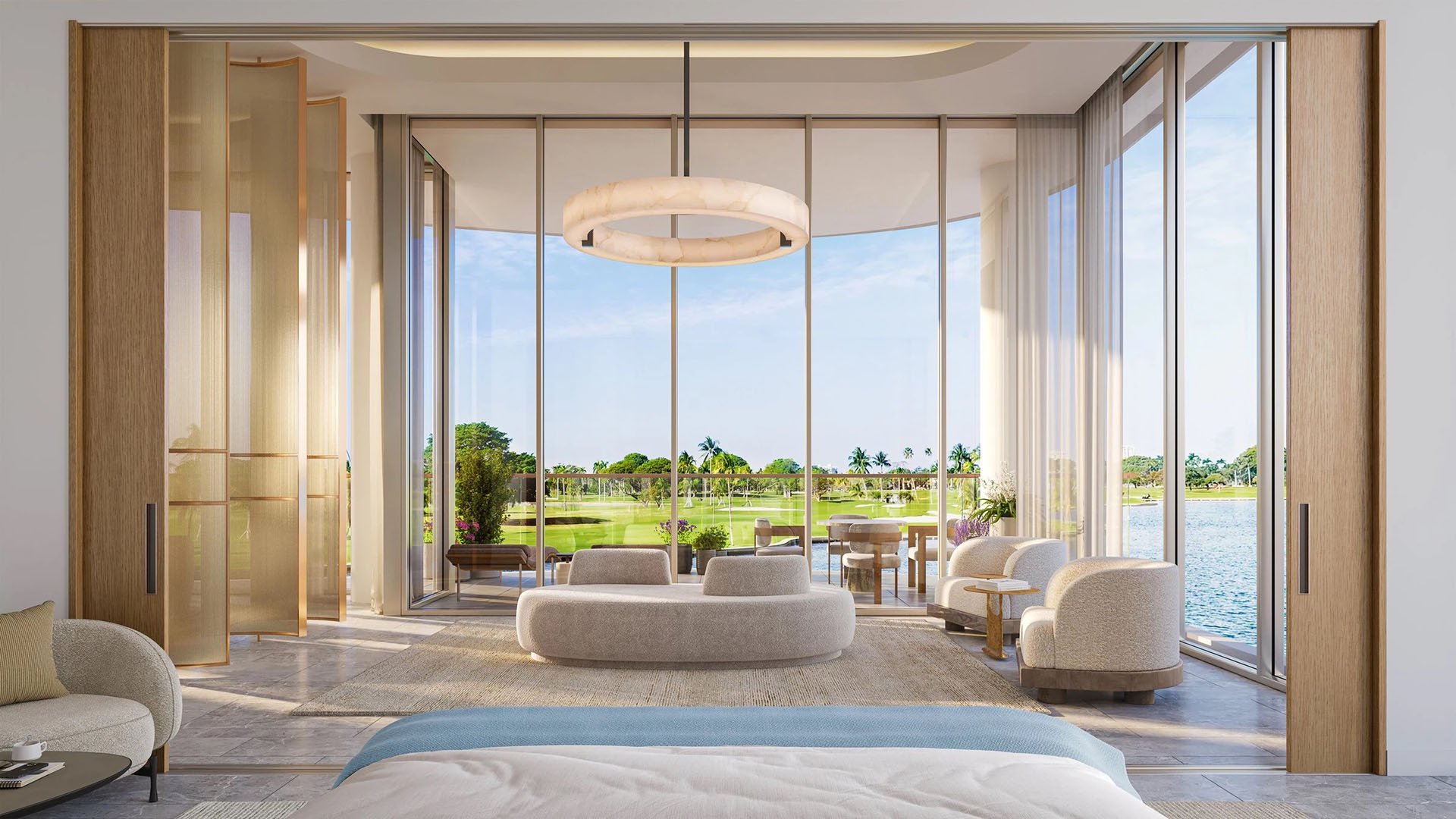
Large expanses of glass and generous terraces can heighten a sense of exposure, especially when a unit faces an active rooftop, waterway, or nightlife corridor. That does not make the residence inferior. It simply means the comparison should happen under closed-window conditions in the rooms where quiet matters most.
When touring, step into interior bedrooms, close the doors, and listen there. Ask what glazing system was installed and whether any acoustic upgrades were included in the original construction or later renovation work. Permit files and building plans can help answer that question. This is particularly relevant in sleek, glass-forward product, from 57 Ocean Miami Beach to boutique waterfront developments where view lines are a defining feature.
If a sound issue is recurring, it often leaves a paper trail.
Complaint history can be a meaningful due-diligence tool, especially when evaluating rooftop parties, late-night music, or repeated disturbances from nearby venues. Court dockets can also reveal prior disputes involving a building, association, neighboring property, or business operator. Neither record tells the whole story, but both can help distinguish a one-off inconvenience from a pattern.
Seller disclosures deserve careful review as well, though they should not be treated as a complete acoustic report. A disclosure may mention a condition without quantifying frequency, duration, or whether nearby operations could intensify later.
For marina-adjacent homes, ask direct operational questions: fuel dock hours, repair activity, and whether the mix skews recreational or commercial. For nightlife-adjacent property, review permits and zoning with future use in mind, not just present conditions.
If a buyer is highly sensitive to noise, purchasing a trophy residence near an active corridor, or considering waiving contingencies on a property with obvious exposure, formal measurement is often worth the discretion and expense.
A short walkthrough can miss intermittent sources such as DJs, event setups, vessel departures, or late dispersal from nearby venues. Multi-day monitoring is more reliable than a single reading because it captures variability. For an ultra-premium purchase, that level of diligence can be more economical than discovering after closing that a signature view comes with a signature soundtrack.
This matters because post-closing noise disputes can turn into nuisance or enforcement matters, and those remedies are rarely elegant. The better strategy is to investigate thoroughly before the transaction hardens.
The most effective comparison is disciplined rather than complicated.
First, schedule two targeted visits: one late at night and one during likely marina operating hours. Second, review local code, zoning, and land use for the building and surrounding parcels. Third, compare the unit’s glazing, orientation, and bedroom placement rather than judging from the balcony alone. Fourth, check complaint history, disclosures, and any public records that suggest recurring disputes. Fifth, if the location is acoustically sensitive, consider formal testing before waiving contingencies.
For buyers in Miami Beach, Brickell, Fort Lauderdale, or any marina setting, this process converts atmosphere into data. That is the difference between buying a glamorous address and buying one that remains livable long after closing.
What is the best first step when evaluating noise before closing? Schedule at least two visits at realistic hours, including a late-night visit and an early-morning check if a marina is nearby.
Is a daytime showing enough to judge rooftop or nightlife noise? No. The most meaningful sound patterns often appear when rooftop gatherings or nearby venues are busiest.
How should I think about decibel levels during a tour? Use normal conversation as a rough baseline and pay close attention to whether the unit feels materially louder than that over sustained periods.
Does zoning really matter for noise? Yes. Sound limits and future activity potential can depend on whether surrounding parcels are residential, mixed-use, entertainment-oriented, or marina-supportive.
Can two units in the same building sound different? Absolutely. Orientation, glazing, floor level, terrace exposure, and bedroom placement can materially change interior quiet.
Should I test noise with windows open or closed? Both, but closed-window conditions matter most because they reflect how bedrooms and living spaces will actually perform at night.
What should I ask if the property is near a marina? Ask about fuel dock hours, repair work, vessel type mix, and the timing of regular departures and service activity.
What should I review near nightlife corridors? Look beyond current tenants and review zoning, permit context, complaint history, and whether nearby uses can intensify over time.
When is an acoustical consultant worth hiring? When the purchase is high-stakes, the buyer is noise-sensitive, or the residence sits near obvious rooftop, marina, or nightlife exposure.
Why is pre-closing investigation so important? Because resolving noise issues after closing can be slow, expensive, and far less effective than identifying them in advance.
If you'd like a private walkthrough and a curated shortlist, connect with MILLION.
If branded residences are on your mind — as a home or as an allocation — we would be glad to share what we are seeing, privately.
Begin a quiet conversation