A discreet guide for New York founders evaluating Palm Beach before committing to a luxury residence, with emphasis on lifestyle fit, privacy, governance, liquidity, and long-term usability.
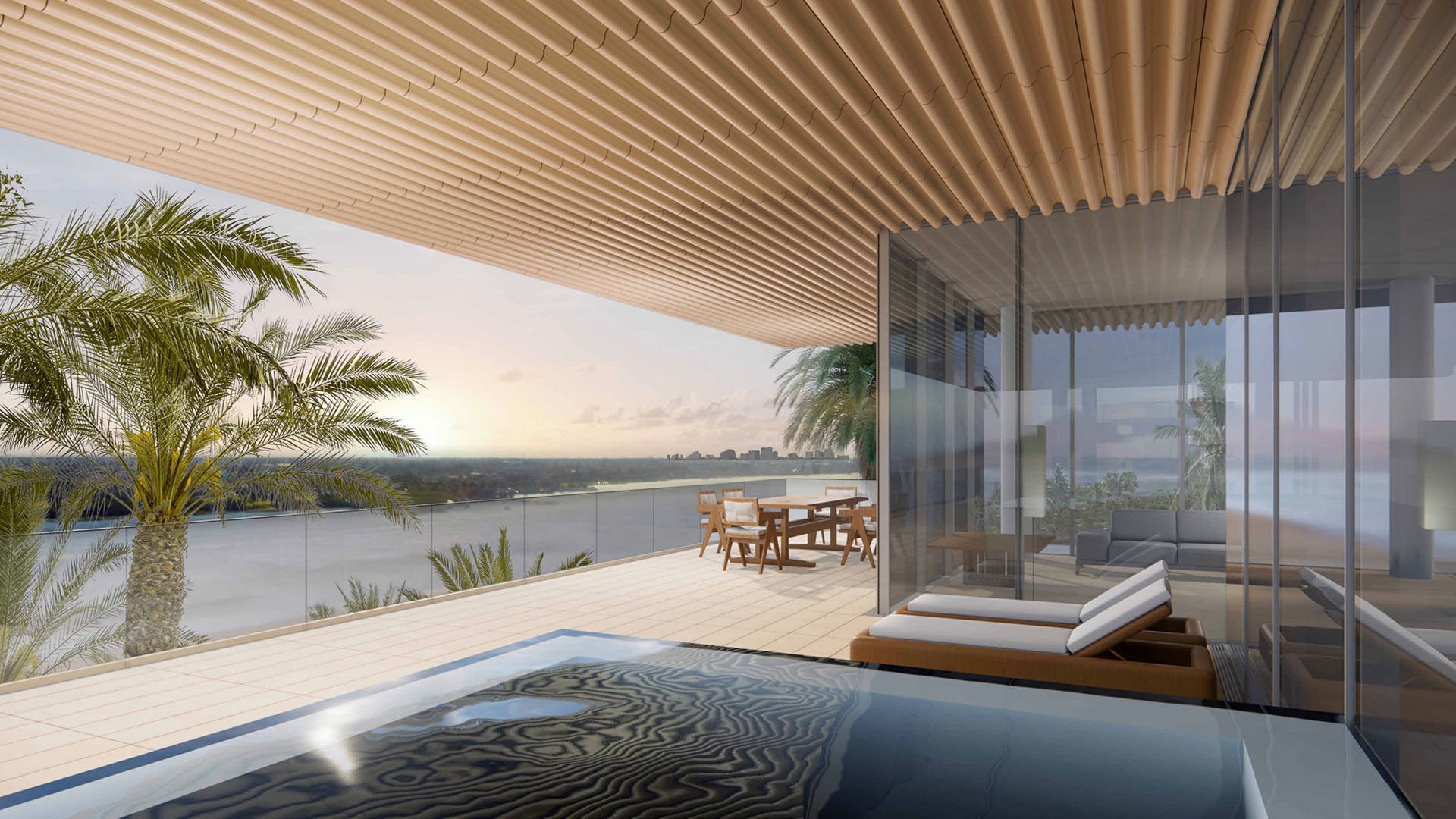
For a New York founder, Palm Beach can look deceptively simple from a distance: warmth, privacy, ocean air, polished dining, and a calmer calendar. The mistake is treating the purchase as a reward rather than an operating decision. A luxury residence here should be evaluated with the same discipline applied to a key hire, a headquarters move, or a major capital allocation.
The first question is not whether Palm Beach is beautiful. It is whether your life works better here after the first month, the first board meeting, the first family weekend, and the first season of social obligations. A founder’s residence must absorb compressed schedules, confidential conversations, wellness routines, guests, staff, children, pets, security, and sudden travel. If the home cannot hold that rhythm elegantly, the view will not compensate.
In shorthand, this is a Palm Beach and West Palm Beach decision. In practice, the test is more granular: island quiet versus downtown access, legacy estate sensibility versus serviced condominium ease, and seasonal intensity versus year-round usefulness.
Before bidding, live the way you intend to live after closing. Do not simply visit for a long weekend. Take calls from the residence or hotel you are using as a proxy. Host the guests you actually host. Drive the school, club, dining, marina, medical, and airport routes at the times you will use them. If you expect to work from Palm Beach, test the day from wake-up through the final West Coast call.
A useful trial has three parts. First, test solitude: can you think clearly here without feeling removed from your enterprise? Second, test access: can you move through the area without friction or overexposure? Third, test hospitality: can the residence support family, colleagues, investors, and friends without becoming a small hotel you must personally manage?
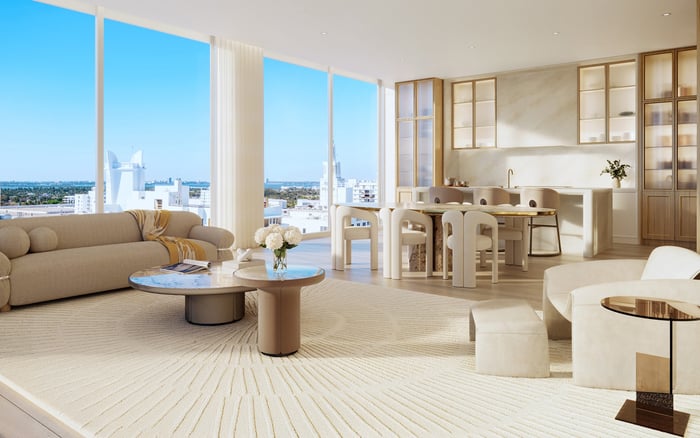
This is where condominium living may appeal to founders who want service without the obligations of a large single-family property. A project such as Palm Beach Residences can serve as a reference point for buyers studying the residential format before deciding whether they prefer an island address, a nearby urban setting, or a more private compound.
Privacy in Palm Beach is not only about gates, landscaping, and elevators. It is about how a day unfolds. Who sees arrivals? Where do drivers wait? Can staff enter without crossing formal living areas? Is there a service path for deliveries, catering, florals, security, and maintenance? Does the building or property create natural separation between public presentation and private life?
New York founders often underestimate how visible they can become in a smaller luxury environment. A Manhattan building may offer anonymity through scale. Palm Beach offers discretion through etiquette, architecture, and carefully managed access. The difference matters. If you are active in venture, finance, media, or consumer brands, the home should make privacy feel effortless, not defensive.
Pressure-test the residence during social hours as well as quiet mornings. Listen for corridor noise, elevator patterns, valet choreography, pool culture, and lobby tempo. A residence can photograph as serene while living as performative. Founders should favor calm competence over theatrical luxury.
Palm Beach and West Palm Beach answer different questions. The island often appeals to buyers seeking a more established residential atmosphere, resort-like quiet, and a formal sense of arrival. West Palm Beach can appeal to buyers who want cultural access, newer condominium choices, dining proximity, and a more flexible daily pattern.
For some founders, the smartest first purchase is not the most symbolic address. It is the one that gets used. A residence that works for Wednesday calls, Friday arrivals, and Monday departures may outperform a more glamorous property that creates constant logistical drag. This is especially true for founders who still need New York, Miami, Los Angeles, or international travel in their weekly orbit.
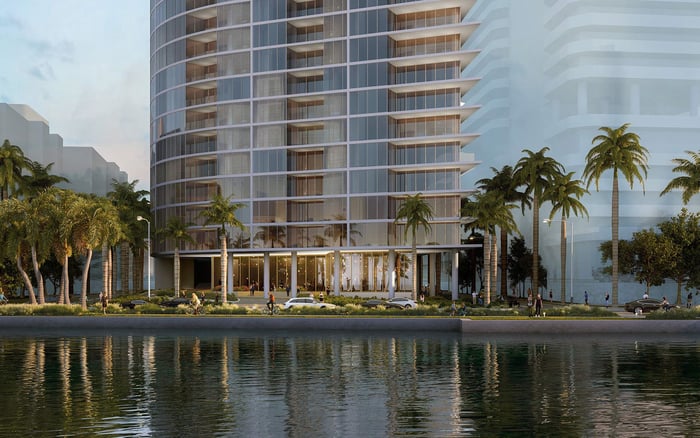
Use comparable residences to clarify preference, not to chase inventory. The Ritz-Carlton Residences® West Palm Beach can help frame what a serviced West Palm Beach lifestyle may represent for a buyer who prizes convenience, staffing, and lock-and-leave simplicity.
For founders accustomed to control, residential governance deserves careful attention. Review how decisions are made, how reserves are approached, how renovations are approved, how guests are handled, and how service standards are maintained. A luxury building or community is not only a collection of residences. It is a shared operating system.
Ask practical questions before emotional ones. How does the property handle contractors? Are there restrictions that would affect your preferred designer or technology consultant? How are pets, staff, private chefs, wellness practitioners, and security teams accommodated? What is the renovation culture? What is the communication style between residents and management?
Second-home buyers sometimes focus on finishes and overlook governance until after closing. Investment-minded buyers may focus on downside protection and overlook daily livability. The strongest acquisition view combines both. If your internal brief calls the purchase Second-home, Investment, or New-construction, the same principle applies: the rules of the residence must fit the way you actually operate.
Prestige is easy to recognize and harder to resell at the wrong basis. A founder should think in terms of audience depth. If you needed to exit, who is the next buyer? Is the residence legible to a broad ultra-luxury audience, or does it depend on one highly specific taste profile? Are the floor plan, ceiling heights, outdoor space, parking, service access, and view lines likely to remain desirable over time?
A trophy purchase can still be disciplined. The test is whether the property has enduring utility beyond your current season of life. Children grow older, companies change, liquidity events arrive, boards shift, and health routines evolve. A residence that can flex across those changes is more valuable than one optimized only for the current fantasy.
For buyers exploring West Palm Beach as a more flexible base, Alba West Palm Beach offers another reference point for comparing how newer residential formats may suit lock-and-leave usage, seasonal stays, and a founder’s preference for simplicity.
A founder’s Palm Beach purchase often fails when it has no clear job. Is it replacing a Hamptons rhythm, a winter hotel habit, a Miami pied-à-terre, or a future primary residence? Is it meant to be a family anchor, a wellness retreat, a private entertaining platform, or a tax-residency-adjacent lifestyle decision to be reviewed with counsel? Each answer points to a different product type.
If the residence is a retreat, prioritize quiet, light, and recovery. If it is a hosting platform, prioritize arrival sequence, guest separation, dining capacity, and staff circulation. If it is a work base, prioritize office acoustics, connectivity planning, service reliability, and proximity to the routines that keep you productive. If it is a long-term family decision, prioritize adaptability over spectacle.
The most elegant Palm Beach acquisition is not necessarily the largest, newest, or most visible. It is the one that reduces decisions. It should make the founder calmer, the family more connected, the calendar more humane, and the enterprise no less effective.
Should a New York founder rent before buying in Palm Beach? A short rental or extended stay can be useful if it recreates your real work, family, and travel rhythm rather than a vacation version of it.
Is Palm Beach better as a primary residence or second home? It depends on how often you will use it and whether the residence supports weekday productivity as well as weekend leisure.
Should founders prioritize a condominium or single-family home? Condominiums may offer service and simplicity, while single-family homes may offer more control, privacy, and customization.
How important is building governance? Very important, because rules, renovation approvals, staffing policies, and service culture shape the daily ownership experience.
What should be tested during a Palm Beach visit? Test commute patterns, privacy, service flow, work calls, guest hosting, wellness routines, and how the area feels outside peak leisure hours.
Can West Palm Beach be a smarter fit than Palm Beach island? Yes, for buyers who value newer residential formats, dining access, cultural proximity, and a more flexible daily cadence.
How should founders think about resale? Focus on timeless floor plans, quality views, outdoor space, service access, and broad appeal to future ultra-luxury buyers.
Should tax considerations drive the purchase? Tax planning should be reviewed with qualified advisors, but lifestyle fit and actual use should still lead the residential decision.
What is the biggest mistake founders make? Buying the symbol of Palm Beach before confirming that the residence supports their real calendar, privacy needs, and family rhythm.
What is the best way to shortlist comparable options for touring? Start with location fit, delivery status, and daily lifestyle priorities, then compare stacks and elevations to validate views and privacy.
For a tailored shortlist and next-step guidance, connect with MILLION.
If branded residences are on your mind — as a home or as an allocation — we would be glad to share what we are seeing, privately.
Begin a quiet conversation