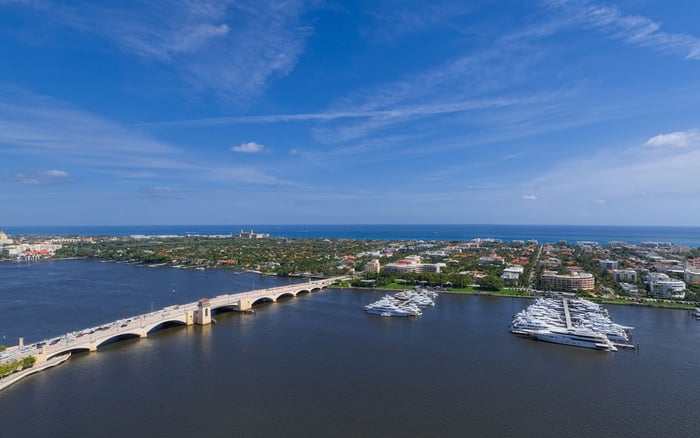
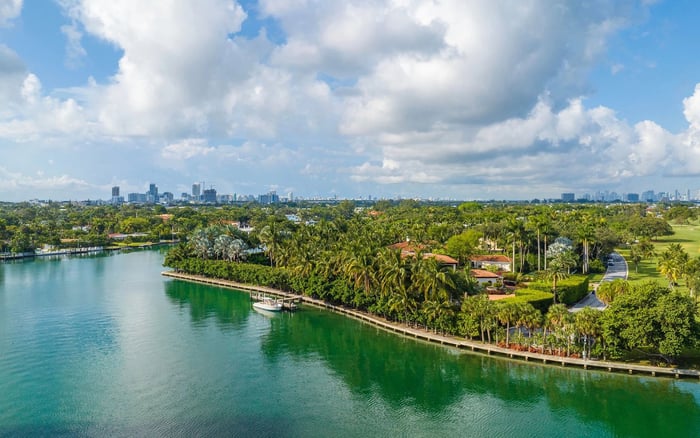
For Palm Beach full-time luxury buyers, the decisive difference between oceanfront and lakefront is not prestige but daily cadence. Oceanfront living is beach-first, public-edge, tide-aware, and more exposed to erosion and storm conditions. Lakefront in this market usually means Lake Worth Lagoon or Intracoastal frontage: calmer, dock-oriented, and more consistent for boating, but more dependent on water quality, dock upkeep, and navigability. The right choice comes down to whether a buyer wants mornings shaped by surf and shoreline or evenings organized around a boat slip, protected water, and a quieter edge.
Among Palm Beach buyers, the lakefront-versus-oceanfront question is often framed as a simple preference between two prestigious waterfront settings. For a full-time owner, that is too superficial. The more useful distinction is how each setting shapes an ordinary Tuesday in January, a humid August afternoon, or a windy weekend during storm season.
Oceanfront living is beach-first. It places daily life in direct conversation with tides, surf, shifting sand, and the visual force of open water. Lakefront in Palm Beach usually means frontage on Lake Worth Lagoon, the protected Intracoastal waterway that separates much of West Palm Beach from Palm Beach itself. That creates a distinctly different cadence: less surf, more dock; less exposure, more ease of departure by boat; fewer spontaneous barefoot shoreline walks, more equipment-centered waterfront use.
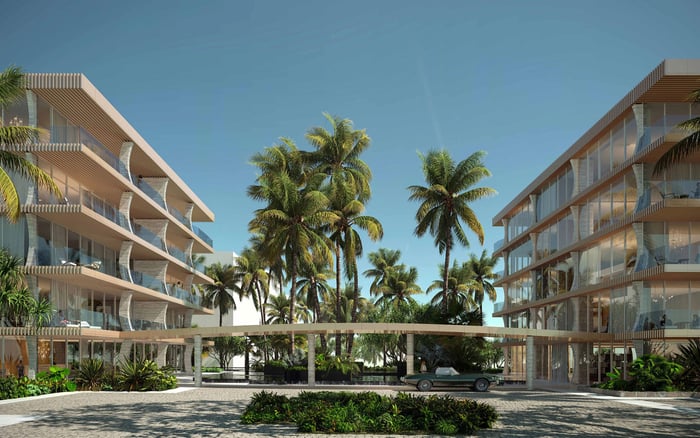
For buyers considering residences such as The Bristol Palm Beach, Alba West Palm Beach, or Forté on Flagler West Palm Beach, that distinction matters, because a beautiful view does not necessarily produce a satisfying routine.
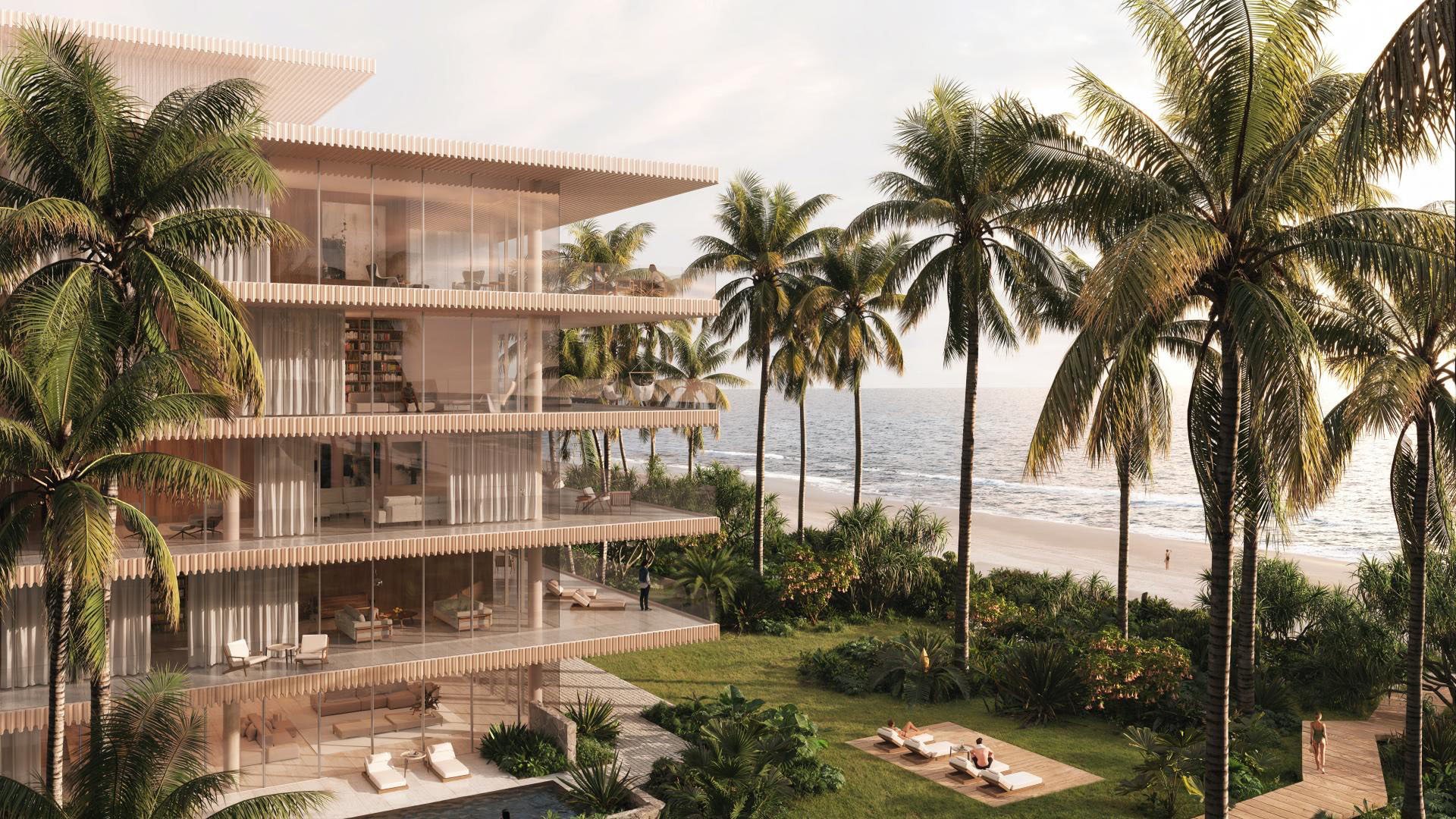
Oceanfront suits the buyer who wants the day to begin with horizon light, salt air, and a direct relationship to the Atlantic. Morning beach walks, quick swims, and an ongoing awareness of water conditions become part of the lifestyle. Even when swimming is possible year-round, comfort shifts with the seasons, and the ocean requires more day-to-day judgment than many occasional visitors realize.
That is part of the appeal. Oceanfront ownership can feel vivid, sensory, and unmistakably Palm Beach. The light changes faster. The soundscape is more kinetic. Wind matters. Tides matter. The width and character of the beach matter. A buyer who wants a residence to feel alive to nature often gravitates here.
But the same qualities that make oceanfront compelling also make it less controllable. The active shoreline is not fully private. In Florida, the beach seaward of the mean high-water line is held for public use, so even exceptional oceanfront ownership comes with direct access rather than exclusive control of the beach edge. That means more walkers, more visual activity, and usually less seclusion at the shoreline itself than first-time buyers sometimes expect.
Oceanfront homes and buildings are also more exposed to erosion, shoreline change, and weather disruption. During hurricane season especially, routines become more externally timed by surf, wind, and storm preparation. For some owners, that volatility is part of the romance. For others, it becomes friction.
Comparable South Florida oceanfront projects such as 57 Ocean Miami Beach and Ocean House Surfside reflect the broader appeal of beach-led living: privacy within the building may be extraordinary, but the ocean edge itself remains part of a larger public coastline.
In this market, lakefront rarely means a still inland lake. More often, it means Lake Worth Lagoon frontage, with all the advantages and trade-offs of a sheltered estuarine waterway. That distinction is critical.
The experience is calmer and generally more consistent from day to day. If your preferred waterfront ritual is stepping out to the dock, boarding a boat without ceremony, or taking a paddleboard into protected water, lakefront can be a better fit than the Atlantic side. The water is sheltered from open-ocean wave action, which makes spontaneous use easier for many full-time residents.
This is why boat-slip, marina, and waterview priorities often align more naturally with lakefront ownership than with oceanfront aspirations. A buyer who imagines sunset cocktails by the dock, short evening runs on the Intracoastal, or a weekend built around direct marine departure is usually describing a lakefront life, not an oceanfront one.
At developments shaping the West Palm Beach waterfront, including Shorecrest Flagler Drive West Palm Beach and Mr. C Residences West Palm Beach, that protected-water orientation is a meaningful part of the appeal.
For a primary residence, convenience is rarely just about travel time or square footage. It is about how often the property asks something of you.
Oceanfront ownership typically demands greater acceptance of shoreline change and storm readiness. Beach conditions evolve. Wind exposure is constant. The property may feel more weather-governed, with routines altered by rough water or seasonal coastal conditions. If your ideal life is contemplative but energetic, and you do not mind adapting to the Atlantic’s terms, that may feel entirely worthwhile.
Lakefront ownership shifts the maintenance conversation. The focus is less on erosion and more on water quality, dock upkeep, and navigability. Because Lake Worth Lagoon is an active estuary with ongoing restoration needs, everyday enjoyment can vary with runoff conditions and seasonal changes. For owners who intend to paddle, swim, or interact closely with the water, this matters. Water-quality events, including bloom-related disruptions, can alter plans even when the surface appears calm and inviting.
That is why a full-time buyer should treat lakefront serenity as managed serenity. The rewards are real, but they are operational rather than purely scenic.
Oceanfront usually wins with the buyer who wants the residence to be immersive and emotionally charged. This is the person who values sunrise as a daily event, treats beach walking as a ritual rather than an occasional luxury, and accepts that tides and weather will shape the use of the property.
Lakefront usually wins with the buyer who wants elegant consistency. This owner prefers controlled access to the water, calmer departures by boat, and evenings that feel quieter and more private. The view may be gentler, but usability can be higher on an average day.
In practical terms, oceanfront buyers are often selecting for sensory theater. Lakefront buyers are often selecting for frictionless use.
A serious Palm Beach buyer should not ask which frontage sounds more prestigious. The sharper question is: what kind of day do I want to repeat 300 times a year?
If the answer includes barefoot walks before breakfast, open-water light, and an immediate emotional response to the horizon, oceanfront is probably the better fit. If the answer includes a polished dock routine, calmer water, smoother boating access, and a more predictable evening rhythm, lakefront is likely superior.
Before purchasing, oceanfront buyers should verify current beach conditions, erosion status, and any nourishment context that could affect shoreline width and use. Lakefront buyers should verify current lagoon conditions, water quality, and the practical realities of dock infrastructure and navigation.
For full-time ownership in Palm Beach and West Palm Beach, the most sophisticated choice is not the louder one. It is the one whose cadence already resembles your own.
Is oceanfront always better than lakefront in Palm Beach? No. Oceanfront is more dramatic, but lakefront can be easier for daily boating, dock use, and a steadier full-time routine.
What does lakefront usually mean in Palm Beach? It typically refers to frontage on Lake Worth Lagoon or the Intracoastal rather than a freshwater inland lake.
Is the beach in front of an oceanfront home fully private? No. Owners enjoy direct access, but the active shoreline seaward of the mean high-water line is not exclusively private.
Which option is better for boating? Lakefront is usually better for spontaneous, calmer day-to-day boat departures and dock-centered living.
Which side offers the stronger morning experience? Oceanfront generally does, especially for buyers who want sunrise light, beach walks, and a stronger sense of open water.
Which side tends to feel more private day to day? Lakefront often feels more controlled because the ocean shoreline naturally attracts more public activity.
Does oceanfront require more storm awareness? Yes. Exposed coastal properties are more directly affected by surf, wind, and storm-season conditions.
Are lagoon-front properties maintenance-free by comparison? No. They trade surf exposure for attention to water quality, dock upkeep, and navigability.
Can water quality affect lakefront enjoyment? Yes. Seasonal conditions and water-quality events can interrupt paddling, swimming, and other close-to-water routines.
What is the smartest way to decide as a full-time buyer? Choose the frontage that best matches the routine you want to live repeatedly, not the one that sounds most impressive at first glance.
For a confidential assessment and a building-by-building shortlist, connect with MILLION.
If branded residences are on your mind — as a home or as an allocation — we would be glad to share what we are seeing, privately.
Begin a quiet conversation