A buyer-oriented look at Regalia Sunny Isles Beach as a serious residential anchor for owners considering a South Florida domicile plan, with emphasis on privacy, oceanfront use, service, and documented daily life.
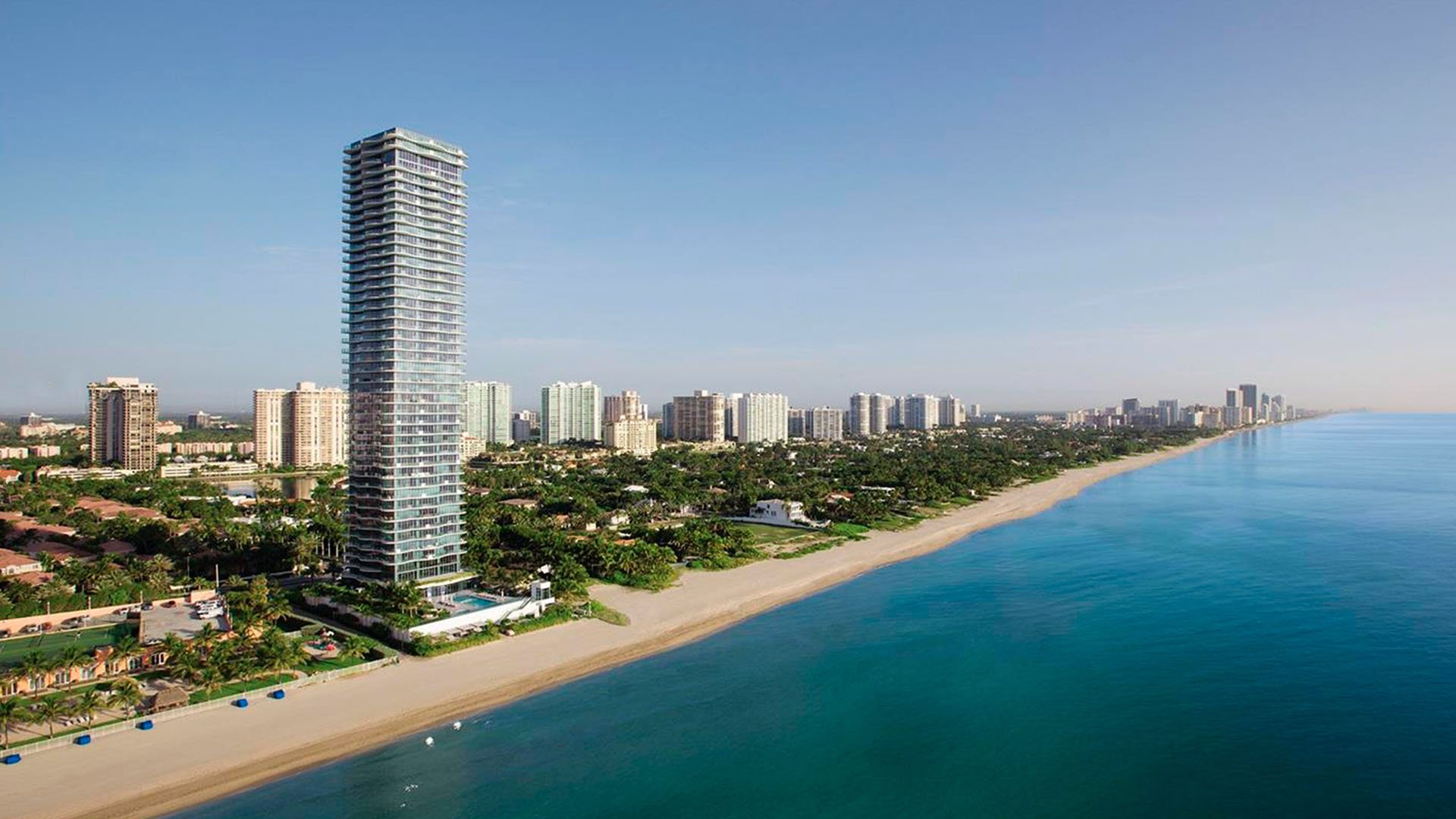
For ultra-high-net-worth buyers, the question is rarely whether South Florida is attractive. The sharper question is whether a residence can credibly support a life that is actually lived here. Regalia Sunny Isles Beach belongs in that conversation because its core proposition is not volume, turnover, or resort novelty. It is privacy, scale, and oceanfront permanence in one of Miami’s most recognizable coastal corridors.
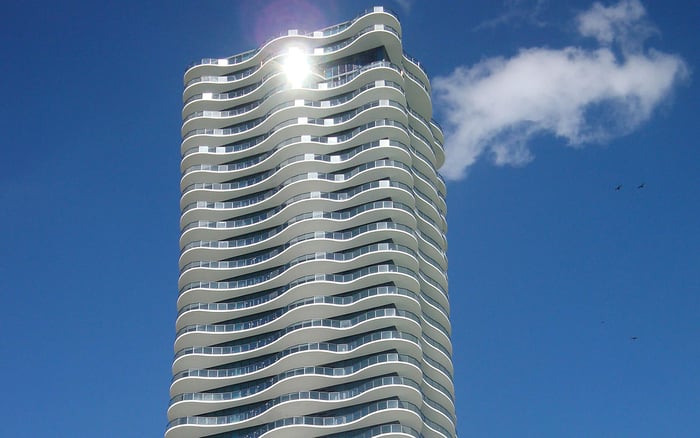
Regalia is presented as an ultra-luxury oceanfront condominium tower in Sunny Isles Beach, with a residential model built around one residence per floor. That detail matters. In domicile planning, the home itself does not create the legal conclusion, and buyers should not treat any purchase as a shortcut. Still, the character of the home can support the broader narrative when the owner’s conduct, records, family rhythms, advisory team, and daily usage all point in the same direction.
The shorthand is simple: Sunny Isles, oceanfront, beach access, second home, and resale may all describe parts of the search, but the domicile question is more exacting. Regalia’s relevance is its ability to function as a genuine residential anchor rather than a decorative address.
One residence per floor changes the psychology of vertical living. It reduces the sense of shared corridors and reorients the tower into a series of private homes rather than a conventional stack of apartments. For owners accustomed to estate living, this format can feel less like a compromise and more like a coastal alternative: secured, serviced, elevated, and private.
That low-density arrangement is central to Regalia’s appeal for buyers who want a primary-residence-level home. A pied-à-terre can be beautiful and still feel temporary. A domicile-supporting residence needs to handle ordinary life: extended stays, family visits, recurring routines, private workdays, storage, household management, and the emotional evidence of belonging. Regalia’s large-format, one-per-floor concept is aligned with that kind of use.
The tower’s full-service positioning also matters. For owners transitioning more of their lives to Florida, service is not a luxury flourish. It is infrastructure. A year-round building supports continuity, whether the owner is in residence, traveling, receiving family, or managing household logistics across multiple locations.
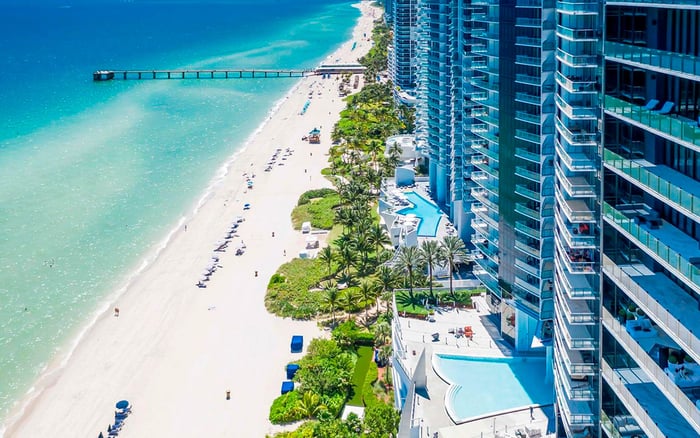
Sunny Isles Beach offers a distinct version of Miami living. It is resort-residential, beachfront, and condominium-oriented, but it is not as urban as Brickell or Downtown Miami. At the same time, it is more built-up than many low-rise beachfront communities farther north. That middle ground is part of its strategic appeal.
Regalia sits in northern Sunny Isles Beach, near the municipal boundary with Golden Beach. That location is meaningful for buyers who want condominium security and convenience while remaining close to one of South Florida’s most exclusive single-family estate enclaves. It allows an owner to occupy a vertical oceanfront home while staying within the social and geographic orbit of the region’s highest-end residential neighborhoods.
This is also why nearby Sunny Isles projects remain part of the same buyer dialogue. A buyer comparing Regalia may also study Bentley Residences Sunny Isles or St. Regis® Residences Sunny Isles, not because they are identical, but because they represent the same broader preference for oceanfront condominium living with substantial privacy and service expectations.
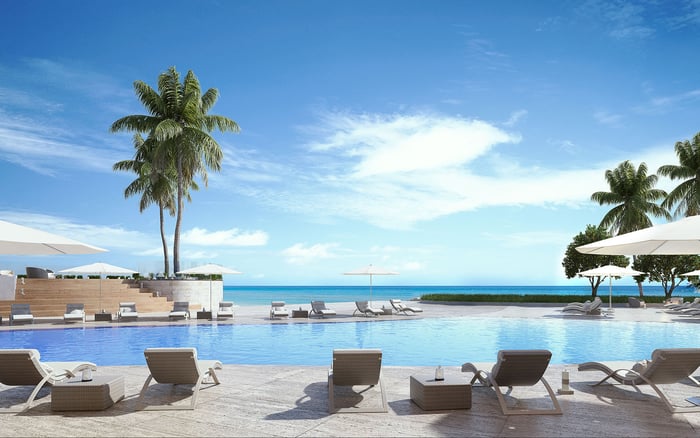
For a domicile-minded owner, the oceanfront setting can support a center-of-life narrative when it is truly used as the principal home. Morning routines, local services, family time, medical relationships, clubs, advisers, and recurring presence all become more convincing when the residence is not merely possible to occupy, but desirable enough to occupy consistently.
The most important distinction is restraint. Buying at Regalia does not, by itself, establish Florida domicile. It does not replace professional legal or tax advice, and it should not be treated as a stand-alone solution. Domicile is a facts-and-circumstances analysis, and the most persuasive cases usually involve a consistent pattern of actual life changes.
Where Regalia can help is on the residential side of that pattern. A serious home makes serious use easier. The one-residence-per-floor design supports privacy. The oceanfront location encourages regular occupancy. The full-service building model supports long stays. The proximity to Golden Beach adds estate-neighborhood context without requiring the owner to maintain a single-family property.
A buyer planning a move should think beyond acquisition. Which address will receive the most important personal correspondence? Where will family gather? Where will the owner keep meaningful personal property? Where will advisers, household staff, and service providers understand the owner to be based? These questions sit outside the architecture, but architecture can either support or undermine the answers.
Regalia is not the only South Florida building that speaks to serious residential use, but its format is unusually direct. One home per floor is a clear statement about privacy. The Atlantic Ocean setting is a clear statement about lifestyle. The northern Sunny Isles location is a clear statement about choosing coastal calm over urban density.
That distinction becomes sharper when compared with more city-driven choices. A buyer considering The Residences at 1428 Brickell is likely weighing a more urban, business-adjacent lifestyle. Regalia, by contrast, is for the owner whose Florida identity is built around beachfront residence, discretion, and a quieter daily cadence.
Within Sunny Isles itself, The Estates at Acqualina Sunny Isles may also appear in the conversation for buyers focused on high-service oceanfront living. Regalia’s differentiator remains its low-density, one-residence-per-floor concept, which gives the tower particular appeal for those who value separation, privacy, and the feeling of a private home in the sky.
For many buyers, the decision is not simply new versus established, or branded versus unbranded. It is whether the building can absorb the weight of real life. Regalia’s physical profile aligns with buyers seeking privacy, large-format living, and a credible South Florida residential base.
A domicile-aligned acquisition should begin with intent, but it cannot end there. The residence should be capable of regular use, not just occasional enjoyment. Regalia’s combination of beach access, services, and low-density design makes it more suitable for long-stay or primary-residence use than many conventional vacation condos.
Buyers should evaluate whether the home will support the daily behaviors that make a move believable. That includes comfort for extended occupancy, privacy for work and family, dependable building operations, and a location the owner will actually choose when schedules are flexible. The best domicile plan is not theatrical. It is lived consistently.
For the right owner, Regalia’s strength is that it does not ask the buyer to pretend a resort apartment is a principal home. It offers a residential format with enough privacy and presence to support a deeper South Florida commitment, provided the owner’s broader records and conduct are aligned.
Does buying at Regalia Sunny Isles Beach establish Florida domicile? No. A purchase can support a broader plan, but domicile depends on actual use, intent, documentation, and professional guidance.
Why does one residence per floor matter? It supports privacy and a more home-like experience, which can be important for owners intending long stays or primary-residence use.
Is Regalia more suitable for full-time living than a vacation condo? Its low-density format, oceanfront setting, and full-service positioning make it better aligned with extended residential use than many conventional seasonal condos.
How does Sunny Isles Beach fit into the domicile discussion? Sunny Isles Beach offers a resort-residential environment that is less urban than Brickell while still offering a built-up luxury condominium setting.
Why is the northern Sunny Isles location notable? Regalia sits near Golden Beach, giving owners condominium convenience close to one of South Florida’s most exclusive estate enclaves.
Can an oceanfront residence support a center-of-life narrative? Yes, if the owner actually uses it as a principal home and aligns daily life, records, and relationships around Florida.
Should buyers involve legal and tax advisers? Yes. Domicile planning is fact-specific, and the residence should be integrated into a broader professional plan.
Is Regalia mainly a second-home option? It can serve as a second home, but its strongest strategic value is for buyers who may use it as a serious residential base.
Is resale status a disadvantage for domicile-minded buyers? Not necessarily. The more important issue is whether the building and residence support consistent, credible daily use.
What is the best way to shortlist comparable options for touring? Start with location fit, delivery status, and daily lifestyle priorities, then compare stacks and elevations to validate views and privacy.
For a tailored shortlist and next-step guidance, connect with MILLION.
If branded residences are on your mind — as a home or as an allocation — we would be glad to share what we are seeing, privately.
Begin a quiet conversation