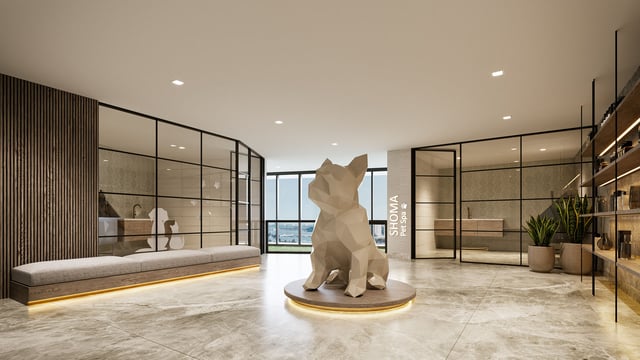
Best luxury residences for buyers downsizing from a waterfront estate who still expect staff-ready planning
For waterfront estate owners moving into a condominium, the real luxury is not simply scale. It is whether a residence preserves the choreography of a fully staffed household through discreet service access, true staff quarters, prep kitchens, private lobbies, smart-home control, and building operations that can absorb daily logistics without friction. This article ranks the South Florida settings and residence types that best suit that transition, then outlines the planning details sophisticated buyers should verify before committing.

What buyers should ask about staff parking, nanny access, and secondary circulation in a luxury condominium
In South Florida luxury condominiums, discreet daily living often depends less on headline amenities than on the invisible systems that support them. Buyers who rely on nannies, caregivers, housekeepers, drivers, or frequent vendors should verify staff parking, access permissions, service elevators, and secondary circulation in writing before closing. The most sophisticated purchase questions are operational: how staff enter, where they park, which elevators they use, whether they can escort children or access amenities, and how the building handles emergencies when service routes matter most.
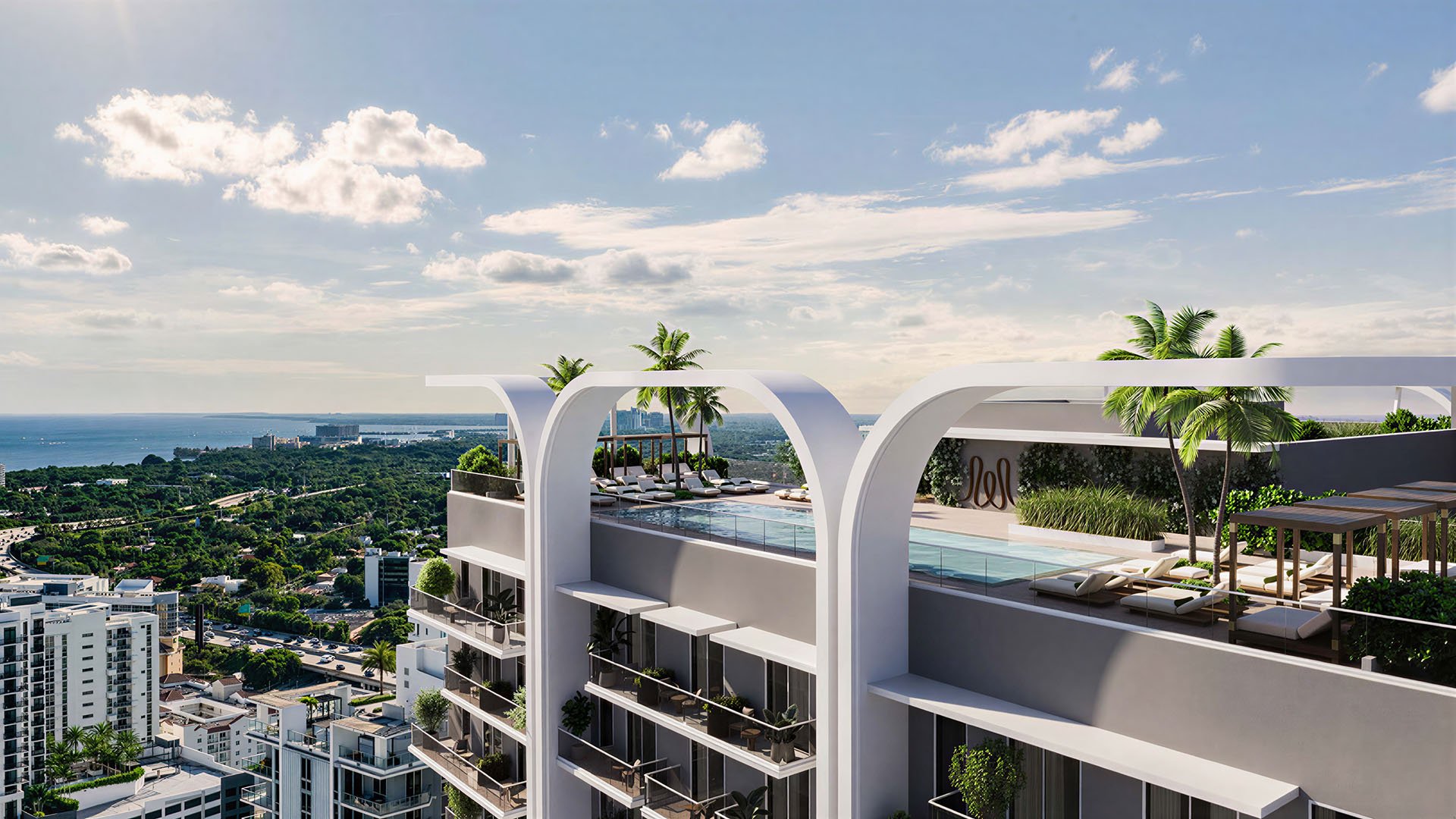
What buyers should ask about terrace usability in South Florida before paying a premium for outdoor space
In South Florida’s luxury market, a terrace commands a premium only when it performs as beautifully as it presents. Buyers should look past square footage and views to understand inspection status, waterproofing, reserve funding, storm rules, alteration limits, and insurance exposure before assigning meaningful value to outdoor space.

Why elevator zoning can matter as much as square footage in an ultra-prime building
In South Florida’s ultra-prime towers, elevator zoning is not a technical footnote. It shapes privacy, security, daily convenience, and the sense of exclusivity that buyers feel from the moment doors open. In a market where many residences already offer generous floorplans, the quality of the arrival sequence can influence perceived value almost as much as interior dimensions.
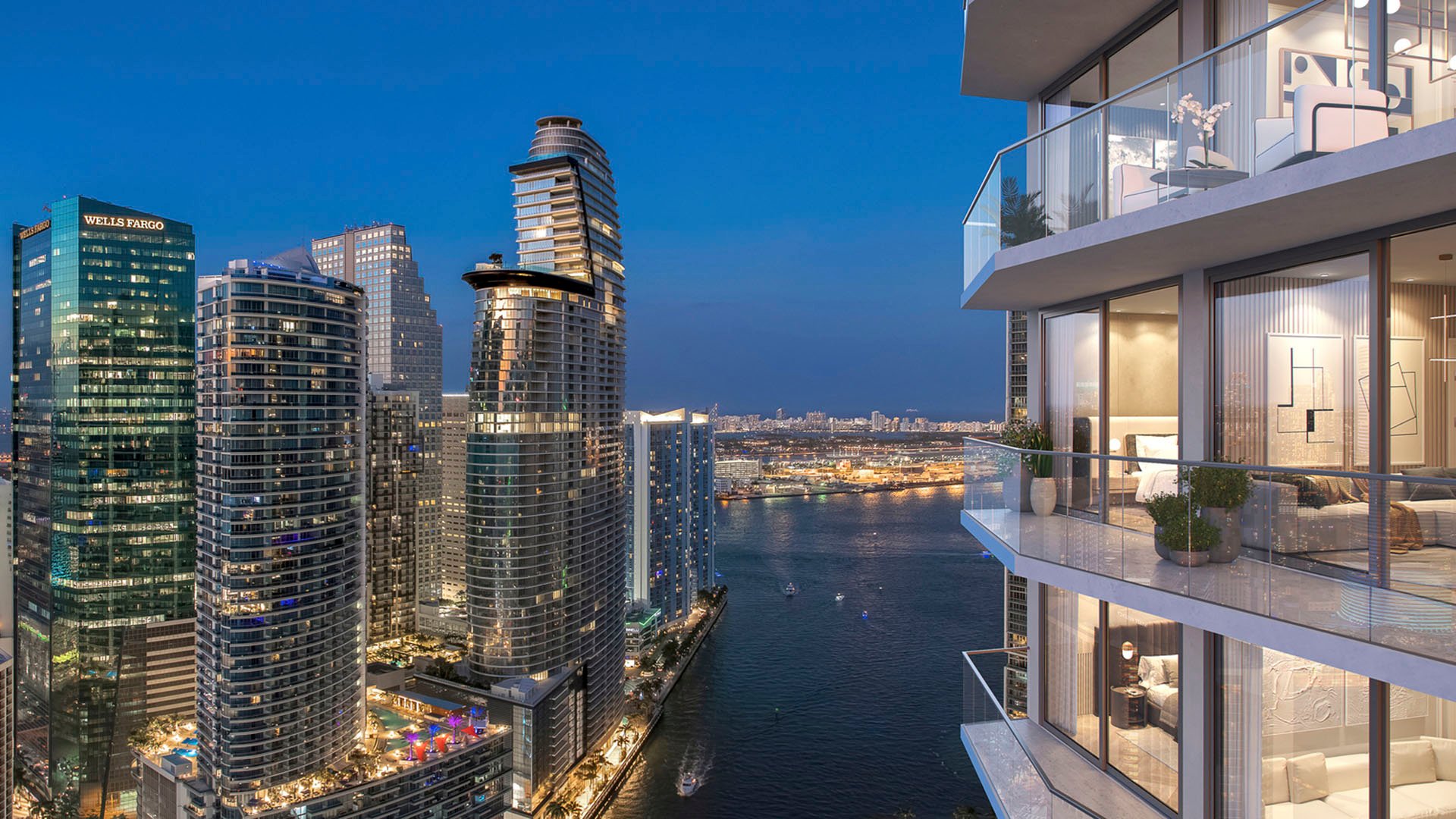
Why U.S. Luxury Real Estate Still Anchors Wealth Preservation
For sophisticated buyers, U.S. luxury real estate remains a core wealth-preservation tool because it can combine scarcity, utility, legal clarity, and long-term inflation sensitivity when underwritten carefully. South Florida sharpens that thesis, where international demand, prime-location scarcity, and enduring waterfront premiums continue to support best-in-class assets.

How to judge whether a waterfront tower will feel too public once hotel guests and restaurant traffic arrive
In South Florida, the distinction between a private residential tower and a public-facing mixed-use address is often decided at the points of contact: arrival, elevators, amenities, parking, and service circulation. This buyer-focused MILLION guide explains how to evaluate whether hotel guests and restaurant traffic will materially change the living experience once a waterfront building is fully operational.