In South Florida’s luxury market, a terrace commands a premium only when it performs as beautifully as it presents. Buyers should look past square footage and views to understand inspection status, waterproofing, reserve funding, storm rules, alteration limits, and insurance exposure before assigning meaningful value to outdoor space.
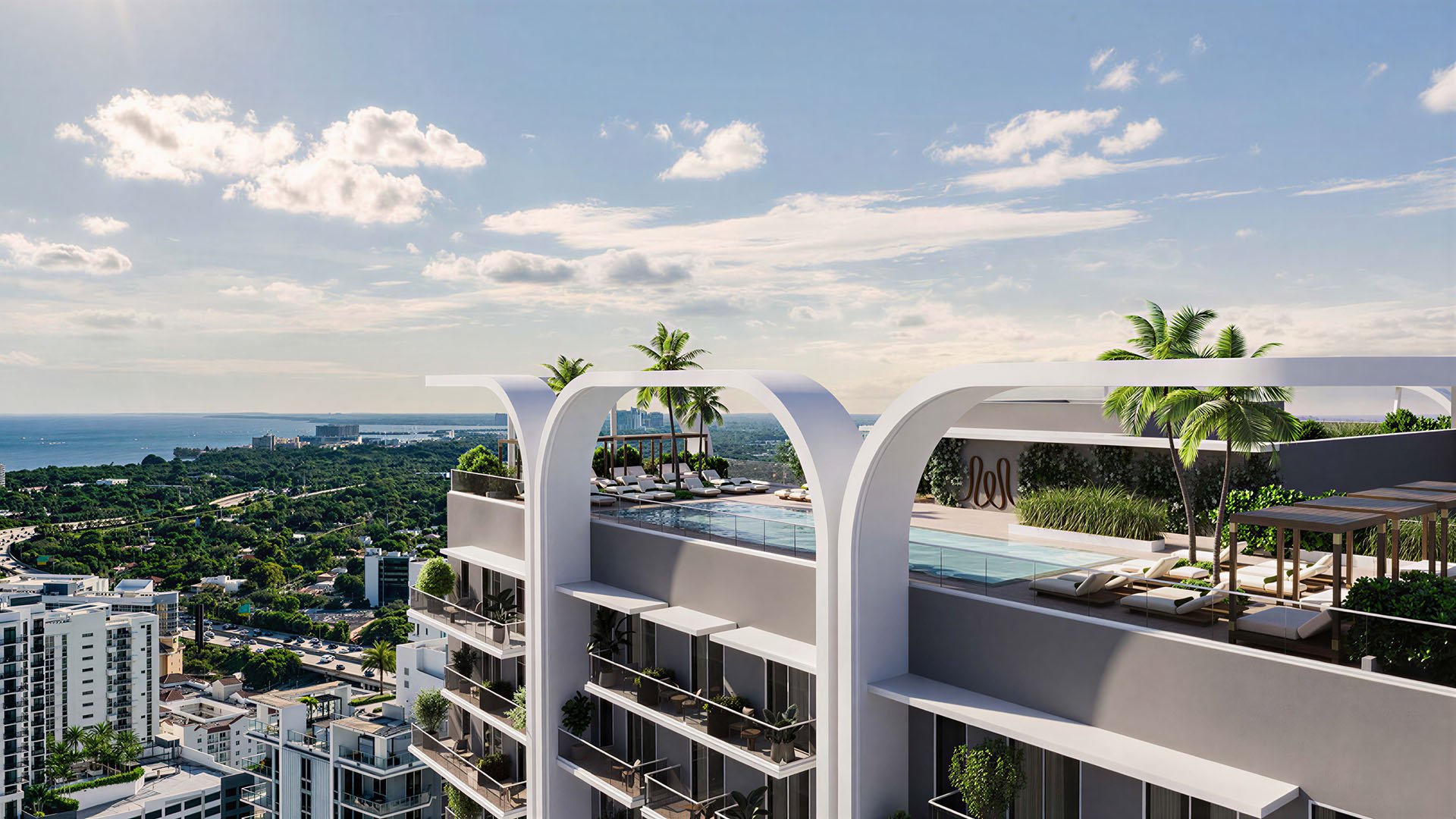
In South Florida, outdoor space signals instant luxury. A broad terrace in Miami Beach, Brickell, or West Palm Beach can frame sunrise water views, extend entertaining space, and create the indoor-outdoor rhythm buyers expect at the top of the market. But a terrace premium should be tied to function, not simply square footage.
The right question is not whether a residence has a terrace. It is whether that outdoor space is genuinely usable within the realities of salt air, rain, wind, building rules, and ongoing maintenance. A terrace can look exceptional during a showing and still prove compromised by drainage issues, corrosion, restrictive house rules, or looming special assessments.
That matters whether you are comparing a newer bayfront residence such as Una Residences Brickell, an oceanfront address like 57 Ocean Miami Beach, or a more intimate waterfront setting such as Rivage Bal Harbour. In each case, the premium for outdoor living should rest on clear evidence that the space is safe, durable, and practical.
A terrace may measure generously on a floor plan yet deliver less practical living area than expected. Narrow edges, columns, mechanical clearances, drain paths, and door swings can quietly consume a surprising amount of usable square footage. Before paying a premium, walk the perimeter with a practical eye and ask what portion of the deeded area can truly accommodate seating, dining, or lounging.
This is especially important for buyers pursuing a second home or resale purchase, where the emotional draw of the view can obscure everyday limitations. If a round dining table blocks circulation, if chaise lounges interfere with sliding doors, or if drainage zones must remain clear, the terrace may feel smaller than its measurements suggest.
In markets like Brickell and Bal Harbour, where outdoor space can significantly influence value, true usability should be tested in person. Bring dimensions for the furnishings you would actually use, and confirm that the layout supports them without compromising access or safety.
For many condominium buildings in Florida, milestone inspection and reserve requirements have become central to due diligence. Buyers should ask whether the building has completed any required inspections affecting balconies, terraces, exterior concrete, railings, and structural elements. If the building is older, request engineering reports tied to recertification or milestone work.
This is not merely administrative. Deferred maintenance on elevated exterior spaces can result in repair programs, restricted use, or substantial costs after closing. A buyer paying for a premium terrace should know whether that premium is attached to an area already slated for repair, waterproofing, or concrete restoration.
Also ask for the association’s current reserve study and budget. If reserves for balconies, waterproofing, or exterior concrete appear thin, near-term assessments may follow. In luxury condominiums, the quality of the amenity is inseparable from the quality of the building’s financial preparation.
A terrace can be visually flawless and still underperform. Waterproofing and drainage determine whether outdoor space remains elegant after South Florida rain or becomes a recurring maintenance concern. Ask whether the balcony or terrace has been inspected for cracks, ponding water, membrane failure, damaged flashing, or signs of water intrusion.
Just as important, ask whether the unit has a history of leaks, concrete repairs, or waterproofing work tied to the terrace. Exterior water issues do not always remain outside. They can migrate toward interiors, affect adjacent rooms, and create repair exposure that outlasts the initial cosmetic fix.
An independent inspection is often prudent even in polished luxury inventory. Loose guardrails, deteriorated finishes, unsafe walking surfaces, and compromised attachment points are not always obvious during a private showing. This is particularly relevant in oceanfront product, where exposure is part of the appeal but also part of the maintenance equation. Buyers considering residences such as The Perigon Miami Beach or The Ritz-Carlton Residences® West Palm Beach should treat terrace performance as a technical question as much as a lifestyle one.
In coastal South Florida, corrosion rarely stops at the most visible metal surfaces. Buyers should inspect terrace railings, fasteners, doors, tracks, locks, and nearby hardware for signs of salt-air deterioration. What appears minor at first glance can affect safety, operation, and replacement cost.
Sliding doors deserve particular attention because they define the transition between interior and exterior living. Ask about the age, maintenance history, and any replacement schedule for tracks, rollers, locks, and frames. A magnificent terrace loses much of its value if the doors bind, leak, or no longer seal properly.
This issue is especially important in exposed coastal locations such as Sunny Isles and Surfside, where buyers often prize uninterrupted outdoor living. A premium exterior experience depends on hardware that still performs under marine conditions.
South Florida’s hurricane season runs from June 1 through November 30, and that reality affects terrace usability more than many buyers initially appreciate. Ask what rules apply to outdoor furniture, umbrellas, planters, décor, and temporary installations. In some buildings, owners may need to secure or remove terrace items on short notice when storms threaten.
That can materially shape how effortless the space feels. A terrace designed for daily dining may be less convenient if furnishings must be repeatedly moved, stored, or stripped down during storm periods. Buyers should also clarify who is responsible for securing outdoor items and what deadlines the association imposes.
For buyers considering large-format entertaining terraces in Fort Lauderdale or Miami Beach, storm management is not a minor operational detail. It is part of the true cost and rhythm of ownership.
Many buyers plan to refine outdoor areas after closing with lighting, flooring, shades, planters, privacy screens, or even an outdoor kitchen. Before assuming those upgrades are possible, review the condominium documents carefully. Exterior areas may be treated as limited common elements, and associations often restrict what an owner can alter.
Ask whether any prior enclosure, lighting, flooring, or electrical work on the terrace was permitted and approved. Exterior outlets and fixtures should be appropriate for wet locations and compliant with code. If prior changes were made without approval, the next owner may inherit the burden of correction.
This matters in design-forward buildings where buyers expect customization, from Coconut Grove residences to highly tailored branded towers. Even at aspirational addresses such as Bentley Residences Sunny Isles, the critical question remains the same: what can you legally and practically do with the outdoor space you are buying?
The value of a terrace should also be measured against the insurance realities that accompany wind and water exposure. Buyers should obtain written confirmation of what the master policy and their own unit policy cover for damage involving terrace-adjacent areas. Exclusions, deductibles, and responsibility splits can be consequential.
Insurance pricing can also change the math on whether the outdoor-space premium feels justified. If a buyer is stretching for a larger terrace but underestimating coverage costs or potential exposure tied to storm damage and water intrusion, the premium may be less compelling than it first appears.
For sophisticated buyers, this is where discipline matters most. The terrace worth paying for is the one that remains pleasurable after the practical questions have been answered.
What is the first thing to ask about a luxury terrace? Ask whether the space is truly usable in practice, not just large on paper, with enough clear area for the way you intend to live.
Why do reserve studies matter for terrace buyers? They can reveal whether balcony, waterproofing, and concrete repairs are adequately funded or likely to lead to special assessments.
Should I get an independent terrace inspection? Yes. Elevated outdoor spaces can hide issues such as loose railings, membrane failure, water intrusion, and unsafe walking surfaces.
What terrace defects are most concerning in South Florida? Cracks, ponding water, corrosion, failed waterproofing, deteriorated hardware, and prior leak history deserve close attention.
Do milestone inspections affect terrace value? Absolutely. If inspection work identifies exterior deficiencies, that can influence usability, costs, and timing of repairs.
Can I add shades, planters, or an outdoor kitchen later? Not necessarily. Association documents may restrict alterations to terrace areas, even when the space feels private.
Why are sliding doors part of terrace due diligence? Salt exposure can compromise tracks, locks, rollers, and seals, affecting both daily use and future repair expense.
How do hurricane rules change terrace usability? Buildings may require furniture and décor to be secured or removed during storm threats, which can limit convenience seasonally.
Should I review insurance before valuing the terrace premium? Yes. Wind and water exposure can affect coverage terms, deductibles, and the real carrying cost of outdoor space.
When is a terrace premium justified? When the space is structurally sound, financially supported, code-compliant, properly insured, and genuinely livable day to day.
For a discreet conversation and a curated building-by-building shortlist, connect with MILLION.
If branded residences are on your mind — as a home or as an allocation — we would be glad to share what we are seeing, privately.
Begin a quiet conversation