The Reality of Bidding Wars in the Eight-Figure Real Estate Market
In South Florida’s eight-figure tier, “bidding war” rarely means chaos. It is a controlled contest shaped by scarcity, privacy, and proof of certainty. The most competitive situations are typically tied to unique inventory: irreplaceable views, meaningful frontage, a building with lasting prestige, or a residence that solves for lifestyle without compromise. For buyers, the goal is not to win loudly. It is to win cleanly: a compelling price, minimal friction, and terms that reduce seller risk. For sellers, the objective is to surface true demand, separate signal from noise, and choose the offer most likely to close on time and on terms. Here is what bidding wars look like when the numbers start with eight figures, and how to navigate them with discretion.
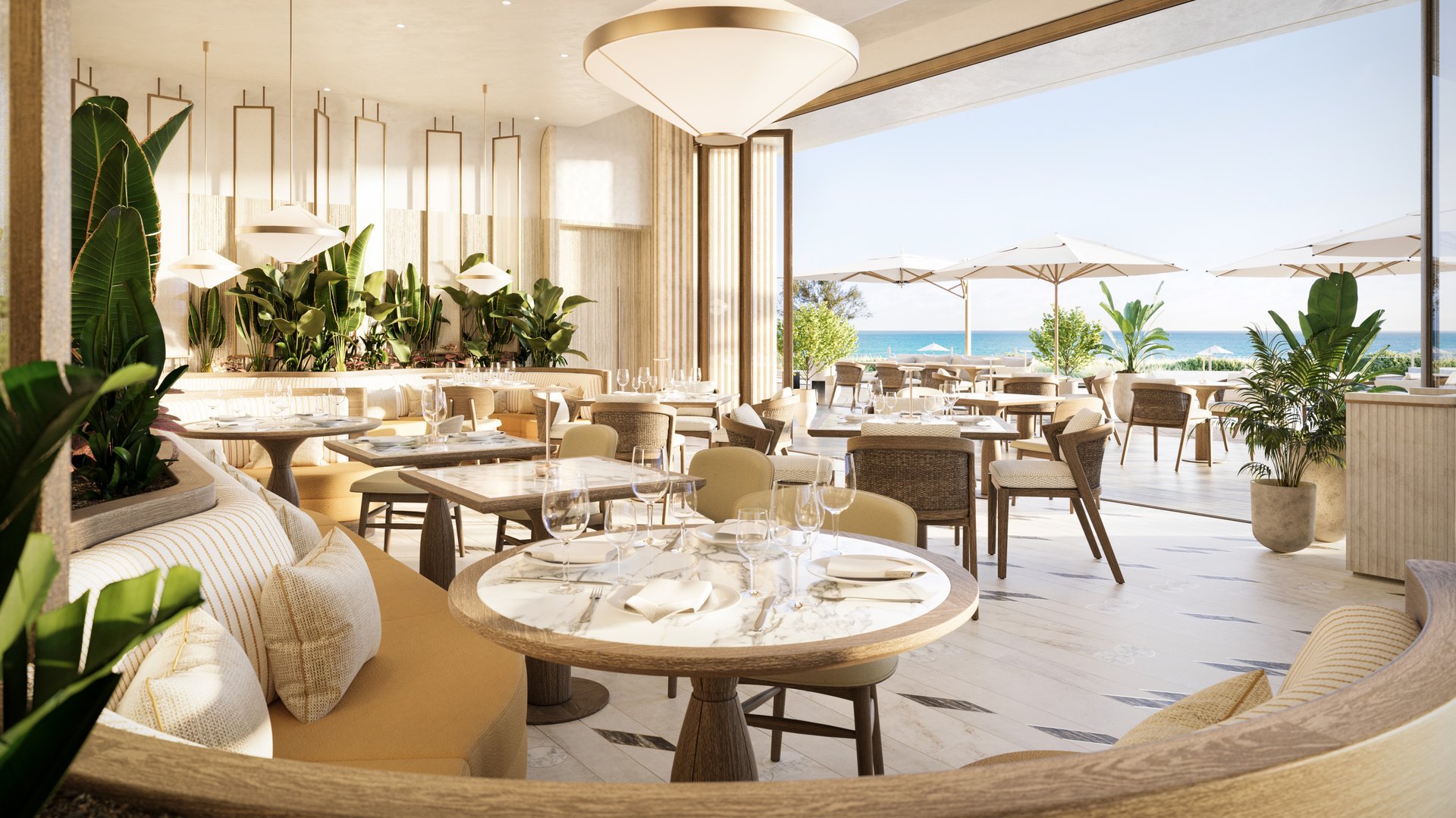
Evaluating the Impact of Michelin-Starred Restaurants on Condo HOA Fees
A discreet, buyer-oriented framework for understanding how Michelin-caliber dining programs and hotel-style food and beverage operations can influence condominium HOA budgets, reserves, and long-term resale positioning in South Florida.
Assessing the Viability of Bitcoin and Cryptocurrency in Ultra-Luxury Closings
Crypto can be part of an ultra-luxury purchase, but it is rarely a literal “wallet-to-seller” closing. In South Florida, the most viable path is treating digital assets as a source of funds that are converted to U.S. dollars well before closing, with disciplined documentation, tax planning, and bankability. The real question for buyers and sellers is not whether crypto is real wealth, but whether it can clear compliance, timing, and title requirements without introducing avoidable volatility or reputational risk.

Evaluating Natural Stone vs Composite Materials in Coastal Environments
In South Florida, the decision between natural stone and composite surfaces is less about taste and more about coastal physics: salt, sun, wind-driven rain, and constant cleaning. For luxury residences, the best outcomes come from matching the material to the microclimate, selecting the right finish, and specifying detailing that keeps water out and maintenance predictable.

Evaluating the Speed and Redundancy of Elevator Systems in Supertall Towers
In a supertall tower, elevator performance is not a convenience feature. It is core life-safety infrastructure, a daily quality-of-life metric, and a quiet determinant of resale desirability. For South Florida buyers who prioritize privacy, punctuality, and predictability, the right question is less “How many elevators?” and more “How does the entire vertical-transportation system behave under peak demand, storms, maintenance, and human error?” This MILLION Luxury guide lays out what to evaluate: speed and travel time, the presence and design of sky lobbies and destination dispatch, redundancy of power and controls, service-elevator separation, and the operational culture that keeps all of it working. The goal is to help you read beyond marketing language and understand what a well-engineered, well-managed elevator ecosystem looks like in a true high-rise.

Miami Tropic Residences vs 619 Brickell in Miami: Deposit strategy & timelines
Two headline-grabbing, chef-branded towers are shaping distinct buyer propositions in Miami: Miami Tropic in the Midtown and Design District orbit, and 619 Brickell on a rare bayfront address in Brickell. For a luxury buyer, the comparison is less about logos and more about timeline, deposit velocity, and how lifestyle value translates into resale and rental performance. Miami Tropic is marketed as a 48 to 49-story, roughly 329-residence tower planned at 3501 NE 1st Ave, with Arquitectonica architecture and Yabu Pushelberg interiors, all wrapped around a Jean-Georges culinary concept. 619 Brickell is marketed as a 74-story, approximately 300-residence, fully furnished concept at 619 Brickell Avenue, with Foster + Partners design in collaboration with Sieger Suarez Architects, and a Nobu restaurant and hospitality-driven service model. Both are pre-construction. Both ask buyers to price in the time value of capital, not just the per-square-foot ask.