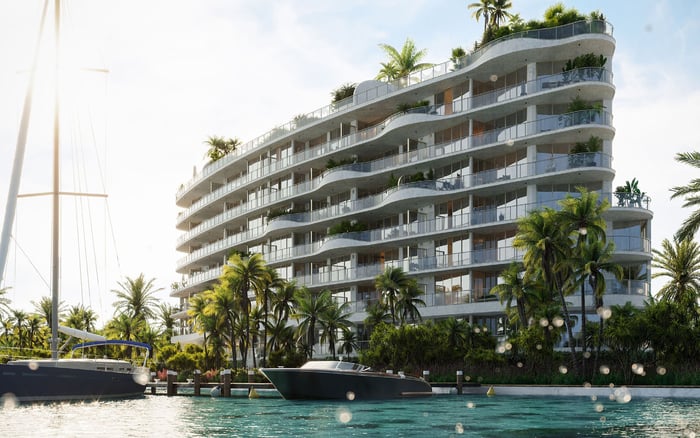
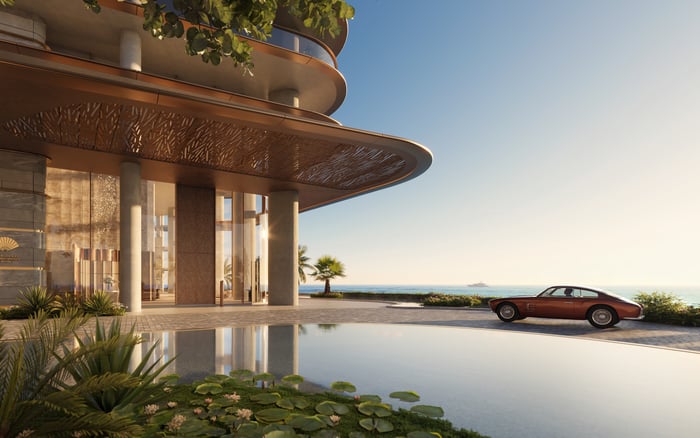
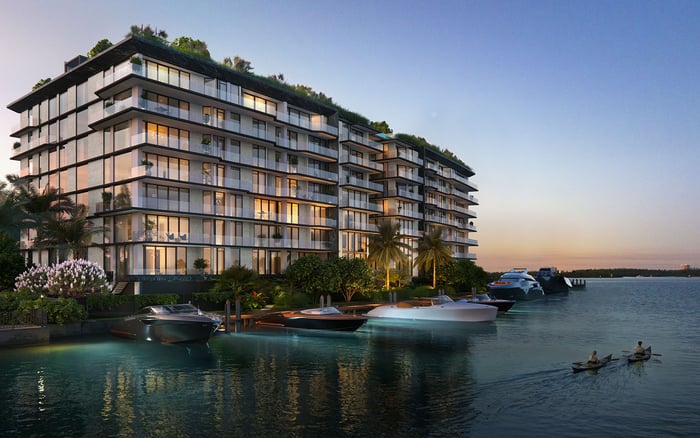
A buyer-focused look at how Onda Bay Harbor and Alma Bay Harbor Islands can be evaluated for privacy, flexible layouts, waterfront routines, and long-term family living.
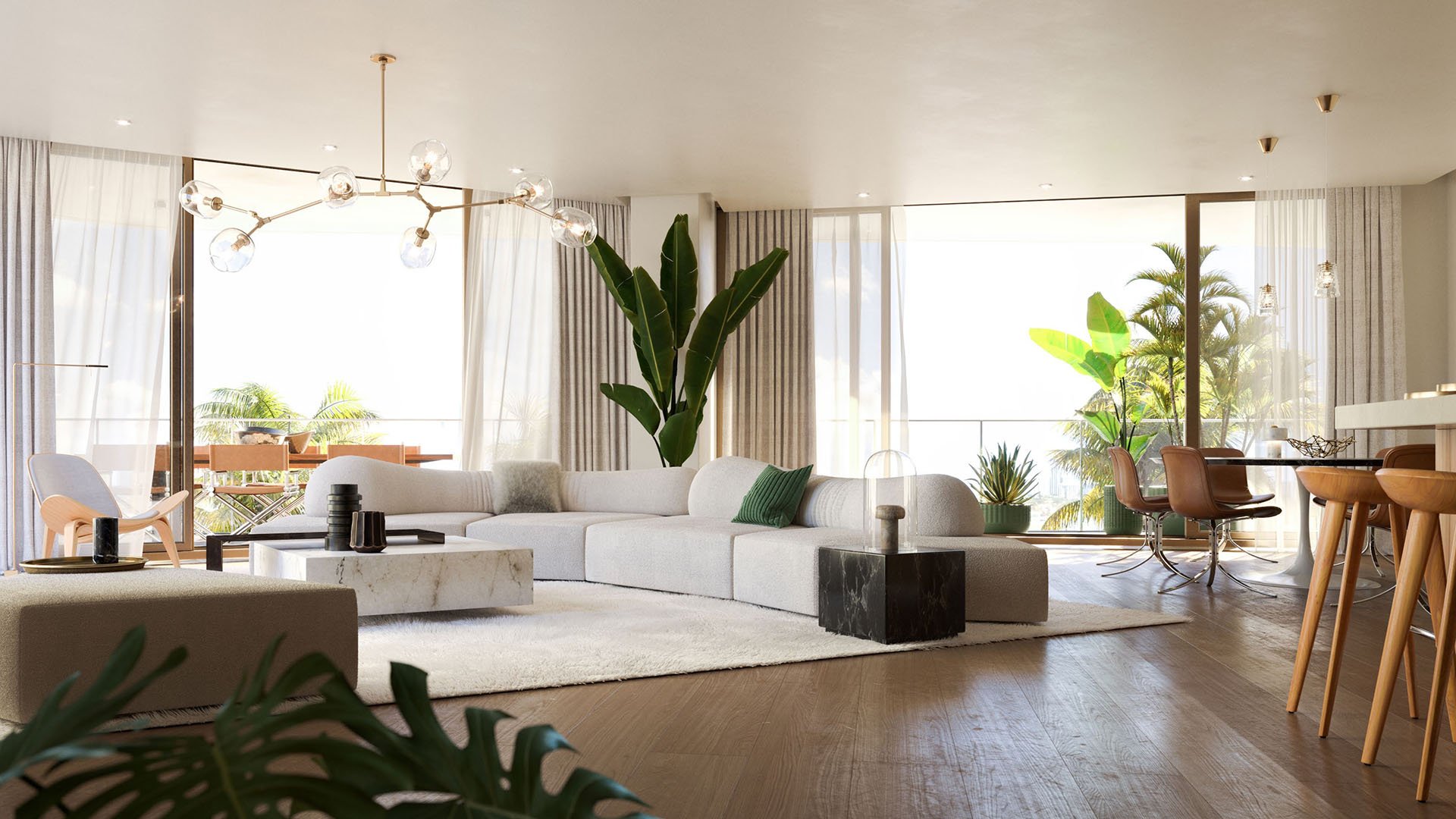
For many South Florida buyers, the question is no longer simply whether a residence is beautiful. It is whether the home can support a family through several stages of life with ease and grace. Grandparents may visit for a season or live nearby full time. Adult children may return between chapters. Grandchildren may turn a quiet second home into a year-round gathering place. Caregivers, guests, work-from-home routines, and privacy needs can all coexist, but only when the building and floor plan are chosen with discipline.
That is the lens through which Onda Bay Harbor and Alma Bay Harbor Islands should be evaluated. Both belong within the Bay Harbor Islands conversation, where buyers often seek a quieter alternative to large-scale urban living while remaining close to Miami-Dade’s coastal lifestyle. The multigenerational buyer should look beyond a polished lobby, a dramatic view, or a fashionable finish palette. The sharper question is how each building supports daily life when more than one generation is using the home at the same time.
Onda Bay Harbor is relevant for buyers who want to study whether a residence feels private, calm, and manageable in daily use. Privacy is not an abstract luxury for extended families. It shapes how residents experience arrivals, elevator routines, amenity spaces, guest flow, and the transition from public areas into the home.
For grandparents, a quieter building environment can be more valuable than a long list of social spaces. For parents, a calmer residential setting may reduce friction as children, guests, and household staff move through the property. For families considering long-term ownership, the goal is to find a home that feels less like a transient pied-à-terre and more like a private family base.
Alma Bay Harbor Islands belongs in the same buyer conversation, but the evaluation should remain practical. Unit size, bedroom separation, accessibility, amenity scale, and day-to-day convenience should take precedence over broad lifestyle language. A polished boutique concept succeeds for multigenerational use only if the residence can absorb different schedules, noise levels, and privacy needs without compromise.
The most important multigenerational feature is often invisible in a sales gallery. It is the relationship among bedrooms, living areas, dens, service zones, and terraces. Buyers comparing Onda and Alma should ask whether the plan can comfortably serve more than a couple or a single nuclear household.
Bedroom separation is especially important. When sleeping areas are well placed, grandparents can retreat without feeling removed from the family, children can keep more active routines, and long-stay guests or household help can have a more discreet zone. The goal is not simply more square footage. It is controlled proximity: enough togetherness for shared meals and family rituals, with enough separation for rest and dignity.
Flexible rooms strengthen that equation. A den or adaptable secondary space can function as a home office, media room, guest room, caregiver area, or occasional sleeping area. In a multigenerational home, the extra room is rarely a bonus. It may become the quiet room for remote work, the children’s movie space, a temporary support space, or a private daytime area for an older family member.
Waterfront living should be evaluated as a daily-use feature, not just a visual feature. Bay views, terraces, water access, and any available boating-related options matter only when they support the family’s actual habits. For some households, the water is part of the family rhythm. For others, it is a calming backdrop that adds pleasure without becoming the center of daily life.
That distinction matters for buyers comparing Onda and Alma. If boating, terrace dining, or frequent outdoor gathering is important, the buyer should verify how practical those experiences are for grandparents, parents, children, and guests. Access, storage, parking, elevator convenience, and ease of arrival can be just as important as the view itself.
Terrace usability also deserves careful review in a multigenerational setting because outdoor space can act as a pressure valve. It gives older residents fresh air without leaving home, children room to decompress, and hosts another setting for meals or quiet conversation.
The strongest comparison between Onda and Alma is not a contest of branding. It is a checklist of long-term usability. Buyers should ask how each residence performs on an ordinary Wednesday, not only during a perfect showing. Can two generations wake at different times without disturbing each other? Is there a quiet room when someone needs privacy? Can guests stay without displacing the household? Are common areas calm enough for older residents? Does the building feel intimate or busy?
Onda may be most compelling for buyers who respond to its Bay Harbor Islands setting and want to test privacy, flexibility, waterfront lifestyle, and long-term family use in detail. Alma should be evaluated through the same lens, with particular attention to bedroom separation, accessible movement through the residence and building, amenity scale, and whether daily routines feel convenient for every age group.
For buyers touring Bay Harbor Islands more broadly, nearby names such as Alana Bay Harbor Islands and La Baia North Bay Harbor Islands may enter the early comparison set. The discipline is to resist comparing finishes alone. In the Bay Harbor luxury market, the more meaningful question is whether the residence can age with the family.
A multigenerational purchase should be approached almost like a private residence audit. Walk the plan through real scenarios. Imagine grandparents using the home while children are visiting. Imagine one adult working from a quiet room while another hosts guests. Imagine a caregiver arriving early, luggage moving through the entry, or a child sleeping while others dine outdoors.
At Onda, buyers should test how the residence handles privacy, circulation, outdoor use, guest stays, service needs, and the transition from shared spaces to private rooms. At Alma, the same questions should guide the review: how large the home feels in practice, how well bedrooms are separated, how accessible the building is, how calm or active the amenities feel, and how easily daily needs can be handled across generations.
For affluent families, multigenerational livability is not about adding more rooms indiscriminately. It is about reducing daily friction. The right Bay Harbor Islands residence should allow family members to gather beautifully, separate comfortably, host discreetly, and remain at ease as needs change over time.
Is Onda Bay Harbor suitable for multigenerational living? It can be, if the specific residence supports the family’s privacy, bedroom separation, flexible-space, and daily-access needs.
How should buyers compare Alma Bay Harbor Islands with Onda? Focus on usable layout, bedroom separation, accessibility, amenity scale, and daily convenience rather than finishes alone.
Why does a quieter building environment matter for older residents? A calmer setting can make arrivals, elevator use, shared areas, and daily movement feel more comfortable and manageable.
Are dens important in a multigenerational condo? Yes. A den can serve as an office, media room, guest space, caregiver area, or occasional sleeping room.
What makes bedroom separation useful? It creates privacy between grandparents, parents, children, guests, or household help while keeping everyone within one home.
Should waterfront features be evaluated beyond the view? Yes. Buyers should consider whether terraces, water access, outdoor routines, and arrival logistics match the family’s real lifestyle.
Should buyers prioritize amenities or floor plan? For multigenerational use, the floor plan usually deserves first attention because it affects privacy and daily comfort.
Can a boutique-style building work for extended families? Yes, if the residences have enough space, flexible rooms, practical circulation, and a calm daily environment.
What should buyers ask during a private tour? Ask how the home handles guests, caregivers, quiet work, separate sleep schedules, outdoor use, and long-term family changes.
Is there a single best choice between Onda and Alma? Not universally. The better fit depends on how each residence supports the family’s routines, privacy needs, and future plans.
For a discreet conversation and a curated building-by-building shortlist, connect with MILLION.
If branded residences are on your mind — as a home or as an allocation — we would be glad to share what we are seeing, privately.
Begin a quiet conversation