In South Florida’s eight-figure tier, “bidding war” rarely means chaos. It is a controlled contest shaped by scarcity, privacy, and proof of certainty. The most competitive situations are typically tied to unique inventory: irreplaceable views, meaningful frontage, a building with lasting prestige, or a residence that solves for lifestyle without compromise. For buyers, the goal is not to win loudly. It is to win cleanly: a compelling price, minimal friction, and terms that reduce seller risk. For sellers, the objective is to surface true demand, separate signal from noise, and choose the offer most likely to close on time and on terms. Here is what bidding wars look like when the numbers start with eight figures, and how to navigate them with discretion.
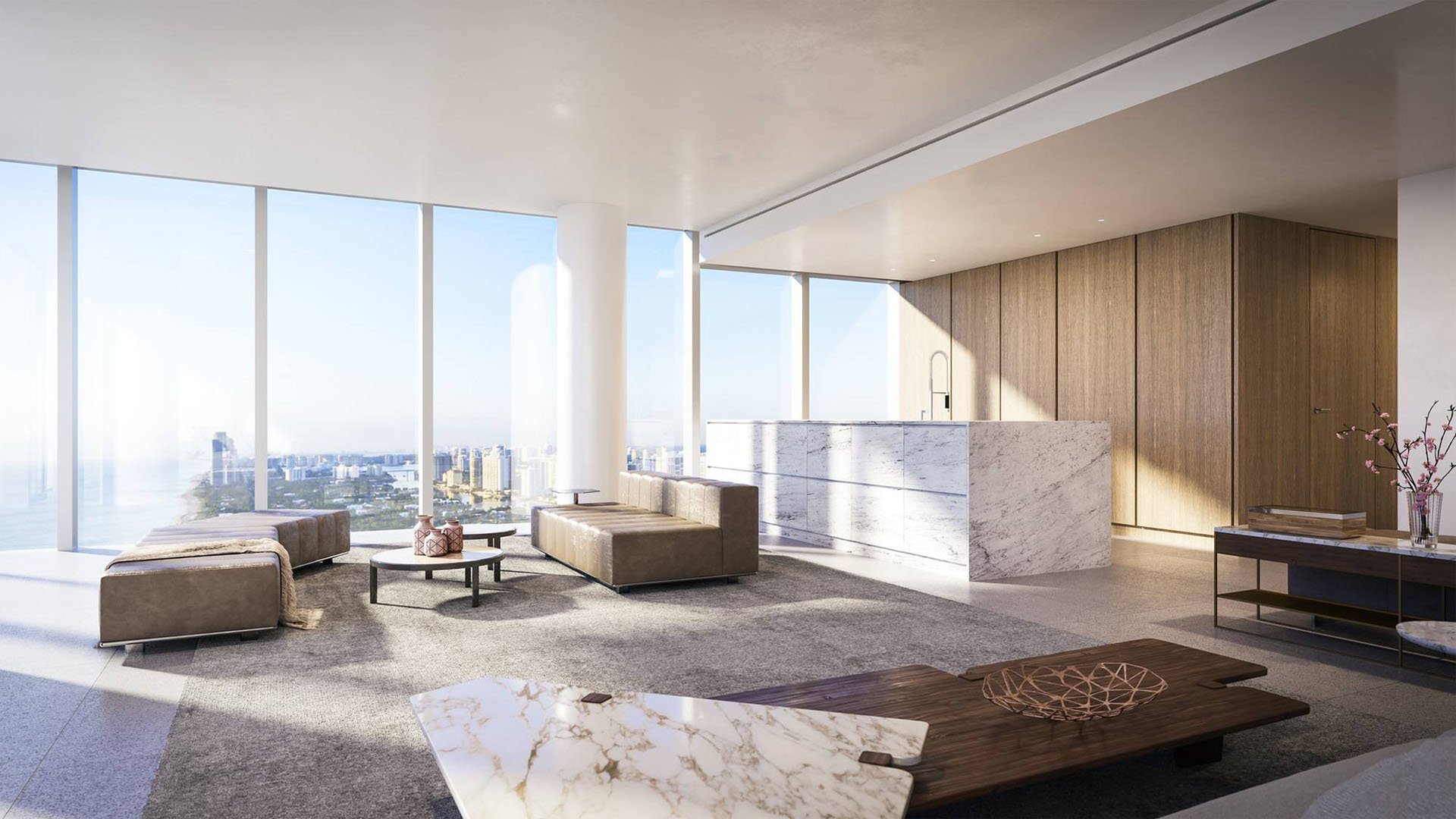
At the top of the market, a bidding war is less a frenzy and more a curated process. In practice, it often plays out as a small, invited contest among a handful of qualified buyers-many already known to the listing side. The theatrics are minimal; the stakes are not.
Eight-figure inventory is scarce in the only way that matters: true substitutes are limited. A residence can be large, but it cannot replicate a specific exposure, line of sight, elevation, or the day-to-day reality of a building’s service culture. When a home has that “only one” quality, multiple buyers may decide-within the same week-that they would rather pay more than wait.
That is why bidding wars in this tier can seem to arrive without warning. A property may sit quietly while the wrong audience circles it, then turn competitive the moment the right two or three buyers align on its unique value.
In South Florida, eight-figure competition is typically tied to a narrow set of attributes.
First is unrepeatable positioning: beachfront, bayfront, or a protected view corridor that is unlikely to change. Second is a building’s long-term desirability: reputation, privacy, resident profile, and management quality. Third is a residence’s livability: ceiling height, terraces, elevator experience, and whether the layout works for how high-net-worth households actually move through a day.
New development can intensify this dynamic. Brand-driven and design-forward towers can attract buyers who have already committed to an area, but are waiting for the right expression of it. In Brickell, for example, interest can cluster around a select set of premium offerings such as 2200 Brickell, where lifestyle and location are integral to the purchase logic-not an afterthought.
The key point: bidding wars form around specificity. If you are evaluating a home that can be easily replaced, you may see negotiation. If you are evaluating a home that cannot, you may see competition.
In the eight-figure tier, sellers and their advisers tend to run processes built to maximize certainty and minimize disruption.
Common structures include:
A “best and final” deadline after a tight showing window.
A request for proof of funds or banking confirmation before offer submission.
Limited access to documents until the buyer signals seriousness.
A preference for direct, clean communication lines between decision-makers.
This is also where buyer comportment matters. Sellers behind ultra-prime residences are often motivated by more than price: privacy, timing, and the desire for a seamless exit can all shape which offer feels safest.
In Miami Beach, where the buyer base can be global and time-sensitive, a seller may lean toward the offer that reads as most prepared to close-quietly and without drama. This is one reason elite buildings and well-known oceanfront addresses can become flashpoints when a truly rare residence appears. A project like 57 Ocean Miami Beach illustrates how limited, high-design inventory can concentrate attention in a short period.
In the typical bidding-war narrative, the “highest price wins.” In eight-figure reality, the best offer is the one that is easiest to close.
Sellers often price risk explicitly. An offer that is slightly lower but demonstrably stronger can win when it reduces uncertainty. The strongest packages commonly include:
Clear, documented liquidity and the ability to close as represented.
A tight inspection period or a pre-inspected mindset.
Fewer contingencies and clean contract language.
A closing timeline aligned with the seller’s plan.
A meaningful deposit structure that signals intent.
This is where experienced counsel earns its keep. A sophisticated buyer does not remove protections blindly; they do diligence early so the final offer can be clean without being reckless.
If you want a simple mental model: in this tier, terms function as price.
Winning a bidding war at eight figures is not about being aggressive. It is about being credible.
Prepare before you tour. If your decision requires third-party input, have the team queued-legal, tax, design, and any technical experts. The faster you can validate, the more confidently you can offer.
Decide what you are buying. Are you buying privacy, a view, a building, or a layout? Name it. If your “why” is vague, you are more likely to overbid out of anxiety.
Make your first offer the offer you can live with. In a controlled competition, you may not get multiple rounds. If you want the home, signal that clearly.
Protect your upside through precision, not hesitation. Tighten what you can control: contract clarity, timeline, and deposits. Avoid negotiating through uncertainty.
Be discreet. In the eight-figure space, public posturing can backfire. Quiet strength is often the most persuasive.
In coastal Broward, where lifestyle residences can attract both primary and second-home buyers, new construction can become a fast contest when inventory matches an end-user’s checklist. Consider how a modern, amenity-rich oceanfront offering such as 2000 Ocean Hallandale Beach can concentrate demand when a particularly desirable residence is available.
Sellers at this level typically perform best when they treat a bidding war like a private auction with standards.
Qualify early. Serious buyers are rarely offended by proof-of-funds requests; they expect them.
Offer clarity. Clean disclosures, accessible documents, and a coherent timeline increase buyer confidence.
Set a process. A defined window and a clear “best and final” moment can drive stronger offers.
Choose certainty. The most attractive number is not always the best outcome if it carries delay risk.
A well-run process also protects privacy. That matters in South Florida’s most exclusive addresses, where discretion is part of the value proposition.
Bidding wars tend to be most pronounced in a few repeat categories.
These are residences where the view is the asset. High-floor panoramas, expansive terraces, and a service-driven building culture can create a buyer’s sense that waiting is riskier than paying.
In Edgewater and the urban waterfront corridor, branded and design-forward new construction can pull demand into a narrow channel, particularly for premium lines. A project such as Aria Reserve Miami reflects how buyers can compete for a specific lifestyle profile, not just square footage.
Smaller buildings can trigger competition because they offer what larger towers cannot: fewer neighbors, quieter common areas, and a more residential cadence.
Even in the eight-figure range, the most competitive houses are often the ones that are immediately livable, well-composed, and hard to replicate through renovation. The buyer who wants to move in this season will pay a premium to avoid an extended construction timeline.
It is fashionable to assume that wealth eliminates emotion. In real estate, it does not.
Eight-figure buyers are often time-constrained and lifestyle-driven. They may be aligning school schedules, travel patterns, business demands, or a relocation plan. When the right home appears, the cost of missing it can feel greater than the cost of paying an extra percentage point.
Sellers experience their own psychology. A home at this level is frequently tied to identity and memory. The seller may respond to the buyer who seems most respectful of the asset, even if both offers are strong.
Recognizing these human dynamics can help you negotiate without misreading the room.
A bidding war is not a scoreboard. It is a moment when the market forces you to clarify priorities.
If the home is replaceable, maintain discipline and be willing to walk. If it is truly unique, over-optimizing for the last fraction of price can cost you the entire opportunity. The most successful eight-figure buyers do not chase every listing. They choose the few that genuinely fit, then execute decisively with a clean offer, strong terms, and a calm tone.
That is the reality: in this tier, the loudest buyer does not win. The most prepared buyer does.
What qualifies as a bidding war in the eight-figure market? Typically, it means multiple qualified offers competing within a short, managed timeframe.
Do sellers always pick the highest offer? Not always; certainty of closing, timeline, and contract strength can outweigh a slightly higher price.
Should I waive inspections to compete? Only if you have completed enough upfront diligence to be comfortable with the property’s condition.
How can I show strength without overpaying? Offer clean terms, demonstrate liquidity, and make a price decision based on your defined “why.”.
Are cash offers required at eight figures? They are not required, but sellers often favor offers that present minimal financing risk.
What role does a deposit play in competitive situations? A meaningful, well-structured deposit signals commitment and can reduce perceived execution risk.
Can I negotiate after submitting a best and final offer? You can try, but in tightly run competitions sellers may move to the next offer rather than reopen terms.
Why do some listings feel quiet and then suddenly get multiple offers? The right buyer pool can converge quickly once a unique property becomes visible to them.
How do I avoid buyer’s remorse if I win? Decide in advance what makes the home irreplaceable for you and bid within that rational framework.
What is the most common mistake buyers make in eight-figure bidding wars? Moving too slowly on diligence and decisions, which forces them into rushed, emotional pricing.
When you're ready to tour or underwrite the options, connect with MILLION Luxury.
If branded residences are on your mind — as a home or as an allocation — we would be glad to share what we are seeing, privately.
Begin a quiet conversation