A discreet relocation guide for affluent New York buyers considering The Ritz-Carlton Residences® Palm Beach Gardens as a waterfront base for slower, more intentional Florida living.
For many New York buyers, the move to Palm Beach Gardens is not simply a warmer version of the same life. It is a recalibration of pace, space, privacy and daily ritual. The objective is not to recreate a Manhattan co-op, a Brooklyn townhouse or a Westchester estate under a different sky. It is to use the move as permission to live differently.
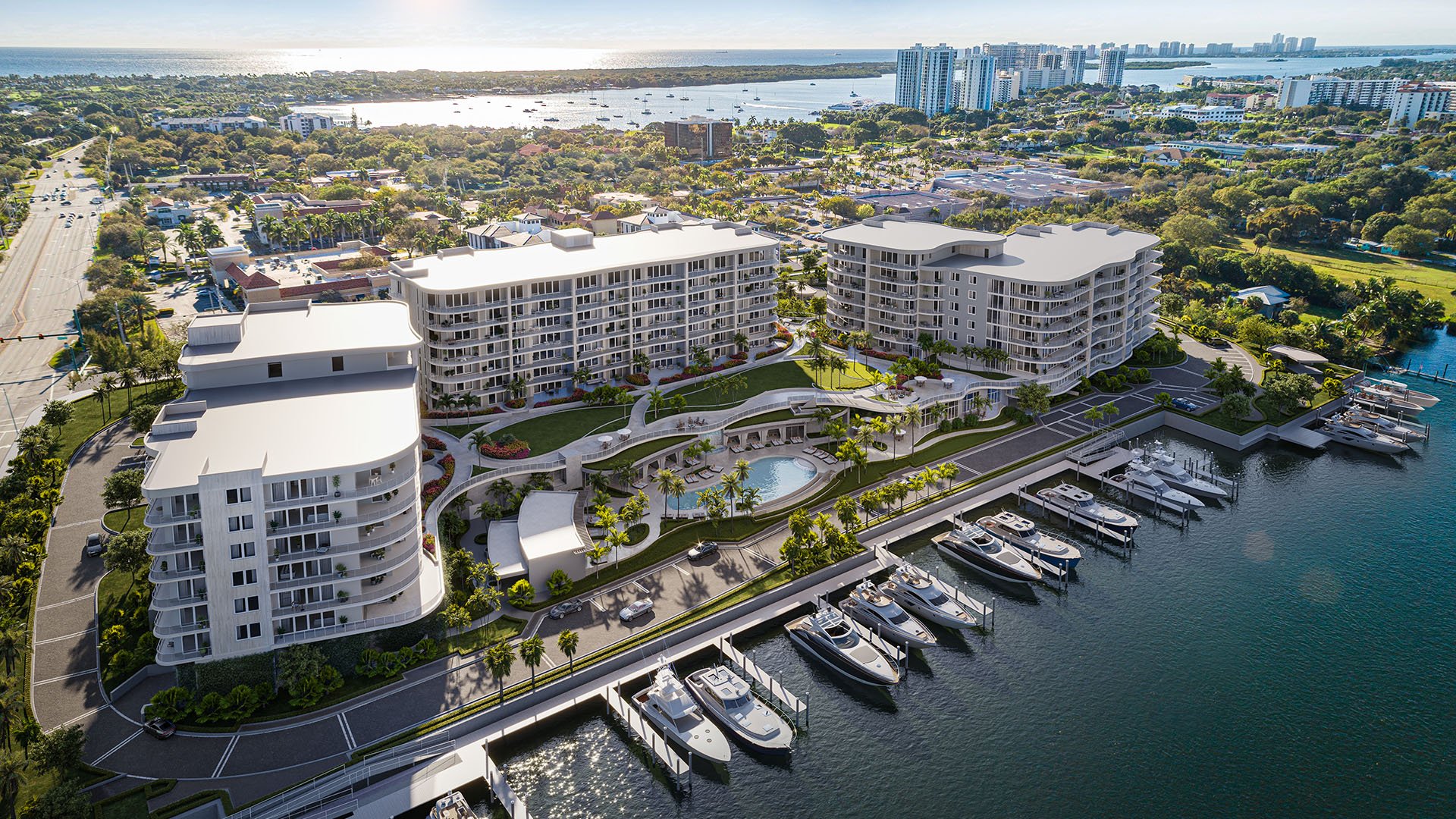
That is the clearest way to understand The Ritz-Carlton Residences® Palm Beach Gardens. Framed as waterfront branded residences in Palm Beach Gardens, the property speaks to buyers who want the confidence of a recognizable hospitality standard while shaping a more intentional Florida life around water, light and open-air routines.
The New York buyer often arrives with sharpened instincts: sensitivity to building service, a serious view of floor plan efficiency and a clear preference for privacy. Palm Beach Gardens adds another lens. Here, the residence is not only where one sleeps, works and entertains. It becomes the base for morning walks, informal lunches outdoors, boating-oriented afternoons, visiting family and evenings shaped by a slower cadence.
The contrast with New York is not only density. It is the choreography of everyday life. In the city, errands, dining, fitness and social calendars often sit within a compressed urban grid. In the suburbs north of the city, privacy may be abundant, but maintenance, commuting and weather can still dictate the rhythm of the week.
Palm Beach Gardens offers a more open residential pattern. For buyers considering a Palm Beach lifestyle without necessarily choosing the formality of the island itself, the appeal is a daily structure that feels less forced. Outdoor living is not treated as occasional recreation. It becomes a recurring part of the day.
That shift matters when evaluating a branded waterfront residence. A terrace is not just a pleasant extra. It may become the breakfast room, the reading room, the evening cocktail setting and the place where visiting family gathers before dinner. A pool is not only an amenity; it is part of the wellness loop. Marina access, water views and lounges can become the connective tissue between private life and community rhythm. Searchable priorities such as Marina, Waterview, Terrace and Pool are, in practice, lifestyle decisions.
Waterfront living in Palm Beach Gardens should be evaluated differently from oceanfront living in denser coastal markets. The mood is less about spectacle and more about continuity. The water is present in the routines: walking, lingering, dining outside, watching weather move across the horizon and orienting the day around light rather than traffic.
For buyers comparing South Florida options, this is an important distinction. A buyer may study The Ritz-Carlton Residences® West Palm Beach to understand a more city-adjacent expression of the brand, or consider Alina Residences Boca Raton when Boca Raton enters the conversation. Palm Beach Gardens, by contrast, is best read through spaciousness, waterfront calm and residential composure.
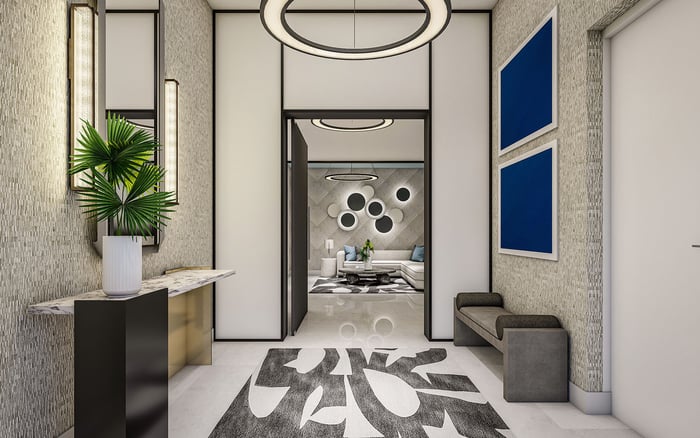
This is why buyers should avoid approaching the residence with a purely northern checklist. The question is not merely how many bedrooms replace the New York home. It is how the home supports the life the buyer actually wants in Florida: where morning calls happen, where guests stay, how often family visits, whether dinners are formal or relaxed, and how seamlessly indoor and outdoor spaces function together.
The most sophisticated New York relocators tend to make one early adjustment: they stop asking whether a residence duplicates the old life and start asking whether it improves the new one. A den may matter more if hybrid work continues. A guest suite may matter more if adult children, parents or friends will visit through the season. Entertaining areas may need to flow differently when dinners begin outdoors and drift inside later.
For year-round residents, the residence has to handle ordinary weekdays with the same grace as holiday weekends. For seasonal owners, lock-and-leave confidence and ease of return become central. For hybrid work buyers, the home must balance discretion, quiet and flexibility without feeling like an office has been inserted into a resort setting.
This is where branded residences can be particularly compelling. The promise is not simply a name. It is a residential environment where service, shared spaces and private areas are meant to support a polished daily experience. New York buyers understand that distinction instinctively, especially if they come from doorman buildings, staffed homes or highly managed properties.
Relocation to Palm Beach Gardens often changes the social geography of a family. The home may become the southern gathering point. Friends from New York may visit for long weekends. Children may come during school breaks. Parents may stay for extended periods. A residence that appears oversized on paper may, in practice, be calibrated correctly for the new role it plays.
This is why guest accommodations, flexible rooms and entertaining areas deserve close attention. The best choice may not be the most dramatic floor plan. It may be the one that allows the owner to host without surrendering privacy, work without disruption and move between quiet mornings and convivial evenings without friction.
Buyers comparing coastal branded choices may also look south to Armani Casa Residences Pompano Beach or farther into Miami’s urban waterfront at Baccarat Residences Brickell. Those comparisons can be useful, but the Palm Beach Gardens decision is more residential in tone. It is less about constant arrival and more about settling into a repeatable, elevated routine.
The affluent New York buyer considering Palm Beach Gardens is often experienced, not experimental. This buyer has lived with tradeoffs: city convenience versus space, suburban privacy versus upkeep, proximity versus pace. The appeal of The Ritz-Carlton Residences® Palm Beach Gardens is that it can offer a new equation, one in which waterfront setting, branded service and daily ease work together.
The decision can support several life stages. Some buyers will make Palm Beach Gardens their primary residence. Others will use it seasonally, with New York remaining part of the calendar. Still others will use hybrid work to create a more fluid pattern, spending longer stretches in South Florida without fully abandoning northern ties.
Any questions involving residency, tax treatment or domicile should be handled with qualified legal and tax professionals. The lifestyle decision can be intuitive, but the planning should be precise.
A smart visit should feel less like a tour and more like a rehearsal. Walk the waterfront. Imagine a normal Tuesday, not only a holiday weekend. Consider where you would take calls, where guests would unpack, where you would read in the morning and whether the outdoor spaces feel usable enough to become part of your routine.
Palm Beach Gardens rewards buyers who are willing to design a Florida-specific life rather than import a northern one intact. The prize is not only a residence with views. It is a calmer operating system for the day.
Is The Ritz-Carlton Residences® Palm Beach Gardens positioned for New York relocators? Yes. It is well suited to affluent New York buyers seeking a waterfront branded residence and a more intentional Palm Beach Gardens lifestyle.
Is the move more about lifestyle than location? For many buyers, yes. The shift involves pace, space, climate and daily routines, not only a change of address.
Can the residence work for year-round living? Yes. It can support year-round living, seasonal use or hybrid work arrangements.
Why does the waterfront setting matter? The water supports daily rituals such as walks, outdoor dining, marina-oriented activity and a calmer residential cadence.
What should Manhattan buyers focus on first? They should assess how the floor plan supports privacy, guests, remote work and outdoor living rather than simply replacing a northern layout.
Is this a good fit for former townhouse or estate owners? It can be. Buyers coming from Brooklyn townhouses or Westchester estates may value more service, less upkeep and a refined waterfront rhythm.
How important are terraces and outdoor spaces? They are central. Terraces, pool areas, lounges and waterfront promenades can become everyday living spaces in Florida.
Should buyers compare other South Florida markets? Yes, but comparisons should clarify lifestyle. Palm Beach Gardens offers a quieter residential rhythm than many denser urban or beach markets.
Should tax or residency planning drive the decision? Lifestyle may begin the conversation, but legal, tax and domicile questions should always be reviewed with qualified professionals.
What is the best mindset for relocating from New York? Do not simply transplant northern habits. Use the residence to design a Florida-specific routine around water, wellness, hosting and ease.
To compare the best-fit options with clarity, connect with MILLION.
If branded residences are on your mind — as a home or as an allocation — we would be glad to share what we are seeing, privately.
Begin a quiet conversation