A practical luxury buyer’s guide to weighing Surfside and Bal Harbour through light, exposure, daily upkeep, access habits, and waterfront living preferences.
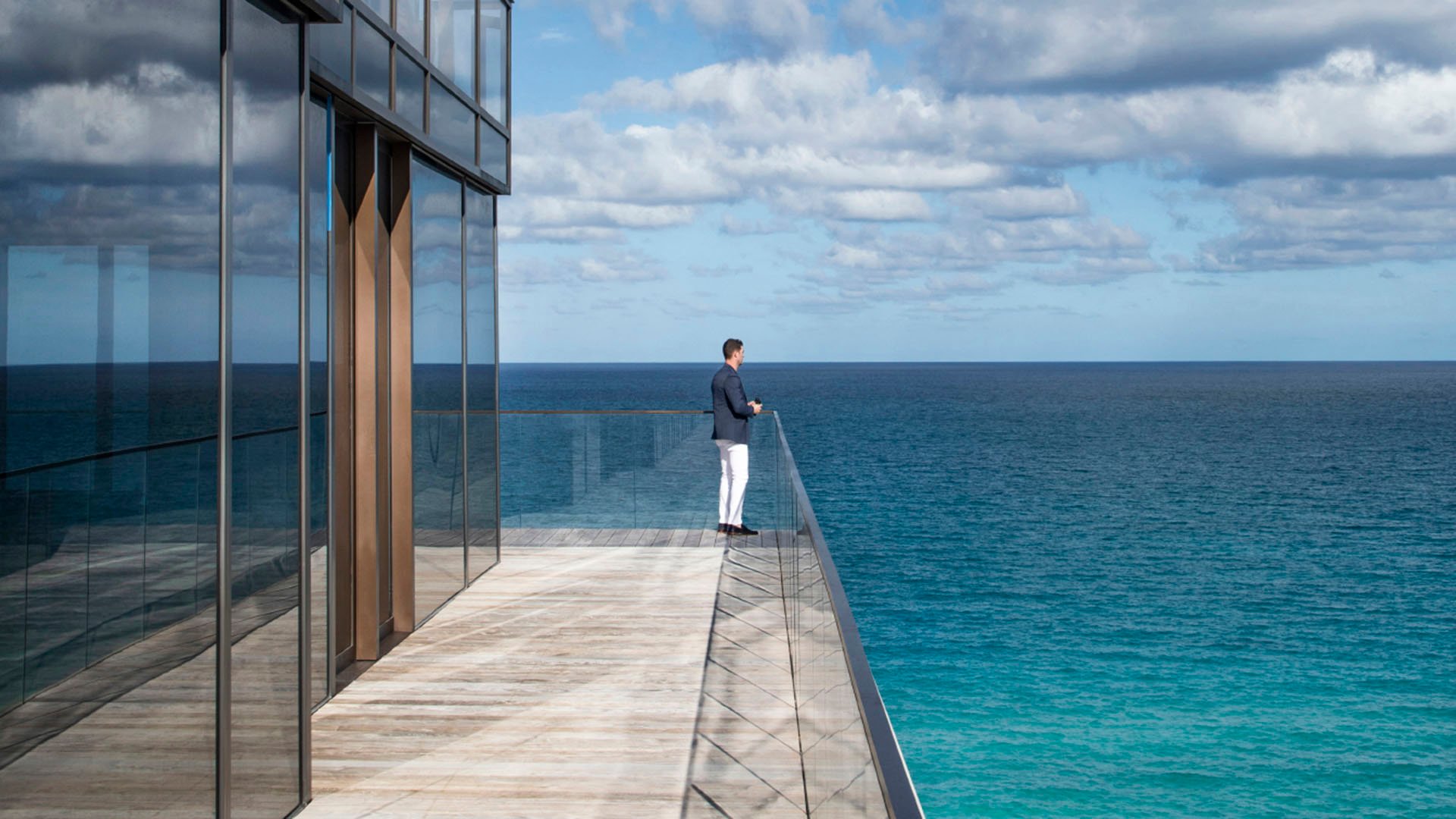
The most sophisticated Surfside or Bal Harbour decision often begins away from the sand. Buyers may arrive focused on the ocean, then discover that the daily pleasure of a residence is shaped by quieter variables: the way morning light crosses a room, how glare behaves in the afternoon, whether terraces invite regular use, and how often beach-facing exposure becomes a maintenance consideration.
For a buyer seeking bayfront light with less beach maintenance, the question is not simply which address feels more prestigious. It is how the home lives on an ordinary Tuesday. Will the interiors feel calm at breakfast? Will the terrace invite use without constant attention? Will the view create depth without placing every surface in the path of salt, sand, and direct intensity? In this context, Surfside and Bal Harbour are best compared through rhythm, orientation, and personal habits.
A residence such as The Delmore Surfside belongs in the conversation when a buyer is studying Surfside through the lens of quiet coastal living, while Rivage Bal Harbour naturally anchors the Bal Harbour side of the comparison. The decision is less about chasing a single perfect view and more about matching the building, exposure, and lifestyle to the way one actually uses a home.
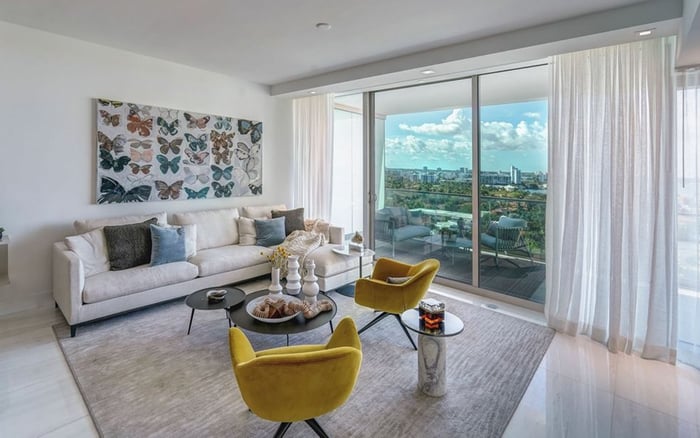
Bayfront light has a different emotional register than direct beach exposure. It can feel more reflective, more layered, and often more residential in mood. Rather than framing the day only around surf and horizon, it lets the eye move across water, sky, neighboring silhouettes, passing weather, and evening illumination. For many luxury buyers, that complexity is what makes a room feel lived in rather than staged.
This is where Waterview becomes more nuanced than a simple marketing word. A Waterview may be broad, narrow, angled, intimate, elevated, or filtered through landscaping and architecture. The strongest residences do not merely present water; they choreograph it. A dining room may glow at dusk. A primary suite may feel quieter because the view is not all brightness and glare. A study may remain usable for long hours because the light is gentler.
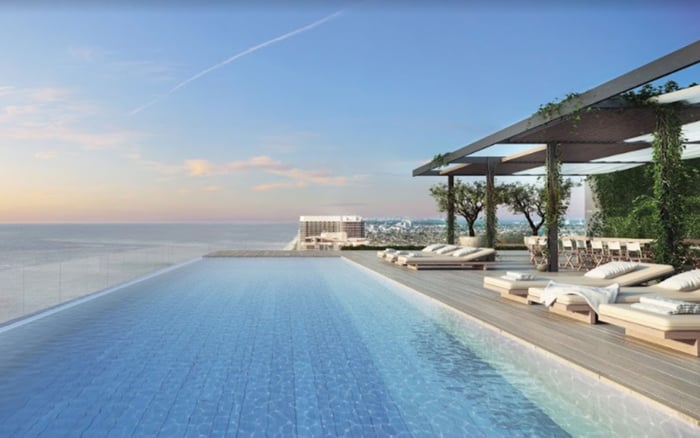
For buyers who love water but do not want a daily relationship with sand, direct beachfront living is not the only answer. Waterfront can mean a more composed experience, particularly when the residence offers a visual connection to water without making beach activity the center of the household routine.
Beach maintenance is not only about housekeeping. It is about exposure, circulation, storage, fabrics, finishes, terrace use, elevator routines, pet care, guest arrivals, and the way the home receives the outdoors. A buyer who uses the beach daily may accept those tradeoffs gladly. A buyer who wants the beauty of coastal living without its constant reminders may prefer a more protected orientation.
The practical questions are simple but revealing. How does one enter after a walk near the water? Is there a comfortable place for towels, sandals, and outdoor gear? Do terrace doors open to spaces that feel usable year-round? Are outdoor furnishings likely to be part of daily life or mainly visual composition? Does the floor plan make it easy to keep beach activity separate from formal entertaining areas?
This is also where Beach-access should be understood as a lifestyle variable, not a binary amenity. Some buyers want immediate sand underfoot. Others want access when desired, with the residence itself feeling more polished and less exposed. Neither approach is superior; the stronger choice is the one that reduces friction.
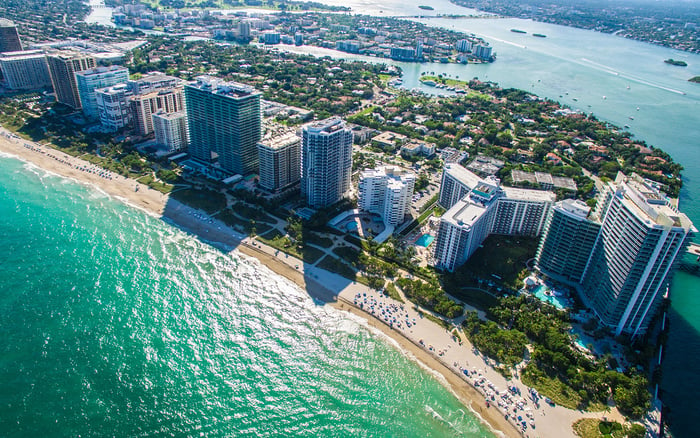
Surfside often appeals to buyers who want coastal identity with a quieter domestic cadence. The ideal Surfside buyer may want refined access to the water, but also a sense that the residence is a private retreat first and a beach address second. That distinction matters when the goal is bayfront light, reduced maintenance, and a home that feels composed after a long day.
When considering Surfside, look closely at how a building handles arrival, privacy, and transition. A residence like Ocean House Surfside can serve as a reference point for buyers weighing a more intimate coastal setting, while The Surf Club Four Seasons Surfside may enter the discussion for those who value a highly recognizable Surfside address. The right question is not which name is most familiar. It is which environment supports the buyer’s preferred level of visibility, service, and retreat.
Surfside may also suit buyers who want their home to feel less performative. If the residence is intended for long stays, remote work, family visits, or quiet seasonal use, interior comfort becomes as important as the waterline. Light should flatter the rooms. Views should provide serenity rather than constant stimulation. The home should still feel elegant when the terrace doors are closed.
Bal Harbour tends to attract buyers who appreciate a more formal sense of arrival and a polished coastal identity. The decision to choose Bal Harbour may be less about escaping attention and more about inhabiting a setting that feels deliberate, curated, and composed. For some buyers, that formality is exactly the point.
Oceana Bal Harbour may be considered by buyers studying Bal Harbour through the prism of high-profile waterfront living. Yet even here, the most important evaluation is personal. Does the residence make daily life easier, or does it ask the owner to maintain a version of coastal living that looks better than it feels?
Bal Harbour can be especially compelling for buyers who want an address with presence while still being highly selective about exposure. If the home will be used for entertaining, art, wardrobe storage, or extended family stays, study how sunlight behaves in the public rooms and how service spaces support the household. A glamorous address does not remove the need for practical scrutiny. It raises the importance of getting those details right.
This is a Buyer's Guides question at heart. Start with light. Visit at different times if possible, and study how the residence feels when the sun is not at its most flattering. Consider whether the rooms hold atmosphere in both bright and muted conditions. The best coastal homes do not rely on one perfect hour.
Then evaluate maintenance tolerance. If the household includes children, pets, frequent guests, staff, or long seasonal absences, maintenance patterns become more important. A residence that seems effortless during a showing may require more discipline when beach routines are part of everyday life.
Finally, compare emotional fit. Surfside may feel like the quieter choice for a buyer seeking privacy and coastal restraint. Bal Harbour may feel more appropriate for a buyer who wants polish and a stronger sense of occasion. The difference is not absolute. It is a matter of emphasis.
Choose Surfside if you want the home to feel retreat-like, if you value calm transitions, and if you prefer coastal elegance that does not need to announce itself. Prioritize floor plans that separate outdoor routines from formal spaces, and pay attention to how bayfront light affects the rooms you use most.
Choose Bal Harbour if you want a more ceremonial address, a heightened arrival experience, and a setting that supports polished entertaining. Look beyond the first impression and ask whether the residence offers enough softness, storage, and daily ease to balance its presence.
In either case, resist choosing solely by the most dramatic view. The best view is the one you want to live with every day. It should support sleep, conversation, work, dining, and quiet. It should make maintenance feel manageable rather than constant. Above all, it should make the home feel complete even when the beach is only part of the story.
Is Surfside better than Bal Harbour for less beach maintenance? It depends on the specific residence, exposure, and household routine. Surfside may appeal to buyers seeking a quieter rhythm, while Bal Harbour may suit those wanting a more polished address.
What does bayfront light mean for a luxury condo buyer? It refers to the softer, reflected quality of light associated with water views away from direct beach exposure. Buyers often value it for atmosphere and daily comfort.
Should I prioritize ocean views or bay views? Prioritize the view that best supports how you live. Ocean views can be dramatic, while bay-oriented views may feel calmer and more layered.
How can I reduce beach-related upkeep in a coastal home? Study exposure, entry paths, terrace use, and storage. A thoughtful layout can keep outdoor routines from overtaking formal living areas.
Is Beach-access still important if I want less maintenance? Yes, but it should match your habits. Some buyers want convenient access without making the beach the center of every daily routine.
Which area feels more private, Surfside or Bal Harbour? Privacy depends on building design, arrival sequence, and residence orientation. Surfside is often considered by buyers seeking a quieter residential feel.
Which area is better for entertaining? Bal Harbour may appeal to buyers who want a more formal sense of arrival. The best choice still depends on floor plan, light, and service flow.
What should I look for during a showing? Watch how natural light moves through the rooms, how terraces feel, and whether the home supports easy transitions from outdoor to indoor living.
Can a waterfront residence feel low maintenance? It can feel more manageable when exposure, materials, circulation, and storage are well aligned with the owner’s lifestyle.
What is the best way to shortlist comparable options for touring? Start with location fit, delivery status, and daily lifestyle priorities, then compare stacks and elevations to validate views and privacy.
For a tailored shortlist and next-step guidance, connect with MILLION.
If branded residences are on your mind — as a home or as an allocation — we would be glad to share what we are seeing, privately.
Begin a quiet conversation