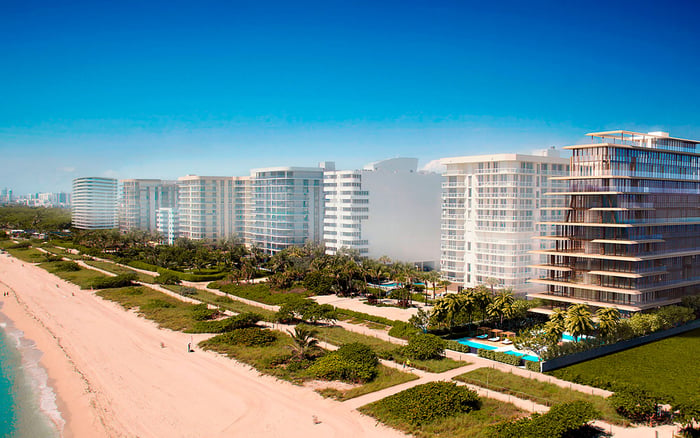
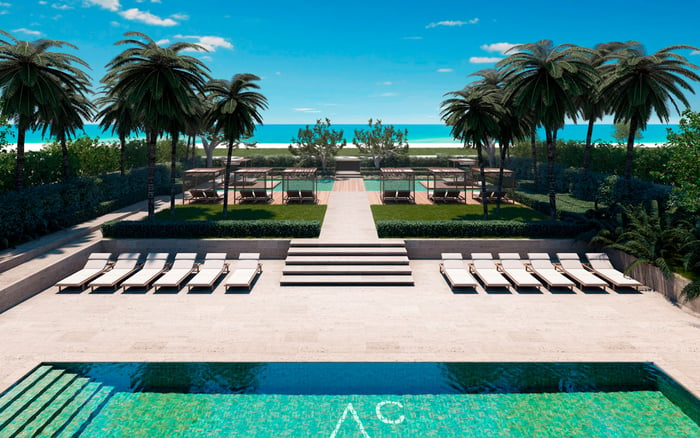
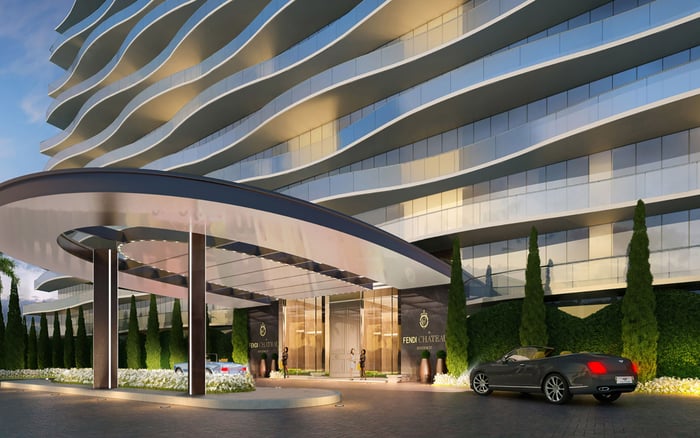
A practical Surfside buyer’s guide for hosts who value gracious arrival sequences, indoor-outdoor flow, privacy, service circulation, and long-term livability.
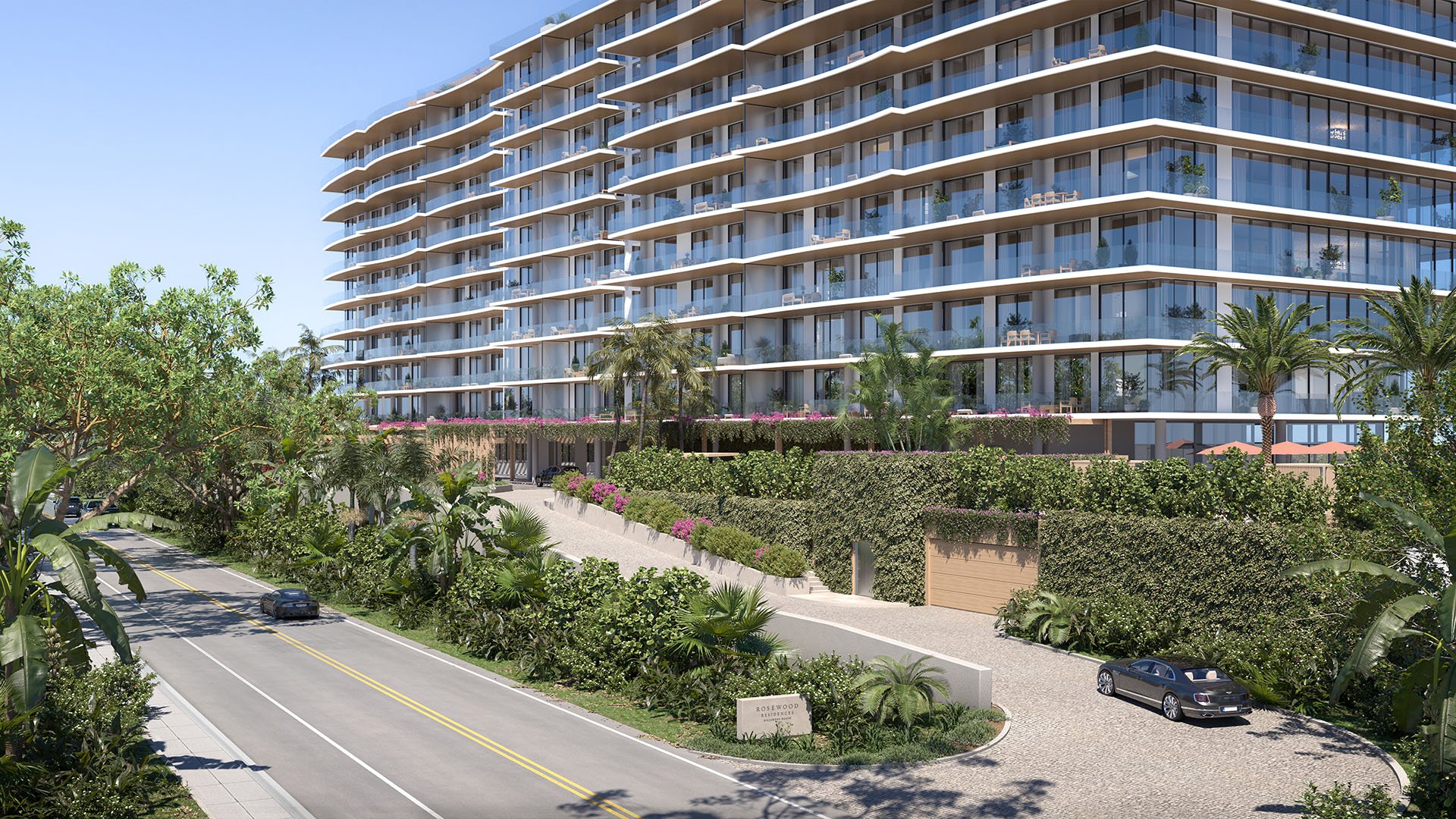
Surfside rewards a particular kind of luxury buyer: one who wants refinement without constant spectacle. For frequent hosts, the right residence is not simply the largest floor plan or the most dramatic view. It is the home that lets a dinner party feel effortless, a weekend visit feel considered, and a quiet morning after feel fully restored.
That distinction matters. Entertaining places unusual demands on a residence. Guests need a gracious arrival. The host needs a kitchen that can perform without becoming the room’s only story. Staff, caterers, deliveries, and valet logistics must be considered before they are needed. The strongest purchase is the one that can shift from intimate family use to polished social use without rearranging daily life around the event.
For the entertaining buyer, the criteria are distinct. A collector may prioritize wall space. A seasonal owner may prioritize lock-and-leave simplicity. A host should prioritize flow, acoustics, privacy, arrival control, and service intelligence.
Views may sell the first showing, but arrival sets the tone for every gathering. Before studying finishes, ask how guests actually enter the residence. Is the path intuitive? Does the elevator open into a space that can receive people gracefully? Is there a natural place for coats, flowers, bags, and welcome drinks, or does everything spill immediately into the main living area?
In Surfside, buyers comparing residences such as Arte Surfside and Fendi Château Residences Surfside should walk the entire guest sequence slowly, from curb to elevator to foyer to principal room. The goal is not theatricality. It is composure. A strong entertaining home gives guests a sense of occasion while protecting the private rhythm of the household.
Private elevator access can feel elegant, but it should be evaluated practically. If the doors open directly into the main room, the first impression may be striking yet less forgiving during catered events or family weekends. A proper foyer, even a restrained one, often creates a better hosting experience.
Frequent entertainers should be skeptical of raw size. A large residence can still host poorly if the rooms compete with one another, circulation cuts across the dining area, or bedrooms are exposed to the social core. The best layouts create clear zones: arrival, conversation, dining, outdoor gathering, service, and private retreat.
Look for a living room that can hold multiple seating groups rather than one oversized arrangement. The host should be able to move from cocktails to dinner without forcing guests through a bottleneck. Dining should feel connected, but not stranded. A den, library, or secondary lounge can be invaluable when guests include different generations or when part of the evening becomes more private.
Residences such as Ocean House Surfside invite buyers to ask the right questions early: where would twelve people sit before dinner, where would a chef stage service, and where would overnight guests retreat after the evening ends? If the answers feel improvised, the plan may be better suited to occasional entertaining than frequent hosting.
For many oceanfront buyers, the terrace is the emotional centerpiece. For hosts, it must also be functional. Terrace depth, furniture placement, shade, wind exposure, sound transfer, lighting, and sightlines all matter. A long, narrow outdoor space may photograph beautifully yet fail to hold a proper dining table. A deeper terrace can become a true outdoor salon when it supports seating, dining, and circulation at the same time.
Do not evaluate outdoor space only at midday. Consider how the terrace feels during the hours when you actually entertain. Evening light, neighboring visibility, breeze, and ambient sound can change the experience significantly. If outdoor dining is central to the way you live, measure it with the same discipline you would bring to an interior dining room.
A good terrace also protects the host from constant compromise. If every gathering requires moving furniture, blocking doors, or sacrificing the view for seating, the space is not truly performing. The most successful outdoor rooms look effortless because the planning has already been done.
Entertaining well often depends on what guests never notice. Catering access, service elevators, delivery protocols, parking procedures, storage, trash removal, and building rules can all influence the success of an evening. Buyers should ask direct questions before contract, especially if they expect to host dinners, charitable salons, family celebrations, or multi-day guest stays.
Kitchen placement is equally important. An open kitchen can be beautiful for casual evenings, but frequent hosts may prefer some separation between performance and preparation. Consider whether there is a secondary prep zone, a pantry, or a natural back-of-house path. Even if the residence is not designed for formal staff, it should give service activity a place to happen discreetly.
Privacy is not only about bedroom separation. It is also about how sound travels, whether guests pass private rooms to reach a powder room, and whether overnight visitors can come and go without disturbing the household. Boutique scale can be appealing, but buyers should understand how that scale affects staffing, amenity access, and social visibility inside the building.
Not every elegant Surfside residence suits the same host. Some buyers want intimate dinners, some want artful cocktail evenings, and others want family gatherings that expand over holidays. Before falling in love with a finish package, define your entertaining style in plain language.
If your evenings are formal, study dining proportions, ceiling presence, lighting opportunities, and acoustic softness. If you host extended family, pay closer attention to bedroom separation, secondary living areas, laundry capacity, and guest independence. If your life includes visiting chefs, wellness practitioners, florists, or event support, building logistics become as important as the view.
Buyers considering The Delmore Surfside should frame the tour around real scenarios rather than abstract preferences. Where does a driver wait? Where do flowers arrive? Where does a musician set up? Where does a child nap while adults remain at dinner? The more specific the questions, the clearer the purchase decision becomes.
Surfside’s appeal for many luxury buyers lies in its ability to feel polished without feeling overexposed. For the host, that means choosing a residence that can impress quietly. Materials should age well. Rooms should have proportion rather than novelty. Amenity spaces should complement private life rather than replace it.
A property such as The Surf Club Four Seasons Surfside may naturally enter the conversation for buyers who place service and setting at the center of the decision. Still, the same discipline applies: the residence must work for the host’s actual life. The name on the door, however admired, is only one part of the acquisition.
Resale discipline also favors homes with broad functionality. A residence that hosts beautifully but lives awkwardly narrows its future audience. The strongest entertaining homes are not event spaces. They are excellent private residences that become exceptional when guests arrive.
What should entertaining-focused Surfside buyers prioritize first? Prioritize arrival flow, room proportions, terrace usability, service logistics, and privacy before finishes or staging.
Is a larger residence always better for frequent hosting? No. A smaller residence with better circulation, zoning, and outdoor usability can outperform a larger but awkward plan.
How should I evaluate a Surfside terrace for entertaining? Treat it like a room. Study depth, seating, dining capacity, shade, wind, lighting, and privacy during likely hosting hours.
Why is service access important in a luxury condo? It affects how catering, deliveries, staff movement, and cleanup occur without disrupting guests or the household.
Should I choose an open kitchen or a more discreet kitchen? Choose based on your hosting style. Casual hosts may like openness, while formal entertainers often benefit from separation.
What is the most overlooked feature for hosts? Powder room placement is often overlooked. Guests should not need to pass private bedrooms or service zones.
Are boutique buildings good for entertaining? They can be, especially for privacy and intimacy, but buyers should understand staffing, guest procedures, and amenity capacity.
How can I test whether a floor plan really works? Walk through a real evening in sequence, from guest arrival to cocktails, dinner, terrace use, and overnight retreat.
Should resale matter if I am buying for lifestyle? Yes. The best lifestyle residences also preserve future appeal through flexible layouts and broadly usable entertaining spaces.
How should I begin a Surfside search as a frequent host? Define your hosting patterns first, then compare residences by how naturally they support those patterns.
When you're ready to tour or underwrite the options, connect with MILLION.
If branded residences are on your mind — as a home or as an allocation — we would be glad to share what we are seeing, privately.
Begin a quiet conversation