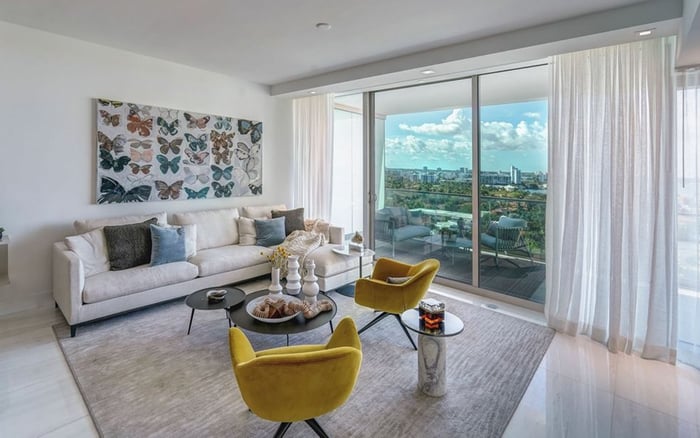
A discreet buyer’s guide to choosing between Surfside and Bal Harbour when a pet is part of the luxury routine, with emphasis on building rules, privacy, access, and daily ease.

Choosing between Surfside and Bal Harbour is rarely just a matter of taste. For a buyer with a dog, the more revealing question is how a residence supports the first walk of the morning, the return from dinner, the elevator ride after grooming, and the quiet pause before guests arrive. Pets are not an afterthought in a luxury household. They are part of the choreography.
Both Surfside and Bal Harbour can appeal to buyers seeking a refined coastal address, but the right fit depends on tolerance for building formality, preferred walking patterns, privacy expectations, and how often the pet routine intersects with staff, valet, neighbors, and houseguests. The strongest choice is not necessarily the grandest residence. It is the one where the daily loop feels calm.
In Surfside, buyers often focus on scale, discretion, and a softer residential pace. A residence such as The Delmore Surfside may enter the conversation for those comparing new-generation luxury in a setting that feels intimate rather than theatrical. Bal Harbour, by contrast, can feel more formal, with a polished rhythm that suits owners who prefer a highly composed arrival and a more curated sense of place.
Pet-friendly luxury begins with the condominium documents. Before falling in love with a view, terrace, or lobby, buyers should review the association’s pet policy with the same seriousness they bring to financials. The essential questions are practical: number of pets, weight limits, breed restrictions, registration requirements, elevator rules, service entrance protocols, and any limits on where pets may walk within common areas.
This is where two similar residences can perform very differently. One building may allow a pet but make daily movement feel awkward. Another may be more intuitive, with a route from residence to outdoors that avoids unnecessary friction. For an owner who walks a dog several times a day, that difference becomes part of the property’s real value.
Ask how guests with pets are handled, whether pet sitters and dog walkers require registration, and how staff manage deliveries when an animal is in the residence. These details may sound minor, but they determine whether the home supports a gracious routine or creates daily negotiation.
Surfside often appeals to buyers who prefer a more residential emotional register. The feel is less about performance and more about understatement. For pet owners, that can matter. A quieter lobby sequence, fewer points of social exposure, and a more measured pace may suit dogs that do better with consistency.
The Surfside buyer should think carefully about access. Is there a sensible path outdoors? Does the elevator arrangement support quick exits? Are service corridors appropriate for dog walkers or staff? Is there enough separation between formal arrival areas and routine pet movement? A polished building should not make the owner feel as if every walk is a public event.
Oceanfront living can be deeply appealing, but oceanfront does not automatically mean pet convenience. Sand, salt, heat, paws, grooming, and timing all become part of the schedule. A residence such as Ocean House Surfside may be part of a broader Surfside comparison for buyers who value a coastal address and want to understand how building scale, residence layout, and daily access align with pet ownership.
Surfside can also suit the owner who prioritizes discretion over spectacle. If the household includes a dog that is older, reactive, or simply accustomed to a quiet rhythm, the neighborhood’s softer energy may be a meaningful advantage.
Bal Harbour tends to attract buyers who appreciate composure, precision, and a heightened sense of arrival. For pet-friendly living, the question is whether that formality enhances the routine or complicates it. Some owners enjoy the confidence of a polished setting where staff, security, and service expectations are clearly defined. Others may prefer the ease of a less ceremonial daily pattern.
A Bal Harbour search should focus on how pet movement is treated within the building culture. A residence may be generous, beautifully finished, and well positioned, yet still require careful review of pet rules before it is truly suitable. The right building will make the routine feel discreet, not merely tolerated.
Buyers comparing Bal Harbour options may consider Rivage Bal Harbour as part of a broader evaluation of contemporary luxury in the village. For those drawn to established waterfront addresses, Oceana Bal Harbour may also enter the conversation. The important point is not simply the name on the building. It is how the building’s operating culture fits the animal, the owner, and the household staff.
Bal Harbour can be especially compelling for owners who want a refined environment and are comfortable with clear rules. If the dog is well socialized, accustomed to elevators, and supported by a consistent walker or staff routine, the formality can feel seamless.
Inside the home, pet-friendly luxury is less about indulgence and more about intelligent planning. A gracious entry, durable flooring, a place for leashes and towels, and a discreet feeding zone all contribute to a residence that feels composed. The best layouts allow a pet to be present without letting pet care dominate the design.
Terraces require particular attention. A terrace may be beautiful, but buyers should consider railings, wind exposure, heat, shade, noise, and whether the pet will safely enjoy the space. High-floor living can be magnificent, but the elevator routine must be realistic. Low-floor living may reduce travel time, but the buyer should still weigh privacy and outlook.
In Surfside, a buyer comparing residences such as Fendi Château Residences Surfside may want to think beyond finish level and consider the lived sequence from private foyer to outdoor walk. In Bal Harbour, the same principle applies: the most elegant plan is the one that keeps daily life graceful.
Many luxury households depend on dog walkers, estate managers, assistants, or housekeepers. That makes building protocol central. A pet-friendly residence should have a clear process for access, keys, elevators, and emergencies. Ambiguity creates stress for staff and inconsistency for the animal.
Seasonal owners should be especially precise. If the residence is used part time, who handles the pet routine when the owner arrives after travel? Is there a trusted local groomer, walker, veterinarian, and trainer already identified? Can staff manage the dog comfortably within the building’s procedures? Waterfront living is at its best when the support system is already in place.
The same applies to guests. A host who welcomes friends with dogs should confirm whether visiting pets are allowed and under what conditions. Luxury ownership is not only about private enjoyment. It is about anticipating friction before it appears.
Before choosing Surfside or Bal Harbour, take a quiet hour and imagine a normal Tuesday. Walk from the residence to the elevator. Continue through the lobby or service route. Step outside at the times the pet will actually need to go out. Consider heat, waiting time, other dogs, valet activity, and the owner’s preferred degree of visibility.
Then ask which neighborhood makes the routine feel more natural. Surfside may be better for those who value a calmer, boutique sensibility and a less formal daily cadence. Bal Harbour may be better for those who appreciate polish, structure, and a more composed residential environment. Neither answer is universally superior.
For pet owners, the best luxury address is the one that protects ease. It should allow the animal to settle, the owner to move discreetly, and the household to function without constant adjustment. That is the true measure of pet-friendly living.
Is Surfside generally better than Bal Harbour for pet owners? It depends on the building and the pet’s temperament. Surfside may feel calmer, while Bal Harbour may suit owners who prefer a more formal environment.
What should I review first in a pet-friendly condo search? Start with pet rules, including size limits, breed policies, registration, elevator use, and guest pet restrictions.
Does oceanfront living automatically make life easier with a dog? Not always. Oceanfront living can be beautiful, but daily walks, heat, grooming, and building access still matter.
Are boutique buildings better for pets? Boutique scale can feel calmer, but policies and operating culture are more important than size alone.
Should I prioritize a terrace if I have a pet? A terrace can be valuable, but safety, shade, railings, wind, and noise should be reviewed carefully.
Is Bal Harbour too formal for dogs? Not necessarily. A well-run formal building can work very well if the rules are clear and the pet is comfortable with routine.
What role does staff access play? It is critical if you use walkers, assistants, or housekeepers. Clear access procedures help protect privacy and consistency.
Can visiting guests bring pets? That depends on the building’s rules. Buyers who host often should confirm guest pet policies before purchasing.
What is the biggest mistake pet owners make when buying? They focus on the residence before testing the daily path from the home to the outdoors.
Which area offers more privacy for pet routines? Privacy depends on the specific building, but Surfside may appeal to buyers seeking a quieter residential cadence.
For a tailored shortlist and next-step guidance, connect with MILLION.
If branded residences are on your mind — as a home or as an allocation — we would be glad to share what we are seeing, privately.
Begin a quiet conversation