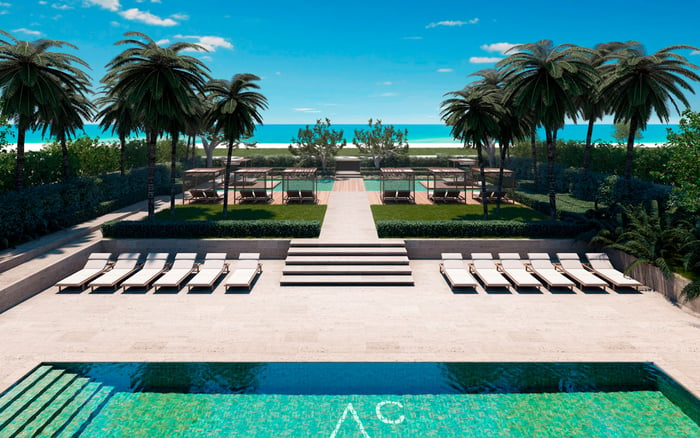
A buyer-focused look at Ocean House Surfside as a boutique oceanfront setting for collectors, designers, and globally mobile owners who prioritize discretion, light, proportion, and tailored interiors.
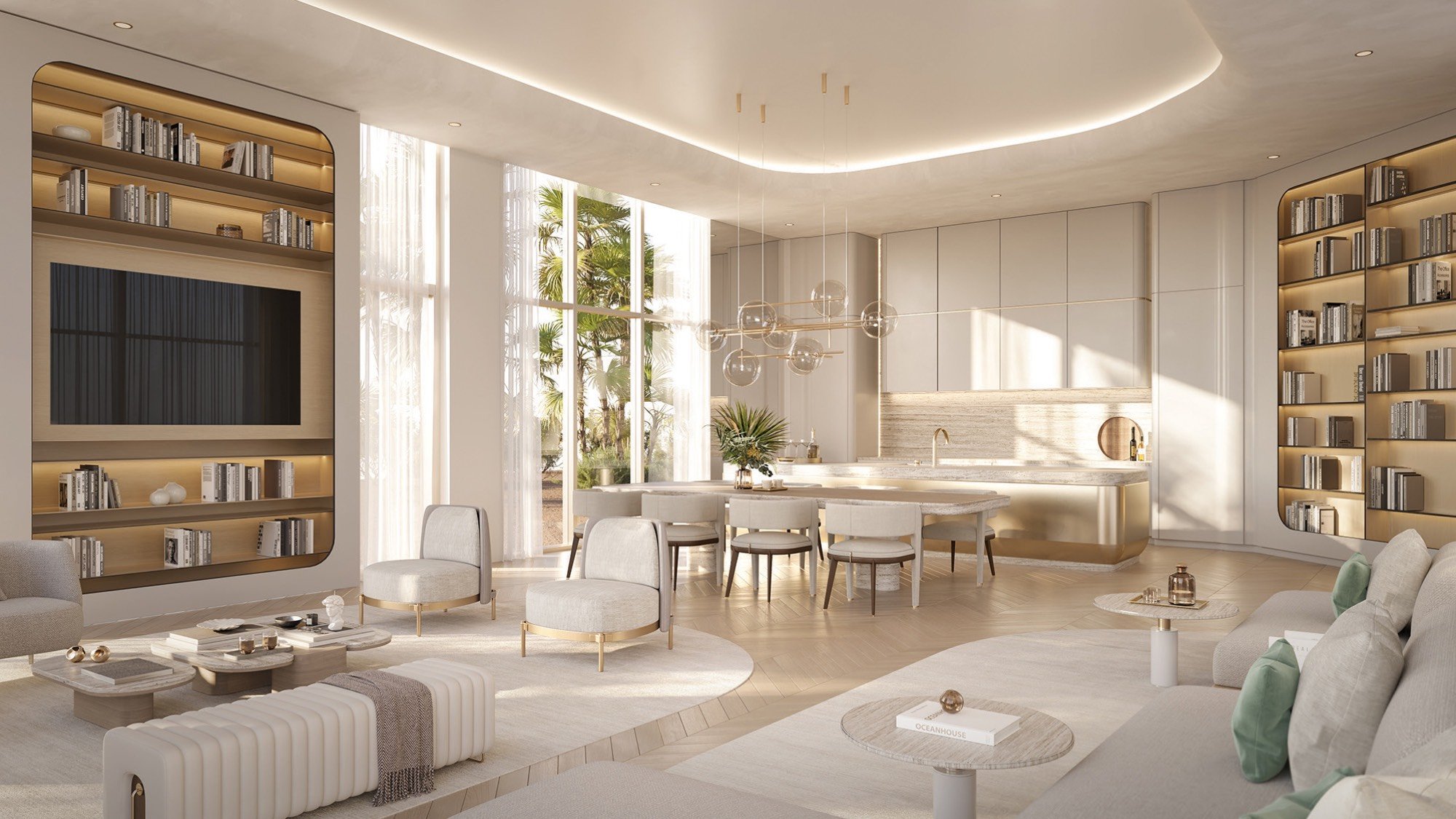
In South Florida’s ultra-luxury coastal market, the most compelling residences are increasingly judged by more than views, finishes, or amenity counts. For a certain buyer, the question is more personal: can the home support a serious collection, a refined interior language, and a daily life organized around beauty?
That is the lens through which Ocean House Surfside becomes especially interesting. Framed as a boutique oceanfront residential project in Surfside, it invites a quieter kind of evaluation, one centered on architectural character, interior planning, amenities, and neighborhood context. The appeal is not simply that it sits by the water. It is that oceanfront living, when executed with restraint, can create a rare backdrop for art, furniture, materiality, and light.
For art collectors, a residence begins with practical questions. Wall space matters, but so do lighting strategy, ceiling heights, humidity control, security, and storage. A dramatic ocean view can be an asset, yet collectors must also understand how direct sun, reflected light, and glass exposures may affect works on paper, photography, textiles, and sensitive materials.
At Ocean House Surfside, the most relevant buyer exercise is to walk the plan as if installing a collection. Where would large-format works live? Are there quieter walls away from glare? Can entertaining spaces accommodate sculpture or statement furniture without compromising circulation? Do private areas allow a different mood, with softer lighting, calmer surfaces, and more intimate pieces?
This is where boutique scale may become meaningful. Collectors often prefer privacy, discretion, and a residential rhythm that feels controlled rather than crowded. In a smaller oceanfront environment, the home can feel less like a showcase and more like a private gallery by the sea.
Design-minded residents often notice proportions before they notice branding. They study the way an entry sequence opens, how rooms align with the horizon, whether terraces feel like extensions of the interior, and whether materials can support a coherent design narrative. Design and architecture become the central lens, not a decorative afterthought.
The best oceanfront plans allow light and view to frame daily life without overwhelming it. Glass, terraces, and open living areas can support display, entertaining, and relaxed coastal living, but only if the interiors retain enough structure. A completely open plan is not always ideal for art. Designers may prefer moments of compression and release, defined walls, and rooms that can carry distinct moods.
In that sense, Ocean House Surfside should be viewed as a potential canvas. Buyers who value tailored interiors will want to understand spatial flexibility, material quality, proportions, and customization potential before committing to a final design vision.
Surfside occupies a particular place in the South Florida luxury map. It is coastal, residential, and close to the broader cultural energy that draws globally mobile buyers to Miami. For owners who engage with galleries, fairs, private collections, and design studios, the setting can offer a balance between access and retreat.
That balance is part of the wider Surfside appeal. Nearby, Arte Surfside has helped reinforce the area’s association with design-led residential living, while Fendi Château Residences Surfside speaks to buyers who consider fashion, interiors, and architecture part of the same lifestyle conversation. Ocean House Surfside enters that context with a more intimate, home-focused question: how should a waterfront residence live for someone whose possessions are chosen with curatorial care?
The broader neighborhood conversation also includes projects such as The Delmore Surfside, underscoring how Surfside continues to attract buyers who want calm coastal living without feeling removed from Miami’s design and cultural circuit.
Waterfront residences have an emotional pull that is difficult to replicate inland. Morning light, changing skies, and the movement between interior rooms and terrace spaces can become part of the architecture. For designers, this natural setting can be the strongest material in the home.
Still, oceanfront living requires discipline. A collector may need controlled lighting in certain rooms, specialized storage solutions, and a careful review of humidity management. A designer may want to soften reflections, balance glass with solid surfaces, and select materials that remain elegant in a coastal environment.
This is why Ocean House Surfside is best considered through both romance and rigor. The romance is obvious: Surfside, the ocean, privacy, and the possibility of a deeply personal residence. The rigor is equally important: every art-forward home should be tested for display, conservation, entertaining, service flow, and security.
For buyers comparing the coastline, Eighty Seven Park Surfside offers another reference point within the area’s design-conscious residential landscape. The right choice will depend less on prestige alone and more on how each residence supports the owner’s daily rituals, collection needs, and interior ambitions.
Before viewing Ocean House Surfside purely as a luxury purchase, sophisticated buyers may want to treat it as a design brief. Consider how the entry experience sets the tone, how public rooms handle scale, and whether private spaces can support a more restrained atmosphere. Ask how lighting can be layered, how humidity is controlled, how valuable works can be received or moved, and where overflow storage might be handled.
For designers, the questions are equally precise. Can the plan adapt to custom millwork? Are there natural locations for built-ins, concealed lighting, and statement furniture? Do the proportions allow both large gatherings and quiet daily use? Can indoor-outdoor living feel seamless without making the interiors feel exposed?
Ocean House Surfside may suit buyers who want their residence to function as a home for art and design, not merely a place decorated after closing. In the most successful version, the building, the collection, and the interiors would work together with quiet confidence.
Is Ocean House Surfside positioned as a boutique oceanfront project? Yes. Ocean House Surfside is framed as a boutique oceanfront residential project in Surfside, Florida.
Why might art collectors consider Ocean House Surfside? Collectors may value its quieter residential character, oceanfront setting, and potential to support thoughtful display, privacy, and entertaining.
What should collectors verify before buying? They should review wall space, lighting, ceiling heights, humidity control, security, and storage before making assumptions about suitability.
Is Surfside relevant for design-focused buyers? Yes. Surfside sits within South Florida’s ultra-luxury coastal market and connects naturally to Miami’s wider cultural landscape.
Does oceanfront glass always help art display? Not always. Natural light can be beautiful, but sensitive works may require careful placement, shading, and conservation planning.
Why does boutique scale matter? Boutique scale can appeal to owners who prefer privacy, discretion, and a quieter residential environment around valuable works.
What should designers study in the floor plan? Designers should focus on spatial flexibility, proportions, material quality, indoor-outdoor transitions, and customization potential.
Can terraces support a design-led lifestyle? Yes, if terrace areas feel connected to interiors and support entertaining without disrupting the home’s visual composition.
Is Ocean House Surfside only for collectors? No. It may also appeal to globally mobile buyers who value architecture, tailored interiors, and refined waterfront living.
How should buyers compare it with other Surfside residences? Buyers should compare privacy, light, plan flexibility, display potential, amenities, and how each residence supports daily life.
For a discreet conversation and a curated building-by-building shortlist, connect with MILLION.
If branded residences are on your mind — as a home or as an allocation — we would be glad to share what we are seeing, privately.
Begin a quiet conversation