A buyer-focused guide to evaluating climate control, humidity strategy, glazing, backup power, service access, and display conditions before purchasing a Surfside residence with art in mind.
For collectors buying in Surfside, art-friendly climate control is not a back-of-house technicality. It is part of the residence itself, as essential to long-term enjoyment as privacy, proportion, natural light, and the quiet authority of materials. A home can be beautifully staged and still be poorly prepared for works on canvas, paper, photography, mixed media, textiles, design objects, and collectible furniture.
The right questions should begin early, ideally before the emotional pull of a terrace view or gallery wall takes over. In Surfside, where refined coastal living is central to the appeal, the buyer’s task is to understand how the residence manages humidity, solar exposure, filtration, air movement, and resilience when the owner is away. The conversation should be discreet but direct: can this home protect the collection you actually live with?
That question applies across product types, from established addresses to new offerings. A buyer comparing The Delmore Surfside with other Surfside residences should look beyond the sales-gallery atmosphere and ask how the home will perform on an ordinary August afternoon, during extended travel, and after years of ownership.
The essential distinction is between a system that cools the air and a system that manages the interior environment. For an art owner, comfort settings alone are not enough. Ask whether humidity is monitored within the residence, where sensors are located, and whether readings can be reviewed over time. A single wall control in a hallway may not tell the whole story for a deep living room, a windowed dining area, or an enclosed media room used for works on paper.
Buyers should also ask whether the residence has separate climate zones and how those zones interact. A primary suite, gallery corridor, salon, library, and storage room may have different exposure patterns and different tolerances. If a collection includes sensitive pieces, the ability to create stable conditions in selected rooms may matter more than the drama of one uninterrupted open plan.
The most useful question is simple: what evidence shows that the residence can maintain stable conditions when occupied, unoccupied, and transitioning between the two? If the answer relies only on brand names or general assurances, continue asking.
Surfside buyers often respond to light. Collectors must qualify that response. Natural light can make a room unforgettable, but direct exposure can complicate hanging plans and long-term conservation. Ask which walls receive sustained sun, which rooms have the strongest reflections, and whether shading strategies are manual, automated, or integrated with the home’s controls.
This is where the walkthrough should become spatial. Stand where a large painting would hang. Look at the angle of the glass. Ask how the room feels at different times of day. If the home has a long waterfront or garden-facing elevation, consider whether the best view wall is also the least appropriate art wall.
At Arte Surfside, as at any design-forward coastal residence, the question is not whether the architecture is beautiful. The sharper question is whether the architecture gives a collector enough flexibility to place important works away from excessive light, abrupt temperature changes, and heavy traffic.
Air quality matters in subtle ways. Ask about filtration, maintenance intervals, air returns, and whether fresh air systems are separately addressed. The aim is not to turn a private home into a museum. It is to avoid avoidable stressors, especially in rooms where art, books, textiles, and decorative objects are central to the owner’s lifestyle.
Air movement deserves the same attention. A supply vent directly above a painting, sculpture, or delicate wall covering can create localized conditions that feel very different from the thermostat reading. During a private showing, ask to see vent locations in relation to likely art placement. If a room is intended as a gallery, salon, or study, the mechanical layout should support that purpose.
For collectors, service access is part of luxury. Filters, condensate lines, mechanical rooms, and smart controls should be reachable without disrupting the residence. A beautiful space that is difficult to maintain can become an expensive compromise.
Many Surfside owners use their residences seasonally or divide time among several homes. Art-friendly buying should therefore include an absence plan. Ask whether climate settings can be monitored remotely, who receives alerts, and what level of building or property management support is available if conditions drift.
Backup power is another essential conversation. Do not accept a general answer. Ask what systems are supported, for how long, and whether in-unit climate control is included or only limited common-area functions. For a collector, the important question is not whether the building has resilience features in the abstract. It is whether the specific residence can preserve a stable interior environment when the owner is traveling.
A buyer evaluating Eighty Seven Park Surfside, for example, should ask the same practical questions they would ask in any trophy-caliber home: who monitors the residence, who can enter if needed, and how quickly can a qualified technician respond?
Serious buyers often involve attorneys, inspectors, designers, and wealth advisors. For an art-heavy home, the right specialists should be added before the contract is irreversible. A conservator, registrar, art advisor, or mechanical consultant can identify risks that are easy to miss during a lifestyle-oriented tour.
Ask the seller or developer team for documentation that can be reviewed privately. Useful items may include system specifications, service history, warranties, control diagrams, maintenance requirements, and any available climate monitoring records. If the residence is new or under development, ask how the system is intended to perform once furnished, occupied, and customized.
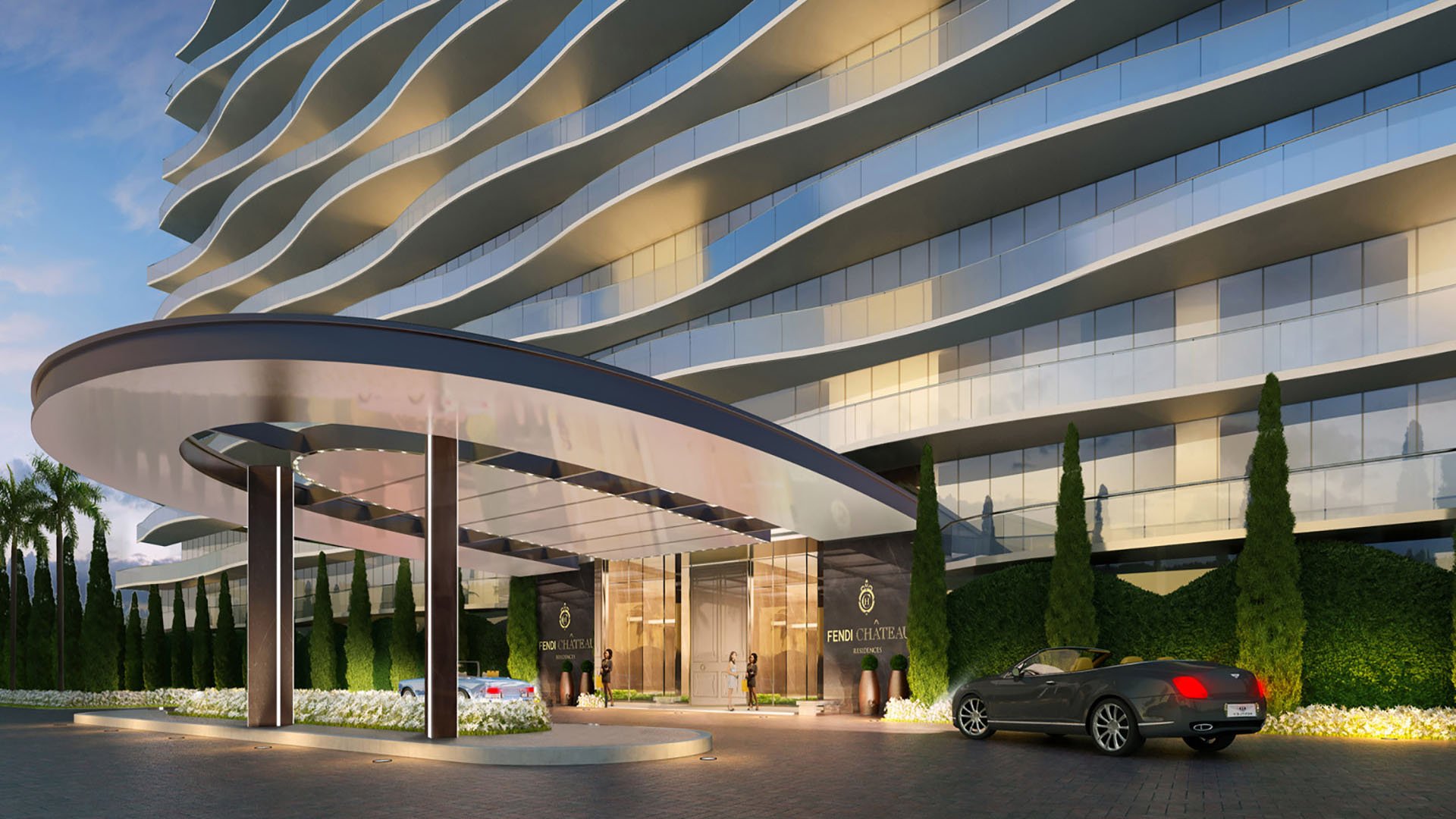
At Fendi Château Residences Surfside, high-design interiors may naturally attract collectors. Still, the buyer’s due diligence should remain disciplined: where will the art live, how will the air behave, and what happens when the interior design evolves?
Many collections are not static. Works arrive, leave for loans, rotate seasonally, move to storage, or require packing before travel. Ask whether the residence has a practical staging area for art handlers and whether service elevators, corridors, and entry points can accommodate the scale of the collection. Climate control in the main living room is only one part of the story.
If a buyer intends to keep archival materials, framed works awaiting installation, or collectible design objects in secondary rooms, those rooms deserve the same scrutiny. A windowless storage room may seem useful, but it still needs ventilation, access, and consistent conditions. A glamorous den may be ideal for display but problematic if it receives strong afternoon light.
In a residence such as The Surf Club Four Seasons Surfside, where lifestyle and hospitality expectations are part of the ownership experience, collectors should align private art protocols with day-to-day living: housekeeping, entertaining, deliveries, maintenance visits, and security procedures.
Before buying luxury real estate in Surfside, ask the following in plain language. Can the home maintain steady humidity and temperature in the rooms where art will be displayed? Are there separate climate zones for gallery-like spaces, bedrooms, storage, and entertaining areas? Can the system be monitored remotely, and who is alerted if readings move outside the desired range?
Ask whether the glazing, shades, and lighting plan support art placement. Ask where vents and returns are located. Ask how filters are serviced and how often systems require maintenance. Ask whether backup power supports the relevant mechanical equipment. Ask who can access the residence during an owner’s absence and under what authorization.
Finally, ask whether the home’s beauty and the collection’s needs are in conversation. The best art-friendly residence does not force the owner to choose between view, design, and stewardship. It quietly allows all three to coexist.
Should climate control be reviewed before making an offer? Yes. For art owners, it should be part of early due diligence rather than a late inspection item.
Is standard air conditioning enough for valuable art? Not always. Ask whether the system manages humidity, zones, filtration, and monitoring in the rooms where art will be placed.
What should I ask about humidity? Ask where it is measured, whether readings are logged, and how the home responds when conditions change.
Do ocean views create art-placement concerns? They can. The issue is not the view itself, but sunlight, reflection, heat gain, and where important works can safely hang.
Should I involve an art conservator? If the collection is meaningful or valuable, yes. A specialist can evaluate risks that a standard walkthrough may overlook.
What matters when the residence is vacant? Remote monitoring, alert protocols, management access, and technician response are all important for seasonal ownership.
Should I ask about backup power? Yes. Clarify whether the specific climate systems serving the residence are supported during an outage.
Can interior design affect art preservation? Yes. Lighting, wall placement, vent locations, shades, and room use can all influence long-term display conditions.
Is a new residence automatically better for collectors? Not automatically. New systems can be excellent, but buyers should still review specifications, zoning, and maintenance access.
What is the best overall question to ask? Ask whether the residence can protect your specific collection during daily life, travel, entertaining, and future design changes.
To compare the best-fit options with clarity, connect with MILLION.
If branded residences are on your mind — as a home or as an allocation — we would be glad to share what we are seeing, privately.
Begin a quiet conversation