A discreet guide for San Francisco buyers evaluating Coconut Grove as a primary residence, from intent and documentation to condo rules, lifestyle fit, and closing strategy.
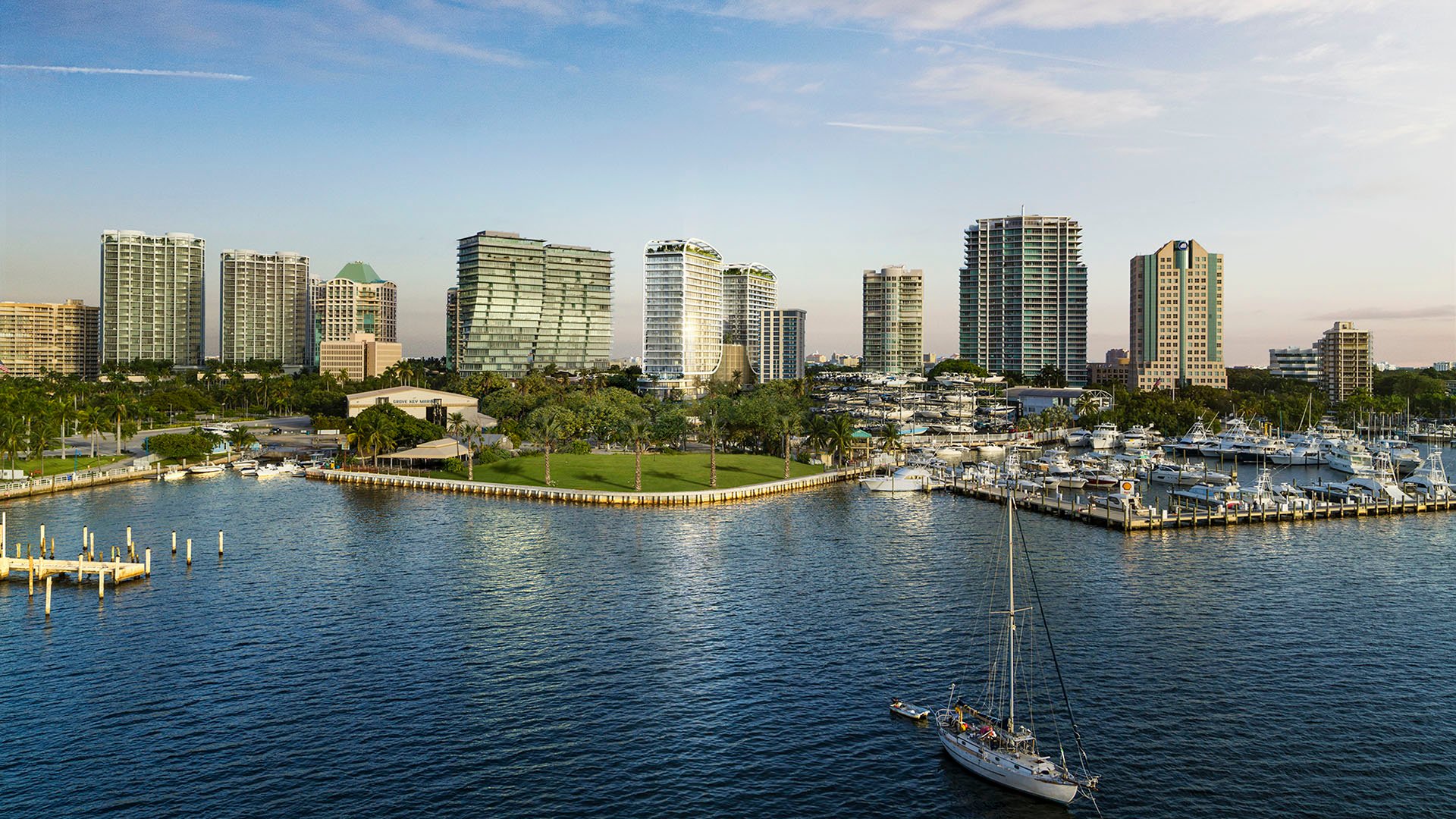
For a San Francisco buyer, Coconut Grove can feel both intuitive and unfamiliar. The appeal is not simply sunshine or waterfront architecture. It is the prospect of daily life that feels more residential, more private, and more naturally connected to the outdoors, without fully giving up urban convenience. For buyers considering a primary-residence conversion, the decision should be handled with the same care as an art acquisition or family office restructuring: quietly, deliberately, and with the right advisers in the room.
Primary-residence conversion is not just a change of address. It is a shift in legal intent, household operations, financial planning, school and travel rhythms, insurance exposure, and the way a home is actually used. The strongest moves begin before the purchase contract, while the buyer is still defining whether Coconut Grove will become a true principal home, a phased relocation, or a hybrid base that may become permanent over time.
For MILLION Buyer's Guides readers, the central question is less “Should I move?” and more “What must be true for this residence to function beautifully as home?” In Coconut Grove, that answer often turns on privacy, parking, pets, storage, terrace usability, marina proximity, maintenance expectations, and the building culture behind the front desk.
A primary-residence decision should begin with intent. Buyers should articulate how many months they expect to live in the home, which family members will use it, whether work will be conducted there, how guests will be hosted, and what documentation may be needed to support the change. Tax, legal, and estate advisers should be consulted before the buyer assumes that a lifestyle decision will automatically produce the desired residency result.
The home itself should then be tested against that intent. A pied-a-terre can tolerate compromises that a principal home cannot. Limited storage, formal-only kitchens, difficult pet circulation, or a small secondary bedroom may feel manageable for long weekends but frustrating in the fourth month of full-time occupancy. Likewise, a dramatic view may matter less than elevator efficiency, acoustic separation, and a floor plan that allows two people to work privately without turning the dining room into an office.
Coconut Grove rewards this practical lens. The neighborhood has a softer rhythm than more vertical Miami districts, but its best residences still vary meaningfully in character. A buyer drawn to Four Seasons Residences Coconut Grove may be prioritizing service, brand confidence, and a refined residential environment, while another may prefer a boutique expression that feels more intimate and garden-like.
Lifestyle is not a decorative category. It is the operating system of the move. A San Francisco buyer may already understand walkability, design sensitivity, culinary proximity, and the value of neighborhood identity. In Coconut Grove, those preferences should be translated into daily questions: Where will morning routines happen? How does the home handle humidity, pets, bicycles, packages, and guests? Is the terrace usable for the way the household actually lives? Does the building feel calm in season and equally comfortable when the calendar is quieter?
This is where tours should slow down. Visit at different times of day. Notice traffic patterns, valet cadence, lobby privacy, service elevator access, and how the building manages deliveries. A residence that photographs well may not live well if the arrival sequence feels exposed or the storage plan is insufficient. Conversely, a more understated building can become a remarkable primary home if the plan, staff culture, and neighborhood rhythm support daily ease.
For buyers who place wellness at the center of the conversion, The Well Coconut Grove may enter the conversation as part of a broader preference for health-oriented design and services. The important point is not the label, but the lived experience: whether amenities reduce friction rather than become another layer of unused space.
Waterfront appeal is one of Coconut Grove’s enduring advantages, but it should be evaluated with restraint. A view can justify a premium only when the rest of the ownership profile is equally compelling. Buyers should review insurance expectations, building maintenance culture, association governance, reserve planning, and the practical implications of living near the water. These are not reasons to avoid a waterfront or waterview residence; they are reasons to buy with precision.
Privacy deserves equal weight. Some buyers arriving from dense West Coast environments want relief from visual exposure. Others want a more social building with active amenities and a recognizable resident community. Neither is universally better. The right answer depends on how public or private the buyer wants the next chapter to feel.
In this context, residences such as Arbor Coconut Grove can be considered through the lens of scale, greenery, and neighborhood integration, rather than spectacle alone. The Grove’s luxury is often quieter than a skyline trophy. Its appeal lies in how the home meets the street, how landscaping softens arrival, and how much of the day can be lived outside without performance.
New-construction can be attractive for a primary-residence conversion because it may offer contemporary layouts, current finishes, fresh amenity programming, and a clean start for furnishings and technology. Yet the buyer should be clear-eyed about timing. If the San Francisco home is being sold, leased, or retained during the transition, closing dates and delivery expectations matter. A delayed move can create avoidable cost, stress, and logistical overlap.
An established residence may provide a more immediate read on how the building operates. Staff culture, association history, noise patterns, and resident behavior are easier to observe when the property is already functioning. New-construction, by contrast, requires the buyer to underwrite the developer’s execution, the documents, the finish specifications, and the post-closing ramp-up of the community.
Projects such as Ziggurat Coconut Grove may appeal to buyers who want a contemporary Grove address with a distinct design point of view. Still, every pre-completion or recently delivered residence should be evaluated not only for architecture, but for certainty: construction status, contract obligations, closing mechanics, customization limits, and the buyer’s tolerance for transition.
The move to Coconut Grove should be coordinated with the buyer’s San Francisco exit strategy. Some buyers sell before purchasing in Florida; others buy first to secure the right home and then manage the West Coast disposition on their own timeline. A third group keeps the San Francisco property for family, work, or emotional reasons while establishing a new principal residence in South Florida.
Each path has consequences. Liquidity, capital planning, furnishings, art storage, insurance, and household staffing should be mapped before the Florida closing. If the Grove residence will be occupied immediately, the buyer should create a readiness plan for window treatments, climate controls, security, technology, closets, kitchen essentials, and arrival-day staffing. A luxury closing is not the finish line. It is the moment the home must begin performing.
The best advisers will also encourage the buyer to document intent consistently. That may include professional guidance on records, travel patterns, ownership structure, and household administration. The goal is not theatrical relocation. It is alignment between the life the buyer intends to live and the paper trail that supports it.
Before writing an offer, buyers should separate emotional preference from primary-home requirements. The emotional list may include view, terrace, architecture, and brand. The primary-home list should include bedroom utility, privacy, storage, parking, pet rules, service access, insurance, association health, renovation flexibility, and the ease of hosting family for extended stays.
Financing and closing structure should also be tailored early. Even cash buyers benefit from reviewing title, entity ownership, estate planning, and insurance before a contract becomes urgent. If inspections, document review, or association approvals apply, the buyer should understand the timing and the standard of review in advance.
Coconut Grove is especially well suited to buyers who value discretion. The neighborhood can support a refined, full-time life without asking the home to announce itself too loudly. For the San Francisco buyer, that may be the real luxury: a residence that feels architecturally considered, socially comfortable, and operationally simple enough to become home.
Is primary-residence conversion only a tax decision? No. It can involve tax, legal, estate, insurance, family, and lifestyle considerations, so advisers should be involved early.
Should I buy in Coconut Grove before selling in San Francisco? It depends on liquidity, timing, and how rare the desired Grove residence is. Some buyers prefer securing the Florida home first.
What matters most when converting a condo into a primary home? Daily livability matters most, including storage, privacy, parking, pet rules, service access, and acoustic comfort.
Is waterfront living automatically the best choice in Coconut Grove? Not automatically. Views should be weighed against insurance, maintenance, privacy, and how the home functions day to day.
Can new-construction work for a primary-residence move? Yes, if the delivery timeline, contract terms, and transition plan align with the buyer’s relocation schedule.
How should lifestyle priorities be tested during tours? Visit at different times and observe arrival, lobby activity, valet flow, package handling, terrace use, and neighborhood rhythm.
Why is Coconut Grove attractive for San Francisco buyers? It offers a more residential Miami experience with design interest, greenery, privacy, and access to the water.
Should I review condo documents before making an offer? Buyers should understand rules, fees, reserves, approvals, and restrictions as early as possible in the process.
Do I need local advisers for a primary-residence conversion? Yes. Local legal, tax, insurance, and real estate guidance can help align the purchase with the intended residency plan.
Is a branded residence better for full-time living? It can be, if the service model genuinely improves daily life. The brand should support function, not substitute for due diligence.
For a discreet conversation and a curated building-by-building shortlist, connect with MILLION.
If branded residences are on your mind — as a home or as an allocation — we would be glad to share what we are seeing, privately.
Begin a quiet conversation