A discreet buyer’s guide to evaluating acoustic privacy in Surfside luxury real estate, from walls and windows to amenity noise, service corridors, terraces, and due diligence questions.

In Surfside, luxury real estate is often judged first by view, architecture, service, and address. Yet one of the most important ownership qualities is almost invisible: acoustic privacy. A residence can be beautifully designed, elegantly furnished, and perfectly positioned, but if conversation carries through demising walls, elevator chimes reach the primary suite, or terrace life intrudes on quiet evenings, the daily experience changes.
For high-net-worth buyers, privacy is not only visual. It is also auditory. The ability to host discreetly, rest deeply, work without interruption, and move through a home without feeling exposed is part of the value proposition. In a market where residences such as The Delmore Surfside, Arte Surfside, and Ocean House Surfside invite close comparison, the questions a buyer asks about sound can separate a refined purchase from a merely impressive one.
The approach is simple: do not assume quiet because a property is expensive. Ask precise questions, request documentation where available, and experience the residence like an owner rather than a visitor.
The first question is whether the exterior envelope was designed to manage both weather and sound. In Surfside, buyers naturally focus on glass lines, terrace depth, and the relationship between interior rooms and the coast. Those elements shape the visual romance of ownership, but they also influence what is heard inside.
Ask what type of exterior glazing is used, whether balcony and terrace doors seal tightly, and how the window system performs when closed. During a showing, stand quietly near the glass. Listen for wind movement, mechanical hum, nearby activity, and the difference between open and closed conditions. A sophisticated buyer should also ask how operable doors are maintained over time, because acoustic performance can diminish when seals, tracks, or hardware are neglected.
For oceanfront residences, the question is not whether the environment can be heard. It is whether the residence gives the owner control. The finest experience allows a buyer to invite in atmosphere when desired and close the home into a composed private setting when needed.
Interior acoustic privacy depends heavily on what lies between residences. Ask how demising walls were assembled, whether bedrooms share walls with neighboring living areas, and whether plumbing or mechanical chases run behind quiet rooms. A glamorous floor plan may still place sensitive spaces beside active ones.
When reviewing plans, pay special attention to primary suites, children’s rooms, staff quarters, media rooms, home offices, and dining areas. Ask what is on the other side of each wall, above each ceiling, and below each floor. If the residence is complete, walk slowly through the space without music or conversation. Sound issues often reveal themselves in pauses.
In boutique properties, fewer residences can feel more private, but scale alone is not a guarantee. Ask how the building manages shared walls, service access, elevator placement, and amenity proximity. The same diligence applies whether the building feels intimate, resort-like, historic, or newly conceived.
Airborne sound is only one part of acoustic privacy. Impact sound matters just as much. Footfall, moving chairs, dropped objects, fitness activity, and service movement can travel through structure in ways that are difficult to judge during a polished tour.
Ask whether the residence has acoustic underlayment beneath hard flooring, whether any flooring changes required association approval, and whether upper-floor units follow sound-control rules. If the unit above has stone, wood, or large-format tile, ask how impact transmission is managed. If you are considering customizing the residence, confirm what the building allows before assuming a design vision can be installed without acoustic restrictions.
A serious buyer should also ask whether there have been complaints related to impact sound within the line, stack, or building. The answer may be brief, but the willingness to discuss the subject can be revealing.
Luxury buildings operate constantly. Elevators, trash rooms, loading areas, package rooms, service corridors, valet circulation, housekeeping access, and amenity back-of-house spaces all have acoustic signatures. They may be discreetly hidden, but they are not silent by default.
Before purchasing, ask where service elevators are located relative to the residence. Ask whether mechanical rooms, equipment areas, or building operations sit above, below, or adjacent to the unit. If the floor plan places a bedroom near an elevator core, request a second visit during an active time of day. If a residence is near an amenity level, ask how doors, corridors, and hours of use are controlled.
Properties such as The Surf Club Four Seasons Surfside are often evaluated through the lens of lifestyle and service. That makes it even more important to understand how operational excellence intersects with quiet ownership. Service should feel effortless, not audible.
In Surfside, the terrace is often part of the emotional purchase. It frames the day, extends entertaining space, and creates the sense of living close to the water. It can also be the place where sound travels most freely.
Ask what rules apply to terrace speakers, late-evening entertaining, outdoor furniture movement, pool hours, children’s areas, fitness spaces, and event use. If a residence faces an amenity deck, courtyard, driveway, or neighboring outdoor area, ask how frequently those spaces are used and how sound is managed. Visit at different times if possible: weekday morning, late afternoon, and evening can each tell a different story.
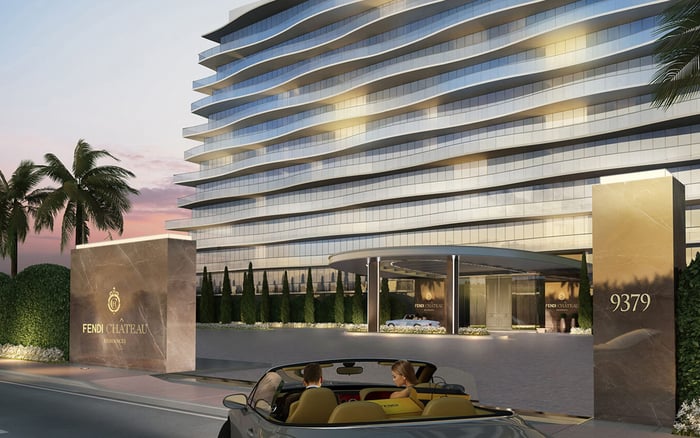
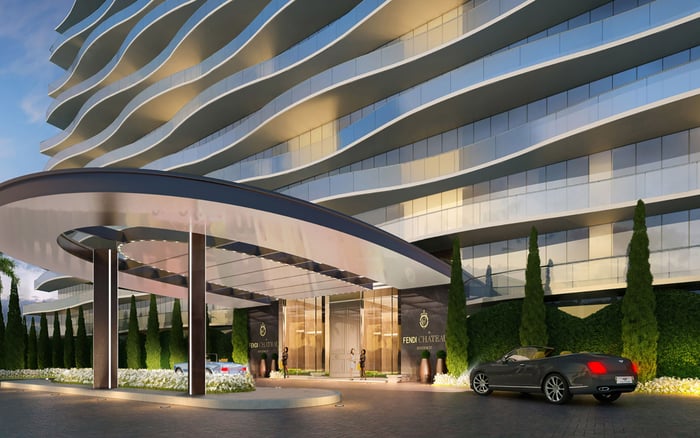
For buyers comparing Fendi Château Residences Surfside with newer or smaller offerings, the key is not to rank lifestyle over quiet or quiet over lifestyle. The goal is alignment. A residence should match how you actually live.
Acoustic privacy is difficult to fix after closing, so ask early. Request available specifications, association rules, alteration guidelines, floor plans, and any information on window systems, wall assemblies, flooring requirements, and mechanical locations. If the purchase is substantial, consider bringing a qualified acoustic consultant or architect into the due diligence process.
Ask direct questions: Has the residence been modified? Were flooring changes approved? Are there restrictions on sound systems? Do doors require specific seals? Are there quiet hours for amenities? Are there recurring complaints in this area of the building? Are short-term guests, events, or outside vendors allowed in ways that could affect privacy?
The most polished answer is not always the most useful one. What matters is clarity. A seller, developer, or association that can explain the sound environment in practical terms gives a buyer more confidence than one that treats acoustic privacy as a decorative afterthought.
Arrive early and ask for a few minutes of silence in each major room. Turn off music and avoid constant conversation. Stand in the primary bedroom, near the entry, beside terrace doors, in the kitchen, and along shared walls. Listen for elevators, doors closing, voices, plumbing, mechanical systems, traffic, pool activity, and footsteps.
Open and close the terrace doors. Walk the corridor outside the residence. Ride the elevator to nearby amenity levels. If possible, tour again at a different time of day. The most valuable acoustic information is often ordinary: a neighbor returning home, a service cart moving, a pool gate closing, or a vehicle arriving below.
For Surfside buyers, quiet is not the absence of life. It is the ability to choose when the outside world enters the home.
Why is acoustic privacy especially important in Surfside luxury real estate? Surfside buyers often value discretion, rest, and entertaining privacy. Sound control directly affects how calm and private a residence feels day to day.
Can I judge acoustic privacy during a normal showing? You can learn a great deal, but only if you intentionally listen. Ask for silence, visit at different times, and test doors, corridors, and terrace conditions.
What should I ask about windows and terrace doors? Ask what systems are installed, how they seal, and how they are maintained. The goal is to understand whether the home gives you control over exterior sound.
Do high prices guarantee quiet interiors? No. Price, finishes, and views do not automatically confirm acoustic performance. Construction details, layout, rules, and maintenance all matter.
Should I ask about the unit above me? Yes. Impact sound from above can be important, especially with hard flooring. Ask about flooring rules, underlayment, and any prior concerns in the stack.
Are amenities a common source of sound concerns? They can be, depending on location and use. Ask about amenity hours, doors, event policies, pool activity, and how sound is managed near residences.
What documents are useful before signing a contract? Floor plans, specifications, association rules, alteration guidelines, and maintenance information can all help. For major purchases, professional review may be worthwhile.
Can acoustic problems be corrected after closing? Some interior issues may be improved, but structural, exterior, or building-wide sound paths can be difficult. It is better to investigate before closing.
How should I compare older and newer Surfside properties? Compare the actual experience, not assumptions. Listen carefully, review available documentation, and ask how each building manages privacy in practice.
What is the most important question to ask? Ask whether the residence will remain quiet in the moments that matter most to you. The best answer should be practical, specific, and verifiable.
When you're ready to tour or underwrite the options, connect with MILLION.
If branded residences are on your mind — as a home or as an allocation — we would be glad to share what we are seeing, privately.
Begin a quiet conversation