A refined buyer’s guide to evaluating private-school proximity in Bal Harbour, with emphasis on daily routines, arrival logistics, residence design, amenities and discreet neighboring condo alternatives.
For luxury condo buyers in Bal Harbour, private-school proximity is less about a point on a map than the rhythm of a weekday. A residence may appear convenient in the abstract, yet feel less effortless when measured against morning departures, afternoon pickups, tutoring schedules, sports bags, visiting relatives, staff coordination and the quiet reset families expect when they return home.
Discerning buyers look beyond distance. They study how a building performs at the precise moments a household needs it most. Is the arrival sequence composed or congested? Does the valet team recognize repeated school-day patterns? Is there room for a driver, caregiver or second parent to manage transitions without friction? Can children move from elevator to residence with privacy and ease?
That is the more useful lens for Bal Harbour. Private-school access is not simply a feature. It is part of a larger lifestyle system, connecting residence design, building service, route flexibility and the emotional cadence of family life.
In an ultra-premium search, closeness should be defined by consistency. A shorter route that proves unreliable may be less valuable than a slightly longer routine that feels predictable. Buyers should consider how the trip behaves across the school year, during seasonal traffic, after late activities and when one child is headed home while another has practice or a weekend program.
This is where the condominium itself matters. A gracious porte cochere, intuitive elevator access, thoughtful parking, secure entry and responsive front-of-house staff can make the difference between theoretical convenience and daily ease. In a family residence, luxury is often the absence of small delays.
The shorthand may read Bal Harbour, private school, Bay Harbor and Surfside, but the real decision is more nuanced: which address makes the school week feel calmer while preserving the privacy, wellness and waterfront character that brought the buyer to this market in the first place.
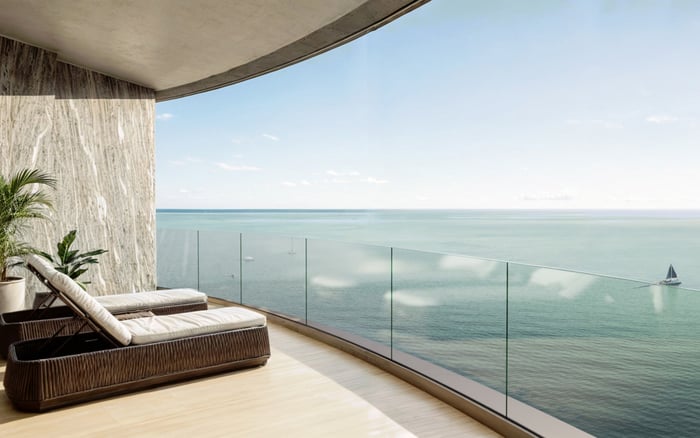
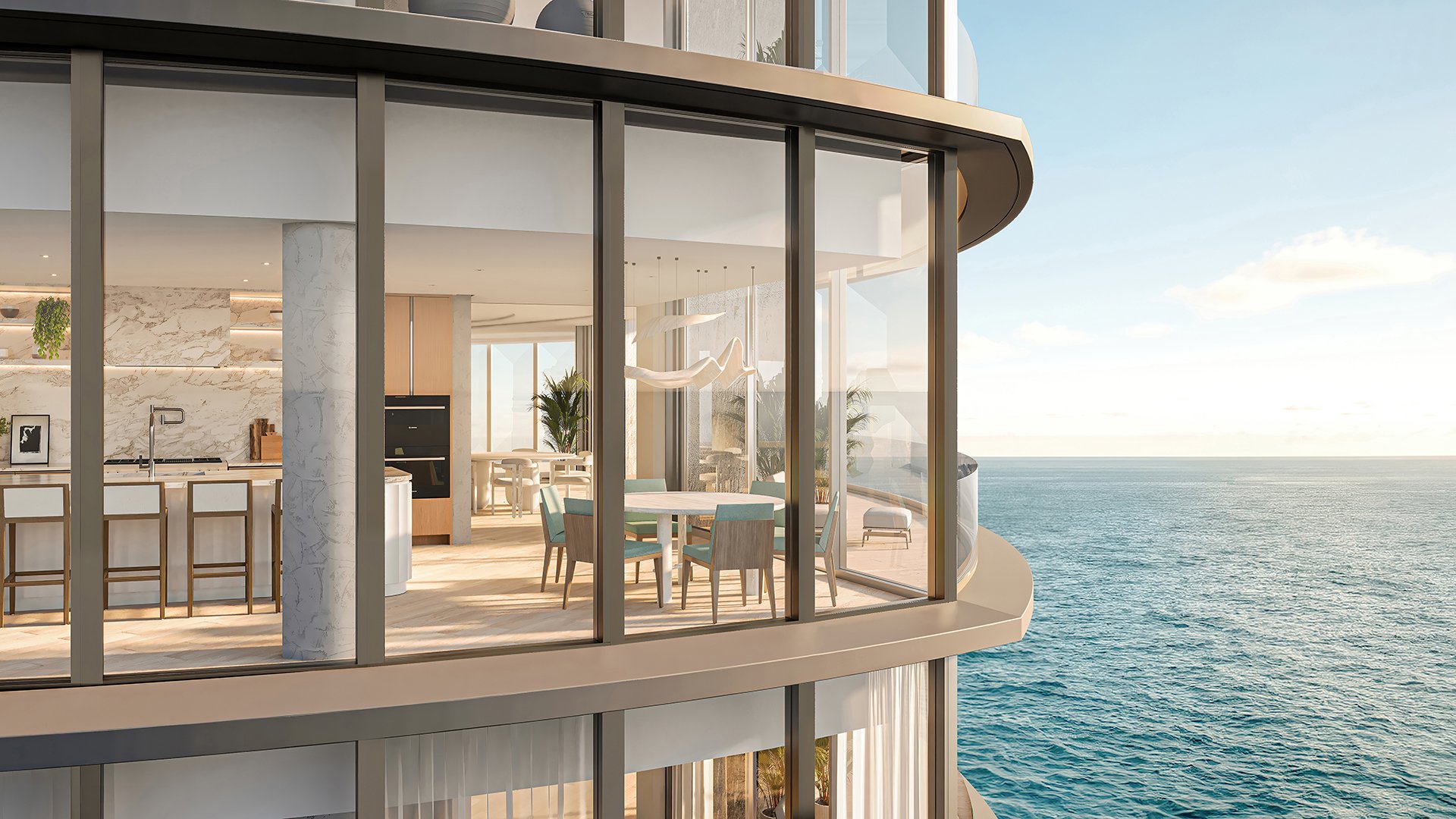
Bal Harbour buyers often begin with the prestige of oceanfront living. A residence such as Rivage Bal Harbour speaks to buyers who want a rarefied coastal address, contemporary architecture and a setting that feels removed from the hurried parts of the day. For families comparing private-school routines, the question is how that sense of arrival works Monday through Friday, not only during a weekend showing.
Established luxury has its own appeal. Oceana Bal Harbour can enter the conversation for buyers who value a polished residential environment. The comparison should focus on practical details: elevator flow, parking experience, building culture, service responsiveness, storage options and the degree to which the home supports children without compromising adult sophistication.
Some buyers may prefer a quieter, more residential scale just outside the most recognizable oceanfront frame. Bay Harbor Towers offers a different reference point for families comparing waterfront living with a village-like daily rhythm. The value in that comparison is not whether one address is universally superior. It is whether the building’s routines match the family’s school-year choreography.
A private-school search should place unusual weight on the plan. The ideal residence does not merely provide bedrooms; it separates public, private and transitional zones with intelligence. A family may need a proper homework area, a secondary lounge, staff or guest accommodations, storage for uniforms and sports equipment, and enough acoustic separation for one child to study while another entertains friends.
Buyers should walk the plan as if it were a school morning. Where do backpacks land? Can a caregiver prepare breakfast without interrupting a parent on a call? Is there a powder room near the entry? Does the laundry area support uniforms and linens without intruding on the main living space? Are bedroom wings sufficiently private for older children?
In larger residences, the most important luxury may be flexibility. A den can become a tutor’s room. A media space can support weekend gatherings. A service corridor can keep the household composed during busy hours. For families, the right plan turns proximity into performance.
Amenity packages should be evaluated through a school-year lens. Pools, fitness rooms, wellness suites and lounges are appealing, but families should ask how often they will use them during ordinary weeks. A calm pool deck after school, a fitness center that supports early-morning routines, and common spaces that allow intergenerational living can be more meaningful than amenities designed only for spectacle.
Wellness-oriented addresses such as The Well Bay Harbor Islands may appeal to buyers who view family life through health, balance and recovery. The question is not simply whether amenities exist, but whether they support the household’s actual schedule.
For buyers comparing the broader coastal corridor, The Delmore Surfside may represent another expression of residential calm. Surfside can be part of the conversation for families testing how building scale, beach access, service tone and school-day logistics align with their priorities.
Before choosing a condominium around private-school proximity, buyers should request a practical showing. Visit at the times that matter. Observe arrival, lobby rhythm and valet coordination. Ask how the building handles recurring drivers, household staff, deliveries, guests and after-school pickups. Consider whether the residence feels composed when the day is busy, not only when the sales gallery is quiet.
Buyers should also compare future flexibility. A toddler’s needs differ from a high school student’s. A building that works for car seats, tutors and grandparents today should still feel appropriate when the household shifts toward independent schedules, friends visiting, exam periods and college preparation.
The strongest purchase will not be defined by one metric. It will combine elegant architecture, privacy, service, floor-plan intelligence and a repeatable weekday routine. In Bal Harbour, that is the quiet standard: a home that makes family logistics feel natural while preserving the serenity of a luxury coastal life.
Should private-school proximity be the main reason to buy in Bal Harbour? It should be one factor among several, including residence quality, service, privacy, layout and long-term lifestyle fit.
Is the closest condominium always the best choice for a school commute? Not necessarily. Predictability, building access and daily arrival flow can matter as much as raw distance.
What should families observe during a building tour? Watch the valet sequence, lobby pace, elevator experience, parking access and how naturally children could move through the building.
Why does floor-plan design matter for private-school families? A strong plan supports homework, storage, guests, staff, quiet bedrooms and smooth morning routines.
Should buyers compare Bal Harbour with Bay Harbor Islands? Yes, if the family wants to evaluate different residential scales, waterfront settings and daily logistics.
Can amenities influence a school-year purchase decision? Yes. Wellness, fitness, pool and lounge spaces are most valuable when they fit the household’s weekly routine.
How should buyers think about staff and drivers? Confirm how the building manages recurring arrivals, waiting areas, access protocols and privacy for household support.
Are oceanfront condos practical for families with children? They can be, provided the building’s service, elevators, storage and layout support everyday family use.
When is the best time to test a school commute? Buyers should experience the route during the times they expect to use it most often.
What is the most overlooked factor in this type of search? The most overlooked factor is how the building feels during ordinary weekday transitions.
For a tailored shortlist and next-step guidance, connect with MILLION.
If branded residences are on your mind — as a home or as an allocation — we would be glad to share what we are seeing, privately.
Begin a quiet conversation