A buyer-focused guide to evaluating privacy in Boca Raton luxury condominiums, including access control, staffing standards, arrival sequences, guest protocols, and the quieter signals that reveal building culture.
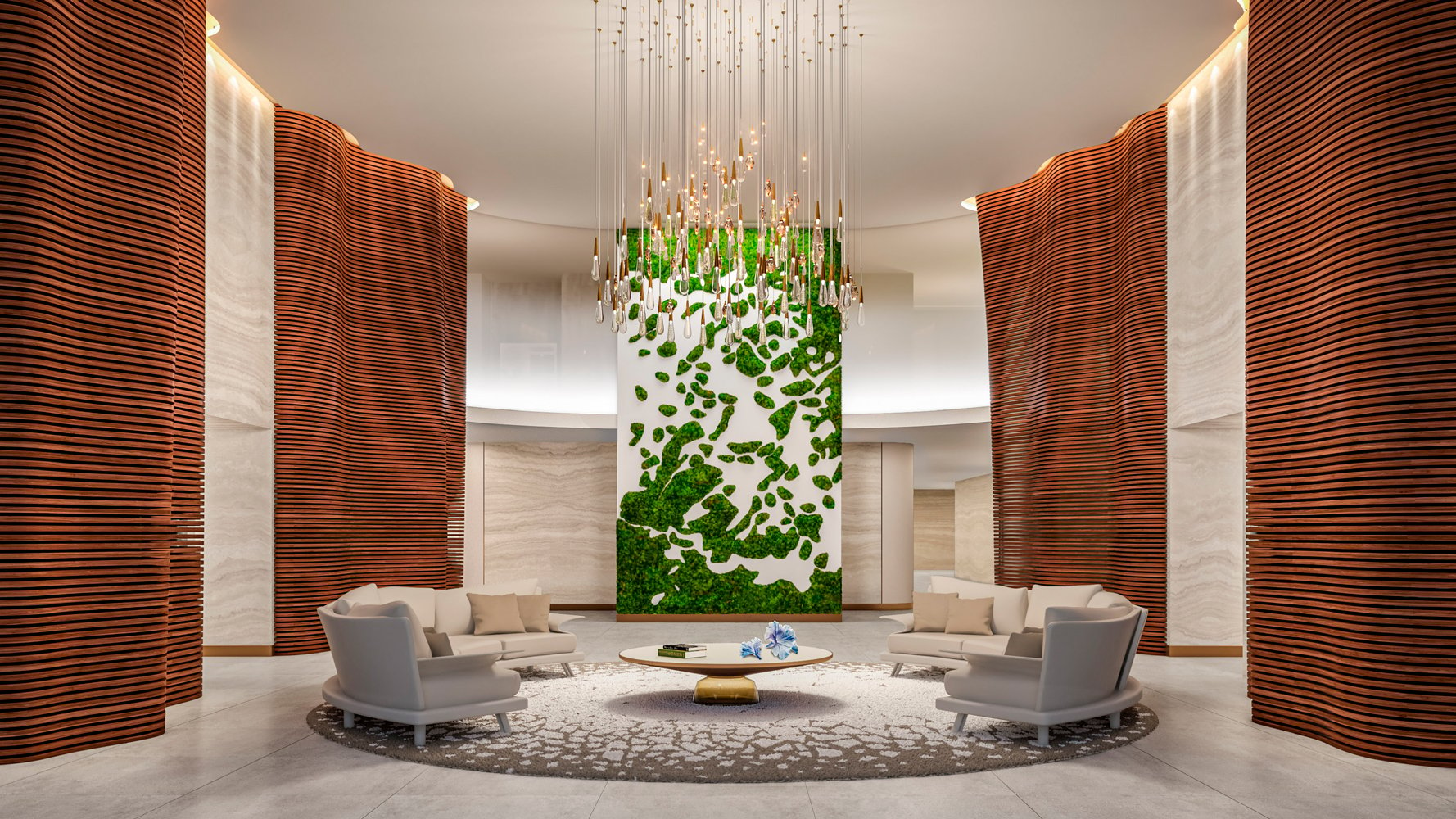
In Boca Raton luxury condominiums, privacy is often presented as a single amenity: a gated entry, a guarded lobby, a private elevator, a camera system. In practice, the privacy a resident feels is more layered and more personal. It begins before the front door, continues through the garage, lobby, elevator, amenity spaces, service corridors, and staff interactions, and ultimately settles into the culture of the building itself.
For the ultra-premium buyer, privacy is not about isolation. It is about control. Who can enter, who can observe, who can linger, who knows a resident’s patterns, and how gracefully the building handles guests, vendors, deliveries, drivers, and household staff. The best privacy environments feel calm rather than defensive. They are structured, but not theatrical.
That distinction matters in Boca Raton, where buyers may be comparing established residential towers, boutique buildings, branded residences, and new-construction opportunities. A polished sales presentation can describe systems. A careful buyer studies how those systems operate in daily life.
Access control should be evaluated as a sequence, not a checkpoint. A refined building considers the entire path from street to residence. The questions begin at arrival: is there a clear separation between residents, guests, vendors, deliveries, and service providers? Can a visitor reach residential floors without a deliberate authorization step? Are garage entries, pedestrian doors, package areas, and amenity entrances treated with the same seriousness as the lobby?
The elevator experience is especially important. A private or controlled elevator system can reduce casual circulation, but buyers should understand how it works in practice. Ask how guests are cleared, how temporary access is issued, how household staff are handled, and what happens when multiple residents host events at the same time. The design should prevent confusion without making invited guests feel processed.
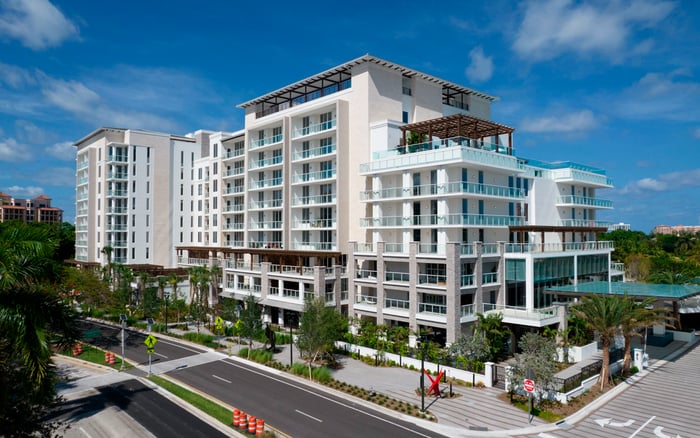
Package and food delivery protocols deserve equal attention. In a privacy-minded building, convenience should not create uncontrolled movement. The most discreet operations keep deliveries organized, monitored, and separated from residential circulation when possible. A buyer considering Alina Residences Boca Raton, for example, should approach the tour with these operational questions in mind, not merely the finish level of the lobby or residence.
Technology can restrict access, but staff shape the privacy experience. A building may have cameras, fobs, and controlled doors, yet still feel exposed if staff are poorly trained, inconsistent, overly familiar, or inattentive. Conversely, a well-run property can feel quietly secure because the team understands rhythm, recognition, boundaries, and discretion.
The most telling staff qualities are subtle. Do team members recognize residents without announcing names unnecessarily? Do they manage guests with warmth and precision? Are contractors directed efficiently? Is the valet area calm during peak moments? Does the front desk appear overwhelmed, or does the operation feel composed?
Privacy also depends on continuity. Frequent turnover can weaken a building’s memory and discipline. Buyers should ask who manages the property, how staff are trained, and whether protocols are written, practiced, and supervised. In luxury living, discretion is a culture, not a script.
For branded or hospitality-influenced residences such as The Residences at Mandarin Oriental Boca Raton, service expectations may be elevated, but buyers should still evaluate the balance between attentiveness and restraint. The ideal staff presence is available, observant, and quiet. It anticipates without hovering.
The most overlooked privacy factor is building culture. Two properties with similar access systems can feel entirely different depending on resident behavior, rental policies, guest norms, board priorities, and amenity etiquette. Privacy-minded buyers should study how the building lives, not just how it photographs.
House rules matter. Guest registration, event policies, amenity hours, pet circulation, move-in procedures, contractor access, and short-term occupancy restrictions can all influence the level of calm residents experience. So can the tone of enforcement. Rules that exist only on paper do little for privacy. Rules applied with consistency create confidence.
Amenity spaces are another revealing lens. A pool, fitness room, club room, or lounge can either feel residential and composed or socially porous. Buyers should tour at different times when possible. A quiet weekday showing may not reveal the character of a weekend afternoon, an evening arrival, or a holiday period.
In the Boca Raton luxury conversation, culture can be as valuable as square footage. It affects whether a residence feels like a retreat or simply an expensive address.
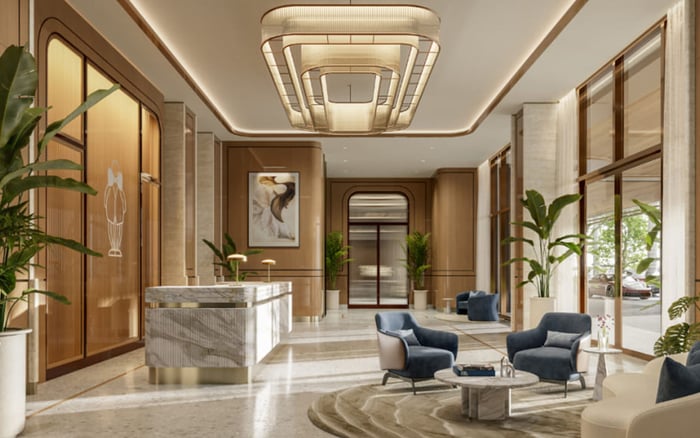
A privacy-focused tour should be practical and almost forensic. Arrive by car if that is how you will live. Notice the approach from the street, the ease of garage entry, the visibility of the valet stand, and whether the arrival experience feels exposed or protected. If there is a lobby, pause there. Watch how people move. Observe whether staff are attentive without becoming performative.
Ask to see service areas, package handling points, elevator banks, and amenity access routes. These are not secondary spaces. They are where the building’s privacy logic becomes visible. A beautiful residence can be undermined by a weak back-of-house experience.
When comparing Glass House Boca Raton with other Boca options, the right questions are less about generic luxury and more about the resident journey. How many transitions occur between arrival and the front door? Where might guests wait? How are vendors held, cleared, and directed? What happens during high-traffic periods?
For buyers drawn to a service-rich lifestyle, Mr. C Residences Boca Raton may invite a different line of inquiry: how does the property preserve residential quiet while offering hospitality-level attention? The answer lies in operating discipline, not in branding alone.
No building offers privacy without tradeoffs. A smaller building may feel intimate, but residents and staff may become more familiar with daily patterns. A larger building may offer more anonymity, but it can also create more guest traffic and operational complexity. A highly serviced residence may be convenient, but it requires careful boundaries around staff access, communications, and household routines.
Private elevators, controlled garages, and staffed lobbies can be valuable, but they are not substitutes for good governance. Buyers should request the condominium documents, rules, budgets, and management information through the appropriate purchase process. The goal is to understand whether privacy is supported by policy, staffing, design, and resident expectations together.
Resale buyers should ask how systems have aged and how consistently they are maintained. Pre-construction buyers should focus on what has been contractually described, what remains conceptual, and how operations will be funded after turnover. In both cases, the central question is the same: will the building protect your time, your movements, your guests, and your peace without making daily life feel rigid?
True residential privacy is felt in small moments. A driver is expected but not announced to the room. A guest is welcomed without being allowed to wander. A package arrives without bringing a courier to the residential floor. A contractor is directed without requiring the owner to intervene. The elevator ride is quiet. The lobby is calm. The staff know enough, but not too much.
For Boca Raton luxury condo buyers, that feeling is worth evaluating with the same seriousness as views, finishes, parking, and amenities. Privacy is not merely a premium feature. It is a form of daily comfort, and in the most successful buildings, it becomes almost invisible.
What is the most important privacy feature in a luxury condo? The most important feature is not one item, but the integration of controlled access, trained staff, clear rules, and thoughtful circulation.
Are private elevators enough to ensure privacy? Private or controlled elevators can help, but they must be supported by guest authorization, staff procedures, and secure service routes.
How should buyers evaluate lobby privacy? Watch how staff handle arrivals, guests, deliveries, and waiting areas. A calm lobby often reveals strong operating discipline.
Do smaller boutique buildings offer more privacy? They can feel more intimate, but intimacy may also make resident routines more visible. The culture and staffing model matter.
Can highly serviced residences still feel private? Yes, if the staff are trained to be attentive without being intrusive and if access protocols are consistently enforced.
What documents should a buyer review for privacy concerns? Review condominium rules, guest policies, rental restrictions, contractor procedures, budgets, and management information during diligence.
Why does building culture affect privacy? Resident behavior, enforcement standards, amenity etiquette, and guest norms can shape daily privacy as much as physical security.
Should buyers tour at more than one time of day? Yes. Different hours can reveal traffic patterns, staffing strength, amenity use, and the building’s true residential rhythm.
How do deliveries affect privacy? Poor delivery procedures can bring unnecessary traffic into residential areas, while organized systems preserve convenience and control.
Is privacy more important for primary residences or second homes? It matters for both. Primary residents value daily calm, while second-home owners often need confidence when they are away.
For a discreet conversation and a curated building-by-building shortlist, connect with MILLION.
If branded residences are on your mind — as a home or as an allocation — we would be glad to share what we are seeing, privately.
Begin a quiet conversation