A discreet buyer’s guide to evaluating fitness, spa, recovery, privacy, and daily wellness amenities in Bal Harbour for full-time residential living.
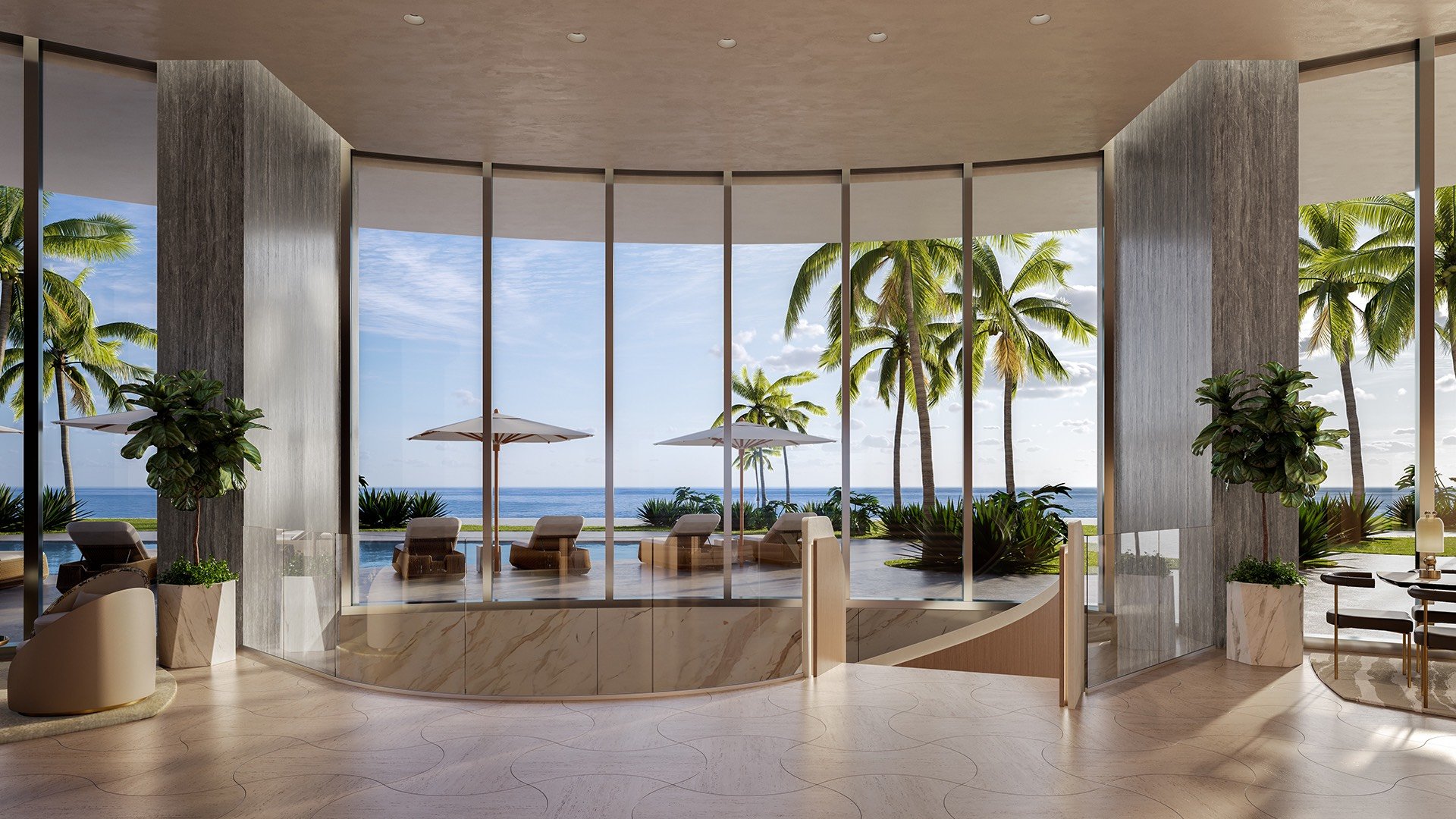
In Bal Harbour, fitness and spa amenities are not ornamental extras. For full-time residents, they shape the rhythm of the day: the quiet hour before meetings, the recovery window after travel, the privacy of a late treatment, and the ability to maintain consistency without leaving home. The difference between an impressive amenity deck and a genuinely livable wellness program often becomes clear only after the first month of residence.
A second-home buyer may focus on the drama of a spa suite or the visual impact of a gym. A full-time resident applies a more exacting lens. The questions become practical: Is the fitness room comfortable at peak hours? Is there enough separation between active and restorative spaces? Can a trainer work discreetly? Are treatment rooms calm, properly located, and easy to reserve? Does the environment feel like a private extension of the residence, or like a shared facility one must plan around?
This is where Bal Harbour’s appeal becomes more nuanced. The village’s scale encourages a quieter way of living, while the broader coastal corridor invites comparisons with Bay Harbor and Surfside. Buyers weighing Rivage Bal Harbour against established residences such as Oceana Bal Harbour should look beyond the headline amenity menu and consider how each setting supports a daily wellness routine.
For a full-time resident, the best gym is not necessarily the largest or most photogenic. It is the one that removes friction. A meaningful fitness environment should support strength training, mobility, cardio, stretching, and private instruction without making residents feel exposed or crowded. The equipment mix matters, but so do ceiling height, ventilation, natural light, flooring, storage, and the path from elevator to workout.
Privacy is especially important in Bal Harbour, where residents often prize discretion as much as convenience. A gym placed in a highly visible circulation path may feel energetic in a sales presentation, yet less comfortable in daily use. Conversely, a more intimate fitness suite with thoughtful zoning can become a true everyday asset.
Buyers should also evaluate whether the building supports different training styles. Some residents want traditional strength equipment. Others need space for Pilates, stretching, balance work, or low-impact movement. The most successful amenity programs anticipate that wellness is not one activity, but a sequence of routines that evolves with age, travel, and household needs.
Spa areas require a different kind of scrutiny. Beautiful finishes alone do not create a restorative experience. Full-time residents should study the progression from arrival to changing area, treatment room, relaxation space, steam, sauna, or other recovery features when available. The best environments feel intuitive and private, with transitions that do not require residents to cross active social zones.
Acoustics are a major consideration. A spa placed too close to a pool deck, children’s area, service corridor, or fitness room may lose the sense of calm that makes it useful. Lighting also matters. Harsh illumination can make even a well-designed room feel clinical, while warm, controlled light can support relaxation throughout the day.
Treatment rooms should be assessed for actual use. Are they sized for professional service providers? Is there appropriate storage? Is the location discreet enough for residents who schedule recurring therapies? For full-time living, the spa should not feel like a feature reserved for guests. It should function as part of the household’s health infrastructure.
A practical buyer map might place Bal Harbour at the core, then compare Bay Harbor as a quieter residential counterpoint and Surfside for adjacent coastal context. These distinctions matter because lifestyle is not confined to one building. A resident may prefer the prestige and shoreline setting of Bal Harbour, while still considering nearby wellness-oriented residences and services as part of the daily pattern.
For example, The Well Bay Harbor Islands gives buyers a nearby point of comparison for residences framed around wellbeing, while Fendi Château Residences Surfside reflects the design-conscious expectations often found along this refined coastal stretch. The point is not to treat every location as interchangeable. It is to understand how the broader area supports a life organized around health, privacy, and ease.
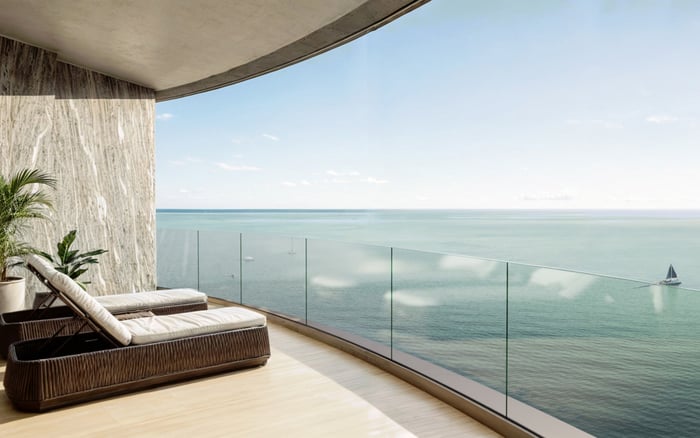
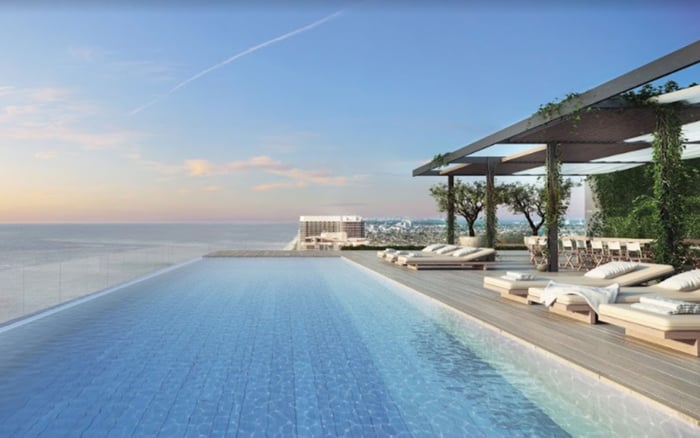
Oceanfront living adds another layer. For many residents, the ability to walk outside, feel the air, and reset between appointments is as meaningful as any indoor facility. The strongest wellness decision may combine an elegant in-building program with a setting that naturally supports movement and calm.
Amenity tours can be seductive, but full-time buyers should slow the process down. Visit at different times if possible. Ask how facilities are reserved, whether private trainers or therapists are permitted, and how staffing is handled. Understand whether spa rooms are self-service, staff-supported, or designed for outside professionals. Clarify guest policies, noise expectations, and any rules that could affect daily use.
Maintenance is another essential issue. Fitness and spa spaces require ongoing care, replacement planning, and a culture of cleanliness. A beautifully delivered amenity can decline if management does not treat wellness areas as core residential infrastructure. Buyers should ask how equipment is maintained and how resident feedback is handled.
The relationship between amenity cost and value should be viewed through frequency of use. A resident who trains five days a week, uses recovery spaces regularly, and values privacy may find a strong wellness program materially valuable. A buyer who already belongs to a private club may place more emphasis on convenience, backup options, or occasional treatments.
The highest standard is not abundance. It is coherence. Fitness, spa, pool, residence, parking, service, and outdoor areas should work together without unnecessary friction. A wellness program should feel calm in the morning, capable in the afternoon, and private in the evening. It should serve the household rather than demand adaptation from it.
That is why buyers considering Bal Harbour should study both the building and the surrounding lifestyle. The Surf Club Four Seasons Surfside, for instance, belongs to the broader set of coastal references that sophisticated buyers may weigh when evaluating service culture, privacy, and resort-like residential expectations. In this market, wellness is not merely a room with equipment. It is the daily choreography of body, time, service, and sanctuary.
What should full-time buyers prioritize in a Bal Harbour fitness amenity? Prioritize daily usability: privacy, equipment variety, ventilation, hours of access, and comfort during peak periods.
Are spa amenities more important for primary residents than seasonal owners? Often, yes. Full-time residents are more likely to depend on treatment rooms, recovery areas, and calm spaces as part of a regular routine.
How should I evaluate privacy in a residential gym? Look at sightlines, elevator access, proximity to social areas, and whether the layout allows discreet training without feeling exposed.
What makes a spa area feel genuinely residential? A residential spa should feel quiet, intuitive, well separated from active zones, and easy to use without elaborate scheduling.
Should I compare Bal Harbour with nearby Surfside and Bay Harbor Islands? Yes. Nearby areas can help clarify differences in atmosphere, building scale, wellness positioning, and daily convenience.
Are larger amenity spaces always better? Not necessarily. A smaller, well-designed and well-managed fitness or spa area may be more useful than a larger space with poor flow.
What questions should I ask about private trainers or therapists? Ask whether outside professionals are permitted, how they access the building, and whether treatment or training spaces can be reserved.
How does oceanfront living affect wellness value? Oceanfront settings can enhance daily movement, calm, and recovery, especially when outdoor access complements strong indoor amenities.
Can wellness amenities influence resale appeal? They can, particularly when they are well maintained, thoughtfully designed, and aligned with how high-end residents actually live.
What is the biggest mistake buyers make when touring amenities? The biggest mistake is judging the amenity by appearance alone rather than testing how it will function during everyday life.
If you'd like a private walkthrough and a curated shortlist, connect with MILLION.
If branded residences are on your mind — as a home or as an allocation — we would be glad to share what we are seeing, privately.
Begin a quiet conversation