After Surfside, Florida rewired condominium ownership with milestone inspections and Structural Integrity Reserve Studies (SIRS). For luxury buyers, diligence now means reading engineering scope, reserve logic, insurance structure, and assessment authority with the same care as views and finishes. This playbook explains the rules in plain English, highlights the documents that matter in a contract window, and frames how to price risk and opportunity in South Florida’s premium condo corridors.
The partial collapse of Champlain Towers South in Surfside on June 24, 2021, with the loss of 98 lives, permanently reset expectations for condominium safety, governance, and long-term stewardship in Florida. The market response has been swift and structural: buyers now underwrite buildings, not just units.
For an ultra-premium purchaser, the stakes are uniquely high. At elevated valuations, every line item matters: reserve contributions, insurance premiums, and special assessments all scale with insured values and the realities of coastal construction. This new framework is more than a compliance exercise; it is the operating blueprint for how a building verifies its durability, pays for it, and communicates that plan with real transparency to owners and prospective buyers.
This is not about fear. It is about clarity. The strongest luxury decisions now come from understanding how inspections, reserve studies, and funding obligations translate into day-to-day livability and long-term value.
Investigations and technical analysis have pointed to an initiating failure at the pool deck slab, involving punching shear, followed by a progressive collapse of the east portion of the tower. For buyers, the lesson is not a single mechanism; it is the broader reality that a localized problem in a critical zone can cascade when structural systems, waterproofing, and maintenance cycles collide.
That shifts where your questions should land. In coastal towers, the most expensive-and most disruptive-projects often concentrate at podiums, pool decks, plaza areas, and the interfaces where waterproofing and concrete meet. Industry guidance has long emphasized that waterproofing failures on recreation decks and plaza areas can be a major driver of concrete deterioration and costly restoration. Put plainly: the most photogenic amenity deck in a listing may also be the highest-stakes line item on an engineer’s scope.
Florida’s post-Surfside framework centers on milestone inspections for certain condominium and cooperative buildings.
At a high level:
Milestone inspections generally apply to buildings that are three or more stories.
The initial milestone inspection is generally triggered at 30 years, or 25 years if the building is within three miles of a coastline, with the precise trigger influenced by local elections and the way the statute is implemented.
The process is structured as Phase 1 (a visual examination) and Phase 2 (additional investigation and testing if warranted).
The governing statute is Florida Statutes §553.899, which sets requirements and local enforcement roles. For luxury buyers, the distinction between Phase 1 and Phase 2 is consequential because it often dictates timing, disruption, and whether a near-term capital plan is likely to emerge. Phase 2 can introduce concrete testing, invasive work, and a more definitive view of repair scope.
In negotiations, a milestone inspection is not a check-the-box item. It is an information event. It can validate the building’s condition-or expose deferred maintenance that becomes a schedule-and-funding question.
Alongside inspections, Florida reforms require Structural Integrity Reserve Studies (SIRS) evaluating specified building components and reserve needs. In practice, SIRS shifts many associations from reactive funding to structured, component-based planning.
For a buyer, SIRS reads like a financial narrative:
What components are being reserved for, and on what timeline?
Do current contributions match the projected needs?
Is the association moving from historically lower reserves to a more rigorous funding model?
Follow-on reforms continue to shape the landscape. House Bill 913 (2025) is a significant update affecting condos, including reserves and inspections-related changes, and it extended the deadline for completing SIRS to December 31, 2025. It also increased the SIRS-related reserve-item cost threshold to $25,000, which can change which deferred-maintenance items must be captured in reserves.
The sophisticated move is to treat SIRS as a forward-looking cash-flow instrument, not a static report. In many luxury buildings, a stronger reserve posture can become a selling point-even if it raises monthly fees-because it reduces uncertainty and can lower the odds of sudden, headline-level special assessments.
Even with SIRS, special assessments remain a central tool for funding unbudgeted repairs and compliance-driven projects. Florida condominium associations must follow procedural requirements for special assessments, including notice, meeting, and authority considerations. For buyers, this is immediate and practical: an assessment can reshape closing costs, escrow arrangements, and the way you structure contingencies.
Two buyer-oriented principles apply:
Separate “known work” from “unknown risk.” Known work is tied to disclosed scopes, bids, and timelines. Unknown risk is the gap between a Phase 1 conclusion and what Phase 2 might reveal.
Evaluate governance capacity. Luxury buildings often operate at a high level, but that sophistication is not uniform. You are not only buying a residence; you are buying into a corporate entity that must manage engineering, contractors, insurance, and resident disruption.
In Florida, the estoppel certificate is the cleanest, most time-sensitive snapshot of what is owed and what has been formally levied. State law caps certain fees and requires timely delivery within statutory timeframes, which matters when contract windows are tight.
In a luxury transaction, the estoppel is not merely about current dues. It can confirm whether:
A special assessment has been adopted and how it is billed.
There are outstanding amounts tied to the unit.
Certain association approvals or compliance items are pending.
Work with counsel to align the estoppel with the broader diligence package. If the inspection and reserve story suggests near-term work, the estoppel can reveal whether the association has already translated that story into a formal funding obligation.
In Florida, hurricane deductibles are often calculated as a percentage of the insured value. In high-value properties, that percentage-based structure can translate into substantial out-of-pocket exposure when a covered event occurs.
For luxury condo buyers, two practical questions belong in your underwriting:
How is the building insured, and how is risk allocated between association coverage and your personal coverage?
What does the deductible structure imply for the association’s post-storm cash needs, and could that intersect with assessments?
Insurance is not just a cost; it is a resilience tool. A well-capitalized association, a clear maintenance history, and transparent planning can be as relevant to future stability as the unit’s interior finishes.
Different submarkets carry different building ages, construction typologies, and governance cultures, which can influence how inspections and reserves are experienced.
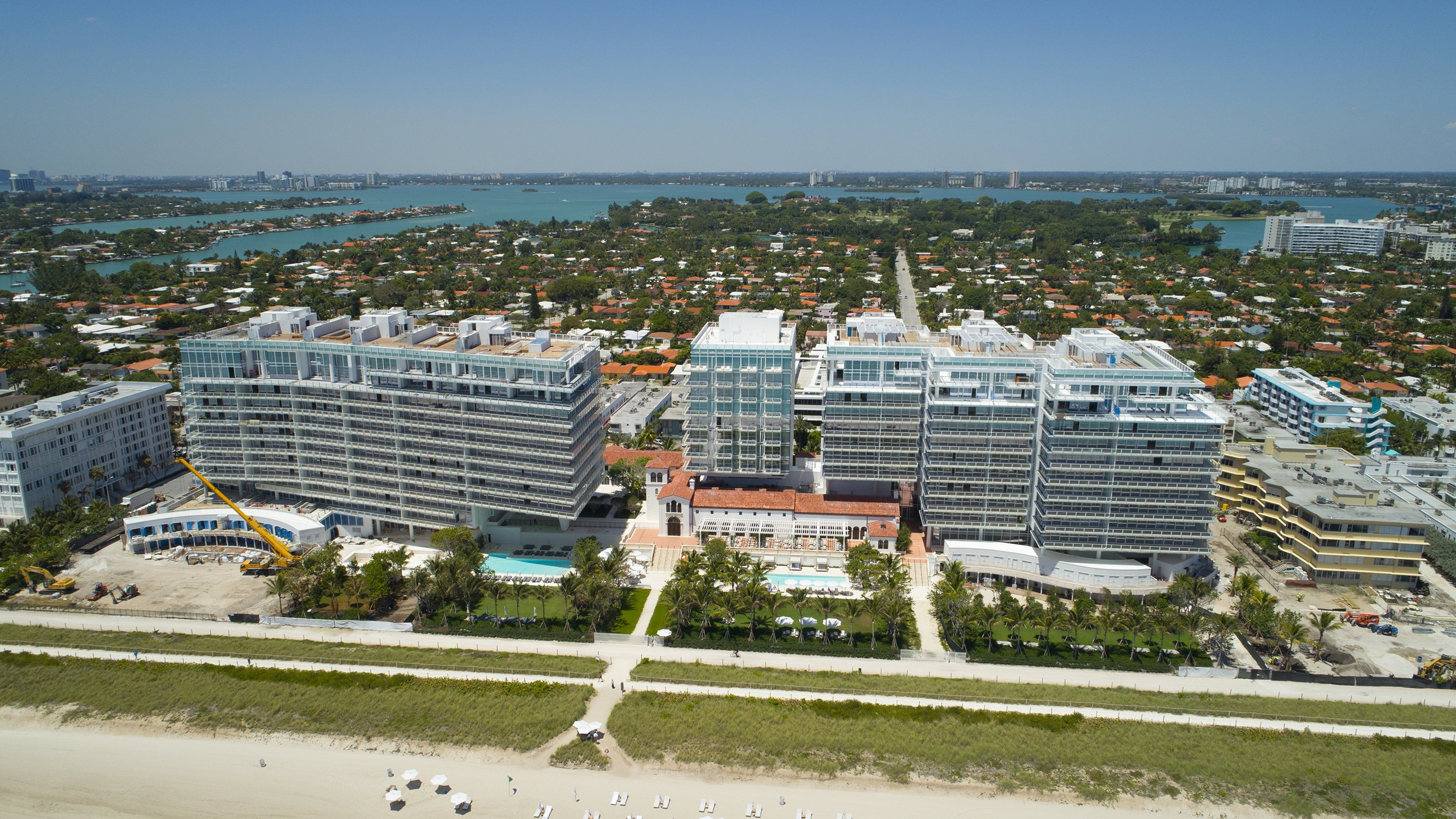
In Surfside, the conversation is naturally more acute, and buyers often ask deeper questions earlier in the process. Newer, design-forward boutique offerings can appeal to those who prefer a contemporary building lifecycle and a smaller ownership structure. In that context, residences like Eighty Seven Park Surfside and Arte Surfside sit within a broader preference set: modern construction, current codes, and amenity decks designed with today’s best practices in mind.
Miami Beach and its oceanfront corridor often blend legacy icons with newer, service-driven towers. A buyer seeking a full-service, high-touch lifestyle will still want clarity on how the building funds long-term waterfront realities such as salt exposure, wind-driven rain, and the ongoing care of elevated decks. In that lifestyle lane, Five Park Miami Beach speaks to the segment that values a newer building profile while still demanding the classic Miami Beach social geometry.
In Sunny Isles, vertical luxury is a defining theme, and the buyer profile often includes second-home owners. That makes governance and predictability especially important, because absentee ownership can complicate consensus around major capital projects. Buildings in this corridor also tend to be tall, which brings its own operational sophistication. For buyers prioritizing a new-generation tower experience, Bentley Residences Sunny Isles naturally fits the conversation about high-design living paired with modern building systems.
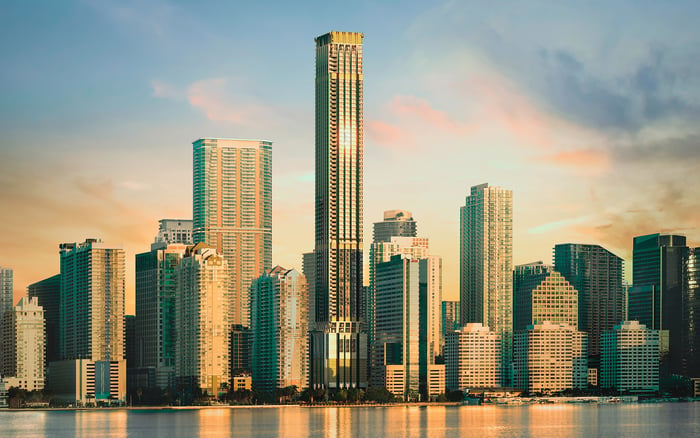
In Brickell, the lens shifts: urban luxury, high density, and a financial district’s expectation of institutional-quality management. Here, the most desirable towers win not only on views and walkability, but on how clearly they communicate future obligations. For a buyer leaning into that modern Brickell cadence, 2200 Brickell is a relevant reference point for those who want contemporary design with a forward-looking ownership experience.
Luxury diligence should be quiet, thorough, and engineered for speed. The goal is not to overwhelm the seller or the association, but to secure a coherent narrative.
Prioritize these categories:
Milestone inspection status: Confirm whether the building is subject to milestone inspections and where it is in the Phase 1 or Phase 2 process.
SIRS status and funding posture: Identify whether SIRS has been completed, when it was prepared, and whether the association is funding reserves in a way that matches the study’s conclusions.
Decks and waterproofing: Ask targeted questions about pool decks, plaza waterproofing, drainage, and any known concrete restoration cycles.
Special assessment authority and history: Understand how the association has funded major projects historically and what procedures are required for new assessments.
Insurance and deductibles: Underwrite the building’s insurance structure with hurricane deductible mechanics in mind.
Estoppel alignment: Confirm that what the narrative suggests is consistent with what is formally levied and owed.
The most successful luxury buyers do not treat these as separate workstreams. They integrate them into one story: condition, plan, funding, and execution.
Do milestone inspections apply to all Florida condos? No. They generally apply to condominium and cooperative buildings that are three or more stories.
When is the first milestone inspection typically required? It is generally triggered at 30 years, or 25 years if within three miles of a coastline, depending on local election details.
What is the difference between Phase 1 and Phase 2 of a milestone inspection? Phase 1 is a visual examination; Phase 2 involves additional investigation and testing if warranted.
What does SIRS stand for and why does it matter to buyers? It refers to a Structural Integrity Reserve Study, which evaluates key components and reserve needs that can affect fees and future assessments.
Was the SIRS deadline extended in recent reforms? Yes. The deadline to complete SIRS was extended to December 31, 2025.
Can special assessments be imposed quickly? Associations must follow procedural requirements such as notice, meetings, and authority, but assessments can still move fast once adopted.
Why do amenity decks and plazas get so much attention in coastal buildings? Waterproofing failures in these areas can accelerate concrete deterioration and lead to expensive restoration projects.
What is a Florida estoppel certificate used for at closing? It provides a time-sensitive statement of amounts owed and certain association disclosures, and it must be delivered within statutory timeframes.
Why can hurricane deductibles feel large in luxury properties? They are often calculated as a percentage of insured value, which increases out-of-pocket exposure as valuations rise.
How should a buyer price the risk of upcoming inspections and reserves? Treat them as part of the building’s ownership cost curve and negotiate with clarity around disclosed scope, timing, and funding plans.
To compare the best-fit options with clarity, connect with MILLION Luxury.
If branded residences are on your mind — as a home or as an allocation — we would be glad to share what we are seeing, privately.
Begin a quiet conversation