Universal design has become a quiet hallmark of next-generation luxury in South Florida: beautifully resolved, future-ready, and effortless to live in at every age. From zero-step entries that preserve clean sightlines to spa-grade bathrooms that remove trip hazards, the best features feel like elevated design decisions rather than accommodations. Here are five universal design moves that protect comfort, privacy, and long-term value without compromising aesthetics.
In South Florida’s upper tier, “luxury” is increasingly defined by how effortlessly a home performs over decades-not just how it photographs on day one. Universal design meets that standard with a clear premise: create environments usable by people of all ages and abilities, reducing the need for later accessibility retrofits. The strongest examples read as architecture and interior design first, with accessibility so seamlessly integrated it feels inevitable.
For buyers weighing a primary residence, a seasonal base, or a multigenerational compound, universal design is also a form of discretion. It keeps daily life smooth even as mobility changes, and it protects the home’s aesthetic by minimizing the need for visible add-ons later. In a market where finishes evolve but layouts endure, these decisions tend to age with uncommon grace.
The goal is not to turn a residence into a clinic. The goal is to make comfort frictionless.
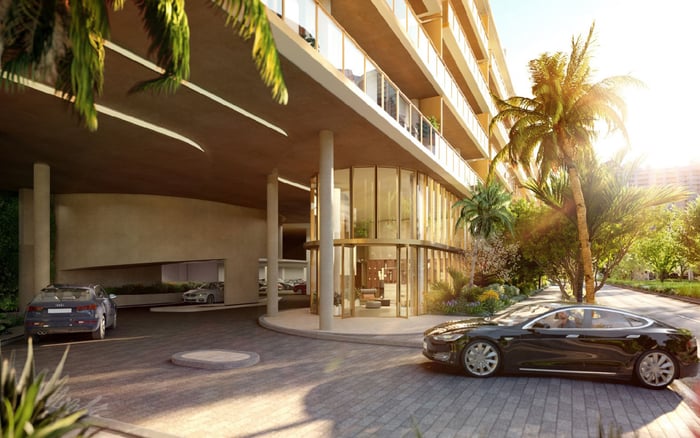
1. Universal design architecture - zero-step entry, wider doorways, main-level living The foundational move is step-free access where it matters most. A zero-step (no-step) entry improves safety and usability without resorting to a visible ramp-preserving a clean, elegant approach while making arrival easier with luggage, strollers, or changing mobility.
Inside, circulation is the quiet luxury. Wider interior doorways are commonly recommended to improve access for wheelchairs and walkers versus standard narrower doors, and they also make a home feel more gracious even when no accessibility is required. Pair that with true main-level living-including a main-level bedroom and a full bath-and the home becomes naturally future-ready, without a later rework around stairs.
2. Spa-like accessible bathrooms - curbless shower, seating, grab bars, slip-resistant finishes Bathrooms are a major focus for aging-in-place safety because falls commonly occur there. The best luxury bathrooms treat safety as a design discipline-one that strengthens the final composition.
Curbless (barrier-free) showers reduce trip hazards by eliminating the need to step over a curb, and they can look more architectural than traditional pans when the floor plane continues seamlessly. For performance, a curbless shower typically depends on sloped floors with effective drainage and waterproofing to manage water migration. Add a built-in bench or appropriate shower seating for days when balance or stamina changes, and incorporate grab bars where they support safer transfers near the shower and toilet. Done well, the difference is not visual noise-it is confidence.
Finally, specify slip-resistant bathroom flooring, particularly in wet zones, and consider comfort-height toilets, typically around 17 to 19 inches, to reduce strain on knees and hips compared with standard-height fixtures.
3. Integrated smart home technology - motion lighting, voice control, keyless entry, monitoring Smart home tech for older adults often centers on safer, simpler control of the home: lighting that anticipates movement, reminders that reduce cognitive load, and communication that stays immediate. In luxury settings, the most compelling approach is “invisible intelligence,” where the home behaves intuitively.
Motion-sensor lighting can improve nighttime safety by automatically illuminating hallways and bathrooms when movement is detected, lowering the risk of missteps during half-awake routines. Keyless entry and smart locks reduce the need to handle physical keys-a subtle win for residents with dexterity limitations, and a practical upgrade when hands are full.
For households that want an extra layer of reassurance, medical alert systems with fall detection can automatically trigger help after a fall, often with ongoing monthly monitoring costs. The key is to design the experience so it feels private and optional, not intrusive.
4. Multigenerational layout - dual primary suites and flexible private zones Aging-in-place design is rarely just about one person. It is about a household that evolves. Dual primary bedroom layouts have become a growing luxury-home trend, driven in part by multigenerational living and the desire for flexible private space.
A second primary suite can function as a long-stay guest wing, a caregiver suite, or a future-proofed owner’s retreat that reduces reliance on stairs. The design cue is autonomy: each suite should feel complete, with comfortable circulation, a proper bath, and a sense of separation so privacy remains intact even when the house is full.
5. Accessible outdoor living - safer paths, shaded structures, raised beds, and lighting In South Florida, outdoor living is not an accessory. It is daily life. Accessible outdoor spaces prioritize stable, slip-resistant walking surfaces and hazard reduction, including avoiding uneven paths that catch toes or wheels.
To extend comfort through sun and summer showers, pergolas and louvered roof systems add flexible shade and rain protection, expanding usable outdoor hours without sacrificing style. For residents who love gardening, raised garden beds can make planting and pruning more accessible by reducing bending and enabling easier approach.
Where level changes cannot be avoided, ramp design parameters are well established and can be integrated thoughtfully, so transitions feel like part of the landscape rather than an afterthought.
Luxury buyers often worry that accessibility features will read as utilitarian. The reality is that the best universal design is a styling advantage: it favors clean lines, generous clearances, and a calm, resort-like experience.
Start with the “bones”: entries, circulation, and main-level living. These are expensive to change later and can be integrated elegantly now. Then layer in bathroom decisions that read as spa upgrades, such as a curbless shower, integrated seating, and well-placed hardware. Finally, use technology to eliminate micro-frictions: lighting that reacts, doors that unlock without fumbling, and safety features that remain discreet.
If you are renovating, prioritize elements that prevent visible retrofits later. Universal design is most beautiful when it is planned, not patched.
Condominium living can be a natural fit for universal design because many buildings already emphasize elevator access, staffed lobbies, and simplified maintenance. Buyers looking for a long-term Miami base often focus on day-to-day ease: smooth arrivals, wide circulation within the residence, and bathrooms that can adapt without a full rebuild.
In Brickell, residences that already emphasize elevated, service-forward living can pair well with a universal-design checklist. Consider how a building like 2200 Brickell aligns with the priorities buyers now bring to the table: privacy, convenience, and a home that remains effortless through changing needs.
On the oceanfront side of the lifestyle, Miami Beach owners often think in terms of barefoot routines, wet floors, and frequent guests. A bathroom that uses slip-resistant flooring and a barrier-free shower is not just an accessibility choice, but a hospitality choice-particularly in high-traffic beach households. The same mindset applies when evaluating options such as 57 Ocean Miami Beach.
Further north, newer luxury towers in Sunny Isles frequently attract multigenerational families who want a lock-and-leave base with the feel of a private resort. A dual-suite layout plus thoughtful circulation can preserve independence for everyone under one roof. When exploring the area, Bentley Residences Sunny Isles is a useful reference point for the kind of elevated, lifestyle-driven living buyers associate with long-term value.
In Fort Lauderdale, the conversation often blends boating and beachfront rhythms with year-round practicality. The best residences support both: a serene aesthetic, plus the “quiet engineering” of lighting, thresholds, and bathrooms designed for stability. For that lens, Four Seasons Hotel & Private Residences Fort Lauderdale fits naturally into an ease-first, service-forward narrative.
These references are not about a single feature. They are about an ethos: residences that make daily life simpler and safer without announcing why.
When universal design is executed correctly, it can be hard to spot. That subtlety makes due diligence more important.
First, walk the arrival path. Is there a true zero-step entry from parking to front door, or are there hidden thresholds? Then assess circulation: do doorways and turning areas feel generous? Next, study the bathroom. Is the shower barrier-free, and does it appear engineered for water control? Is there a place for seating that feels intentional? Are finishes slip-resistant where they should be?
Finally, test the home’s “night mode.” Do lights come on without searching for switches? Can doors be opened without keys? Can critical systems be controlled easily? These questions are not only about aging. They are about living well.
What is universal design in a luxury home? It is a design approach that makes a home usable for all ages and abilities, often reducing the need for later accessibility retrofits.
Is a zero-step entry the same as a ramp? Not necessarily. A zero-step entry is step-free access that can be achieved without a visible ramp, depending on site and design.
How wide should interior doors be for better accessibility? Wider doorways are commonly recommended for easier wheelchair and walker access, and many buyers look for about 36 inches.
Why do designers focus so much on bathrooms for aging in place? Bathrooms are a higher-risk room for falls, so safer layouts and fixtures can have an outsized impact on daily safety.
What makes a curbless shower work well? It typically relies on properly sloped floors, effective drainage, and robust waterproofing to control water migration.
Should I include a shower bench even if I do not need it now? Yes. Integrated seating supports safer bathing if balance or stamina changes, and it can read as a spa feature.
Do grab bars have to look institutional? No. When specified intentionally, grab bars can be integrated discreetly and still support safer transfers.
What is a comfort-height toilet? It is typically around 17 to 19 inches in seat height, which can reduce strain on knees and hips versus standard height.
Which smart home features matter most for long-term livability? Motion-sensor lighting and keyless entry reduce daily friction, and optional monitoring can add reassurance if desired.
How can outdoor spaces be made safer without losing the resort feel? Use stable, slip-resistant paths, minimize uneven transitions, and add shaded structures to extend comfortable outdoor time.
For a confidential assessment and a building-by-building shortlist, connect with MILLION Luxury.
If branded residences are on your mind — as a home or as an allocation — we would be glad to share what we are seeing, privately.
Begin a quiet conversation