Art Basel Miami Beach has become more than a marquee fair. For South Florida real estate, it is a predictable, high-intent week that compresses global attention into a few days, reshaping how buyers tour, how developers position new product, and how owners think about timing, liquidity, and lifestyle fit.
In practical terms, Art Week creates “compressed optionality.” A buyer can land, take in museum programming, attend private previews, and still fit multiple property tours across Miami-beach, Brickell, and Downtown into a single itinerary. For sellers and developers, it’s a calendar-fixed moment when serious prospects are already in motion. Even when a purchase doesn’t happen in December, relationship-building, unit discovery, and shortlisting often do.
Miami’s cultural rise has been built not only on the fair itself, but on a network of institutions and venues that keep the city relevant the other 51 weeks of the year. Large-scale philanthropic investment has helped deepen this ecosystem, while arts attendance has grown meaningfully in past cycles-supporting the idea that culture is not merely seasonal.
For real estate, the takeaway is clear: cultural anchors reduce “narrative risk.” Neighborhoods with enduring programming and architectural landmarks tend to read more clearly to international buyers who may not have time to study micro-markets. Downtown’s waterfront museum presence, Miami Beach’s iconic concert and event venues, and the broader calendar of exhibitions and performances create a steady backdrop for high-end living. That backdrop supports pricing power indirectly by reinforcing perceived permanence-not simply excitement.
At the same time, the cultural economy isn’t uniformly resilient. Parts of the nonprofit arts sector have faced financial fragility, a reminder to separate the long-term strength of a location from the temporary buzz of a single week. The strongest underwriting treats Art Week as a catalyst, while leaning on fundamentals such as walkability, water access, building quality, and year-round services.
Luxury buyers rarely shop “Miami” as one place. Art Week tends to tighten demand around a handful of high-amenity nodes, largely through convenience and brand adjacency.
Miami Beach becomes the epicenter for social calendars and private dinners. The spillover is practical: buyers want short drives, easy arrivals, and a home that can function as a quiet reset between events. Boutique beachfront positioning can feel especially aligned with this pattern, as seen in residences such as 57 Ocean Miami Beach, where the appeal is less about volume and more about privacy, finish, and beach proximity.
Wynwood and the Wynwood arts district-often characterized as art-led in its transformation-have become part of the touring loop. The area’s rise also underscores the trade-offs of success: rapid redevelopment and gentrification pressures are part of the story. For buyers, that means weighing not only a neighborhood’s energy, but also its noise profile, peak-week traffic, and the direction of zoning and future supply.
Miami Design District functions as a luxury retail and lifestyle node that can influence nearby housing demand. During Art Week, it operates like an extension of the fair: an environment where high-net-worth visitors already plan to spend time. That adjacency can benefit surrounding residential pockets that offer easy access while remaining insulated from crowds.
Miami is repeatedly positioned as the leading U.S. destination for international homebuyers. In the ultra-premium segment, that global buyer base often combines lifestyle intent with portfolio logic: a well-located condo can serve as a personal base, a long-term hedge, and a flexible asset held through market cycles.
This is where the region’s branded-residence boom becomes more than marketing. Branded residences translate global familiarity into local confidence, and they tend to emphasize service, privacy, and year-round operational consistency. For Art Week, that matters because many buyers are in town briefly and want a frictionless experience-curated arrivals, secure access, and staff that can support a residence even when the owner is abroad.
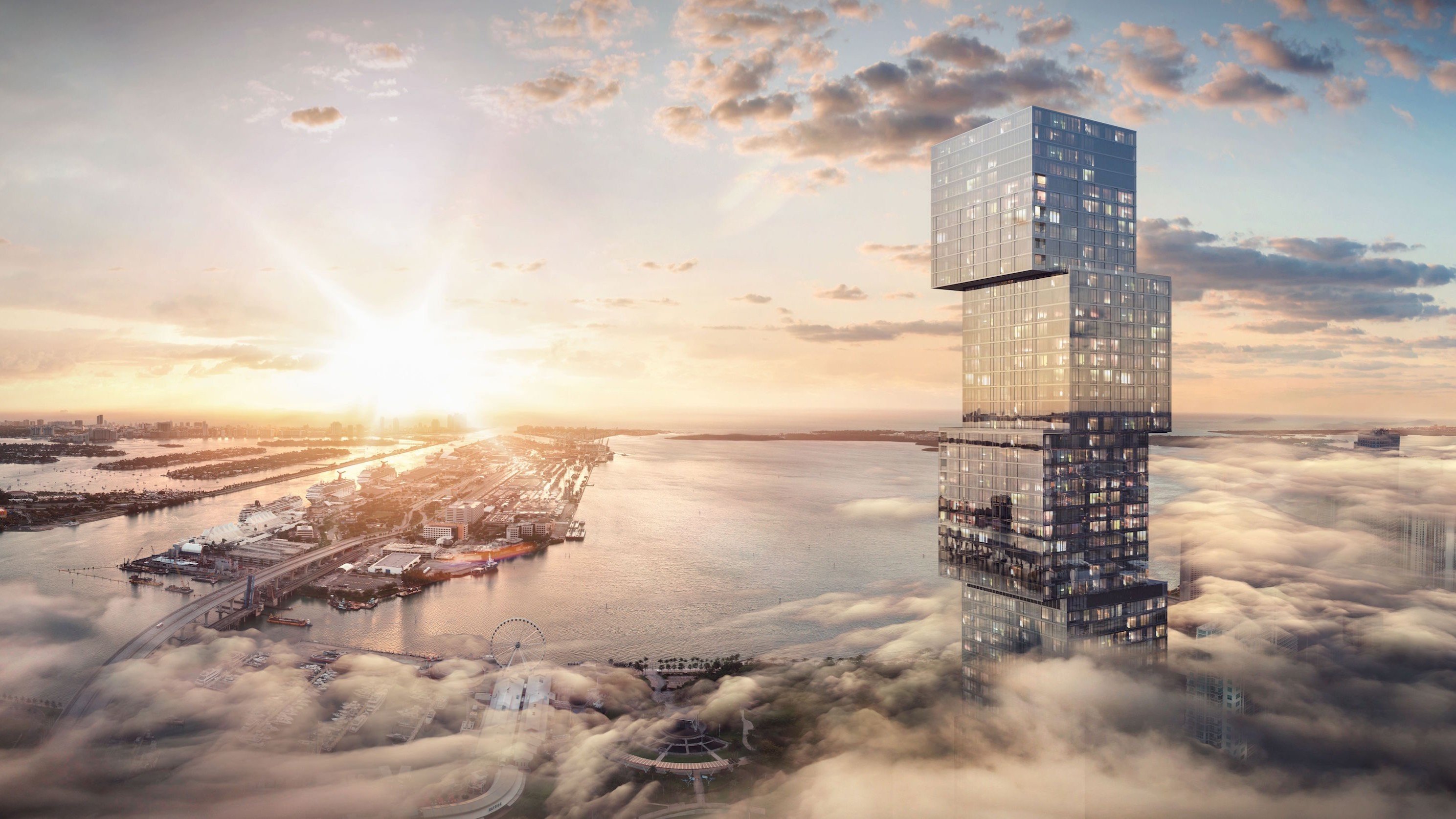
In the urban core, this positioning is especially visible in towers that deliver a highly finished, hospitality-forward lifestyle. In Downtown, Aston Martin Residences Downtown Miami captures the appeal of a recognizable design language paired with a waterfront address, which can resonate with international buyers who value identity and ease.
1. Calendar proximity - listing and tour velocity Art Week reliably increases tour volume and compresses decision-making for buyers already in-market. The best outcomes typically come from planning: inventory presented impeccably, documentation ready for review, and pricing that anticipates negotiation rather than requiring a midweek reset.
2. Neighborhood narrative - cultural adjacency with daily usability Locations that are culturally connected yet livable year-round often outperform in perceived value. Buyers tend to pay for convenience and calm at the same time, favoring addresses that feel close to the action without living inside it.
3. Service level - staffing, privacy, and building operations High-touch service becomes a tangible asset when owners travel frequently. During peak weeks, operational excellence shows up in ways that matter: discreet arrivals, strong security, and a building culture that can handle visitor intensity.
4. Product differentiation - architecture, view corridors, and scarcity In a market with significant luxury supply, the units that hold attention are the ones that are difficult to replicate: truly protected views, thoughtful layouts, and a building identity that reads instantly.
5. Ownership economics - fees, insurance, and time-to-liquidity Rising insurance costs and broader ownership expenses can influence carrying costs, particularly through condo operations and HOA budgets. In parallel, the luxury tier has shown signs of a more balanced market dynamic in recent cycles, including longer marketing times even as demand persists-reinforcing the need for realistic hold periods.
For many buyers, the most compelling Art Week itinerary pairs Miami Beach evenings with daytime meetings in the urban core. Brickell and Downtown benefit from this rhythm because they function as both lifestyle centers and logistical hubs. They also align with the branded-residence narrative: a preference for concierge-forward living, predictable services, and proximity to dining and waterfront experiences.
In Brickell, new luxury positioning continues to lean into design and status signaling. 888 Brickell by Dolce & Gabbana is a case study in how branding and interior identity are used to differentiate product in a competitive skyline. Nearby, Una Residences Brickell reflects the parallel appeal of refined waterfront living with a more residential, less overtly hotel-coded tone.
For buyers who use Miami as a second home, this corridor can be especially functional: easy airport access, walkable daily life, and a clear map of neighborhoods that feel familiar even on short visits.
During Art Week, Miami Beach is both stage and sanctuary. The most resilient value in the Miami-beach luxury segment often comes down to scarcity: true beachfront access, low-density living, and buildings that remain quiet even when the city is full.
South of Fifth, in particular, has become synonymous with a lifestyle that can absorb high season while still feeling residential. Apogee South Beach exemplifies the kind of product that appeals to buyers who prioritize privacy, water views, and a neighborhood that behaves like an enclave when the broader market is at maximum volume.
This is also the area where buyers tend to be most sensitive to operational details. During peak weeks, the difference between a well-run building and a merely beautiful one becomes obvious: staffing, security protocols, and guest management aren’t soft perks-they’re value drivers.
If you’re buying, treat Art Week as a discovery and diligence window. See the neighborhood at its busiest and decide whether the energy matches your daily preferences. If you’re selecting a condo, ask pointed questions about building operations, reserves, and how the property manages peak-season traffic. Keep an eye on ownership economics, including insurance-related costs that can flow through operating budgets.
If you’re selling, assume sophisticated buyers will arrive prepared. Have condominium documents organized, anticipate timelines, and price with a view toward current liquidity conditions rather than last season’s peak momentum. Luxury demand remains present, but a more balanced cadence in the market means presentation and realism matter.
Does Art Basel Miami Beach materially affect South Florida real estate? It concentrates global attention and tours into a short period, which can improve exposure and accelerate shortlists.
Is the impact limited to Miami Beach? No. The effect often extends to Downtown, Brickell, Wynwood, and other culturally adjacent nodes.
Why do branded residences perform well during Art Week? They offer service, privacy, and operational consistency that suits short-stay, high-frequency travel patterns.
Should buyers avoid touring during Art Week because it is too busy? Touring then can be useful because you experience the neighborhood at peak intensity and can judge livability.
What neighborhood traits tend to hold value beyond the Art Week buzz? Walkability, waterfront access, strong building operations, and proximity to year-round cultural anchors.
Are luxury condos still moving if marketing times are longer? Yes, demand persists, but longer timelines suggest buyers should underwrite patience and negotiate carefully.
How should sellers prepare for Art Week buyer traffic? Tighten presentation, ensure documents are ready, and set pricing that reflects current conditions and comparables.
Does the Wynwood story matter to luxury buyers? It does as a signal of momentum, but buyers should also consider noise, future supply, and redevelopment pressures.
What is the biggest hidden cost risk in South Florida ownership? Insurance-related expenses can rise and influence condo operating budgets, affecting total carrying costs.
Can Art Week be a good time to start a long-term Miami search? Yes. It is efficient for neighborhood sampling and meeting teams, even if the purchase closes later.
For a discreet conversation and a curated building-by-building shortlist, connect with MILLION Luxury.
If branded residences are on your mind — as a home or as an allocation — we would be glad to share what we are seeing, privately.
Begin a quiet conversation