A discreet, buyer-forward playbook for positioning short-term rental strategy around Hard Rock Stadium ahead of the 2026 World Cup, with a focus on regulation, unit design, and downside protection.
The 2026 World Cup will deliver a concentrated burst of global travel to South Florida, and the area around Hard Rock Stadium is positioned to feel that pressure early. For owners and buyers evaluating short-term rentals, the headline is straightforward: peak-week demand can reset pricing psychology overnight. The more important truth for serious underwriting is this-tournament week is an event premium, not a permanent yield profile.
MILLION Luxury clients tend to outperform when they treat these moments as optionality. The objective is not to buy a “World Cup rental.” The objective is to own a residence that remains desirable and compliant in ordinary weeks, while still capturing outsized revenue when calendars tighten and affluent travelers expect turnkey execution.
In practice, that means balancing three inputs: (1) regulation and building rules, (2) product-market fit for high-spend guests, and (3) a risk-managed pro forma that does not depend on a single event to justify the acquisition.
Short-term rental yields can look extraordinary when you price only the best nights. A disciplined model starts from the opposite direction.
First, build a base case around normal seasonal demand, conservative occupancy, and realistic operating costs. Then layer the World Cup as an upside scenario, with a strict cap on how much of the annual return you allow to come from that period. If the deal only works when the tournament performs perfectly, the asset is not a yield play-it’s an event bet.
Second, treat “gross revenue” as a vanity number. Net yield is shaped by management fees, turnover costs, supplies, damage reserves, utilities, and the time value of responsiveness. Luxury travelers expect hotel-grade service standards and immediate issue resolution. If you plan to self-manage, price your own time. If you plan to outsource, assume top-tier operators will charge accordingly.
Third, plan for volatility. For a short-term rental near a major stadium, pricing can be highly elastic, and competition can surge when owners flood the market. The more differentiated the unit, the less you compete on price alone.
Before design, before furniture packages, before revenue projections, the first question is permission. In South Florida, short-term rentals are governed by layers: city rules, county rules, condominium declarations, HOA bylaws, and sometimes additional building policies. Enforcement can also shift quickly around high-profile events.
A buyer should confirm, in writing, the minimum rental period, any limits on the number of rentals per year, guest registration requirements, and whether common elements are restricted for transient occupants. Your strategy should also anticipate how a board may respond to increased transient traffic during tournament weeks.
For some investors, the right conclusion is to select buildings and neighborhoods where lifestyle-first owners already accept a degree of rental activity-rather than trying to force a short-term model into a community optimized for quiet, owner-occupancy.
Hard Rock Stadium sits at a crossroads of multiple demand drivers. During an international tournament, guests may prioritize different anchors: beaches, dining, nightlife, brand-name retail, or proximity to match-day logistics. That’s why a corridor mindset often outperforms a strict radius.
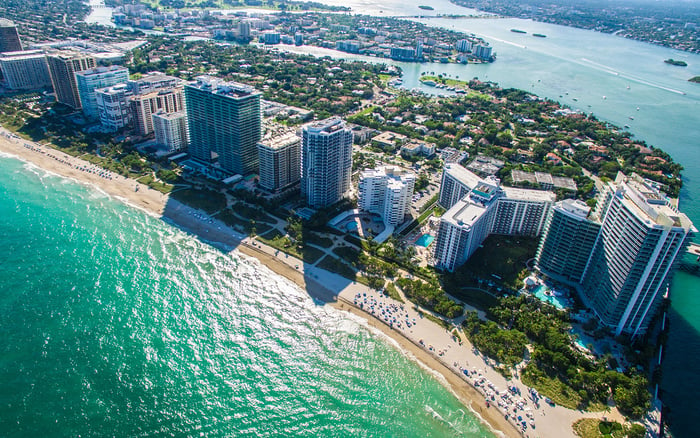
Aventura and North Miami Beach can appeal to travelers who want convenience, newer inventory, and easy access to major roads. In that context, Avenia Aventura is an example of the type of modern product that can match premium expectations while still delivering practical access.
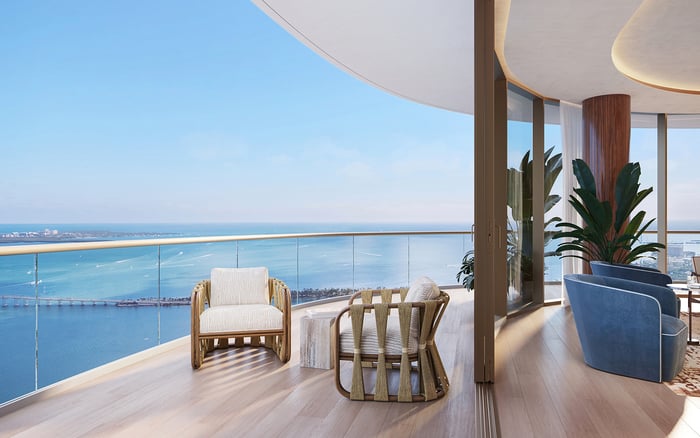
Miami Beach can capture the lifestyle traveler who treats the tournament as a reason to extend a beach stay. If your short-term strategy depends on high nightly rates, the guest experience must feel like a destination-not merely a place to sleep.
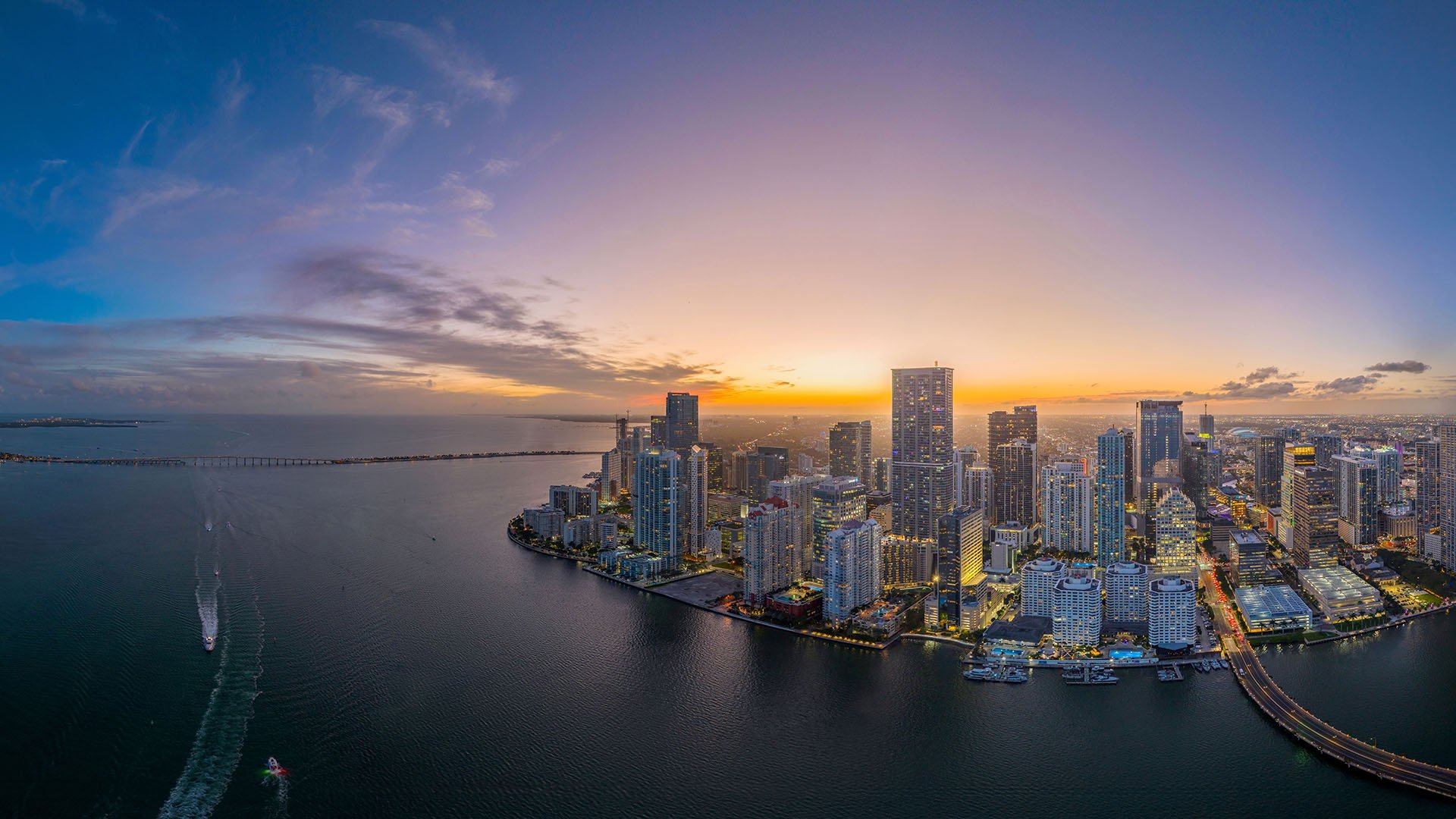
Brickell can perform when visitors want a polished, walkable base with dining and a skyline address. For buyers who value brand gravity and amenity ecosystems, residences such as 888 Brickell by Dolce & Gabbana and 2200 Brickell represent the broader category of “residential hospitality” that tends to rent well when permitted, precisely because it reduces friction for the guest.
The takeaway: the best yield outcomes often come from choosing a product guests would select even without the World Cup-then letting the event amplify an already-strong booking profile.
In high-demand weeks, almost everything books. The question is what books at the top of the market-with fewer operational headaches.
Focus on features that directly support premium nightly rates:
Sleep configuration and privacy. Two true bedrooms typically outperform a one-bedroom plus den when guests travel in pairs or small groups. If you have a den, make it feel intentional with acoustic separation and a door when possible.
Arrival and access. Seamless check-in, reliable elevators, and clear parking instructions matter more than most owners expect. Tournament guests often arrive late, with schedules that don’t tolerate friction.
Noise control. Stadium-adjacent demand can invite celebratory behavior. The more your unit is protected by quality glazing, solid doors, and thoughtful layouts, the lower the risk of complaints and penalties.
Durability that still photographs well. A short-term rental is a hospitality product. Specify performance fabrics, wipeable finishes, and easily replaceable decor pieces. Keep it elevated, but not delicate.
Amenity signaling. Pools, gyms, and staffed lobbies can support higher rates, but only when guest rules are clear and access is reliable.
If your primary aim is discretion, you may prefer buildings with stricter behavior standards and professional management. It can slightly reduce top-line upside, but it often improves the consistency of net yield.
Event weeks invite two common mistakes: owners either underprice out of fear of vacancy, or overprice so aggressively that they miss early bookings from high-quality guests.
A measured approach is to stage inventory in tiers. Secure strong early bookings at premium rates for a portion of the calendar, then preserve flexibility for late-arriving demand once match-day logistics are clearer. This can reduce the temptation to discount under pressure, and it can also help you screen for guests who value predictability over bargain hunting.
From a risk perspective, assume higher-than-normal wear and higher-than-normal support needs. Build a reserve for replacement and an “on-call” service buffer. Treat those as the cost of delivering a luxury experience.
The smartest World Cup positioning doesn’t end in July 2026. It ends with an asset you still want to own in 2030.
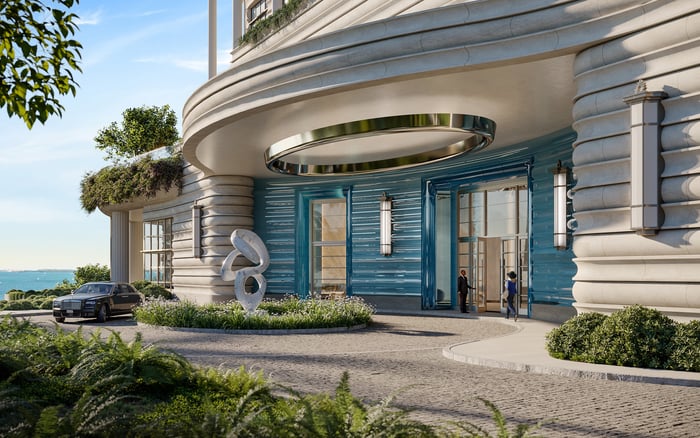
Coastal, design-forward residences tend to be resilient because they appeal to both end-users and renters. For buyers drawn to a quieter, highly curated beachfront experience, 57 Ocean Miami Beach illustrates the type of product where lifestyle value can support demand even when the event calendar is empty.
If your plan is to toggle between personal use and rentals, prioritize layouts that live well as a primary residence. A unit that feels compromised for daily life often underperforms in resale, even if it produces short-term spikes.
During an international event, reputational risk rises. Guests paying luxury rates are not forgiving about basics. A single check-in failure or cleanliness issue can damage your listing’s performance at the exact moment you want momentum.
Choose an operating model aligned with your tolerance:
Full-service management is best for owners who want the property treated like a micro-hotel.
Hybrid management can work if you have a trusted local team and a locked process for turnovers.
Self-management is rarely optimal in peak weeks unless you are local, available, and experienced.
Regardless of model, establish clear house rules, a deposit strategy consistent with your building’s policies, and a documented inspection checklist after each stay.
Luxury investors tend to focus on upside. Downside protection is what keeps performance elegant.
Start with liquidity. Properties in neighborhoods with broad buyer pools typically offer cleaner exit options than niche assets that only work for a narrow rental strategy.
Next, treat regulatory change as a real scenario. If short-term rentals were restricted tomorrow, would the unit still function as a long-term rental or a pied-a-terre? If not, your yield is not diversified.
Finally, remember that “yield” is not the only return. Appreciation, lifestyle utility, and the ability to shift usage patterns are part of the total performance equation. The best World Cup-positioned assets are simply the best assets-with an extra gear.
Is buying near Hard Rock Stadium automatically a winning short-term rental play? Not automatically. The strongest outcomes come from legal rental flexibility and a unit that performs outside event weeks.
Should I underwrite the World Cup as guaranteed income? No. Model it as upside and ensure your base case works without tournament pricing.
What matters more: distance to the stadium or overall neighborhood appeal? Neighborhood appeal often wins, because guests also value beaches, dining, and a polished home base.
Do condo rules matter as much as city rules? Yes. Many buildings restrict minimum lease terms even when a city allows shorter stays.
How do I reduce operational risk during peak weeks? Use a professional operating team, tight checklists, and reserves for rapid fixes and replacements.
What unit type typically performs best for premium guests? Two true bedrooms with privacy and a strong living area tend to command higher nightly rates.
Can a luxury building still be a good short-term rental if it’s strict? Sometimes. Stricter standards can improve guest quality and protect the property’s long-term desirability.
What features help support higher nightly rates without causing complaints? Quiet interiors, seamless arrival, durable finishes, and reliable amenity access are key.
Should I furnish specifically for the World Cup? Furnish for year-round luxury usability, then add flexible elements that improve guest experience.
What is the most conservative way to think about yields? Focus on net income after all costs, and treat event weeks as optional upside rather than the core return.
For a tailored shortlist and next-step guidance, connect with MILLION Luxury.
If branded residences are on your mind — as a home or as an allocation — we would be glad to share what we are seeing, privately.
Begin a quiet conversation