A discreet, buyer-forward guide to the real cash-to-close drivers in South Florida luxury purchases, from Florida documentary stamp taxes to jumbo-loan frictions, condo estoppels, and insurance-heavy prepaids.
In South Florida, sophisticated buyers rarely ask whether closing costs exist. The real question is which costs are structural, which are negotiable, and which show up late enough to disrupt timing and leverage.
As a rule of thumb, buyers often estimate closing costs at roughly 2% to 5% of the purchase price. Florida transactions frequently land higher than the national average, and in luxury the band widens further based on financing structure, entity ownership, building rules, and the level of diligence required to close cleanly.
Just as important, “closing costs” are not the same as “prepaids.” Closing costs are the fees required to execute the transaction. Prepaids are upfront collections for items such as homeowners insurance, taxes, and interest. In coastal Florida, prepaids can eclipse the line items most buyers think of as closing costs-particularly when insurance premiums and escrow funding are substantial.
A clean way to keep control of the numbers is to separate the two buckets early.
Closing costs typically cover the settlement and legal infrastructure: title insurance, title and settlement service fees, recording fees, lender charges (if any), and building-required documents such as an estoppel. These are the costs that make the transaction legally effective.
Prepaids are more specific to the property and your financing. They often include the first year of homeowners insurance, initial escrow funding for taxes and insurance, and prepaid interest if you are financing. On a high-value waterfront residence, the insurance and escrow components can drive a surprisingly large cash-to-close figure even when the “fees” portion looks comparatively modest.
When reviewing estimates, insist on a clear separation. It prevents a common luxury-market misread: feeling “overcharged” on closing costs when the true driver is prepaids tied to risk and reserves.
Some South Florida line items are contractual. Others are statutory and appear regardless of negotiating posture.
Florida charges documentary stamp tax on deeds at $0.70 per $100 of consideration in most counties, rounded up to the nearest $100. Miami-Dade applies a different deed documentary stamp rate for single-family homes at $0.60 per $100, and non-single-family property can face an additional surtax. These taxes are often discussed in seller terms, but contracts can allocate responsibility differently-so buyers should understand the mechanics even if they are not paying the item.
If you are financing, Florida also applies documentary stamp tax on mortgages at $0.35 per $100 of the mortgage amount. In addition, Florida’s nonrecurring intangible tax applies to mortgages at 0.2% of the mortgage amount. In the jumbo range, those mortgage-related taxes scale quickly and can materially change the economics of leverage versus paying cash.
Recording fees are another “always there” category. Counties charge to record documents in the official records, and page count and document type can influence the total. In luxury transactions with multiple riders, entity documents, and lender packages, paperwork volume can be meaningful.
Owner’s title insurance is typically paid at closing to protect the buyer’s ownership interest. If you are using a mortgage, lender’s title insurance is typically required as well.
In Florida, title insurance premiums are state-regulated. That means shopping is often less about the premium and more about the quality and pricing of title and settlement services: responsiveness, escrow handling, issue-spotting, and the ability to manage complex deal choreography without fraying relationships.
Luxury closings carry a longer list of “soft risks” that won’t appear on a quote: survey and boundary issues, condominium document review, assessment exposure, and timing constraints tied to international travel or entity governance. A strong title team is often worth more than a small delta in administrative fees.
Loan origination fees are commonly expressed as a percentage of the loan amount, often around 0.5% to 1%. On a multi-million-dollar loan, that percentage becomes a real number-and it is only one component of the lender cost stack.
Jumbo mortgages also tend to impose stricter qualification requirements than conventional loans, including credit standards, asset reserves, and documentation depth. Even when the buyer is well qualified, the operational timeline can be less forgiving. Underwriting questions can surface late, and appraisal contingencies can shift leverage when a property is unique or a building has limited comparable sales.
A practical luxury-market tactic is to treat financing as an execution plan, not merely a rate. Align documentation early, keep liquidity visible, and request a detailed schedule for underwriting, appraisal, and final approval so the contract timeline feels intentional rather than hopeful.
Buying with cash can eliminate many mortgage-related closing items, including origination and underwriting charges and mortgage recording taxes. It also removes a major uncertainty: lender timing.
But cash does not remove the infrastructure of a Florida closing. Title insurance, recording fees, and legal review still matter. Condo and HOA requirements still apply. And prepaids can still be significant if you are securing robust homeowners coverage and funding tax and insurance reserves.
For buyers pursuing a quick, discreet acquisition, cash is often strategic not because it erases closing costs, but because it reduces moving parts and increases certainty around your preferred closing date.
South Florida’s luxury skyline is condominium-led, which means the building can be as consequential as the unit itself.
Many condo and HOA transactions require an estoppel certificate confirming the status of accounts and assessments. Florida law limits what associations can charge for estoppels, with permitted add-ons for expedited processing. Even when the amount is capped, timing can be a pressure point: delays in estoppel delivery can compress your closing calendar.
Transfer fees may also apply. Associations and management companies sometimes charge fees to process ownership changes, and who pays can be dictated by association documents or negotiated in the contract.
Finally, special assessments can materially affect condo deals. A buyer’s underwriting of monthly carrying costs should account for the possibility that an assessment is outstanding or newly adopted-and that it may need to be addressed through contract terms, credits, or payoffs. These are not theoretical issues in a market where building improvements, resilience work, and capital planning are part of the long-term ownership picture.
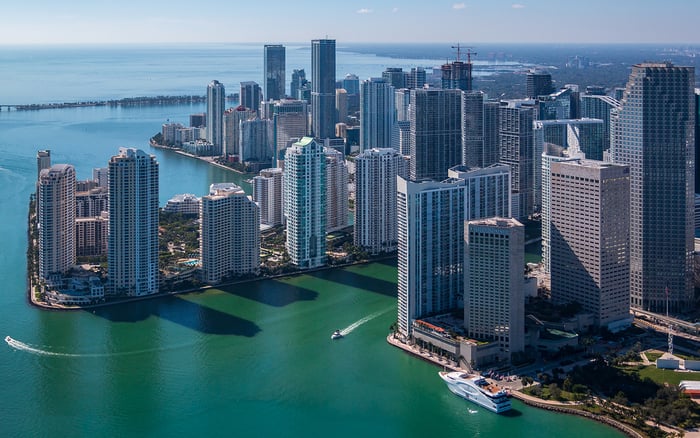
In buyer meetings for buildings in Brickell and the waterfront core, these dynamics often surface alongside lifestyle considerations. For example, in a neighborhood conversation that includes 2200 Brickell, the most valuable diligence is often not the finishes. It is confirming governance, budget discipline, and what the association requires at transfer.
When purchasing U.S. real property from a foreign seller, the buyer may have an obligation to withhold and remit tax under FIRPTA, subject to specific rules and exceptions. The general withholding rate can be 15% of the amount realized, with different rates or exceptions in certain circumstances.
In luxury closings, FIRPTA is less about the concept and more about execution: identifying the seller’s status early, understanding what documentation is required, and ensuring the closing agent is prepared to handle withholding mechanics without delaying funding or recording.
The strongest negotiations target the right categories.
Fixed or largely structural items often include statutory taxes, regulated title premiums, and recording fees. You can still optimize around them through structure and timing, but you typically cannot negotiate them away.
More flexible items include certain settlement and administrative fees, legal scope, and contract allocations of items such as documentary stamps and association fees. In a competitive setting, the goal is not always to “win” a line item. It is to control total cash outlay while preserving your ability to close cleanly.
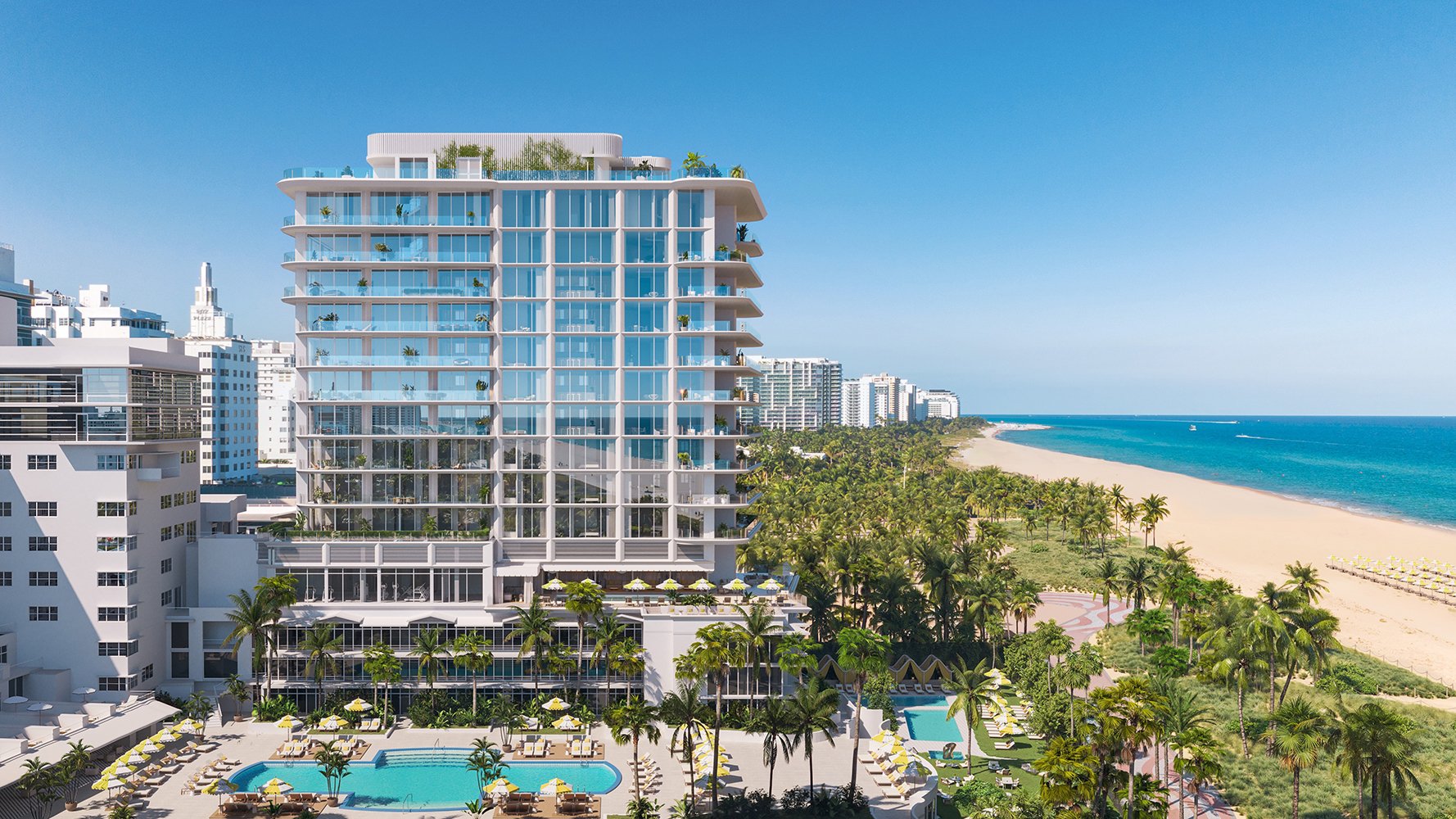
In a high-demand Miami Beach purchase, for instance, a buyer evaluating Five Park Miami Beach may decide that certainty and speed are worth more than a marginal concession-while still insisting on clarity around building fees, estoppels, and any assessment exposure.
Luxury closings reward disciplined planning.
Start with a conservative range. Use a 2% to 5% estimate for buyer closing costs, then layer in prepaids based on your insurance strategy and whether you will escrow taxes and insurance.
Decide early if you are financing. Mortgage documentary stamp tax and the nonrecurring intangible tax are mortgage-amount-driven. The choice between a large loan, a smaller loan, or cash meaningfully changes the closing statement.
Treat condo diligence as a closing-cost issue. Estoppels, transfer fees, and assessments are not afterthoughts. They are economic line items and timeline risks.
Match the team to the property. Florida attorneys are commonly involved in real estate closings, and legal fees vary by complexity. Entity purchases, high-value water-adjacent parcels, or nuanced condo regimes tend to justify deeper legal review.
This framework applies across coastal markets, from the more residential calm of Surfside, where a buyer considering The Surf Club Four Seasons Surfside may prioritize building governance and insurance posture, to Hallandale’s resort-leaning luxury where Shell Bay by Auberge Hallandale can prompt questions about association fees, services, and the practicalities of transfer.
How much should I budget for buyer closing costs in South Florida? Many buyers estimate roughly 2% to 5% of the purchase price, but luxury deals can vary widely.
Why do my “closing costs” look high even on a cash purchase? Prepaids such as insurance and tax reserves can be substantial, even when lender fees are absent.
What is the difference between closing costs and prepaids? Closing costs are transaction fees; prepaids are upfront funds for items like insurance, taxes, and interest.
Are Florida title insurance premiums negotiable? Premiums are state-regulated, but you can often shop title and settlement service fees and service quality.
What Florida taxes apply when I use a mortgage? Mortgage documentary stamp tax and a nonrecurring intangible tax apply based on the mortgage amount.
Do condo buildings charge fees at closing? Many require estoppels and may charge transfer or processing fees, depending on the building’s documents.
Can special assessments affect my purchase economics? Yes, assessments can materially change carrying costs and may need to be addressed in contract terms.
What is FIRPTA and why should buyers care? If the seller is foreign, buyers may need to withhold and remit tax, which can affect closing logistics.
Are attorney fees common in Florida luxury closings? Yes, attorneys are commonly involved, and fees vary with complexity and scope of representation.
What’s the most effective way to avoid last-minute surprises? Separate costs from prepaids early and confirm building requirements and financing timelines upfront.
For a confidential assessment and a building-by-building shortlist, connect with MILLION Luxury.
If branded residences are on your mind — as a home or as an allocation — we would be glad to share what we are seeing, privately.
Begin a quiet conversation