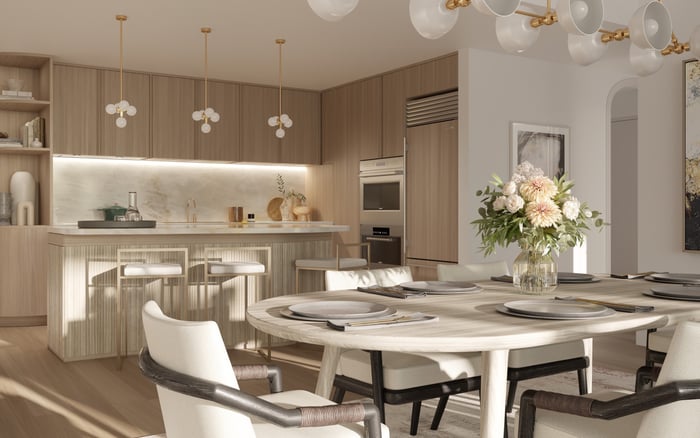
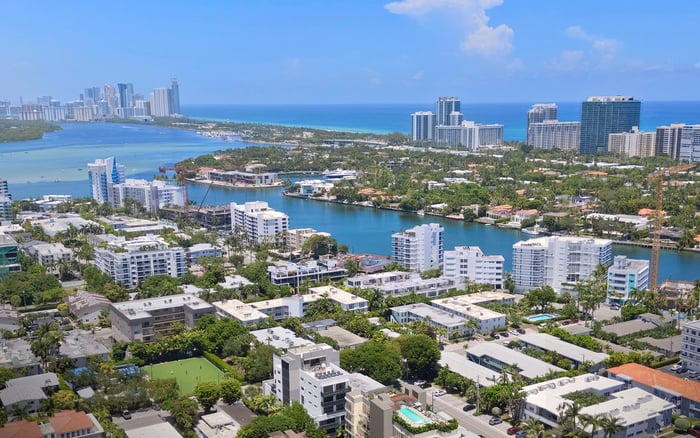
In Bay Harbor Islands, “wellness” has become less a buzzword and more a decision framework: how the building supports sleep, stress reduction, fitness consistency, and recovery without turning daily life into a scheduled production. Two new addresses, The Well Bay Harbor Islands and Alma Bay Harbor Islands, sit in the same rare pocket between Bal Harbour, Surfside, and the mainland. Yet their wellness and recovery ecosystems can feel meaningfully different in how they shape routines, privacy, and outcomes. This comparison is intentionally buyer-oriented. With limited project-specific disclosures available here, the most reliable way to evaluate both is to look at ecosystem design: the physical and operational ingredients that make wellness repeatable, and the recovery cues that turn “amenities” into habits.
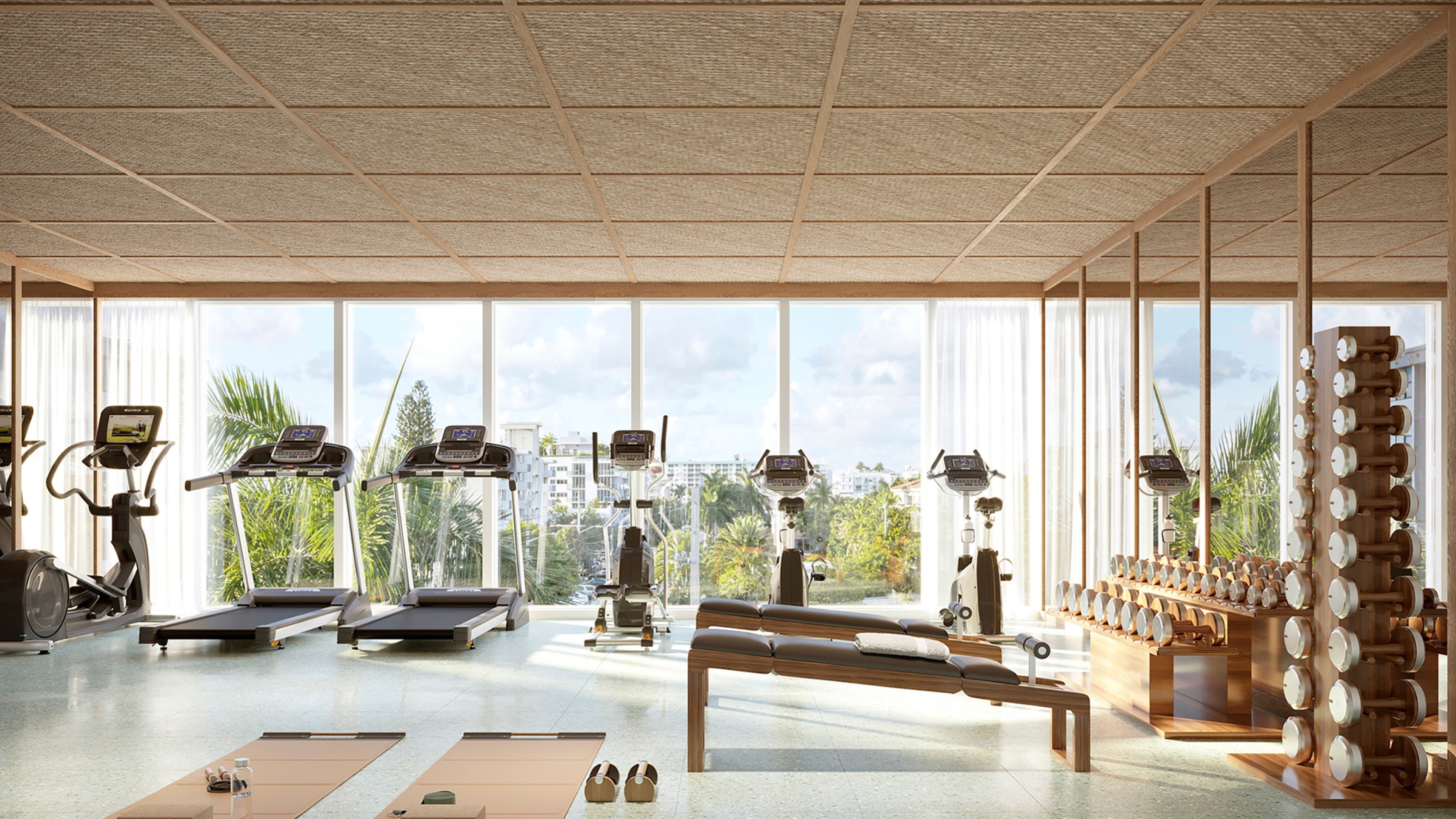
Luxury buyers rarely need another gym. What they want is a residence that makes consistency effortless and recovery intuitive. A true wellness ecosystem has three layers: health-forward building infrastructure, a resident experience that removes friction, and a neighborhood context that supports the same priorities once you step outside.
That lens is especially useful when comparing The Well Bay Harbor Islands and Alma Bay Harbor Islands. Both appeal to the same discreet set of buyers seeking Bay Harbor Islands serenity with proximity to Bal Harbour, Surfside, and Miami’s core. The real difference comes down to how “wellness” is expressed: as a defined, immersive identity or as a refined, adaptable lifestyle layer.
Wellness is the baseline: movement, hydration, sleep quality, and stress regulation. Recovery is the refinement: how quickly your body and mind return to peak after travel, training, long work cycles, or the general intensity of South Florida’s social calendar.
In a building comparison, wellness tends to show up as intuitive fitness access, calm circulation, and dependable comfort systems. Recovery shows up as privacy, sensory control (light and sound), and spaces that encourage downshifting. If you travel weekly, recovery cues can matter more than raw amenity count-the goal is to normalize faster, not add more programming.
When a building is positioned around wellness as an organizing principle, the lived experience often becomes “opt-out” rather than “opt-in.” That distinction matters. With wellness as the primary identity, common spaces tend to nudge you toward better defaults: more natural light, calmer arrival sequences, and clearer separation between social energy and restorative zones.
For buyers, the advantage is clarity. A wellness-first residence can reduce decision fatigue. Workout, decompression, and self-care rituals are designed to sit inside the building’s rhythm-not reserved for special occasions. In practical terms, that typically translates into more consistent use, because the wellness environment reads as an extension of home rather than an external destination.
The tradeoff is fit. A defined identity can be ideal when it mirrors your lifestyle, and less compelling when you prefer a more neutral backdrop. If your routine is highly personal, private, or device-driven, you may care less about an immersive ecosystem and more about quiet comfort, storage, and precise control over your own environment.
A different approach treats wellness as a premium layer within a broader luxury living concept. In that model, the wellness and recovery ecosystem is designed to serve many resident profiles: the early-morning trainer, the weekend cyclist, the family balancing school schedules, and the owner who wants quiet weekends between travel.
That flexibility can be especially compelling in Bay Harbor Islands, where buyers often want a polished, residential feel and the freedom to curate their own routines. If you view wellness less as a brand and more as an attribute, the ideal building supports your habits quietly: frictionless access to fitness and relaxation, with spaces that feel serene without being prescriptive.
When assessing Alma Bay Harbor Islands through this lens, the key question is simple: does the building make your routine easier without asking you to adopt someone else’s definition of wellness? For many, that’s the most luxurious answer.
Because project-specific details are not fully enumerated here, the most disciplined move is to run both buildings through the same recovery audit during tours, presentations, and document review.
First: arrival and transition. Recovery starts the moment you come home. Notice whether the approach feels calming or stimulating. A quiet, composed arrival helps your nervous system downshift, especially after airport transfers or client-facing days.
Second: resident-only flow. The best recovery spaces are the ones you will actually use-and usage is often decided by privacy. Ask how wellness areas are accessed, how they’re separated from high-traffic zones, and whether the path feels intentionally resident-focused.
Third: sensory control in the residence. Even the most spa-like amenity can’t compensate for poor sleep. Evaluate window orientation, blackout potential, and any obvious noise exposure. In South Florida, one of the most valuable luxuries is uninterrupted rest.
Fourth: hydration and heat tolerance. In a climate where heat and humidity shape daily movement, recovery depends on how comfortable you feel before and after a workout. Pay attention to how the building handles transitions: from outdoor sun to indoor cool, from gym intensity to calm.
Fifth: the habit loop. The best wellness ecosystem is the one you can repeat without negotiation. Ask yourself: could I do this on a Tuesday at 6:30 a.m., or after a late dinner-not just on a perfect Saturday?
Wellness doesn’t stop at the property line. Bay Harbor Islands is compelling precisely because it supports recovery-minded living beyond the lobby: calmer streets, walkability, and quick access to the beaches and Bal Harbour energy when you want it.
This “spillover” matters even more if your building’s wellness concept is intentionally understated. A flexible wellness layer inside the residence can pair beautifully with the neighborhood’s calmer cadence. Conversely, a wellness-forward identity can feel even more immersive when the surrounding environment is already quieter and more residential.
For context, buyers considering Bay Harbor Islands often cross-shop nearby boutique waterfront options such as Onda Bay Harbor or other addresses that emphasize privacy and a refined sense of scale. The point is not sameness-it’s alignment. Your wellness routine should be supported by both building and neighborhood.
In luxury real estate, value is rarely about adding more features. It’s about reducing friction and improving outcomes. Wellness value has three practical markers.
One: repeatable design. The building should make healthy choices easier than unhealthy ones. You shouldn’t need willpower to find calm.
Two: personalization. The best wellness ecosystem flexes to your standards. Some residents want an energized training environment; others want a restorative, minimal-sensory palette.
Three: longevity. Wellness amenities that age well are the ones that stay relevant as your life changes: from intensive training to joint-friendly movement, and from high social bandwidth to quieter weekends.
If you want to sanity-check what longevity feels like in a different South Florida context, consider a wellness-forward coastal lifestyle like 57 Ocean Miami Beach. Location and light can shape the wellness experience before you ever enter an amenity space-reinforcing the broader truth that the ecosystem is always bigger than the brochure.
Choose a wellness-first identity when you want your residence to actively steer your habits. This can be ideal for buyers who thrive on structure, appreciate curated wellness culture, or want the building to function as a daily reminder of priorities.
Choose a flexible wellness layer when you want the residence to support your routine without defining it. This often suits buyers who already have their own trainers, protocols, and travel cadence-and who value calm luxury more than a signature wellness narrative.
Both paths can be right. What matters is whether the ecosystem matches your actual week, not your aspirational one.
Is The Well Bay Harbor Islands more wellness-focused than Alma Bay Harbor Islands? The Well Bay Harbor Islands is positioned with wellness as a defining concept, while Alma Bay Harbor Islands can suit buyers seeking a more discreet, adaptable wellness lifestyle.
What should I prioritize for recovery if I travel frequently? Prioritize sleep support, privacy, and easy transitions from arrival to calm, since recovery is often limited by friction and overstimulation.
Are wellness amenities as important as in-residence comfort? Not always. Consistent sleep, quiet, and temperature comfort inside the residence typically drive recovery more than amenity variety.
How can I evaluate a building’s wellness ecosystem during a tour? Walk the resident path to fitness and relaxation areas and note privacy, noise, light quality, and how effortless it feels to use day to day.
Does Bay Harbor Islands support an outdoor wellness routine? Yes. The area’s calmer pace and proximity to beaches and nearby neighborhoods can make walking and decompression easier to maintain.
Which is better for a family schedule, The Well or Alma? The better fit is the one that reduces scheduling friction for your household, especially around mornings, evenings, and weekend routines.
What makes a recovery space feel truly luxurious? Privacy, sensory control, and a calm arrival sequence usually matter more than high-intensity design or social visibility.
How do I think about wellness if I already have trainers and providers? Choose a building that supports your existing routine with convenience and calm, rather than one that replaces your established program.
Is it worth paying a premium for wellness positioning? It can be-if it changes your daily behavior. The best premium is the one that becomes a year-round habit.
Can I compare these buildings to other nearby boutique projects? Yes. Cross-shopping can clarify whether you want a wellness identity or simply privacy and ease, similar to options like Onda Bay Harbor.
For a discreet conversation and a curated building-by-building shortlist, connect with MILLION Luxury.
If branded residences are on your mind — as a home or as an allocation — we would be glad to share what we are seeing, privately.
Begin a quiet conversation