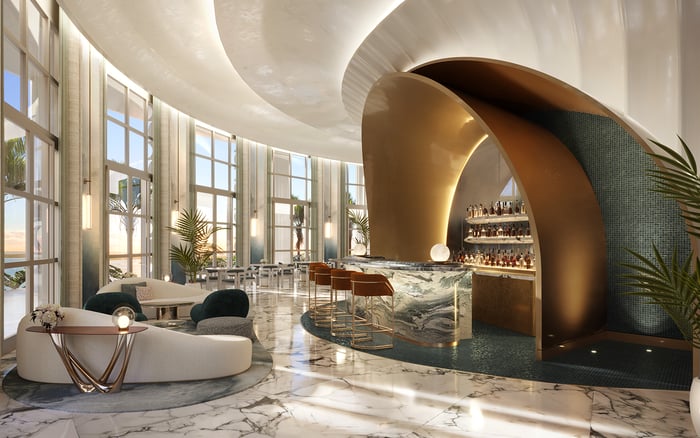
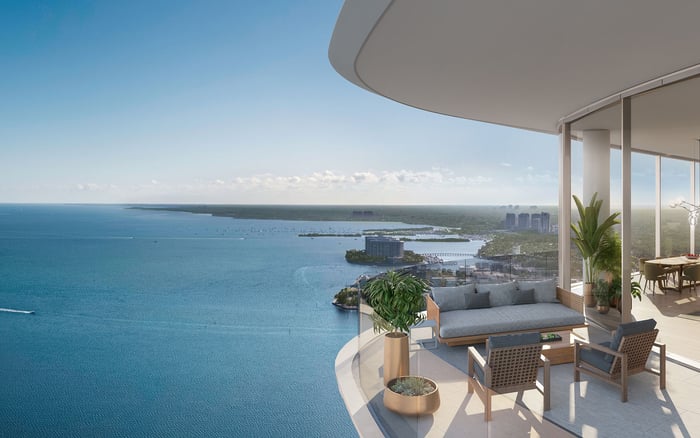
Penthouse and lanai residences deliver two very different versions of “indoor-outdoor” living in South Florida. One trades height for hush, horizon views, and rooftop-level separation. The other prioritizes immediacy: step-out patios, quick access to amenities, and a house-like rhythm within a full-service building. The better choice is less about status and more about how you move through your day, how you use exterior space, and how comfortable you are with maintenance and governance rules that can be more complex than they look at a showing.
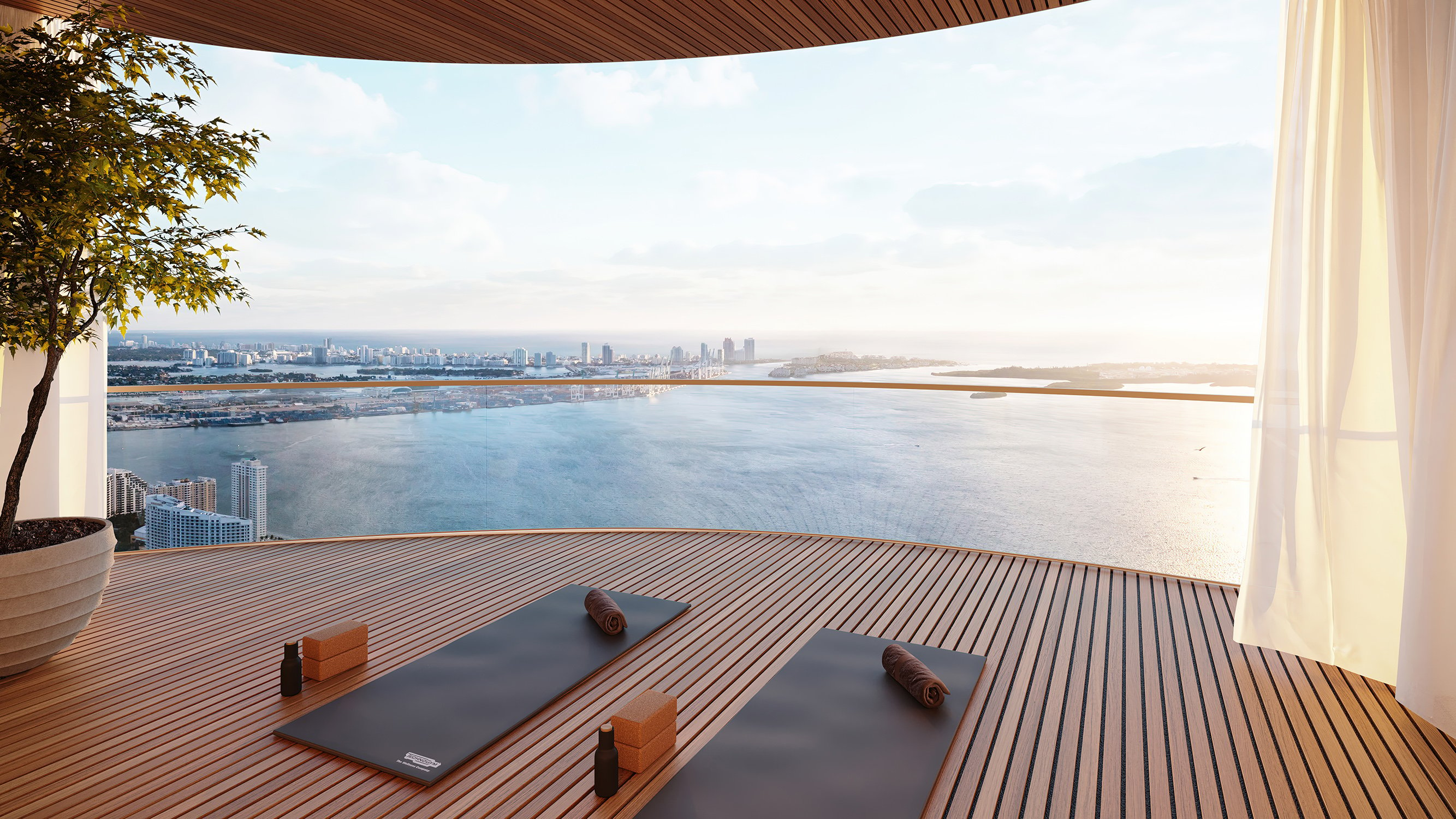
In South Florida, “outdoor space” is not a bonus. It is a daily room, a climate advantage, and often the deciding factor in how a residence feels at 7 a.m. and at 10 p.m. A penthouse typically crowns a condominium building and is associated with expansive private exterior areas such as terraces or rooftop decks. Lanai residences, by contrast, are generally lower-floor homes defined by a large patio or deck-like outdoor zone that functions almost like a private yard. Both can be exquisitely luxurious. The difference is the choreography of life: how you arrive, how you entertain, how you move between pool and home, and how much you value being above the building versus integrated with it.
The penthouse proposition is simple and enduring: exclusivity, privacy, and the psychological relief of having no one above you. In practical terms, that often translates to fewer immediate neighbors, less overhead footfall, and a degree of separation that can feel closer to a private residence than a typical condo floor. The outdoor component is often the headline. Rooftop-scale terraces can support distinct “zones” rather than a single balcony moment: dining, sun, shade, and sometimes a garden-like setting. For buyers who host, that hierarchy matters. Guests are not just stepping outside; they are moving through an exterior plan. That said, the highest home in the building tends to carry the highest financial and operational burden. Purchase price and recurring costs frequently run higher than comparable residences below. Even when the premium is not a constraint, it is worth understanding what drives it: larger exterior footprints, specialized glazing, elevated mechanical demands, and the building’s approach to maintaining complex terrace systems. In Brickell, where the brand of vertical living often includes dramatic skyline framing and service-forward amenity programs, penthouse buyers typically gravitate to towers designed to make arrival and privacy feel deliberate. For a lens on that kind of positioning, consider 2200 Brickell as an example of the neighborhood’s ongoing refinement.
A lanai residence is not trying to be the top of the world. It is aiming to be the most usable version of daily life. Lanais are typically associated with lower floors and a generous outdoor patio that extends the living room into the open air. For many South Florida buyers, that creates a more villa-like cadence: coffee outside without an elevator ride, a direct relationship to landscaping, and a shorter path between home and the pool deck. The convenience factor is real. Lower-floor living can reduce reliance on elevators and make amenities feel like extensions of your own space rather than destinations. For a buyer who trains daily, travels frequently, or wants children and guests to flow between indoors and outdoors with minimal friction, the lanai can feel more natural than any rooftop terrace. The tradeoff is exposure. Proximity to common walkways, pools, or gardens can introduce privacy challenges that a penthouse typically does not face. The best lanai experiences address this with thoughtful screening, landscaping, and sightline control, but buyers should evaluate it at the right time of day and on a typical-use schedule, not during a quiet midweek showing. In Miami Beach, where walk-out living can be particularly compelling for those who prioritize sand-adjacent routines and quick transitions between wellness and social life, the ground-connected alternative often resonates. A project like 57 Ocean Miami Beach captures why buyers continue to prize easy, elegant access to the outdoors.
Terraces, rooftops, patios, and lanais can look deceptively straightforward. In a condominium, what you assume is “yours” may be defined as part of the unit, a limited common element, or a common element with restricted use. That distinction can determine responsibility for waterproofing, pavers, railings, drains, and even planters. For luxury buyers, the stakes are not only financial, they are experiential. If a terrace surface is under association control, your ability to change finishes, add shading structures, or adjust drainage details may require approvals and coordination. If it is part of the unit, you may have more control, but also more direct maintenance responsibility. Either way, proper due diligence is not a quick glance at a floor plan. It is a close read of the declaration, rules, and any recent engineering or maintenance communications that touch exterior areas. This is also where the penthouse-versus-lanai choice becomes more than a mood board. The larger and more complex the exterior envelope, the more you want clarity on responsibility, maintenance cadence, and what happens when something fails.
South Florida rewards outdoor living, and it punishes complacency about exterior systems. Water intrusion is a common management issue in multifamily buildings and typically requires a clear process for documenting, assigning responsibility, and remediating the cause. For the luxury buyer, the concern is not only the leak itself. It is the timeline, the coordination between unit owner and association, and the ease with which a building can execute repairs without turning your home into a prolonged construction site. Balconies and terraces also carry safety and liability implications for a building over time. Coatings, corrosion, and drainage performance matter. In a penthouse, where exterior areas can be expansive and more exposed to wind-driven rain, the complexity can be higher. In a lanai, the interfaces between patio surfaces, landscaping, and adjacent common areas can introduce different points of vulnerability. The practical takeaway: treat outdoor square footage as engineered square footage. Ask not only “Is it beautiful?” but “How is it built, maintained, and governed?”
Buyers often assume height equals quiet. In reality, noise outcomes are heavily influenced by construction assemblies, mechanical systems, and building conditions. A penthouse without an upstairs neighbor can reduce one common pathway for sound, but it does not automatically solve lateral noise, equipment vibration, or external sound sources. Similarly, a lanai can be serene if the building’s planning buffers foot traffic and if glazing and wall assemblies perform well. Or it can feel exposed if the unit fronts a heavily used circulation path. Evaluate the specific adjacency: service corridors, amenity decks, loading zones, and mechanical rooms often matter more than the marketing term.
South Florida’s condo market has absorbed a structural reset in how buildings are scrutinized. Lending, insurance, and regulatory attention to structural conditions and reserve funding has increased. For a luxury buyer, this is not simply a compliance topic. It is a value topic. Exterior areas sit at the intersection of lifestyle and risk. Larger terraces and more elaborate waterproofing systems can be extraordinary when managed well, and problematic when deferred. A lanai’s proximity to common grounds can be a delight, but it also means you should pay close attention to how the association maintains landscaping, irrigation, and adjacent surfaces. In buildings and neighborhoods that command global attention, disciplined stewardship tends to be a selling point in itself. On Fisher Island, for example, the expectation of privacy and meticulous operations is part of the appeal, and projects such as Palazzo del Sol are often considered through that lens.
One of the most common lanai fantasies is to “just enclose it” and add interior square footage. In Florida, converting a condominium lanai into interior living space can trigger permitting and building-code requirements and may require local review. Beyond permitting, condominium rules and architectural controls can be decisive, even when a change seems minor. For buyers who want a true indoor-outdoor room with air-conditioned optionality, it can be smarter to purchase the right configuration upfront rather than assuming conversion will be simple. The more you value certainty, the more you should treat any enclosure plan as a pre-purchase feasibility exercise, not a post-closing project.
Penthouse buyers tend to value:
A sense of retreat and altitude, with a preference for privacy and fewer immediate neighbors.
Entertaining that benefits from a dramatic exterior setting and elevated views.
Separation from amenity traffic and a quieter arrival experience.
Lanai buyers tend to value:
Fast, frictionless transitions between home, outdoors, and amenities.
A more residential, villa-like daily rhythm with a meaningful patio.
The ability to live with doors open in season, with outdoor space used constantly.
If you want a second home that behaves like a resort suite, a penthouse can feel ceremonious and contained. If you want a condo that behaves like a modern townhouse, a lanai can feel intuitive. For buyers who split time between Palm Beach and Miami, the preference often tracks with how much they prioritize walking routines and neighborhood scale. In West Palm Beach, a full-service building such as Alba West Palm Beach can be a useful reference point for a lifestyle where amenities and daily convenience are part of the residential equation.
Is a penthouse always the top floor? A penthouse is generally the topmost unit or units in a building, often with notable private outdoor space.
Are lanai condos always on the ground level? They are typically on lower floors and defined by a large patio or deck-like outdoor area.
Do penthouses usually have fewer neighbors? Often yes, and having no one above you is a core privacy benefit many buyers value.
Is a lanai more convenient than a high-floor unit? Frequently, because it can reduce elevator dependence and place you closer to amenities and outdoors.
Are penthouses always quieter? Not necessarily; noise depends heavily on construction, mechanical systems, and building conditions.
Who maintains a terrace or lanai in a condo? It depends on whether the area is part of the unit or a common or limited common element under condo rules.
Should I worry about water intrusion with large outdoor space? Yes; water infiltration is common in multifamily buildings and demands clear documentation and remediation.
Can I enclose a lanai to create interior space? It can require permits and approvals, and condo rules may limit what is allowed.
How has the post-Surfside environment changed condo buying? Structural conditions and reserve funding receive more scrutiny, affecting financing, insurance, and marketability.
Which is better for entertaining: penthouse or lanai? Penthouses suit view-driven events; lanais excel at seamless indoor-outdoor flow and amenity adjacency.
Explore South Florida residences with MILLION Luxury.
If branded residences are on your mind — as a home or as an allocation — we would be glad to share what we are seeing, privately.
Begin a quiet conversation