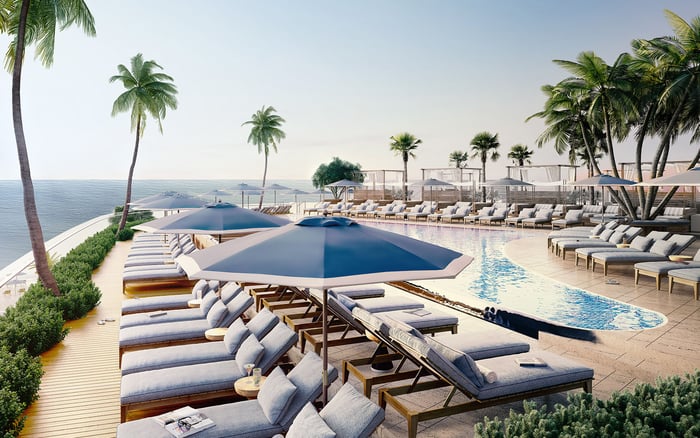
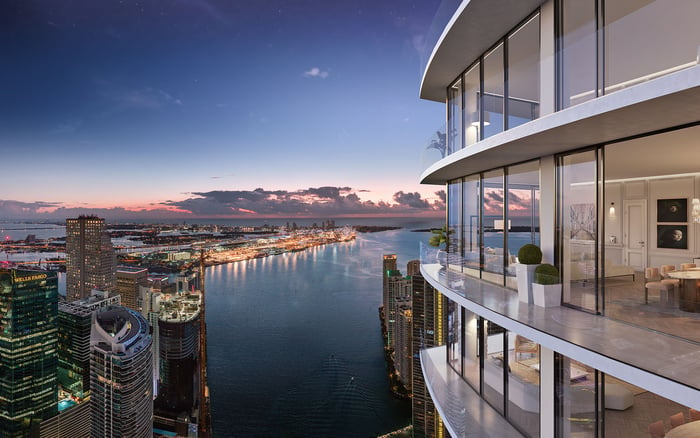
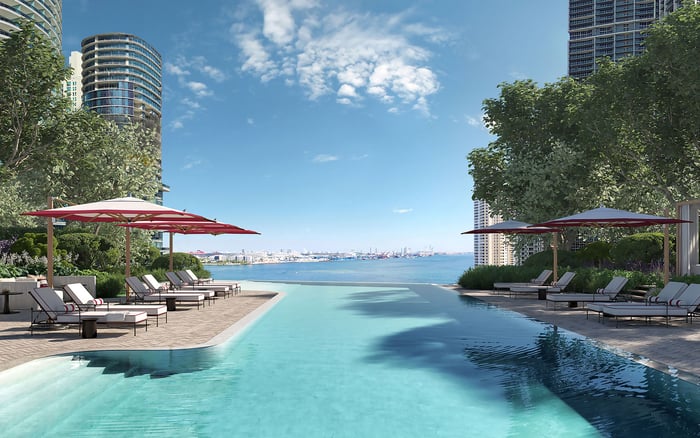
In South Florida, the modern penthouse is no longer just about altitude and views. The most coveted residences now treat the roof as a private resort: garden rooms for entertaining, plunge pools for post-beach decompressing, and terraces designed to feel like outdoor living rooms. This guide breaks down what makes rooftop living work in Miami’s coastal environment, from privacy and access to wind exposure, waterproofing, and ongoing maintenance. It also offers a practical, luxury-buyer checklist for evaluating rooftop spaces across Brickell, Miami-beach, and Coconut-grove.
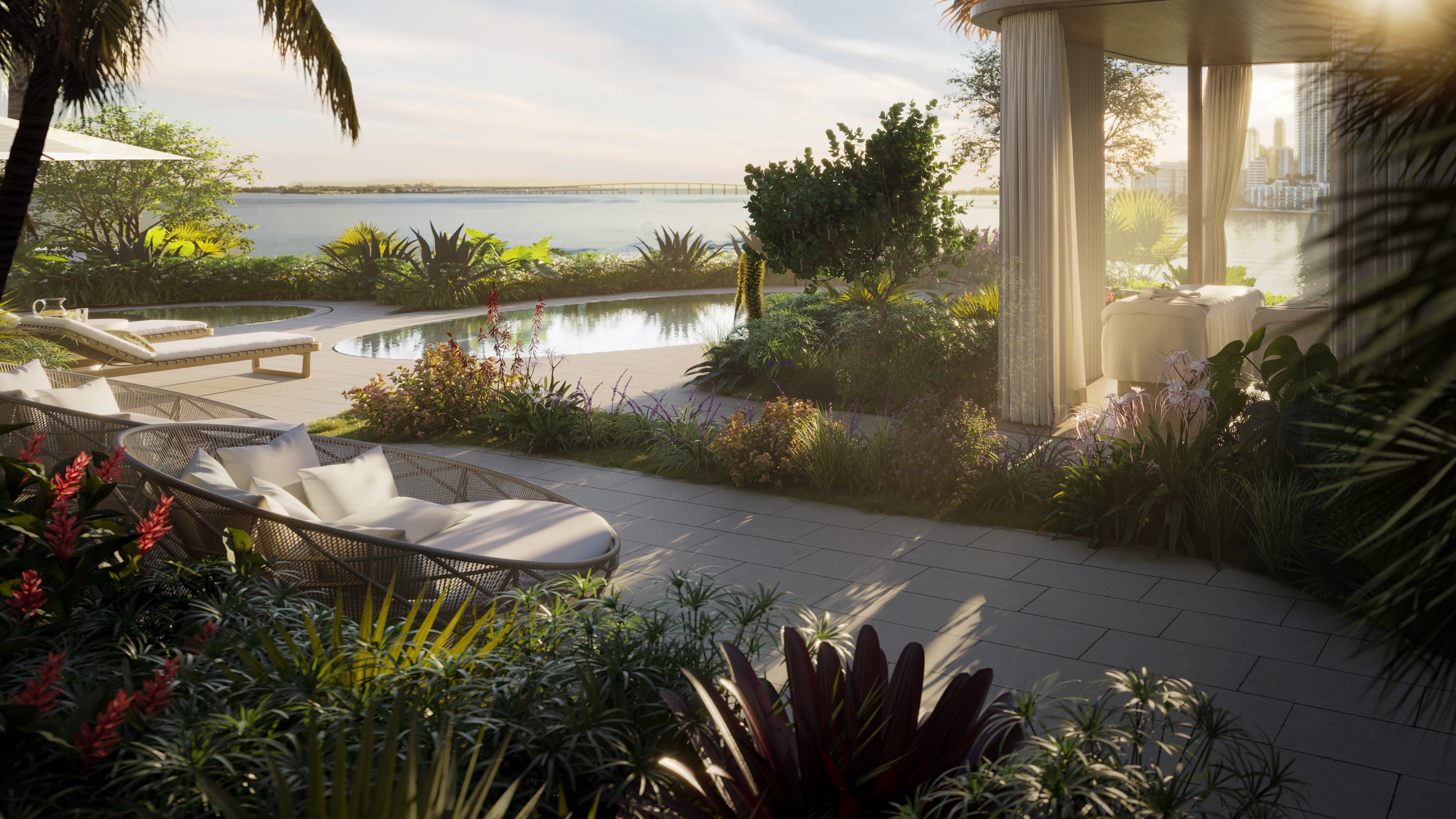
Miami has always rewarded living above the horizon line, but the most compelling penthouse narrative today is not limited to altitude and views. It is the experience of stepping outside and finding a true private landscape: a garden that softens the skyline, a pool that turns sunset into a repeatable ritual, and a terrace that functions like an outdoor residence rather than an oversized balcony.
For many ultra-premium buyers, rooftop living answers a specific South Florida desire. You may want the immediacy of Brickell or the calm, residential character of Coconut-grove, yet still expect the privacy and autonomy of an estate. A well-executed rooftop can deliver that combination, particularly when it is designed for year-round use instead of occasional, photo-friendly moments.
This guide focuses on what discerning buyers should look for when evaluating Miami penthouses that promise private gardens and pools. With coastal realities in mind, the goal is to help you distinguish truly livable rooftop offerings from spaces that photograph beautifully but demand constant compromises.
A rooftop garden is not simply decoration. In a market where many properties compete on similar view corridors and interior finishes, a private landscape becomes a differentiator you feel in daily life. It changes how a penthouse lives, not just how it presents.
Done well, rooftop greenery introduces three forms of value that are easy to underestimate:
First, it creates intimacy at scale. A high-rise terrace can feel expansive and exposed. Layered planting, hedging, and curated specimen greenery can carve the roof into outdoor rooms that feel sheltered without reading as closed off.
Second, it refines the acoustics of outdoor living. Soft landscaping can reduce the perception of city noise and wind movement, helping outdoor dining and conversation feel more composed.
Third, it supports privacy. Strategic planting can screen sightlines from neighboring towers and limit unwanted visibility, especially when paired with thoughtful lighting, seating placement, and circulation paths.
In South Florida, a rooftop garden is also a test of execution. A lush space on day one is not the same as a resilient space after multiple seasons of sun, salt air, and storm cycles. When a listing promises a “garden,” consider what that means operationally, not only aesthetically. Ask how irrigation is managed, how drainage is handled, and how the planting plan has been selected for rooftop exposure.
A garden that is intended to be lived in should have a plan for routine upkeep and a layout that supports real use: shaded seating, dining that does not feel gust-prone, and pathways that remain safe and clean during heavy rain. The best rooftop gardens look effortless because the infrastructure underneath them is anything but.
A private rooftop pool is the apex amenity because it is both emotional and functional. It offers a daily reset that does not require an elevator ride, a reservation, or a shared deck. In a city where wellness and outdoor living shape the lifestyle conversation, a private pool can be the difference between admiring Miami and inhabiting it.
At the same time, pools amplify complexity. A rooftop pool often signals additional structural considerations, a higher standard of waterproofing, rules around equipment placement and sound, and a more involved maintenance cadence. Even when a pool is permitted and properly engineered, the owner experience can vary dramatically based on how the building manages service access, noise sensitivity, and scheduling for vendors.
As you evaluate a rooftop pool, focus less on the wow factor and more on the lived experience:
Consider wind and comfort. Breezeways, open corners, and exposure to higher elevations can make the deck feel cooler or more intense than expected. A pool that is delightful on a calm day can feel underused when wind is up.
Consider privacy at eye level. The most successful pools feel integrated into the rooftop plan, not positioned where every adjacent building has a direct view of the deck.
Consider how the pool connects to shade and dining. The most usable rooftops create a natural flow between sun, shade, lounging, and entertaining. If everything congregates in one exposed zone, the roof may be technically impressive but practically limited.
If you are comparing rooftops across Miami-beach and Brickell, remember that the microclimate can feel different by the water versus inland. What reads breezy and perfect at one property may feel windy and less comfortable at another. When possible, tour in more than one set of conditions and pay attention to how the roof actually feels.
In South Florida, a rooftop is a high-exposure surface. The elements are not a secondary concern. They are the design brief.
When you evaluate a rooftop garden or pool deck, the key questions are not only “Is it beautiful?” but also “Is it built for this exact climate?” Luxury finishes can look elevated on day one and still perform poorly outdoors over time, especially when detailing, drainage, or fastening systems are not designed for persistent sun, salt, and weather swings.
Look for evidence of intention in materials and transitions. Then verify what you can through documentation, inspection, and clear answers from the building.
Key areas to scrutinize during due diligence include:
Waterproofing strategy and drainage performance. Rooftops often fail quietly at first. Ask how water is directed away from doors, planters, and structural transitions. Look for signs of past staining, patchwork repairs, or areas where water appears to pool after rain.
Planter construction. Integrated planters can be elegant, but they must be engineered for irrigation, drainage, and root management. Poorly conceived planters can become a recurring source of leaks, staining, and ongoing maintenance.
Surface temperature management. Some stone and tile can become uncomfortably hot in peak sun. Shade structures, furniture placement, and material selection matter more than many buyers expect when imagining daily use.
Corrosion exposure. Salt air accelerates wear on hardware, railings, outdoor kitchens, and mechanical elements. Even within Miami-Dade, exposure can vary by proximity to open water and by the roof’s orientation.
Ask practical questions early and confirm what the building allows. A rooftop that can be upgraded over time is valuable, but only if the condo governance and engineering realities support those improvements. The goal is not to avoid rooftops that require care, but to understand the care before you commit.
For ultra-luxury buyers, rooftop living is as much about the choreography of privacy as it is about outdoor square footage. The best rooftop penthouses feel like you arrive into a private world, with transitions that are discreet and effortless.
Start with access. Is the roof reached via a direct internal staircase? A private elevator stop? A shared corridor that requires passing through public rooftop areas? The difference between “private rooftop” and “exclusive use of a portion of the roof” can be meaningful, especially for buyers who entertain frequently or value quiet routines.
Then consider how the space feels acoustically and socially. Rooftop decks can transmit sound, and they can also amplify a sense of exposure. A terrace that seems serene at midday can feel more public at night if neighboring rooftops are active.
Context matters across South Florida. In Coconut-grove, where buyers often prioritize a residential feel, rooftop privacy can be reinforced by green canopy and a lower-rise environment. In Brickell, it often involves shielding sightlines from adjacent towers and softening the city’s vertical intensity. In Miami-beach, it can mean balancing ocean-adjacent breezes with the desire for a calm, private lounge atmosphere.
A rooftop is not private simply because it is high. It is private when the plan, landscaping, and building logistics work together to protect how you live.
Rooftop living can be intoxicating on a first tour. The sea air, the skyline, and the idea of a private garden dinner party land quickly. The best purchases happen when the romance is followed by disciplined confirmation.
Use this checklist as a practical framework:
Confirm exclusivity and legal rights. “Private” can mean different things. Confirm whether the rooftop is deeded as part of the residence, granted as a limited common element for exclusive use, or governed by specific building rules.
Confirm alteration policies. If you intend to add or modify landscaping, shade structures, outdoor kitchens, fire features, or water elements, confirm the approval process and restrictions. What is allowed in concept can be limited in execution.
Confirm service access and logistics. How do landscapers, pool technicians, and delivery teams reach the roof? Are there service hours? Are there elevator padding rules? These details affect daily life and ongoing upkeep.
Confirm load considerations and planters. A garden implies weight. Even if a rooftop is already landscaped, understand how planters are designed and whether future changes require engineering review.
Confirm wind mitigation and furniture strategy. Rooftop furniture should be selected for coastal exposure. Ask what the building recommends and consider where items are stored or secured when weather changes.
Confirm water management. Rooftops should drain cleanly. Ask how water is captured and directed, and request documentation if available.
Confirm insurance and responsibility boundaries. Determine what the association covers versus what the owner maintains, especially around waterproofing membranes, planters, and any pool equipment.
Confirm sound, lighting, and entertaining rules. Some buildings have quiet hours and lighting guidelines that shape rooftop use. If you value late dinners outdoors, confirm that your lifestyle aligns with governance.
If any item raises uncertainty, treat it as a conversation to clarify rather than a reason to abandon the category. Rooftop penthouses can be extraordinary, but they reward buyers who think like long-term stewards.
The most successful rooftop environments feel like complete homes with an exterior dimension, not a single outdoor rectangle. They are planned, furnished, and maintained the way you would plan a primary living area.
A strong rooftop plan typically includes:
A shaded living zone. This is where you will actually spend time. Shade can come from architectural overhangs, pergolas, or movable umbrellas, but the objective is consistent comfort, not occasional relief.
A dining zone with wind awareness. At higher elevations, wind can change how a table performs, from napkins to candles to conversation. Proper placement, screening, and furniture selection can make dining a weekly ritual instead of a rare event.
A cooking and beverage moment. Even a minimal outdoor kitchen component improves entertaining and daily use. Confirm venting requirements and building policies before you assume it can be added or expanded.
A pool or plunge zone that does not dominate the roof. When the pool is integrated, the deck reads like a resort. When it is oversized or awkwardly placed, it can reduce the usability of the remaining terrace and compromise circulation.
A garden strategy that provides softness and structure. Think of the garden as architecture made of living materials. It should create rooms, sightlines, and privacy, while still preserving the view corridors that made you look up in the first place.
If you are considering renovations, work with professionals who understand coastal detailing. The best rooftop projects in South Florida respect wind loads, drainage realities, and the importance of clean transitions between interior and exterior.
Rooftop living in Miami is not one experience. It is a spectrum shaped by neighborhood context, exposure, and the rhythm of daily life.
In Brickell, rooftops often function as a counterbalance to an urban cadence. Buyers gravitate toward terraces that feel like private retreats, with screening, layered lighting, and a layout that softens the skyline at night. The value proposition is immediacy: step out, reset, and return to the city within minutes.
In Miami-beach, the rooftop lifestyle leans into coastal mood. Buyers often prioritize a serene deck that pairs with early mornings and post-beach afternoons. Because ocean-adjacent exposure can be intense, the difference between a comfortable rooftop and an underused one often comes down to shade design, furniture durability, and wind-aware planning.
In Coconut-grove, rooftop living can read like a private garden above the neighborhood’s leafy character. Buyers respond to green-forward terraces that feel residential and calm. Here, the rooftop becomes an extension of a lifestyle oriented around walkable streets, parks, and a quieter pace.
Across all three, a penthouse with a truly livable roof tends to hold its own in the luxury conversation because it offers a scarce combination: vertical privacy plus genuine outdoor ownership.
If you are calibrating what “modern Miami rooftop living” can look like in today’s market, it can help to browse a contemporary development presentation even before you tour resales. For a neutral reference point, explore Five Park Miami Beach.
Use any project site as a visual vocabulary tool, not as a substitute for due diligence. The best match still comes down to how the rooftop is executed, governed, and maintained, plus how well it aligns with your day-to-day patterns.
A rooftop shows differently depending on the hour, the heat, and the wind. If possible, schedule your tour with intention and treat the roof like a primary living area, not a bonus.
Tour once in peak sun if you can. This reveals heat management, glare, and the real usefulness of shaded zones.
Tour once when the wind is up. You will learn more about comfort, noise, and furniture practicality in 15 minutes of real wind than in any brochure.
Stand at the edges and sit in the intended lounge area. The best rooftops protect you psychologically as well as physically. If you feel on display, you will use the space less.
Check transitions. Door thresholds, drainage grates, and the interface between interior flooring and exterior decking are where long-term issues often show up first.
Ask where equipment lives. Pool systems, irrigation controls, and lighting transformers should be logically placed, discreet, and serviceable.
Finally, map the rooftop to your actual life. Are you hosting formal dinners or casual weekends? Do you want a quiet morning garden, or a social deck at night? Is the pool for exercise, family time, or atmosphere? A rooftop is expensive to own and maintain, so its function should be personal, specific, and clear.
Miami’s most memorable penthouses do not simply sit above the city. They create a private horizon where outdoor life is as considered as interior life.
A rooftop garden adds softness, comfort, and privacy to vertical living. A rooftop pool adds ritual and relief. A well-planned terrace delivers the everyday luxury that turns a rare view into a daily sanctuary.
As you evaluate rooftop offerings across Brickell, Miami-beach, and Coconut-grove, prioritize execution over spectacle. Ask how the space performs in real weather, how it is governed, and how it is likely to feel a year from now. The most valuable rooftop is the one you will actually live on.
How do I confirm whether a rooftop is deeded to the residence or granted as exclusive use?
Review the condo documents and the listing’s legal description, then confirm with the association or your representative whether the rooftop is deeded, a limited common element for exclusive use, or subject to specific rules.
What rooftop maintenance responsibilities typically stay with the owner versus the association?
Clarify responsibility boundaries in writing. Associations often manage certain building-level components, while owners may be responsible for routine care and any rooftop features tied to their exclusive area, including landscaping, equipment servicing, and repairs as governed by the building.
What should I look for to assess waterproofing and drainage on a rooftop terrace?
Look for clean drainage paths, thoughtful transitions at doors and planters, and any signs of staining or patch repairs. During due diligence, ask how water is directed off the roof and request any available documentation on waterproofing work and maintenance.
How can I evaluate wind comfort and privacy around a rooftop pool during a tour?
Spend time in the actual lounge and pool zones, not just at the view edge. Visit in varied conditions if possible, note sightlines from nearby buildings, and assess how screening, planting, and seating placement affect comfort.
If rooftop living is part of your Miami criteria, align your tour plan with your lifestyle priorities and verify governance, access, and maintenance realities early so the property you choose performs as beautifully as it presents.
Ready to tour rooftop-ready penthouse options with discretion through MILLION Luxury?
If branded residences are on your mind — as a home or as an allocation — we would be glad to share what we are seeing, privately.
Begin a quiet conversation