Two Florida coastlines, one storied flag. Waldorf Astoria’s South Florida expansion presents a rare choice: a vertical, skyline-defining Miami residence paired with a quieter oceanfront expression in Pompano Beach. Both lean on the brand’s signature hospitality language, yet they deliver fundamentally different daily rhythms, amenity priorities, and long-term use cases. This guide breaks down what’s publicly known, where each concept is strongest, and how discerning buyers are framing the decision today.
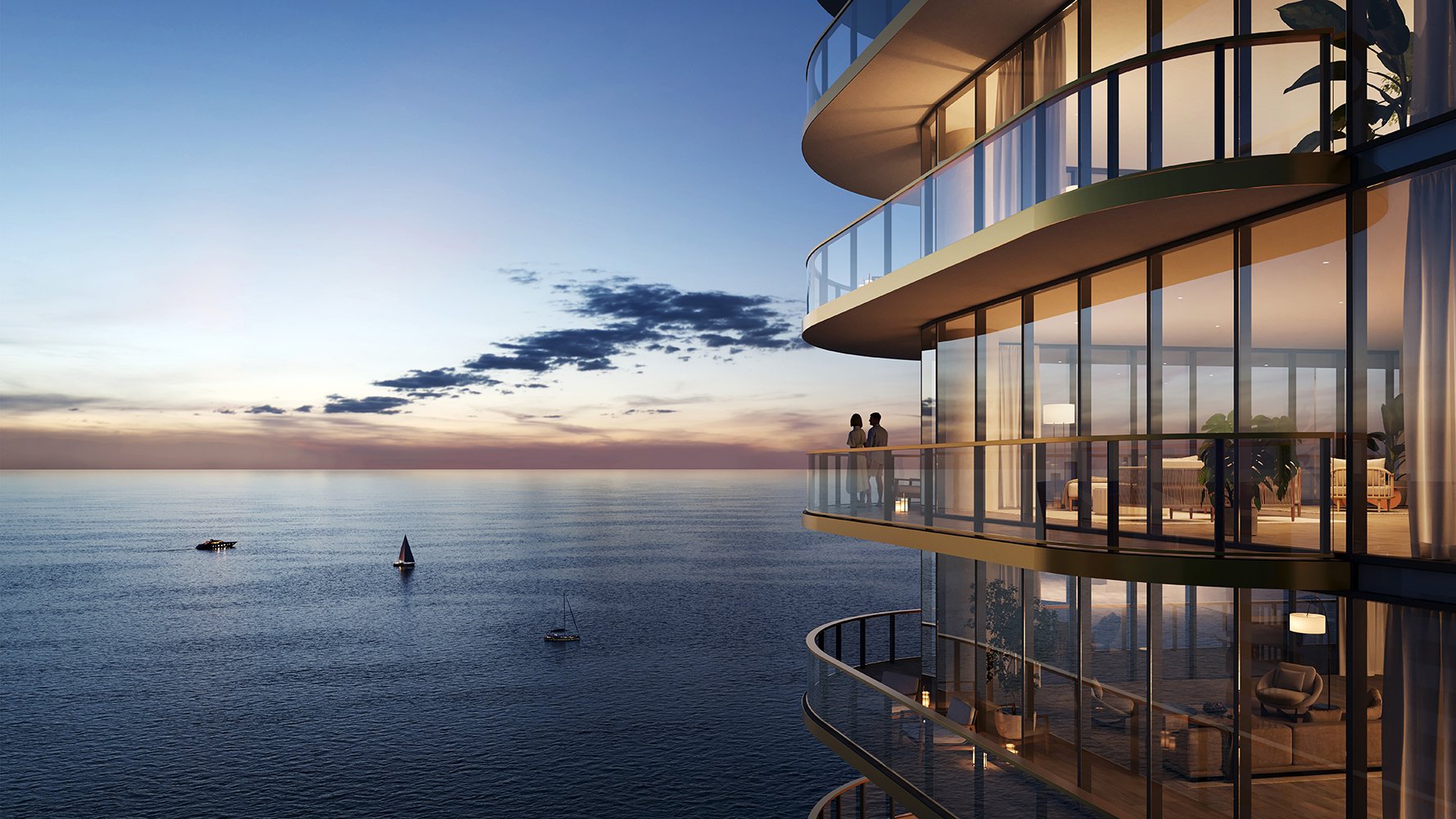
Waldorf Astoria’s arrival in two distinct South Florida settings creates a nuanced decision for buyers who already understand the language of branded living. The choice isn’t simply “Miami versus the beach.” It’s hotel-integrated, skyline-forward ownership in an urban core versus a stand-alone residential tower designed around oceanfront privacy and a quieter daily rhythm. In Downtown, Waldorf Astoria Miami is planned as a roughly 1,049-foot supertall, composed of nine offset glass cubes, an architectural gesture that reads as collectible design rather than conventional tower-making. In Pompano Beach, Waldorf Astoria Residences Pompano Beach is a 28-story oceanfront building with 92 residences, positioned as the brand’s first stand-alone residential property, meaning the residences are not paired with an on-site Waldorf Astoria hotel. For buyers weighing the two, the clearest lens is lifestyle engineering: how you want the building to support your days, how much energy you want around you, and what “service” should feel like when home is also a retreat.
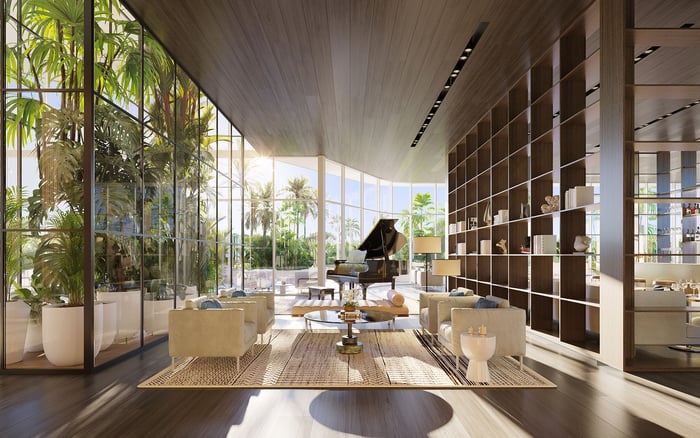
Waldorf Astoria Miami is conceived as a mixed-use address, pairing a hotel program with a residential component. Publicly disclosed figures indicate 205 hotel rooms and suites and 360 condominium residences. That pairing is material: hotel integration typically delivers a fuller daily ecosystem, arrivals, dining, concierge activity, and public-facing spaces that can make the building feel like a private club with momentum. A signature social anchor is Peacock Alley, long associated with the Waldorf Astoria lexicon as a polished gathering space. The amenity narrative also includes multiple food-and-beverage venues, spa and fitness, and pool programming that is intentionally separated between hotel and residential use. The design includes a resort-style pool deck on Level 21 and distinct residential pool amenities on Levels 31 and 32, an approach that signals resident privacy by design while still benefiting from the hotel’s breadth. Downtown is also where architecture becomes identity. Buying into a supertall is, in part, buying a city-facing statement. For the right buyer, that’s precisely the value: proximity, optics, and the kind of arrive-and-depart ease that keeps a primary residence feeling effortless. If your broader search includes other Downtown statements, it can be useful to compare the skyline-driven sensibility of Aston Martin Residences Downtown Miami and the museum-like presence of One Thousand Museum Downtown Miami. The buyer psychology is similar: choose a building that carries narrative value the moment the elevator doors open.
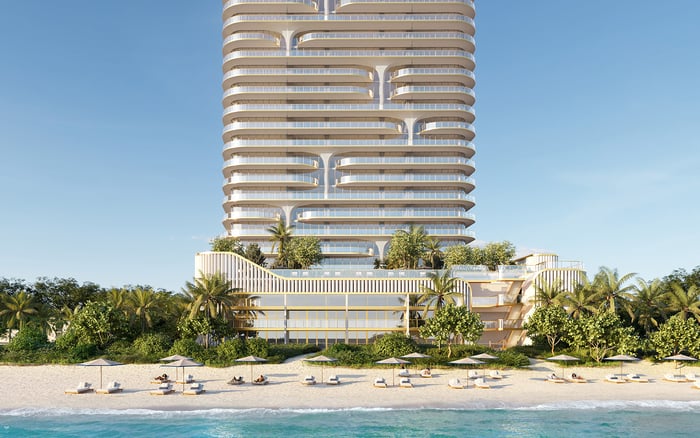
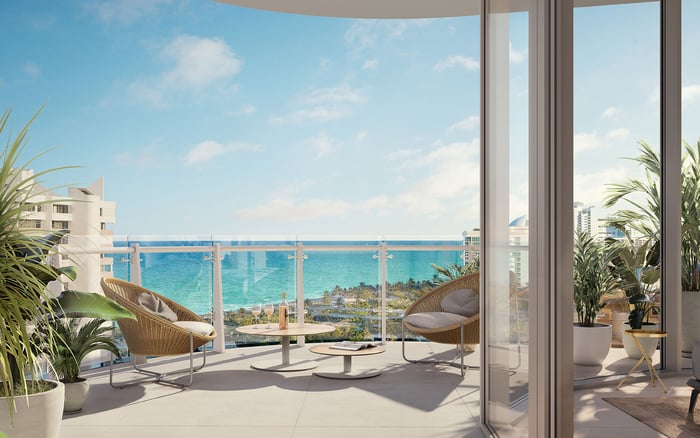
Waldorf Astoria Residences Pompano Beach is calibrated to a different register of luxury: fewer neighbors, more space, and an oceanfront routine that doesn’t require performance. With 92 residences across 28 stories, it reads as boutique against Miami’s scale. The site is positioned on an oceanfront stretch with about 200 linear feet of beachfront, and the amenity emphasis follows the coastline. Publicly disclosed highlights include a large oceanfront pool deck and programming oriented to direct beach access. The project also includes a private marina with 19 slips, making boating and water access an everyday option rather than an occasional plan. Floor plans are widely marketed in the approximately 2,100 to 6,100 square foot range, spanning 2- to 5-bedroom layouts with private elevator access. Pricing is commonly positioned from about $2.6 million to $10 million-plus, with publicly marketed examples that help triangulate value: a 3,557 square foot residence has been shown at $5,664,900. While pricing and inventory are always moving targets, the overall range signals a product aimed at end-users who prioritize footprint, privacy, and the convenience of resort-like living without the throughput of an attached hotel. For buyers exploring Pompano Beach with a brand-forward lens, it can be helpful to compare nearby luxury offerings like Armani Casa Residences Pompano Beach or The Ritz-Carlton Residences® Pompano Beach to clarify what “service” and “tone” mean to you in an oceanfront building.
1. Waldorf Astoria Miami, the skyline-driven, hotel-integrated buyer
If you want Downtown as your front door and prefer a building with a genuine social current, Miami is the sharper fit. The planned mixed-use format, 205-key hotel component, and branded gathering spaces like Peacock Alley create a lifestyle where service and scene are part of the value. The separation of hotel and resident pool zones, including a resort-style deck on a lower amenity level and dedicated residential pools higher up, is a detail that matters if you want energy on demand and privacy by design.
2. Waldorf Astoria Residences Pompano Beach, the oceanfront end-user who values calm
If your ideal morning is a quiet elevator ride to the sand, Pompano Beach is built for that. With 92 residences, an oceanfront pool deck, and beach-oriented programming, the experience is inherently more intimate than a hotel-led tower. The addition of a 19-slip private marina moves the lifestyle beyond “beach condo” into something closer to a coastal compound, especially for buyers who want boating access integrated into daily life.
The simplest distinction is tempo. Miami’s lifestyle is widely understood as faster-paced, centered on business, entertainment, and constant options. Pompano Beach is commonly framed as more relaxed and community-oriented, where the default setting is quieter. Space also plays differently. In Pompano Beach, publicly marketed floor plan ranges extend to 6,100 square feet, and private elevator access reinforces a more residential, less transient feel. In Miami, the range of residential types includes furnished junior suites with publicly reported starting pricing around the mid-six figures, alongside larger residences and penthouses at far higher levels. That breadth can suit buyers who want flexibility, from a pied-à-terre to a true statement residence, within a single vertical address. Finally, “service” means different things. In a hotel-integrated building, service can be omnipresent and programmatic. In a stand-alone residential building, service is typically quieter, with a stronger emphasis on privacy, consistency, and owner-only spaces.
Amenity programming isn’t just a list of features; it reveals the project’s thesis on how residents are meant to live. In Miami, multiple food-and-beverage venues and a signature gathering space suggest an address designed to host. The layered pool strategy, separating hotel and residential use across different levels, signals a deliberate approach to serving two audiences. In Pompano Beach, the defining amenities are coastal: a large oceanfront pool deck, direct beach access, and a private marina with slips. The thesis isn’t nightlife. It’s ease: arrive, exhale, repeat.
Brand is not a substitute for fit. For sophisticated buyers, these are the questions that typically drive the decision. First, define your use case. If you expect frequent arrivals, guests, assistants, last-minute plans, an urban, hotel-integrated environment can feel seamless. If you expect longer stays and more family time, a 92-residence oceanfront building can read as a true private address rather than a destination. Second, evaluate privacy engineering. Miami’s multi-level amenity separation is a strong signal, but it still warrants clarity on how resident circulation and hotel circulation operate day to day. Pompano Beach’s stand-alone structure removes that variable entirely. Third, be direct about what you want to wake up to. Miami delivers the city’s electricity and immediacy. Pompano Beach delivers the ocean’s rhythm, and the option to make boating part of your routine. For readers comparing other South Florida neighborhood identities as part of the process, contrasting a coastal tower with a more urban-residential district like Brickell can be clarifying. Projects such as 2200 Brickell illustrate a different kind of luxury: residential calm within a city grid, rather than resort calm at the waterline.
Is Waldorf Astoria Miami a hotel and residences? Yes. The plan combines a 205-key hotel component with 360 condominium residences.
How tall is Waldorf Astoria Miami planned to be? It is planned at roughly 1,049 feet with a stacked form of nine offset glass cubes.
Does Waldorf Astoria Miami separate hotel and resident amenities? Yes. The pool program is separated, including a resort-style deck on one level and distinct residential pool levels above.
Is Waldorf Astoria Residences Pompano Beach a stand-alone residential building? Yes. It is positioned as a stand-alone residential property without an on-site Waldorf Astoria hotel.
How many residences are planned in Pompano Beach? The tower is planned with 92 residences across 28 stories.
What is the beachfront setting like in Pompano Beach? The site is oceanfront and has about 200 linear feet of beachfront.
Does the Pompano Beach project include a marina? Yes. It includes a private marina with 19 slips.
What home sizes are commonly marketed in Pompano Beach? Floor plans are widely marketed from about 2,100 to 6,100 square feet, with 2- to 5-bedroom layouts.
What price ranges are commonly discussed for Pompano Beach? Pricing is commonly marketed from about $2.6 million to $10 million-plus, depending on layout and elevation.
Which address fits a primary residence better: Miami or Pompano Beach? Miami suits buyers who want urban immediacy and hotel-led energy; Pompano Beach suits those prioritizing oceanfront calm and space.
For tailored guidance, speak with MILLION Luxury.
If branded residences are on your mind — as a home or as an allocation — we would be glad to share what we are seeing, privately.
Begin a quiet conversation